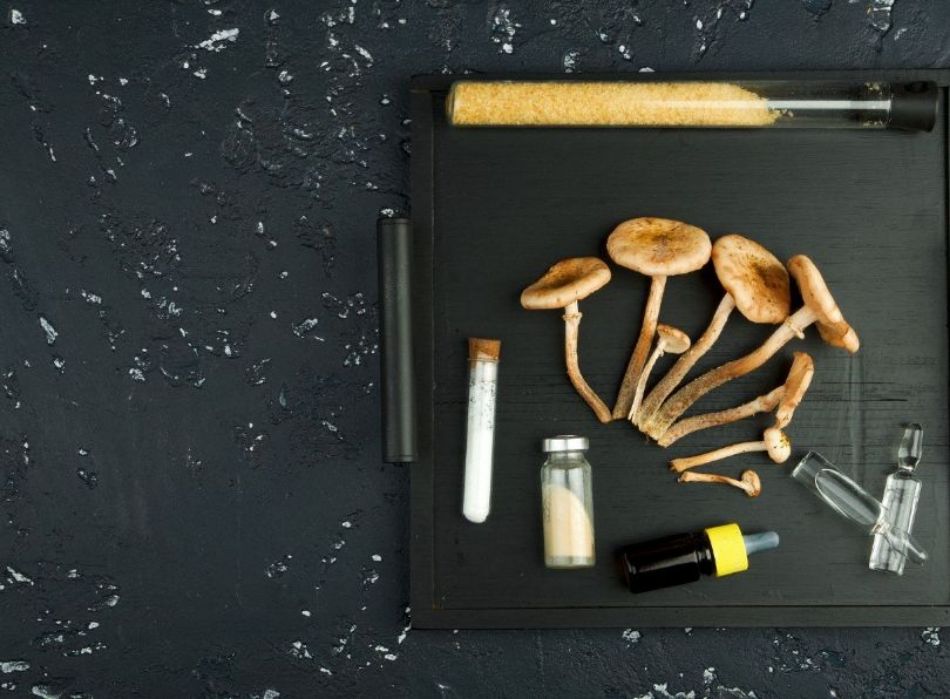
Multiple sclerosis (MS) is one of the most complex and studied neurological diseases of our time, characterized by an autoimmune process affecting the central nervous system. In this article, we will explore the potential connections between medicinal mushrooms and the management of this condition, analyzing immunomodulatory mechanisms, scientific evidence, and future prospects. Scientific exploration of the therapeutic properties of mushrooms has seen exponential growth in recent decades, with particular attention to their immunomodulatory capabilities. This has led to multiple sclerosis being classified as an autoimmune disease, which is why we are exploring this topic in greater depth today.
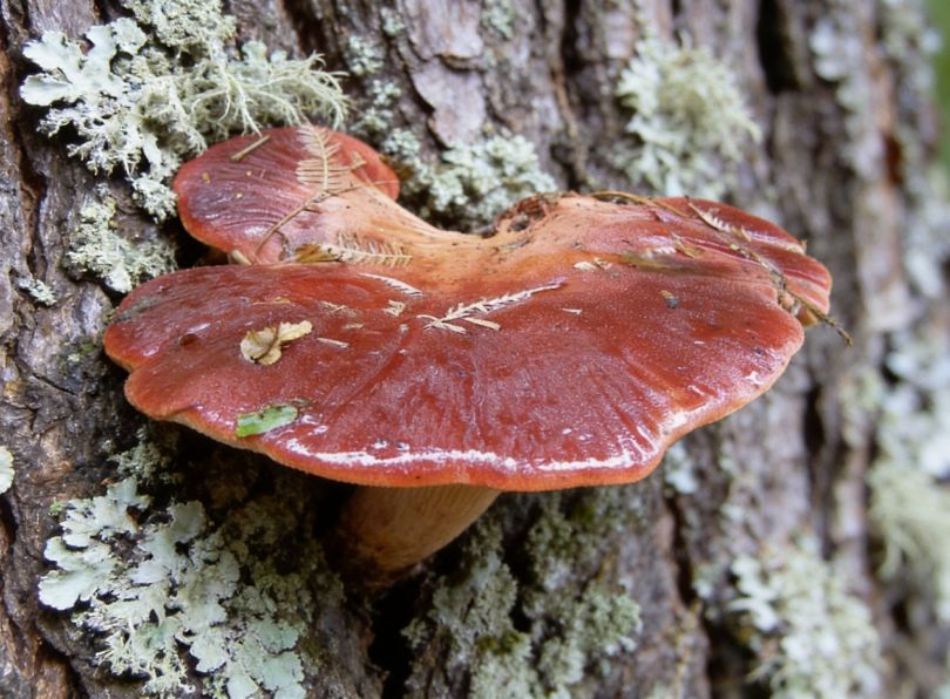
In the diverse and fascinating world of fungi, the Ox Tongue (Fistulina hepatica) occupies a position of absolute prominence, both for its unique morphological characteristics and its intriguing ecological role. This mushroom is also known as Ox Liver due to its striking resemblance to the fresh animal organ. This specimen is an unmissable subject of study: its presence, often solitary and imposing, on the trunks of oak and chestnut trees never goes unnoticed, arousing curiosity and sometimes perplexity due to its singular appearance.
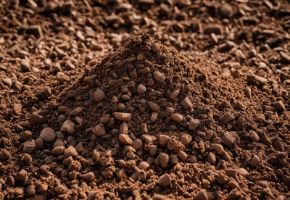
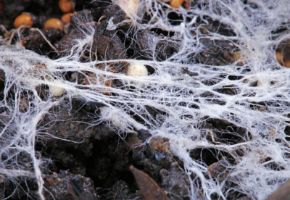
Today, after a weekend of collective disappointment, we want to explain why there are no mushrooms in some woods. How many times have you had friends who've "stocked up" on porcini mushrooms, shown you the place where they've harvested their abundant mushrooms, and when you arrive, you find nothing? Perhaps, if you're lucky, just a handful of insignificant mushrooms and maybe a couple of suspicious species that even the most daring wouldn't dare put in the pan because they're probably toxic. And then, as you return home, you begin to insistently wonder why there are woods that never produce anything. We want to explain the reason, even if you won't like some of it.