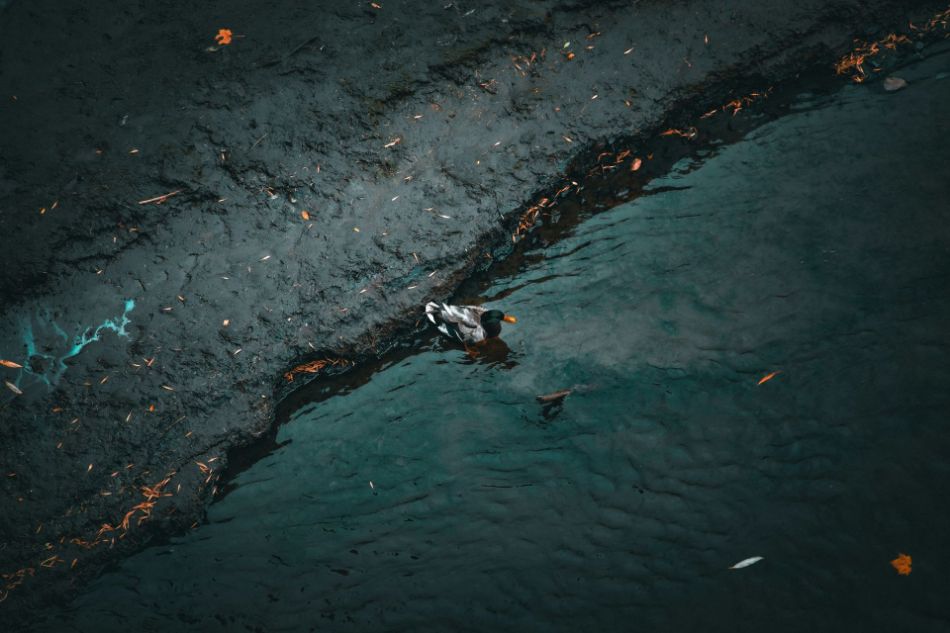


When we think of the environmental disasters caused by oil spills, the images that often come to mind are beaches covered in black slicks, seabirds covered in tar, and workers working with mechanical equipment. What we rarely imagine is a silent army of fungal mycelia working tirelessly beneath the surface to clean up the environment.
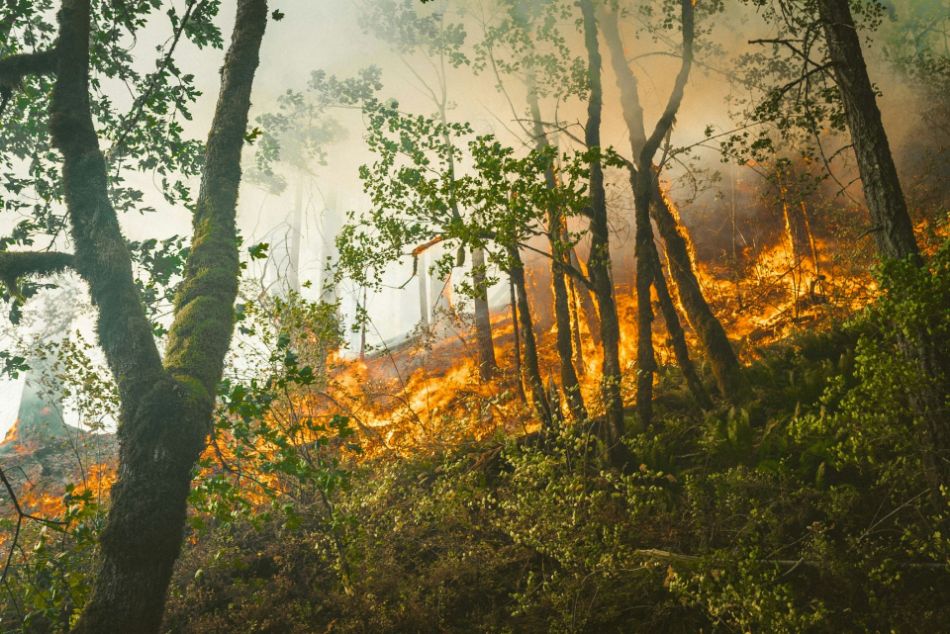
Forest fires are traumatic events for forest ecosystems, but at the same time they trigger complex regeneration processes in which fungi play a fundamental role. This article explores in depth the intricate relationships between fire, soil, and mycelium, analyzing how the underground fungal network acts as a veritable nervous system of the forest, coordinating the rebirth of life after the passage of flames.
The interaction between grazing animals and fungal communities represents one of the most fascinating and complex aspects of grassland ecology. In this in-depth study, we will analyze the multiple relationships between livestock and mycology, exploring biological mechanisms, ecological impacts, and consequences for biodiversity. We will discover how animal waste, trampling, and changes in plant composition create a unique environment that favors some fungal species while limiting others, in a delicate balance that has characterized rural landscapes for centuries. The relationship between grazing animals and fungi is as old as agriculture itself, yet it remains largely unexplored by most mycology enthusiasts. In this introductory section, we will examine the foundations of this complex relationship, setting the stage for a more detailed analysis in subsequent chapters.