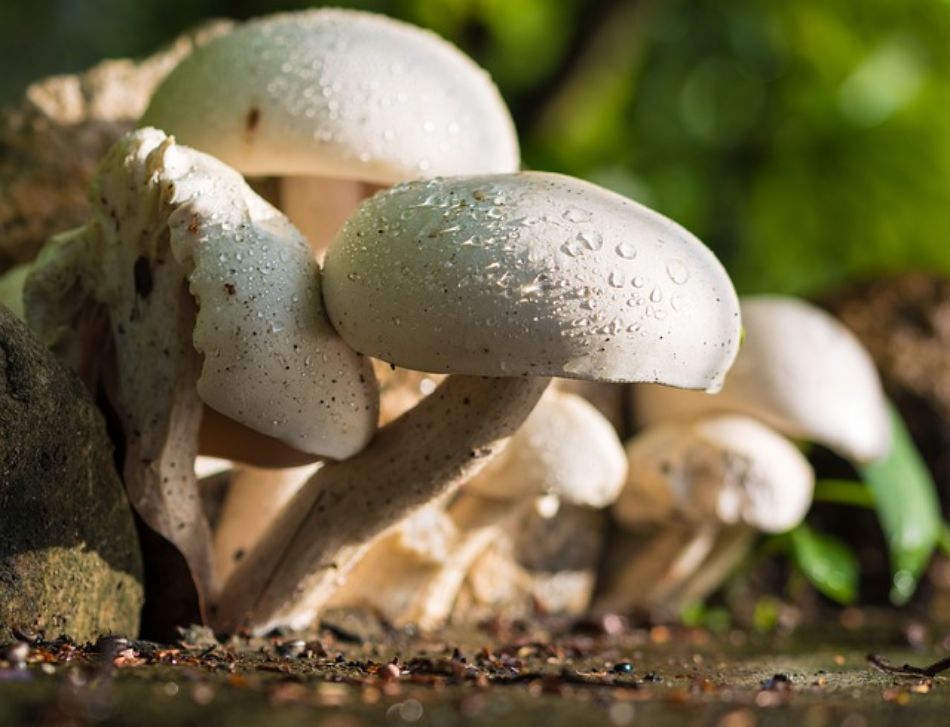
An in-depth journey through the annual cycle of edible mushrooms in Italy, with detailed analyses of the seasons, habitats, and the most effective harvesting techniques for each time of year.
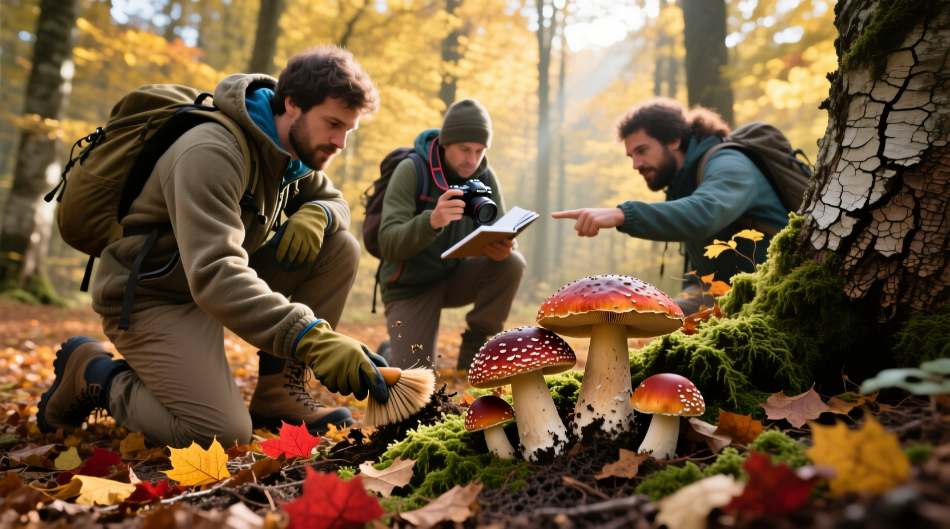
Environmental volunteering represents an irreplaceable resource for the conservation of fungal biodiversity: volunteers, through their constant and passionate commitment, actively contribute to the protection of the natural habitats that support diverse fungal species. The analysis will focus not only on the practical aspects of volunteering, but also on its scientific, social, and educational impact within the context of modern mycology.
For centuries, mushroom pickers and mycologists have observed the close correlation between atmospheric precipitation such as rainfall and the appearance of fungal fruiting bodies. This article explores in depth the complex biological, chemical, and physical mechanisms that link this phenomenon to mushroom growth, debunking popular myths and providing detailed scientific data for enthusiasts, mushroom growers, and researchers. Through a multidisciplinary analysis spanning biochemistry and forest ecology, we will seek to fully understand one of the most fascinating and observed natural phenomena in the mycological world.