A technical study on the prized white truffle, the world's most sought-after rare mushroom, which in the best years can fetch over €5,000 per kilogram, even beating the price of gold. Let's explore the biological characteristics, ecology, hunting techniques, and market of this extraordinary product from our forests.
Antarctica, Earth's most remote and inhospitable continent, represents one of the most extreme environments on our planet. With temperatures that can drop to -89°C, katabatic winds exceeding 300 km/h, and an ice cover reaching thicknesses of over 4 kilometers, this polar desert would seem completely unsuitable for life. Yet, against all expectations, life persists and thrives in these harsh conditions, and among the most surprising life forms to have colonized Antarctica are fungi. These organisms, often associated with humid forests and temperate environments, have developed extraordinary survival strategies to adapt to an environment where water is available primarily in solid form, nutrients are extremely scarce, and ultraviolet radiation reaches lethal intensities. The discovery and study of these extremophilic fungi not only expands our understanding of the limits of life on Earth, but also opens new frontiers in biotechnological and pharmacological research, and in the understanding of adaptation mechanisms that could have implications for the colonization of other planets.
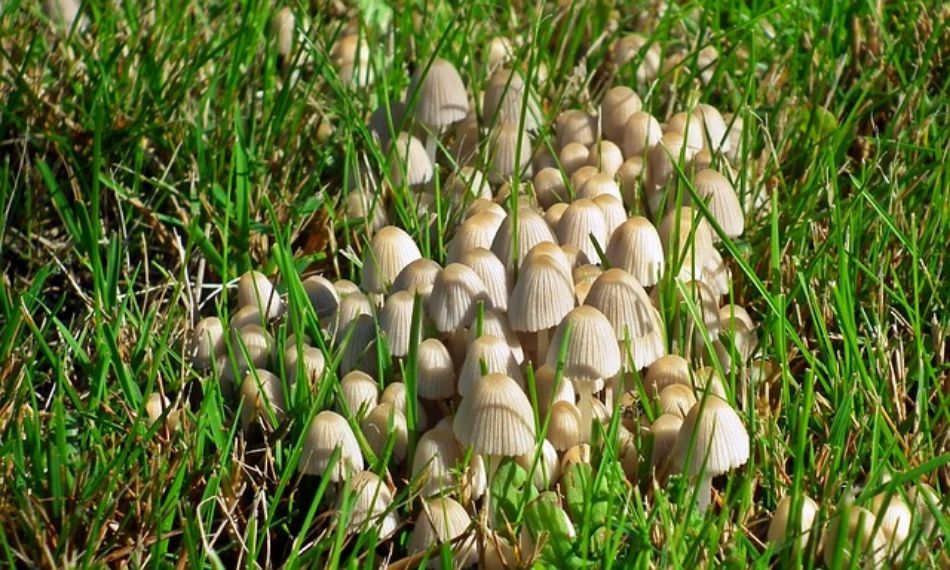
When you think of mushroom hunting, the image that immediately comes to mind is hiking in the mountains, amidst coniferous and beech forests. However, the plains also offer surprising opportunities for mycologists and mushroom enthusiasts. This article explores in depth the fascinating world of mushrooms in the plains, revealing unexpected habitats, characteristic species, and specific foraging techniques for these environments, seemingly less rich in fungal biodiversity.