




Imagine yourself in the center of an endless horizon, where the grass sways like the surface of a green sea pushed by the wind and the sky seems to touch the earth in every direction. This is the landscape of the grassland, one of the most fascinating, underestimated, and vital ecosystems on our planet. Far from being just a "field of grass", the grassland is a bustling world of life, a delicate balance built over millennia between climate, soil, plants, animals, and, as we will discover, extraordinary fungi that guard its deepest secrets. Grasslands cover about 40% of the Earth's land surface if we consider all their variants, from the great plains of North America to the Eurasian steppes, from the Argentine pampas to the high-altitude alpine grasslands. Yet, despite this enormous extent, they remain among the least understood environments by the general public and among the most threatened by human action. In this in-depth article, we will take you on a complete journey: we will understand what a grassland is from a geographical and ecological point of view, what climate characterizes it, what plants and animals populate it, how it differs from the steppe, and why it represents a biodiversity heritage to be protected. Whether you are an agronomist looking for sustainable solutions, a farm owner, a landscape architect, an environmental researcher, an educator, or simply a nature and fungi enthusiast, you will find detailed information, updated data, and practical insights here. Get ready to look at the grassland with new eyes: after reading this guide, a stretch of grass will never seem like just grass again! To truly understand this environment, we must start from the foundations. What exactly does grassland mean? In geography and ecology, a grassland is defined as a terrestrial biome dominated by herbaceous vegetation (particularly grasses) where trees and shrubs are absent or present only sporadically. The term derives from the French prairie, in turn from the Latin pratum, meaning "meadow", and indicates a natural expanse of grass that self-regenerates without human intervention. When we ask ourselves what grasslands are in geography, the answer touches on several levels. From a botanical point of view, they are plant formations where grasses represent the dominant cover. From a climatic point of view, they occupy an intermediate zone between forests (where it rains a lot) and deserts (where it rains very little). From an ecological point of view, finally, they are complex ecosystems in which every organism (from the smallest soil microorganism to the large grazing herbivore) plays a precise role. Explaining what a grassland means to the little ones is simpler than it seems, and it is an excellent environmental education exercise. We can say that the grassland is "a huge expanse of tall grass where many animals live, but there are almost no trees". It is the realm of horses running free, of bison grazing in immense herds, and of small rodents digging tunnels underground. For a child, imagining the grassland means thinking of an open and bright space, swept by the wind, where the grass sometimes reaches the waist of an adult. This simple image, however, encapsulates an important scientific truth: the grassland is an ecosystem where grass is the undisputed queen. And precisely because grass dominates, all other life (animals, insects, fungi, microorganisms) organizes itself around it. Grasslands are not just evocative landscapes. They perform fundamental ecological functions: they store enormous amounts of carbon in the soil, regulate the water cycle, prevent erosion, host surprising biodiversity, and provide pasture and forage for livestock. A healthy grassland is, for all intents and purposes, a natural infrastructure that works silently in the service of planetary balance. What characterizes the grassland and distinguishes it from any other environment? The answer lies in a precise combination of physical and biological factors. Before going into detail, it is useful to know that no grassland is born by chance: every expanse of grass is the result of a millennial dialogue between the climate, soil composition, natural fires, and the action of grazing animals. The elements that define a grassland are several and interconnected. Continuous grass cover is the most evident trait: grasses form a compact carpet that can vary from a few centimeters to over two meters in height. The scarcity or absence of trees is the second characterizing element. There is also a marked seasonality, with periods of lush growth alternating with phases of rest or dormancy. Finally, a deep soil rich in organic matter, built over time thanks to the continuous deposit of roots and plant material. It is one of the most frequent questions, and the answer is fascinating. Several factors conspire to keep trees away. First of all, intermediate precipitation: too scarce to sustain a forest, but sufficient for grasses. Secondly, periodic fires, natural or man-made, which burn young woody plants but spare the grasses, whose regrowth buds are protected underground. Third, the intense grazing of large herbivores, which eat the shoots of the trees, preventing their development. Grasses, on the contrary, are perfectly adapted to being grazed: they regrow from the base rather than from the top. The formation of a grassland is a slow process. It all starts with a climate that does not allow the forest to establish itself. On this ground, grasses (pioneer plants, robust and resilient) colonize the space. Their dense and deep roots hold the soil, enrich it with organic matter year after year, and create the conditions for a stable ecosystem. When fire and grazing also come into play, the grassland locks into a state of dynamic equilibrium that can last for thousands of years. Climate is the great architect of grasslands. Without a specific climatic regime, these environments simply would not exist: they would give way to forests or deserts. Understanding what the climate is like in the grassland therefore means understanding the very reason for its existence. The typical climate of the grassland is continental or semi-arid, characterized by moderate precipitation and strong temperature variations. Rainfall generally ranges between 250 and 900 millimeters per year, enough to feed the grass but too little for a forest. Temperatures vary enormously between seasons: hot and sometimes scorching summers, rigid winters, especially in continental grasslands far from the sea. This variability is the hallmark of the grassland climate. A decisive element of the grassland climate is the presence of a marked dry season. During this period the grass turns yellow and seems to die, but in reality, it goes dormant: the aerial parts dry out while the roots remain alive underground, ready to restart at the first rains. This cycle of growth and dormancy is what allows grasslands to survive in climates that would kill most forests. Flora is the beating heart of the grassland. When we look at an expanse of grass we apparently only see grass, but a careful look reveals a surprising botanical richness. A mature and healthy grassland can host dozens or even hundreds of different plant species in a few square meters. The absolute protagonists are the grasses (family Poaceae). These plants are perfectly adapted to life in the grassland: they have protected growth points at the base, fibrous roots that explore large volumes of soil, and an extraordinary ability to resprout after being grazed or burned. Species like Stipa, Festuca, Bromus, and Andropogon form the matrix of the vegetation. Among the grasses, a wide variety of flowering herbaceous plants (the so-called forbs) infiltrate: legumes such as clovers and vetches, composites such as daisies and yarrow, and numerous wild species that color the grassland in the flowering season. This floristic diversity is fundamental: it supports pollinators, enriches the soil, and increases the resilience of the entire ecosystem. Grassland plants have developed remarkable adaptations to survive wind, drought, fire, and grazing. Very deep root systems (in some species the roots go down over 2-3 meters) allow them to draw water from the deep layers. Narrow, waxy leaves reduce water loss. Underground buds guarantee rebirth after fires. It is a masterpiece of evolutionary engineering. Here we enter the most fascinating and least known territory of the grassland. Under the grass carpet and inside the soil hides an invisible but vital world: the kingdom of fungi. For mycology enthusiasts, growers, and hobbyists, grasslands represent a real treasure chest of fungal species, many of which are edible, prized, or of great scientific interest. Grasslands offer fungi ideal conditions. The soil rich in organic matter, the presence of herbaceous roots with which to form symbioses, and the accumulation of plant debris create the perfect habitat for a wide range of species. Grassland fungi are divided into two large functional groups: saprophytes, which decompose dead organic matter by recycling nutrients, and mycorrhizal symbionts, which establish exchange relationships with plant roots. Among the most famous and sought-after species in pastures and grasslands we find the famous field mushroom (Agaricus campestris), a wild relative of the common champignon, with a delicate flavor and highly appreciated in the kitchen. Then there is the parasol mushroom (Macrolepiota procera), an imposing and elegant fungus that towers over the grass of hillside meadows. There are also fairy ring mushrooms (Marasmius oreades), which form the characteristic "fairy rings" in meadows, and various species of Hygrocybe, the very colorful mushrooms that ecologists consider true indicators of ancient and well-preserved grasslands. The presence of these meadow mushrooms is not only good news for those who love to pick them: it is also an indicator of ecological health. A grassland rich in fungi is almost always a grassland with healthy soil, high biodiversity, and little anthropogenic disturbance. Observing the wild mushrooms of the grassland often sparks a broader passion, which leads many enthusiasts to want to grow their own mushrooms at home or integrate them into their diet for their recognized benefits. If the magic of meadow mushrooms has conquered you, you can bring it into your daily life: at NatureNext you will find a curated selection of products dedicated to the fungal world. It's the perfect way to turn a walk in the grassland into an experience that continues within the walls of your home. If flora is the foundation of the grassland, fauna is its soul in motion. The animals of the grassland have shaped this environment as much as the climate and soil, in a coevolutionary dance that has lasted millions of years. Understanding what fauna is in the grassland and who lives in the grassland helps us understand how interconnected this ecosystem is. The most iconic protagonists are the large grazing herbivores. In the North American grasslands reigned the bison, which was once counted in the tens of millions of specimens. In the Asian steppes we find the saiga antelope and Przewalski's horse. In the South American pampas run the guanacos, while the African savannas host wildebeests, zebras, and gazelles. These animals not only feed on the grass: they maintain it, fertilize it, and stimulate its regrowth. A special mention goes to prairie dogs, small social North American rodents that dig vast networks of underground tunnels called "towns". Despite the name, they are not dogs but sciurids related to squirrels. Their burrows oxygenate the soil, and the animals themselves are a fundamental prey for many predators. Together with them, marmots, voles, and other rodents populate the subsoil of the grassland. The food chain is completed by predators (coyotes, foxes, wolves, birds of prey such as the eagle and the hawk) and by an extraordinary variety of birds adapted to open spaces, from the lark to the prairie chicken. Let's not forget the insects: grasshoppers, bees, butterflies, and beetles play crucial roles as pollinators, decomposers, and the base link of the food chain. The grassland, seen up close, is literally bustling with life. There is not just one grassland, but a large family of grassy environments that differ in climate, latitude, altitude, and composition. Knowing the types of grasslands and where they are located allows us to appreciate the extraordinary adaptability of this biome, present on all continents except Antarctica. The temperate grassland is perhaps the most well-known, thanks to the immense Great Plains of North America. Here we distinguish between tallgrass prairie, mixed-grass prairie, and shortgrass prairie, depending on the decreasing precipitation from east to west. The American prairie has shaped the history and culture of the continent, from Native Americans to the pioneers of the West. In South America the large grassy expanses are called pampas, especially in Argentina and Uruguay. It is the realm of the mythical gauchos, the horseback herdsmen who have made the grasslands of the gauchos a cultural symbol. The Argentine grassland, fertile and boundless, is today one of the most important agricultural basins in the world. In addition to plain grasslands, there are grassy environments linked to extreme conditions. The alpine and mountain grasslands develop above the tree line, on the Alps, on the Apennines, and on mountain ranges all over the world, hosting specialized flora resistant to the cold. The Arctic grassland, more commonly called tundra, occupies the highest latitudes where the soil remains frozen for most of the year. Finally, there are semi-desert grasslands, where the grass thins out leaving space to bare ground. The global picture is completed by the Australian grassland, vast natural pastures in the outback of the continent; the Russian and Eurasian grassland, which extends in immense steppes; and the equatorial and tropical grassy formations, where the rainfall regime creates wooded savannas and seasonal grasslands. Steppe and grassland are terms often used as synonyms, but in reality they indicate different nuances of the same large grassy biome. Clarifying the difference between steppe and grassland is important both for scientific reasons and for navigating geographical literature. The steppe is, in essence, a grassland with a more arid and continental climate. It is found mainly in Central Asia, Russia, and Eastern Europe. Compared to the classic grassland, it receives less precipitation, has shorter and sparser grasses, and often poorer soil. The flora of the steppe is dominated by drought-resistant grasses and dwarf shrubs, while the fauna of the steppe includes antelopes, rodents, and numerous birds adapted to aridity. In practical terms, the difference between steppe and grassland comes down to a matter of humidity gradient. The grassland, like the North American one or the pampas, is more humid and productive, with tall and thick grasses. The steppe is drier, with sparser and shorter vegetation. It can be said that the steppe is the more arid version of the grassland continuum, while where the rains increase it gradually passes to the true grassland and finally to the forest. Many think that grasslands are an exotic, distant phenomenon, typical of the American plains or the Russian steppes. In reality, Italy and Europe also host rich and fascinating grasslands, even if often of a different nature compared to the large continental biomes. In Italy, grasslands are concentrated mainly in the mountains. The Alpine and Apennine grasslands cover the high altitudes above the tree line, giving spectacular blooms in spring and summer. On the Apennines, in particular, we find vast high-altitude pastures that hold precious endemic flora and have been linked to traditional pastoralism for centuries. Some hilly and flat areas, where man has maintained stable meadows, can also be considered semi-natural grasslands. The Apennine grasslands host a very rich flora: gentians, wild orchids, daffodils, anemones, crocuses, and many grasses adapted to the mountain climate. These blooms are not only beautiful to see: they support pollinators, insects, and, of course, the meadow mushrooms that sprout among the grass after the summer rains. It is in environments like these that picking grassland mushrooms becomes an authentic and rewarding experience. In Europe, natural grasslands are relatively few, because most of the continent would naturally be covered by forests. However, there are important natural grasslands in Eastern Europe (the steppes of Pannonia and Ukraine) and very many semi-natural grasslands maintained by agricultural and pastoral activity: hay meadows, alpine pastures, and coastal heaths. These environments are today among the richest in biodiversity on the continent and, paradoxically, among the most threatened by the abandonment of traditional agricultural practices. We arrive at the perhaps most important chapter for the future: the ecological value of grasslands and their urgent need for protection. Grasslands are among the most underestimated and, at the same time, most severely threatened ecosystems on the planet. Grasslands play an extraordinary ecological role. They are among the most important terrestrial carbon sinks: unlike forests, which store carbon mainly in wood, grasslands accumulate it in the soil, in the form of roots and organic matter. This underground carbon is much more stable and resistant to fires than that of forests. Grasslands also regulate the water cycle, prevent soil erosion, and host exceptional biodiversity, from soil microorganisms to large mammals. Unfortunately, grasslands are in decline all over the world. The main threats are conversion to agricultural land, urbanization, overgrazing, the introduction of invasive species, and climate change. It is estimated that vast portions of the planet's original grasslands have already been lost, transformed into cultivated fields or built-up areas. In Europe, the abandonment of traditional agricultural practices is causing the disappearance of precious semi-natural grasslands, which, without grazing or mowing, are rapidly invaded by shrubs and trees. Protecting grasslands requires an integrated approach. The most effective strategies include the creation of protected areas, the restoration of degraded grasslands with native species, the maintenance of sustainable grazing and mowing, and the control of invasive species. For agronomists and farmers, managing a grassland sustainably means balancing forage production with biodiversity conservation — a balance that produces both ecological and economic benefits in the long term. Even monitoring the presence of indicator fungi, such as Hygrocybe, can provide valuable information on the health status of a grassland. We have collected the most frequently asked questions by enthusiasts, students, agronomists, researchers, and educators on the topic of grasslands. Click on each question to open the answer. We started from a horizon of swaying grass and arrived at understanding the extraordinary complexity that hides behind an apparently simple landscape. The grassland is not just grass: it is a refined ecosystem, the result of a millennial balance between climate, soil, flora, fauna, and that invisible and fascinating world of fungi that inhabits its subsoil. We have seen how its continental climate shapes every form of life, how deep-rooted grasses support an entire food chain, and how large herbivores, small rodents, and predators coexist in a coevolutionary dance that has lasted millions of years. Above all, we have discovered that the grassland is a fragile and precious heritage: one of the most important carbon sinks on the planet, a treasure chest of biodiversity, and for those who know how to observe, an authentic territory of mycological treasures, from the field mushroom to the very colorful Hygrocybe that tell its health. Understanding its value is the first step to protecting it, whether it is managing it sustainably, restoring it with native species, or simply walking through it with respect and curiosity. The next time you cross an expanse of grass, stop for a moment: under your feet and all around you, an extraordinary life bustles. The grassland invites you to look closer and, perhaps, to bring a bit of its magic into your daily life, cultivating the passion for mushrooms and the nature that surrounds us.In this article...
1. What is a grassland: definition and meaning
The meaning of grassland, explained also for children
What is the grassland for?
2. Characteristics and how a grassland forms
The distinctive characteristics
Why are there no trees in the grassland?
How do grasslands form
3. The climate of the grassland
General climatic characteristics
Type of grassland Annual precipitation Temperature Typical region Temperate grassland 500-900 mm -20°C / +35°C North America, Europe Steppe 250-500 mm -30°C / +30°C Central Asia, Russia Tropical grassland (savanna) 600-1500 mm +20°C / +35°C Africa, South America Alpine grassland 800-2000 mm -15°C / +20°C Alps, Apennines, Andes Arctic grassland (tundra) 150-300 mm -40°C / +10°C Arctic, high latitude
The dry season and its role
4. The flora of the grassland
Grasses: the queens of the grassland
Not just grass: flowering plants
Flora adaptations
5. The fungi of the grassland: hidden treasures in the grass
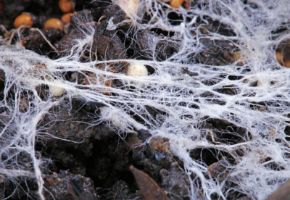
Why fungi love grasslands
Typical fungal species of meadows and grasslands
From the grassland to your table: the passion for mushrooms
6. The fauna of the grassland
The large herbivores
Prairie dogs and other rodents
Predators, birds, and insects
7. Types of grasslands and geographical distribution
Temperate and North American grassland
South American grassland and the gauchos
Alpine, mountain, polar, and desert grasslands
Australian, Russian, and equatorial grasslands
8. Steppe and grassland: what are the differences
The steppe: definition and characteristics
The key differences
Characteristic Grassland Steppe Precipitation Moderate-high (500-900 mm) Low (250-500 mm) Grass height Tall and thick Short and sparse Climate Humid continental Arid continental Location North America, South America Central Asia, Russia Productivity High Reduced
9. Grasslands in Italy and Europe
Where are the grasslands in Italy
What flora is there in the Apennines
European grasslands
10. Ecological role, threats, and conservation
The ecological role and the carbon cycle
Threats to grasslands
Conservation strategies and sustainable management
11. Frequently Asked Questions about the grassland (FAQ)
What is a grassland in geography?
Which animal lives in the grassland?
What is the climate like in the grassland?
What is the difference between steppe and grassland?
Why are there no trees in the grassland?
What mushrooms are found in the grassland?
Where are the grasslands in Italy?
What are the characteristics of the grassland?
How can biodiversity be promoted in a grassland?
How to teach children the importance of grasslands?
The grassland, a world to be cherished
This article was developed with the support of artificial intelligence and subsequently reviewed, corrected, and validated by the NaturNext.eu technical team, which guarantees its reliability and compliance with official sources.
The kingdom of fungi is a constantly evolving universe, with new scientific discoveries emerging every year on their extraordinary benefits for intestinal health and general well-being. From now on, when you see a mushroom, you will no longer think only of its flavor or appearance, but of all the therapeutic potential it encloses in its fibers and bioactive compounds. ✉️ Stay connected - Subscribe to our newsletter to receive the latest studies on: Nature offers us extraordinary tools to take care of our health. Mushrooms, with their unique balance between nutrition and medicine, represent a fascinating frontier that we are only just beginning to explore. Continue to follow us to discover how these extraordinary organisms can transform your approach to well-being.Continue your journey into the world of mushrooms