The world of natural nootropics is constantly expanding, and among the most studied supplements for cognitive support, two names stand out: Ginkgo biloba and Lion's Mane (Hericium erinaceus). Although they belong to different kingdoms, the former is an ancient tree, the latter a medicinal mushroom, but both share a common goal: enhancing brain function, improving memory, and protecting the nervous system.
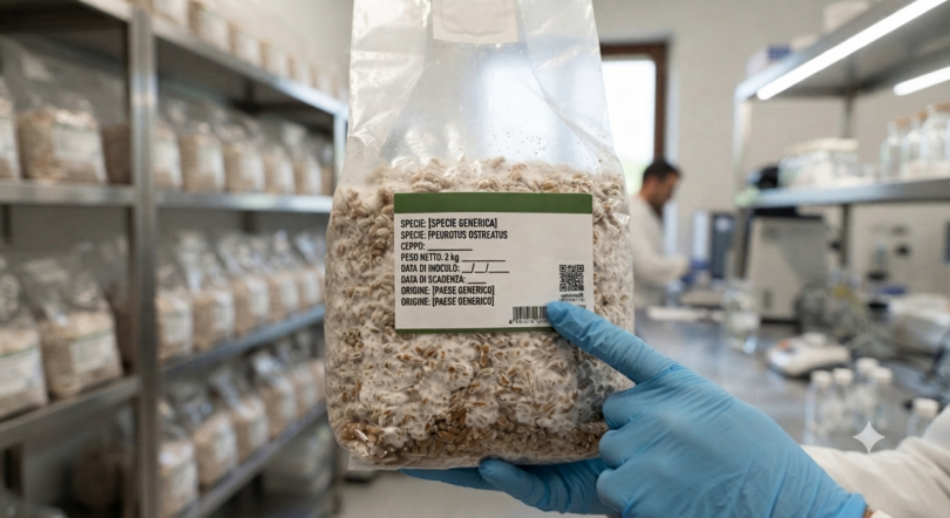
In the world of mushroom cultivation, few terms are as crucial and, at the same time, surrounded by an aura of mystery as the word 'spawn.' For the mushroom enthusiast, the environmental biologist, or the hobbyist looking to grow collectible specimens at home, spawn represents the beating heart of the cultivation project. It's the seed, the invisible engine that, if of good quality, will turn a simple substrate into a thriving, productive mycelium. But how do you tell an excellent spawn from a mediocre one? The answer lies in a document often underestimated: the label.
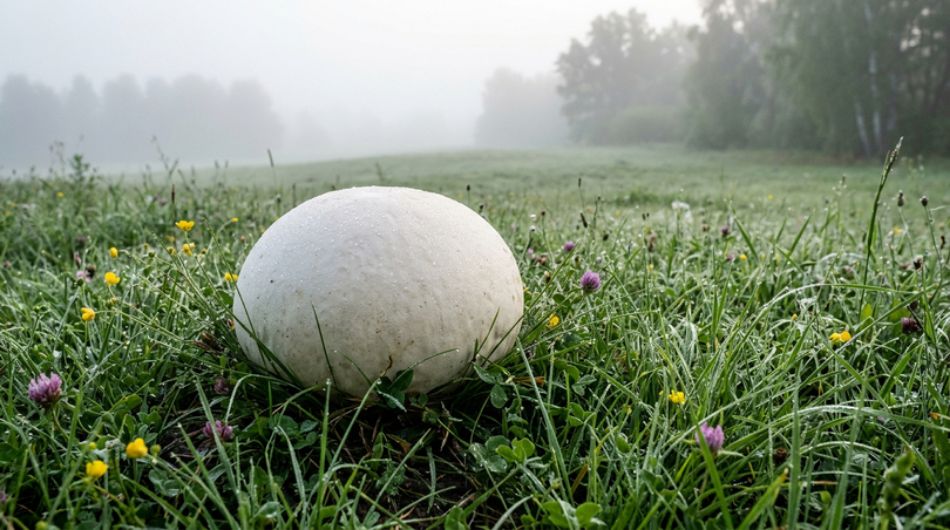
Imagine walking in an Alpine meadow at dawn, when a whitish spherical mass the size of a picnic basket appears among the dewy grass. It's not a stone, it's not an animal, it's a mushroom. And not just any mushroom: it is Calvatia gigantea, the giant bladder, one of the most extraordinary and fascinating organisms that the fungal kingdom can offer. This giant mushroom, also known as puffball, mushroom barb or greater vescia, has always captured the imagination of everyone who encounters it, from the most expert mycologists to simple Sunday strollers. Its perfectly spherical shape, its impressive size and its singular life cycle make it an irresistible subject of study and an iconic presence in meadows and pastures around the world.