



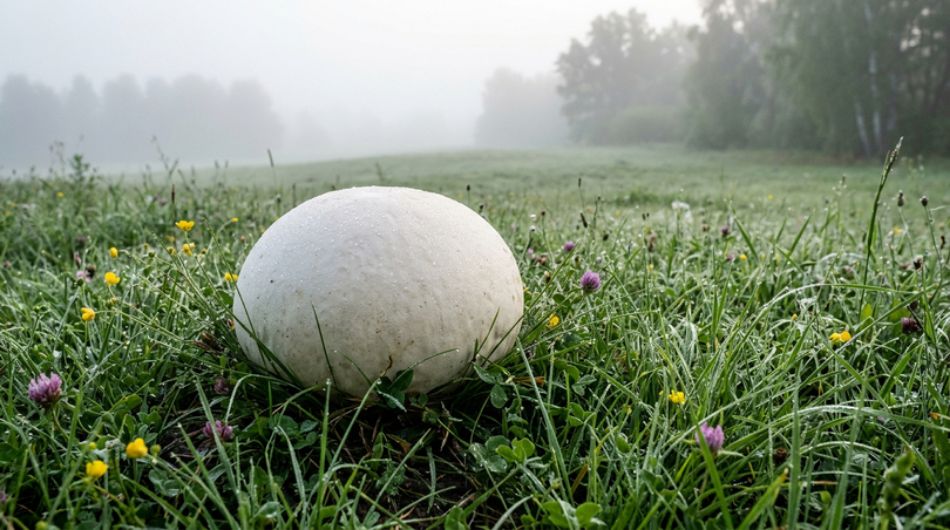
Imagine walking through an alpine meadow at dawn, when among the dew-wet grass appears a whitish spherical mass the size of a picnic basket. It is not a stone, it is not an animal, it is a fungus. And not just any fungus: it is the Calvatia gigantea, the giant puffball, one of the most extraordinary and fascinating organisms that the fungal kingdom can offer. This giant fungus, also known as the puffball, giant puffball or giant calvatia, has always captured the imagination of anyone who encounters it, from the most experienced mycologists to simple Sunday walkers. Its perfectly spherical shape, its impressive dimensions, and its singular life cycle make it an irresistible subject of study and an iconic presence in meadows and pastures around the world.
The Calvatia gigantea is not just a visual spectacle: it is a complex organism with biological, ecological and nutritional properties that deserve in-depth analysis. In this comprehensive guide, we will explore every aspect of this enormous fungus, from its taxonomic classification to its geographical distribution, from its detailed morphology to its uses in cooking and scientific research.
The world of fungi is a continuously expanding universe, and the Calvatia gigantea represents one of the most fascinating gateways for those wishing to delve deeper into mycology. With its botanical synonyms such as Langermannia gigantea, Bovista gigantea and Lycoperdon giganteum, this fungus has traversed centuries of scientific classifications, gathering around itself a heritage of knowledge ranging from traditional pharmacology to gourmet gastronomy. At NatureNext.eu we believe that knowledge is the first step towards the protection and appreciation of nature, and it is precisely for this reason that we have dedicated this comprehensive monograph to one of the most emblematic fungi of our territory.
In this article...
General description of Calvatia gigantea
The Calvatia gigantea is a fungus that leaves no one indifferent. It belongs to the Agaricaceae family and represents one of the most spectacular and recognizable species in the entire fungal kingdom. When we talk about the giant puffball, we are referring to an organism whose fruit body can reach and exceed truly exceptional dimensions, transforming it into one of the giant fungi best known to the general public. What fungus is the puffball, many ask who encounter it for the first time? It is precisely this question that makes the Calvatia gigantea such a fascinating subject: its unusual appearance, its perfect spherical shape and its extraordinary dimensions make it immediately recognizable but at the same time generate curiosity and, sometimes, suspicion among non-experts.
The fruit body of Calvatia gigantea presents itself as a large spherical or sub-spherical mass, without a true stem, resting directly on the substrate or connected to it through a base of fungal tissue called the subiculum. The external surface, called the peridium, is smooth or finely granular, white-cream in young specimens, tending to yellow, brown and finally break irregularly with maturity. The consistency of the peridium is membranous but resistant, robust enough to maintain the spherical shape of the fungus even when it reaches considerable dimensions. The white ball fungus, as it is popularly called, can measure from 10 centimeters up to over 70 centimeters in diameter in the most exceptional cases, with a weight that in some documented specimens has exceeded 20 kilograms.
Inside the peridium is the gleba, the fertile tissue that contains the spores. In the young Calvatia gigantea, the gleba is compact, firm, pure white in color, with a consistency reminiscent of fresh cheese or mozzarella. It is precisely this white, compact gleba that is the fundamental parameter for determining the edibility of the fungus: as soon as the gleba begins to take on yellow, greenish or brown hues, the fungus is no longer suitable for consumption. With complete maturation, the gleba transforms into a fine powder of olive-brown spores, which is dispersed into the air through fractures in the peridium or through an apical opening that forms naturally. This spore dispersal mechanism is the reason why in English this fungus is called "puffball": literally "ball that puffs", referring to the cloud of spores that is released when the mature fungus is compressed.
Calvatia gigantea: appearance and detailed morphological characteristics
The morphological analysis of Calvatia gigantea requires attention to several anatomical details that allow its certain identification. The outer peridium is composed of two distinct layers: a thin exoperidium, often fleeting, which may appear slightly scaly or granular, and a thicker, more resistant endoperidium, which constitutes the true "rind" of the giant fungus. The exoperidium of Calvatia gigantea can have small warts or minute scales, especially in younger specimens, but differs markedly from species of the genus Scleroderma, which have a rougher, leathery and often mottled surface.
A fundamental aspect of the morphology of Calvatia gigantea is the internal structure of the gleba. In immature specimens, cutting the fungus in half reveals a completely white, homogeneous interior, without the slightest trace of chambers, cavities or differentiated structures. This uniformity of the gleba is an essential diagnostic character: other smaller puffball species, such as Lycoperdon, in fact have a gleba that gradually differentiates from a sterile basal zone (subgleba) to a fertile upper zone, with a more or less clear transition between the two. In Calvatia gigantea this differentiation is absent or extremely reduced, and the gleba appears as a single, uniform mass.
The spores of Calvatia gigantea are spherical, smooth, with dimensions between 3.5 and 5.5 micrometers in diameter, and have a very short or absent pedicel. The spore print, obtained by placing a mature specimen on a sheet of paper, is dark olive-brown, almost blackish in some cases. The surface of the spores is completely smooth, a characteristic that allows distinguishing Calvatia gigantea from other congeneric species that have ornamented spores (with warts or spines). Under the optical microscope, the spores of Calvatia gigantea appear as perfect little spheres, and this morphological regularity is one of the elements used in the microscopic determination of the species.
Giant fungus: macroscopic details and variations
The morphological variations of Calvatia gigantea are relatively limited compared to other fungal species, but it is important to know them to avoid confusion. The shape of the fruit body can vary from spherical to slightly ovoid or flattened at the base, depending on the growing position and environmental conditions. Specimens growing in open, sunny meadows tend to develop into more regular and spherical shapes, while those developing in sheltered positions or among dense vegetation may take on more irregular forms.
The color of the peridium in young Calvatia gigantea is pure white or very light cream, but with aging it can pass through shades of straw yellow, light brown, until reaching dark brownish tones. It is important to note that the change in color of the outer peridium is not in itself an indicator of toxicity, but it is a sign that the fungus is maturing and that the internal gleba may no longer be at its optimal stage for consumption. In some particularly old specimens, the peridium can break irregularly, exposing the mass of spores inside, which is then dispersed by the wind or by the passage of animals.
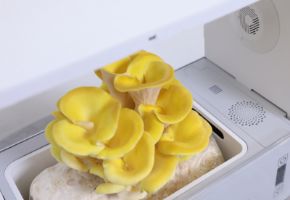
An interesting characteristic of Calvatia gigantea is its growth rate. Under optimal temperature and humidity conditions, this giant fungus can grow several centimeters per day, going from a barely visible size to a specimen 20-30 centimeters in diameter in the course of a single week. This rapid growth is made possible by the internal osmotic pressure of the fungus, which pushes the tissues outward continuously, and by the ability of the mycelium to rapidly absorb and metabolize the nutrients available in the soil. For those wishing to delve deeper into the mechanisms of fungal growth, NatureNext.eu offers cultivation kits that allow you to observe these phenomena directly from home.
Taxonomic aspects and classification
The scientific classification of Calvatia gigantea has undergone numerous revisions over the centuries, reflecting the evolution of mycological systematics and the introduction of new analytical techniques. Understanding the taxonomy of this species is not a purely academic exercise: correct classification is fundamental for accurately identifying the fungus, distinguishing it from similar species that could be toxic or otherwise inedible. The taxonomic history of Calvatia gigantea is a fascinating journey through the history of mycology itself.
Scientific classification of Calvatia gigantea
In the currently accepted classification, Calvatia gigantea is placed in the following taxonomic framework: Kingdom Fungi, Division Basidiomycota, Class Agaricomycetes, Order Agaricales, Family Agaricaceae, Genus Calvatia, Species Calvatia gigantea. This placement reflects modern DNA-based phylogenetic analyses, which have confirmed the belonging of Calvatia gigantea to the large clade of Agaricales, the same order that includes fungi as diverse as the champignon (Agaricus bisporus), the parasol mushroom (Macrolepiota procera) and the amanitas.
| Taxonomic rank | Classification |
|---|---|
| Kingdom | Fungi |
| Division | Basidiomycota |
| Class | Agaricomycetes |
| Order | Agaricales |
| Family | Agaricaceae |
| Genus | Calvatia |
| Species | Calvatia gigantea (Batsch) Lloyd |
Synonyms and historical names: Lycoperdon giganteum, Langermannia gigantea, Bovista gigantea
One of the most complex aspects of the taxonomy of Calvatia gigantea is the multiplicity of synonyms that have been used over the centuries. What is Lycoperdon Giganteum? It is simply a historical synonym of Calvatia gigantea, proposed at a time when all puffball-shaped fungi were classified in the genus Lycoperdon. The name Lycoperdon giganteum was proposed by several authors before the differences between the various genera of "puffballs" were clarified by modern systematics. Lycoperdon giganteum and Calvatia gigantea refer to exactly the same species, and the former name is now considered an invalid homotypic synonym.
Another frequent synonym is Langermannia gigantea, a name that was used in some European floras to distinguish the large species from the genus Calvatia sensu stricto. The genus Langermannia is now considered a synonym of Calvatia by most authors, although some mycologists still recognize it as a separate genus. Similarly, Bovista gigantea is another historical synonym reflecting the difficulty of placing this fungus in the correct systematic position before the advent of molecular analyses.
What is Calvatia Maxima and what is the type species of Calvatia?
Another frequent question concerns Calvatia Maxima: what is it and how does it relate to Calvatia gigantea? In reality, Calvatia maxima is a name that has been used ambiguously in mycological literature. In some contexts, it has been proposed as a substitute name for Calvatia gigantea, while in others it refers to specimens of particularly large size. In most modern floras, Calvatia maxima is considered a synonym of Calvatia gigantea, and the name is no longer valid according to the International Code of Nomenclature for algae, fungi, and plants (ICN). It is important not to confuse Calvatia maxima with other species of the genus Calvatia that reach notable dimensions, such as Calvatia bovista or Calvatia craniiformis.
As for the type species of the genus Calvatia, it is Calvatia craniiformis (Schwein.) Fr., a North American species characterized by a shape resembling a skull, hence the specific name. The designation of the type species is important because it defines the reference point for the entire genus: when a mycologist describes a new species in the genus Calvatia, they implicitly compare it with Calvatia craniiformis to verify that the characteristics of the genus are satisfied. Calvatia gigantea shares with the type species the basal structure of the fruit body and the mechanism of dehiscence, but differs in its much larger size, more regularly spherical shape and gleba structure.
Distinctive taxonomic characteristics of the genus Calvatia
The genus Calvatia is distinguished from other genera of "puffballs" (Lycoperdon, Bovista, Handkea, etc.) by a combination of microscopic and macroscopic characters. Species of the genus Calvatia are characterized by a well-developed, fibrous subiculum (base), which often presents visible mycelial cords connecting the fruit body to the substrate. Furthermore, Calvatia species generally have a peridium that breaks irregularly at maturity, without forming a regular opening as happens in some Bovista species. The spores are typically spherical, smooth or finely ornamented, and the gleba does not present a clear differentiation between sterile subgleba and fertile gleba, or this differentiation is much less marked than in the genera Lycoperdon and Handkea.
The family Calvatia, placed within the broader Agaricaceae family, includes about 30-40 accepted species worldwide, with a predominantly temperate and boreal distribution. In addition to Calvatia gigantea, other notable species of the genus include Calvatia utriformis (the urn-shaped puffball), Calvatia cyathiformis (the purple puffball), and Calvatia excipuliformis (the cup-shaped puffball). Each of these species has its own morphological and ecological characteristics, but all share the fundamental biological cycle and spore dispersal mechanism typical of the genus.
Habitat and geographical distribution
Understanding where Calvatia gigantea is found and under what ecological conditions it thrives is essential both for those who wish to collect it and for those who want to study and protect it. The habitat of Calvatia gigantea is closely linked to the presence of stable meadows, pastures and edges of deciduous woods, where the soil is rich in decomposing organic matter and the herbaceous vegetation is periodically maintained by grazing or mowing. Calvatia gigantea is not a parasitic fungus: it is a saprophytic species, that feeds on dead organic matter present in the soil, actively contributing to the nutrient cycle in the ecosystems where it lives.
Habitat of Calvatia gigantea: ideal growing environments
The typical habitat of Calvatia gigantea is represented by permanent meadows and not excessively fertilized pastures, where the soil has a neutral or slightly basic pH and good water retention capacity. This giant fungus prefers clay-loam or clay-sandy soils, rich in humus, and tends to avoid soils that are too acidic, too sandy or excessively compact. The presence of grazing animal excrement is not a fundamental requirement, as it is for many Coprinus or Psathyrella species, but moderate natural fertilization can favor the development of the mycelium in the soil.
An environment particularly favorable for Calvatia gigantea is the edges of deciduous woods, where the transition between the open meadow area and the shaded woodland area creates an optimal microclimate characterized by high humidity, moderate temperature and availability of both herbaceous and woody organic material in decomposition. It is not uncommon to find Calvatia gigantea also in urban parks, historical gardens and sports fields, provided the soil and vegetation conditions are adequate. In these urban or peri-urban contexts, the white ball fungus can reach notable dimensions precisely because of the regularity of lawn maintenance and the availability of water through irrigation systems.
The ecology of Calvatia gigantea is closely linked to the dynamics of stable meadows, a habitat that in Europe is undergoing a significant reduction due to the abandonment of traditional agricultural practices, urbanization and the transformation of agricultural land. The disappearance of stable meadows represents one of the main threats to this species, since the mycelium in the soil needs temporal continuity to accumulate the resources necessary for fruiting.
Geographical distribution of Calvatia gigantea in the world
Calvatia gigantea has a cosmopolitan distribution, being present on all continents except Antarctica. In Europe, it is particularly common in temperate regions, from the Atlantic to the Urals, with a frequency of discovery decreasing towards the more arid Mediterranean regions and towards the colder boreal regions. In North America, the species is widespread throughout the continent, from southern Canada to Mexico, and is particularly abundant in the great prairies of the American Midwest, where soil moisture and temperature conditions are ideal for its growth.
In Asia, Calvatia gigantea is reported in China, Japan, Korea and in much of central and northern Asia. In some Asian traditional medicines, this fungus is used for its presumed hemostatic and wound-healing properties, although these applications have not been fully validated by modern scientific research. In Africa, the species is present in the mountain regions of eastern and southern Africa, while in South America it is reported in the temperate zones of Argentina and Chile.
| Geographical region | Presence of Calvatia gigantea | Prevailing habitat |
|---|---|---|
| Western and Central Europe | Very common | Meadows, pastures, parks |
| Southern Europe | Discontinuous, linked to mountain and humid areas | High-altitude meadows, woodland edges |
| North America | Common, abundant in the great prairies | Prairies, pastures, woodland edges |
| East Asia | Present, with traditional uses | Mountain meadows, cultivated fields |
| South America | Localized in temperate zones | Andean and Patagonian meadows |
| Australia and New Zealand | Introduced, naturalized | Meadows and pastures |
Where can Calvatia gigantea be found in Italy
Italy represents one of the European countries where Calvatia gigantea is most frequently observed, thanks to the diversity of its environments and the presence of extensive meadow areas both in the plains and in the mountains. Where can I find the puffball fungus in Italy? The answer is: practically throughout the peninsula, but with greater frequency in some specific regions. The areas of presence of Calvatia gigantea in Italy include the large Po Valley plains (particularly Piedmont, Lombardy and Emilia-Romagna), the hilly and mountainous areas of the Tuscan-Emilian Apennines, the grasslands of Trentino-Alto Adige and Veneto, and the humid zones of eastern Sardinia.
Where is the giant puffball found most regularly in Italy? Undoubtedly in the mountain and pre-Alpine areas of Trentino, where stable meadows are still well preserved and summer climatic conditions (regular rainfall, moderate temperatures, high relative humidity) favor massive fruiting of the species. In particular, the giant fungi found in Val di Fiemme have made news several times for their exceptional dimensions: specimens of Calvatia gigantea with diameters exceeding 50 centimeters have been documented repeatedly in this Trentino valley, attracting the attention of national and international media.
In the Po Valley, Calvatia gigantea is found mainly in river parks, nature reserves and uncultivated meadows that have escaped agricultural intensification. The Bergamo, Mantua and Ferrara provinces are areas where the species is reported with good frequency. Protected areas represent an important refuge for Calvatia gigantea, since in these contexts land management practices are generally more compatible with the conservation of meadow habitats.
Life cycle and development
The biological cycle of Calvatia gigantea is a fascinating process that takes place largely invisibly, beneath the soil surface, only to manifest itself in all its spectacularity with the appearance of the fruit body. Understanding the life cycle of Calvatia gigantea means entering the heart of the biology of this giant fungus and discovering the mechanisms that allow an organism without roots, without leaves and without flowers to reach such impressive dimensions in such a short time.
From spore to mycelium: the invisible phase of Calvatia gigantea
The life cycle of Calvatia gigantea begins when a spore, carried by the wind or by an animal, lands on a suitable substrate. The spore, which is the sexual reproductive structure of the fungus, is extremely resistant and can remain viable in the soil for months or even years, waiting for optimal conditions for germination. Germination of the Calvatia gigantea spore occurs in the presence of high humidity and mild temperatures (optimal between 18°C and 25°C), and produces a microscopic filament called a primary hypha, which is generally haploid (contains a single set of chromosomes).
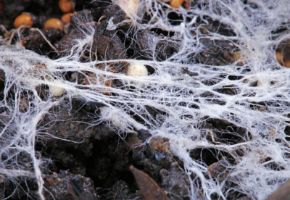
The primary hypha grows in the soil, exploring the surrounding environment in search of nutrients and a compatible partner for sexual reproduction. In species of Basidiomycota, to which Calvatia gigantea belongs, sexual reproduction occurs through the fusion of two compatible primary hyphae (dicaryotization), which generates a secondary dicaryotic hypha, containing two nuclei per cell. It is the dicaryotic hypha that constitutes the true vegetative mycelium of the fungus, the structure that grows in the soil, absorbs nutrients and accumulates the resources necessary for fruiting.
The mycelium of Calvatia gigantea can grow in the soil for months or even years before producing a fruit body. During this phase, the mycelium extends in the soil forming a network of hyphae that can cover an area of several square meters, although this extension is generally less than that of ectomycorrhizal fungi (symbiotic fungi of tree roots). The mycelium of Calvatia gigantea is saprophytic: it feeds by decomposing the organic matter present in the soil, such as plant residues, wood fragments, dead roots and other decomposing material.
Growth and fruiting phase of Calvatia gigantea
Fruiting of Calvatia gigantea is triggered by a combination of environmental factors: an increase in soil moisture (often associated with abundant rainfall), mild temperature, and possibly a change in nutrient availability. When conditions are favorable, the mycelium concentrates its resources in one or more fruiting points, where the primordium of the fruit body begins to form. The primordium of Calvatia gigantea is a microscopic structure, a few millimeters in size, which already contains all the cells that will give rise to the adult giant fungus.
The growth phase of Calvatia gigantea is one of the most spectacular in the fungal kingdom. Under optimal conditions, the fruit body can grow by 3-5 centimeters per day, going from a size of a few millimeters to a specimen 30-40 centimeters in diameter within 7-10 days. This extremely rapid growth is possible thanks to the hydration and turgor pressure of the fungal cells, which expand by absorbing water from the soil and surrounding tissues. The fruit body does not increase the number of cells during this expansion phase: the cells present in the primordium elongate and swell, but do not actively divide.
The maturation of Calvatia gigantea continues with the internal differentiation of the gleba. In the early stages of growth, the entire interior of the fruit body consists of white, homogeneous tissue. As the fungus matures, the cells of the gleba differentiate into basidia (the structures that produce the spores) and sterile support cells. The basidia of Calvatia gigantea are clavate (club-shaped) structures, bearing on their surface four sterigmata, each of which produces a single spore. This spore maturation process can last from a few weeks to several months, depending on environmental conditions.
Dehiscence and spore dispersal
The final phase of the life cycle of Calvatia gigantea is dehiscence, that is, the opening of the fruit body and the release of spores. This process begins when the peridium weakens and breaks, generally in the apical part of the fungus, creating an opening through which the spores can be dispersed. Spore dispersal of Calvatia gigantea occurs mainly through the wind: every time a gust of wind hits the open fruit body, a cloud of spores is released into the air, creating the "puff" effect that has given the common English name "puffball" to these fungi.
A single large specimen of Calvatia gigantea can produce several billion spores (up to 7-8 trillion according to some estimates), a reproductive strategy that compensates for the very low probability that a single spore will find the right conditions to germinate and develop into a new organism. The spores of Calvatia gigantea are extremely light and can be carried by the wind over distances of several kilometers, although the majority of them settle within a few tens of meters from the mother fruit body. Spore dispersal can also be favored by the passage of animals that brush against or step on the mature fruit body, or by driving rain that agitates the mass of spores inside the fungus.
After complete spore dispersal, the fruit body of Calvatia gigantea remains on the ground as an empty, fragile structure, the dry peridium, often partially collapsed. This residual structure can persist in the meadow for weeks or months, a silent testimony to the presence of this giant fungus. The mycelium in the soil, however, remains viable and can produce new fruit bodies in subsequent years, if conditions allow.
How to recognize puffballs and distinguish Calvatia gigantea
Correct identification of Calvatia gigantea is a fundamental skill for every mycology enthusiast, and requires knowledge of both the distinctive characters of the species and those of the species with which it can be confused. How to recognize puffballs in general and Calvatia gigantea in particular? The answer requires a systematic approach that considers size, shape, surface, gleba color, habitat and, when necessary, microscopic characters.
Fundamental diagnostic characters of Calvatia gigantea
The first character that distinguishes Calvatia gigantea from all other puffball species is, of course, size. While most species of the genus Lycoperdon have fruit bodies 2-8 centimeters in diameter, and species of the genus Bovista rarely exceed 10 centimeters, Calvatia gigantea regularly produces fruit bodies 20-50 centimeters, with exceptional cases exceeding 70 centimeters. It is important to emphasize that young specimens of Calvatia gigantea can be modest in size (5-10 centimeters), and at this stage they could be confused with other large puffball species such as Calvatia utriformis or Handkea excipuliformis.
The second fundamental diagnostic character is the regular spherical shape of the fruit body. Calvatia gigantea is one of the few perfectly round ball-shaped fungi, without significant flattening, elongation or irregularities. Other large puffball species tend to have more irregular shapes: Calvatia utriformis is pear-shaped or urn-shaped, with a narrowed base; Handkea excipuliformis is elongated and clavate, with an apical fertile part and an elongated sterile base; Bovista plumbea is spherical but much smaller and with a peridium that detaches entirely at maturity.
The third essential character is the color and consistency of the internal gleba. In young Calvatia gigantea, the gleba is completely white, compact, without chambers, cavities or differentiations. Cutting the fungus in half yields a smooth, uniform cut surface, with the consistency of fresh ricotta or soft cheese. If the gleba shows any trace of yellow, green, purple or brown, the fungus is no longer at its optimal stage for consumption, although it is not necessarily toxic. The gleba of Calvatia gigantea never shows a distinct subgleba (a sterile, compact basal zone), which instead is present in many Lycoperdon species.
Similar species and possible confusions: the poisonous puffball
The most dangerous confusion for collectors of Calvatia gigantea concerns species of the genus Scleroderma, commonly known as "poisonous puffballs" or "hard puffballs". Scleroderma citrinum (the yellow puffball) and Scleroderma verrucosum (the warted puffball) are species that can reach sizes of 5-15 centimeters and, seen from the outside, might resemble a small Calvatia gigantea. However, the differences between Calvatia gigantea and Scleroderma are clear and easily verifiable if you know what to look for.
The first difference is in the surface of the peridium: Scleroderma species have a rough, leathery surface, often mottled or scaly, with colors ranging from yellow-ochre to dark brown, while Calvatia gigantea has a smooth or finely granular surface, white-cream in color. The second difference, even more important, is in the internal gleba: cutting a Scleroderma, the gleba appears compact but dark purple, grayish-purple or black, with a radiate structure visible to the naked eye, while Calvatia gigantea has a white gleba. Dark purple gleba is an absolute red flag: it indicates that it is almost certainly a Scleroderma species, which contains gastrointestinal toxins and should not be consumed under any circumstances.
Other possible confusions of Calvatia gigantea concern larger species of the genus Scleroderma, such as Scleroderma bovista, which can reach 20 centimeters in diameter. Even in this case, the dark purple internal gleba and the much harder, leatherier consistency of the peridium allow distinguishing this species from Calvatia gigantea. A simple longitudinal cut of the fungus is sufficient to clarify any doubt: if the inside is white, it is very likely a Calvatia gigantea; if it is dark purple, it is a Scleroderma and should not be consumed.
White ball fungus and white ball fungus: how to call Calvatia gigantea
The popular names of Calvatia gigantea are numerous and vary from region to region. What is the white ball fungus? It is simply a descriptive way to refer to Calvatia gigantea (or, more generally, to any white-colored puffball species). What is the white ball fungus? The masculine form is less common but is found in some Italian dialects. What is the white ball fungus? Still another variant of the same popular name, which highlights the most evident characteristic of the fungus: its spherical shape and its white color.
In English, the most common name is "giant puffball", but "giant mushroom", "giant ball fungus" and simply "puffball" are also found. In German, it is called "Riesenbovist" (giant puffball), in French "vesce géante" or "langermannia géante", and in Spanish "puffball gigante" or "calvacia gigante". Regardless of the name used, it is always important to verify the scientific identity of the species before any consumption or use.
Uses and applications of Calvatia gigantea
Calvatia gigantea is a fungus with a surprising variety of uses, ranging from food to traditional medicine, from scientific research to artisanal applications. Knowing the uses of Calvatia gigantea means fully appreciating the value of this extraordinary organism, which is not only a visual spectacle but a concrete resource for human beings.
Food use of Calvatia gigantea
The food use of Calvatia gigantea has been documented for centuries in many European and North American cultures. The giant puffball is edible, and many collectors consider it an excellent find, comparable in quality to the porcino or the parasol mushroom. The fundamental condition for food consumption is that the gleba is completely white, compact, without any trace of yellow, green, brown or dark coloring. This rule is absolute and admits no exceptions: if the gleba is not white, the fungus should not be consumed.
What does Calvatia gigantea taste like? The flavor is delicate, slightly sweetish, with notes reminiscent of champignon but with greater aromatic complexity. The texture is soft, porous and slightly elastic, different from that of any other edible fungus. Some collectors describe the flavor as a cross between the meadow mushroom and fresh breadcrumbs, with a slightly nutty aftertaste that becomes more evident after cooking. It is not the best-tasting fungus in absolute terms (a title that many mycologists assign to the porcino, Boletus edulis), but it is certainly a very pleasant and versatile fungus in the kitchen.
The nutritional value of Calvatia gigantea is comparable to that of other edible fungi: rich in water (about 85-90%), low in fat and calories, contains good quality proteins, dietary fibers, B vitamins (particularly B2, B3 and B5), minerals such as potassium, phosphorus, selenium and copper, and bioactive compounds with antioxidant and anti-inflammatory properties. Calvatia gigantea also contains chitin, a prebiotic fiber that promotes intestinal microbiota health, an aspect that makes it interesting also from a nutraceutical point of view.
Medicinal properties of Calvatia gigantea
The medicinal properties of Calvatia gigantea have been studied in various medical traditions, from European folk medicine to traditional Chinese pharmacology. The best-known and best-documented medicinal use of Calvatia gigantea concerns its hemostatic properties: the spore powder of Calvatia gigantea has traditionally been used to stop external bleeding, particularly nosebleeds (epistaxis), skin wounds and ulcerations. The spores of Calvatia gigantea have an absorbent and coagulant effect that makes them effective as a first-aid hemostatic agent.
In traditional Chinese medicine, Calvatia gigantea (known as "Mǎ Bǎo" or "Mǎ Bō") is used for the treatment of disorders of the throat, larynx and respiratory tract. The spores are used in the form of a decoction or powder to relieve cough, reduce inflammation of the oropharyngeal mucous membranes and treat hoarseness. These traditional uses have stimulated modern scientific research, which has identified in Calvatia gigantea several compounds with anti-inflammatory activity, including calvatic acid and other secondary metabolites.
Scientific research on Calvatia gigantea has also explored its potential antitumor properties. Some in vitro studies have shown that extracts of Calvatia gigantea can inhibit the growth of some tumor cell lines, although these results are preliminary and have not yet been translated into clinical applications. It is important to emphasize that Calvatia gigantea is not a medicinal fungus like Reishi (Ganoderma lucidum) or the Tibetan fungus, and its therapeutic effects are much less studied and documented. However, research on this fungus continues and may hold surprises in the future.
Traditional and scientific applications of Calvatia gigantea
In addition to food and medicinal uses, Calvatia gigantea has found application in a series of less well-known but no less interesting traditional applications. In some European regions, the dried peridium of Calvatia gigantea was used as a material for lighting fires, thanks to its ability to absorb and retain moisture and to burn slowly. The spores of Calvatia gigantea have been used as an anti-blocking powder in the manufacture of latex gloves and as an anti-adherent agent in some industrial applications, thanks to their extreme fineness and their ability to reduce friction between surfaces.
In the field of scientific research, Calvatia gigantea has been used as a model organism for studies on the developmental biology of fungi, on the population genetics of saprophytic fungi, and on the ecology of fungal communities in stable meadows. The rapid growth of the fruit body of Calvatia gigantea makes it an ideal system for studying the cellular and molecular mechanisms that control the expansion of fungal tissues. Furthermore, the massive production of spores by a single specimen offers a unique opportunity for studies on population genetics and the dispersal of fungal propagules.
Giant puffball: recipes and preparations in the kitchen
Cuisine with Calvatia gigantea represents a world of culinary possibilities that few fungi can match for versatility and surprise. Giant puffball recipes are numerous and varied, and reflect the creativity of cooks who have discovered the potential of this unique ingredient. From the simplest of preparations to haute cuisine creations, Calvatia gigantea always manages to surprise.
Basic preparation: how to cut and clean Calvatia gigantea
Before any preparation, it is essential to verify that Calvatia gigantea is in optimal condition for consumption: the gleba must be completely white, compact and without defects. The first step is to remove the outer peridium, which can be done with a sharp knife: cut the fungus in half and separate the gleba from the peridium, discarding the latter. The gleba thus obtained can be cut into slices, cubes, julienne strips or reduced to powder, depending on the chosen recipe.
An important tip: Calvatia gigantea absorbs liquids and fats like a sponge, due to its porous structure. For this reason, it is advisable not to use too much sauce or too much oil in preparations, and to prefer cooking methods that allow the fungus to maintain its consistency without becoming watery. Calvatia gigantea does not require pre-cooking (it is not necessary to blanch it before use), but it must be cooked adequately to eliminate any surface contaminants and to fully develop its flavor.
Classic recipes with Calvatia gigantea
The most classic and appreciated recipe with Calvatia gigantea is undoubtedly the "giant puffball cutlet": slices of gleba about 1 centimeter thick are dipped in flour, beaten egg and breadcrumbs, then fried in plenty of oil until golden brown. The result is surprising: the consistency of the breaded slice incredibly resembles that of a real veal cutlet, with a delicate and pleasant flavor that wins over even the most distrustful palates. This preparation is particularly appreciated in the Veneto and Trentino regions, where Calvatia gigantea is historically more abundant.
Another classic preparation is Calvatia gigantea sautéed with garlic and parsley: the gleba cut into cubes is sautéed in a pan with garlic, extra virgin olive oil, fresh parsley, salt and pepper. The sautéed preparation enhances the natural flavor of the fungus and can be used as a seasoning for pasta, risotto, polenta or as a side dish. Grilled Calvatia gigantea is another simple and effective preparation: slices about 2 centimeters thick are grilled over hot coals, seasoned with oil, salt, pepper and a little thyme or rosemary. Grilling gives the fungus a smoky flavor that pairs well with its natural sweetness.
For the more creative, Calvatia gigantea also lends itself to more elaborate preparations: as an ingredient in stuffings for ravioli and tortelli, as a base for veloutés and creams, as a substitute for mozzarella on pizza (its texture when hot surprisingly resembles that of melted cheese), or even as an ingredient in savory desserts. Dried Calvatia gigantea powder is an exceptional seasoning that can be used to flavor risottos, pasta, meats and vegetables, adding a touch of umami flavor that enriches any dish.
Preservation of Calvatia gigantea
The preservation of Calvatia gigantea follows the same rules valid for other fresh fungi, with some peculiarities linked to the porous structure of its gleba. The simplest method is refrigeration: the gleba, wrapped in absorbent paper and placed in a closed container, keeps fresh for 3-5 days at a temperature of 2-4°C. Freezing raw Calvatia gigantea is not recommended, because its cellular structure is significantly altered by freezing, making it mushy and unpleasant after thawing.
Much better is drying: the gleba cut into thin slices (3-5 millimeters) can be dried in the sun, in an electric dryer or in the oven at low temperature (40-50°C) until completely dry and crumbly. Dried Calvatia gigantea keeps for months or even years in airtight containers protected from light and moisture. Before use, the dried slices can be rehydrated in warm water for 20-30 minutes, or reduced to powder with a mortar or food processor and used as a seasoning.
Food safety: is Calvatia gigantea poisonous?
The question of the toxicity of Calvatia gigantea is probably the most common concern among those who encounter this fungus for the first time. And the answer is clear and unequivocal: no, Calvatia gigantea is not poisonous. However, this statement requires some important clarifications that every collector must know to avoid risks.
Is Calvatia gigantea poisonous? The scientific answer
Calvatia gigantea does not contain known toxins, and there are no documented cases in the scientific literature of poisoning attributable to the consumption of this correctly identified species. Calvatia gigantea is considered safe for human consumption by all major mycological and food safety authorities, provided that two fundamental rules are followed: the gleba must be completely white and compact, and the fungus must have been certainly identified as Calvatia gigantea and not as a similar species.
The risk of confusing Calvatia gigantea with a poisonous species is real but easily avoidable. As discussed in the identification section, the main species with which Calvatia gigantea can be confused is Scleroderma citrinum, the poisonous puffball. The poisonous puffball contains sclerocitrin and other toxic compounds that cause more or less severe gastrointestinal disturbances (nausea, vomiting, diarrhea, abdominal cramps), but which are rarely life-threatening. Cutting the fungus is sufficient to distinguish the two species: white gleba = Calvatia gigantea (edible), dark purple gleba = Scleroderma (toxic). This simple rule can save you from an unpleasant experience.
Another aspect of the food safety of Calvatia gigantea concerns the consumption of specimens that are no longer at their optimal stage. If the gleba begins to yellow or turn grey, the fungus is no longer pleasant to the palate and may cause mild digestive upsets, not because it contains toxins, but because the decomposition processes underway can produce compounds that irritate the stomach and intestines. The golden rule is always: white gleba = yes, colored gleba = no.
The royal fungus, the Tibetan fungus and other nomenclatural confusions
Another source of confusion for non-experts is the similarity between the popular names of very different fungi. The royal fungus (Boletus edulis, the porcino) has nothing to do with Calvatia gigantea, except for being an appreciated edible fungus. The Tibetan fungus (which generally refers to water kefir or certain Asian medicinal fungi) is also completely different from Calvatia gigantea. It is essential to always use the scientific name when talking about fungi, to avoid ambiguities that could have consequences for safety.
What is the largest porcino in the world? This is a record that does not compete with Calvatia gigantea: the largest documented porcini reach weights of 2-3 kilograms, which is impressive for a Boletus but modest compared to the 20+ kilograms of a large Calvatia gigantea. The two fungi belong to different orders (Agaricales for Calvatia, Boletales for the porcino) and cannot be confused even remotely. The porcino has a cap, a stem, tubes and pores under the cap; Calvatia gigantea is a sphere without a stem or cap. The distinction is obvious to anyone with even minimal familiarity with fungi.
Giant fungi in the world: records and curiosities
The world of giant fungi is a fascinating universe that goes well beyond Calvatia gigantea. What is the largest fungus in the world? The answer depends on how "large" is defined: if total organism biomass is measured, the absolute record belongs to Armillaria ostoyae (or Armillaria solidipes), a parasitic root fungus found in the Malheur National Forest in Oregon (USA), which covers an area of about 9.6 square kilometers and is estimated to be 2,400-8,650 years old. This is not a single fruit body, but a single genetic individual consisting of a network of interconnected underground mycelium, which produces thousands of fruit bodies (the classic autumn "honey mushrooms") on the surface.
What is the largest fungus in the world by single fruit body?
If the question concerns the largest single fruit body (that is, the "fruit" of the fungus, the visible reproductive structure), Calvatia gigantea is a strong candidate for the record among terrestrial fungi. The largest documented puffball in the world is a specimen of Calvatia gigantea found in Germany in the 2010s, with a diameter of about 70 centimeters and an estimated weight of over 20 kilograms. There are also unverified reports of even larger specimens, but without photographic documentation or certified measurements these cases cannot be considered official records.
What is the largest fungus that has ever existed? If we extend the search to the geological past, there are fossils of giant fungi that far exceed any living species. The best known is Prototaxites, a fungal organism from the Devonian (about 400 million years ago) that could reach a height of 8 meters and a diameter of 1 meter, forming tree trunk-like structures. Prototaxites was long considered a tree or an alga before isotopic analyses confirmed its fungal nature. However, it is not strictly comparable to Calvatia gigantea, since its structure and ecology were completely different.
Giant fungi found in Val di Fiemme and other Italian records
Val di Fiemme, in Trentino, has become in recent years a sort of "Italian capital" of giant fungi, with several findings of Calvatia gigantea of exceptional dimensions that have made the rounds of national media. The giant fungi found in Val di Fiemme include specimens of Calvatia gigantea with diameters of 40-60 centimeters and weights of 10-15 kilograms, found in stable meadows at altitudes between 1,000 and 1,400 meters. These exceptional specimens are the result of particularly favorable microclimatic conditions: deep, humus-rich soils, constant humidity during the summer, and traditional meadow management that maintains the ideal habitat for the species.
In addition to Calvatia gigantea, other notable fungi have been documented in Italy: specimens of Macrolepiota procera (parasol mushroom) with caps 40-50 centimeters in diameter, giant boletes of the genus Boletus of 3-4 kilograms, and even specimens of Amanita caesarea (Caesar's mushroom) with caps 25-30 centimeters. The exceptional dimensions of these fungi are generally correlated with the age of the mycelium, the richness of the substrate and the favorability of the climatic conditions in the year of fruiting.
What are the white ball-shaped fungi?
In addition to Calvatia gigantea, there are several species of white ball-shaped fungi in Italy that could be confused with it. The most common are: Bovista plumbea (small, 2-5 cm, peridium that detaches entirely), Lycoperdon perlatum (with small spines on the surface, 3-7 cm), Lycoperdon umbrinum (darker, 3-8 cm), Calvatia excipuliformis (pear-shaped, 8-20 cm), and Handkea utriformis (urn-shaped, 8-15 cm). Calvatia gigantea is distinguished from all these species by its much larger size, perfect spherical shape and smooth or finely granular surface.
Conservation and threat status
The conservation of Calvatia gigantea is a topic that is becoming increasingly important in the field of conservation biology and the protection of fungal biodiversity. Although this species is not currently classified as threatened at the global level, the trends observed in many European regions suggest a possible decline in populations linked to the loss and degradation of meadow habitats.
Conservation status of Calvatia gigantea
In the IUCN Red List (International Union for Conservation of Nature), Calvatia gigantea has not yet been officially assessed, which means that there is no official classification of its extinction risk at the global level. However, at the national level, several regional Red Lists include this species with varying risk categories. In some European regions, Calvatia gigantea is classified as "Near Threatened" or "Vulnerable" due to the decline of stable meadows and agricultural intensification.
In Italy, the situation of Calvatia gigantea varies from region to region. In the Alpine and pre-Alpine areas, where stable meadows are still relatively well preserved, the species appears relatively common and stable. In the plain areas, where intensive agriculture has transformed most meadows into cultivated fields, Calvatia gigantea has become significantly rarer and populations are often fragmented and isolated from each other. This fragmentation of populations is a risk factor, as it reduces the possibility of genetic exchange between different populations and makes isolated populations more vulnerable to stochastic events (droughts, diseases, fires).
Main threats to Calvatia gigantea
The main threats to Calvatia gigantea are all linked to the modification and destruction of its natural habitat. The first and most important threat is the conversion of stable meadows into intensive agricultural land: when a meadow is plowed and sown with crops, the mycelium of Calvatia gigantea living in the soil is destroyed, and the habitat necessary for the fruiting of the species is eliminated. This threat is particularly serious in the Po Valley, where agricultural pressure is highest.
The second significant threat is the use of pesticides and chemical fertilizers in meadows and pastures. Fungicides, even if not used specifically against saprophytic fungi, can have negative side effects on the mycelium in the soil, altering the balance of microbial and fungal communities. Nitrogen fertilizers, on the other hand, can favor the growth of a few dominant grass species at the expense of the floristic diversity of the meadow, indirectly reducing the availability of diversified organic substrate for the mycelium of Calvatia gigantea.
Other threats include urbanization (the transformation of meadows into urbanized areas), abandonment of mountain meadows (which leads to colonization by shrubs and trees, modifying the microclimate and soil vegetation), and climate change (which can alter the regularity of rainfall and soil temperature, making fruiting conditions less predictable). The protection of the giant fungus inevitably passes through the protection of its habitat, and this requires land management policies that value stable meadows as ecosystems to be conserved and not as "useless areas" to be converted.
Monitoring and protection programs for Calvatia gigantea
Are there monitoring programs for this species? In some European regions, yes. In Switzerland, for example, Calvatia gigantea is included in the fungal monitoring program ("Pilzmonitoring Schweiz"), which collects data on the distribution and abundance of fungal species throughout the country. In Italy, the monitoring of Calvatia gigantea is mainly entrusted to local mycological groups and naturalistic associations, which report findings through online platforms and regional databases. The lack of a coordinated monitoring program at the national level is a gap that makes it difficult to accurately assess the trend of the Italian populations of the species.
To contribute to the conservation of fungal biodiversity, every collector can do their part by reporting findings of Calvatia gigantea to local mycological associations, avoiding collecting specimens not necessary for consumption, and respecting regional laws on mushroom collection (which in many Italian regions provide daily and size limits for collection). The conservation of Calvatia gigantea is everyone's responsibility: mycologists, collectors, farmers, public administrators and ordinary citizens.
Tools and resources for collection and study
For those who wish to approach the world of Calvatia gigantea in a serious and responsible way, it is important to have the right tools and know the available resources. Whether you are professional mycologists, enthusiasts, chefs or nature photographers, the right tools make the difference between a rewarding and a frustrating experience.
Tools for collecting Calvatia gigantea
The collection of Calvatia gigantea requires specific tools, different from those used for collecting stemmed and capped fungi. A sharp knife with a curved blade is essential for cutting the fungus at the base, separating it from the substrate without damaging either the fruit body or the mycelium in the soil. A soft brush (natural bristle or nylon) is used to remove soil and plant debris from the peridium surface. A wicker basket is the ideal container for transport: its open structure allows the fungus to breathe and prevents the formation of condensation that could accelerate deterioration.
For the better-equipped enthusiasts, a magnifying glass (10x-20x) is useful for examining the peridium surface and verifying the absence of characteristics that might indicate a species other than Calvatia gigantea. A portable scale allows recording the weight of collected specimens (which can be an interesting data point for species monitoring), and a tape measure for measuring diameter. A photographic mycology guide is always advisable, even for experienced collectors, as a quick field reference.
Resources for the study and photography of Calvatia gigantea
For biologists and researchers studying Calvatia gigantea, essential resources include optical microscopes for examining spores and tissues, DNA extraction kits (for phylogenetic analyses), and access to mycological databases such as Index Fungorum, MycoBank and the British Mycological Society Database. Molecular analyses have revolutionized fungal taxonomy, and Calvatia gigantea has been the subject of several phylogenetic studies that have clarified the relationships between the different genera of "puffballs".
For influencers and nature photographers wishing to document Calvatia gigantea, recommended resources include a macro lens for surface and gleba details, a sturdy tripod for shooting in low light conditions (typical of meadows in the early morning), and a drone for aerial shots showing the fungus in the context of its landscape. Calvatia gigantea is an exceptional photographic subject: its spherical shape, its size and the contrast between the white of the peridium and the green of the meadow create images of great visual impact.
Laws on the collection of Calvatia gigantea in Italy
The collection of Calvatia gigantea in Italy is regulated by regional laws on the collection of epigeal fungi, which vary significantly from region to region. In general, all Italian regions require possession of a collector's permit (free or for a fee, depending on the region) and establish quantitative limits for daily collection (generally 3-5 kg per person). Some regions also establish minimum size limits for collected fungi, to protect young specimens and ensure spore dispersal.
For Calvatia gigantea, it is important to check the specific regional regulations, as some regions may apply particular rules for large fungi. In some regions, the collection of specimens exceeding certain dimensions may be subject to restrictions or require prior notification to the forestry authorities. Respecting the law is not only a legal obligation but also an act of ecological responsibility: collecting sustainably means ensuring that future generations can continue to enjoy the presence of this extraordinary fungus in our meadows.
Data, statistics and market surveys
The world of fungi, and in particular that of Calvatia gigantea, can also be analyzed through quantitative data and statistics that highlight its ecological, economic and cultural importance. In this section we present some relevant data that help place Calvatia gigantea in the broader context of the mushroom market and applied mycology.
The global mushroom market: data and trends
The global mushroom market is growing strongly, with an estimated value of about 50-60 billion dollars in 2024 and a projected growth of 9-10% annually until 2030. Growth is driven by both the food sector and that of medicinal fungi and supplements. Within this market, fresh wild fungi represent a niche but a high-value niche, with prices that can reach and exceed 30-50 euros per kilogram for the most prized species.
| Sector | Estimated value (2024) | Expected annual growth |
|---|---|---|
| Cultivated fungi (fresh) | ~45 billion USD | 8-9% |
| Medicinal fungi and supplements | ~12 billion USD | 11-13% |
| Wild fungi (fresh and dried) | ~3-4 billion USD | 6-8% |
| Substrates and cultivation kits | ~1.5 billion USD | 10-12% |
Specific data on Calvatia gigantea
There are no specific market statistics for Calvatia gigantea, which remains a niche fungus in the wild mushroom trade. However, some indicative data can be derived from information available on sales in farmers' markets, specialty food stores and specialized e-commerce platforms. The price of fresh Calvatia gigantea varies considerably depending on the region, seasonality and demand, but generally ranges between 10 and 25 euros per kilogram in Italian local markets, a price significantly lower than that of porcini but higher than that of cultivated champignon.
Regarding the geographical distribution of findings, data collected by Italian mycological associations suggest that Calvatia gigantea is reported most frequently in the regions of northern Italy (Trentino-Alto Adige, Veneto, Lombardy, Piedmont) than in those of central-southern Italy, with a ratio of about 3:1 between northern and southern reports. This distribution reflects the greater extent of stable meadows in the Alpine and pre-Alpine regions compared to the Mediterranean regions, where meadows are rarer and often replaced by garrigue and mountain pastures less favorable to the species.
| Parameter | Data |
|---|---|
| Average fruit body size | 20-40 cm in diameter |
| Maximum documented size | ~70 cm in diameter, >20 kg |
| Main fruiting period | July - October |
| Maximum growth rate | 3-5 cm/day |
| Number of spores per large specimen | 7-8 trillion (estimated) |
| Spore size | 3.5-5.5 micrometers |
| Edibility | Edible (only white gleba) |
| Toxicity | None (correct species) |
Market surveys on fungi in Italy
Italy is one of the main European markets for fungi, with a per capita consumption of cultivated fungi of about 3.5-4 kg per year and a wild mushroom market valued at about 200-300 million euros annually. The wild mushroom segment is growing, driven by the growing interest in natural, typical and seasonal products. In this context, Calvatia gigantea represents a niche opportunity for restaurateurs seeking unique ingredients and for traders operating in quality local markets.
Frequently Asked Questions (FAQ)
| Question | Answer |
|---|---|
How to distinguish Calvatia gigantea from other similar species? | |
What are the best times of year to find Calvatia gigantea? | |
Is it safe to consume Calvatia gigantea? | |
What tools are useful for collecting Calvatia gigantea? | |
Where can I find areas rich in Calvatia gigantea? | |
How to prepare Calvatia gigantea safely? | |
Which recipes pair well with Calvatia gigantea? | |
Where can I buy fresh Calvatia gigantea? | |
What are the nutritional benefits of Calvatia gigantea? | |
How to best preserve Calvatia gigantea? | |
What is the conservation status of Calvatia gigantea? | |
Which habitats are most favorable for the growth of Calvatia gigantea? | |
How can Calvatia gigantea be protected? | |
What are the main threats to Calvatia gigantea? | |
Are there monitoring programs for this species? | |
Where can I find authentic specimens of Calvatia gigantea? | |
How to identify a quality specimen of Calvatia gigantea for collection? | |
What is the best way to preserve collected fungi for a collection? | |
Are there certifications or authenticity documents for Calvatia gigantea? | |
How can I best photograph Calvatia gigantea in nature? | |
What curiosities can I share about the growth of Calvatia gigantea? | |
How can I educate the public about sustainable collection of Calvatia gigantea? | |
What are the laws on collecting Calvatia gigantea in Italy? |
Calvatia gigantea: much more than a simple fungus
Calvatia gigantea proves to be much more than a simple fungus of exceptional size: it is a true treasure trove of biological, ecological and culinary wonders that deserves to be known, respected and protected. Through this journey into its world, we have explored its unique morphology, its fascinating life cycle and its importance in meadow ecosystems, understanding how its presence is a valuable indicator of the health of traditional habitats.
We have seen how its correct identification is fundamental not only for its safe consumption, but also to avoid dangerous confusion with toxic species, and we have discovered the versatility of its culinary preparations, which make it a surprising and appreciated ingredient. However, its extraordinariness should not make us forget the threats looming over its populations, linked mainly to the loss of stable meadows and intensive agricultural practices.
Knowing Calvatia gigantea therefore also means taking on the responsibility of contributing to its conservation, through sustainable collection, respect for regulations and active participation in monitoring its populations. In an era in which biodiversity is increasingly threatened, this giant fungus represents a tangible symbol of nature's hidden richness, an invitation to look with new and aware eyes at the often overlooked world growing beneath our feet.
This article was developed with the support of artificial intelligence and subsequently reviewed, corrected, and validated by the NaturNext.eu technical team, which guarantees its reliability and compliance with official sources.
The kingdom of fungi is a continuously evolving universe, with new scientific discoveries emerging every year about their extraordinary benefits for intestinal health and general wellbeing. From now on, when you see a fungus, you will no longer think only of its flavor or appearance, but of all the therapeutic potential it holds within its fibers and bioactive compounds. ✉️ Stay connected - Subscribe to our newsletter to receive the latest studies on: Nature offers us extraordinary tools to take care of our health. Fungi, with their unique balance between nutrition and medicine, represent a fascinating frontier that we are only beginning to explore. Keep following us to discover how these extraordinary organisms can transform your approach to wellbeing.Continue your journey into the world of fungi