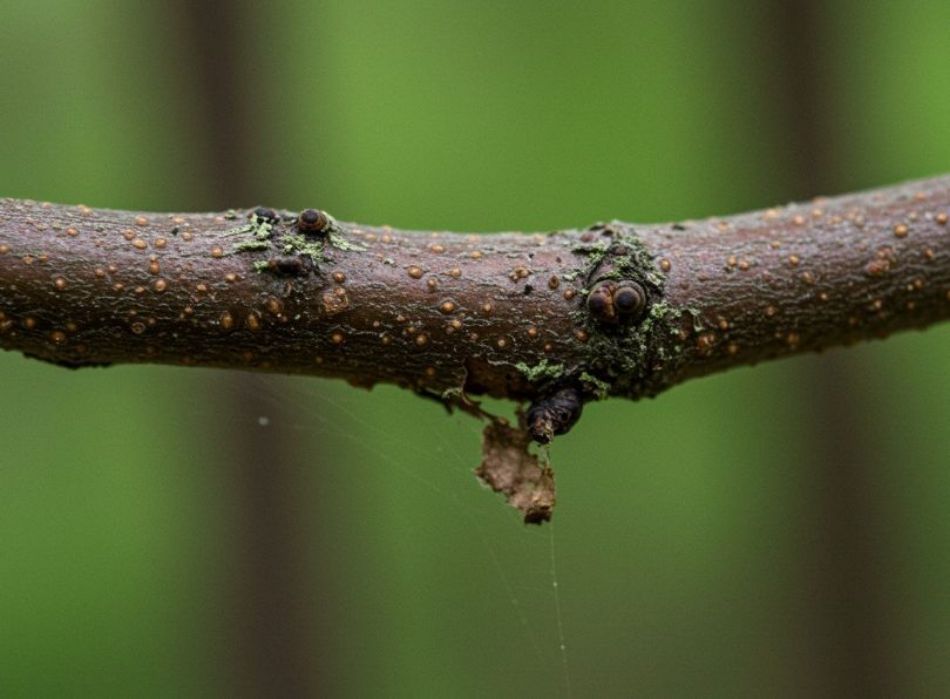
Fungi, often considered simple tree parasites, actually play a crucial role in the biological control of more aggressive pests. Through complex mechanisms of competition, production of secondary metabolites, and stimulation of plant defenses, "moderate" pathogenic fungi prevent the establishment of destructive pests that could cause the collapse of entire forest ecosystems.
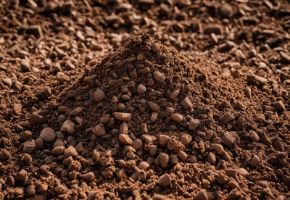
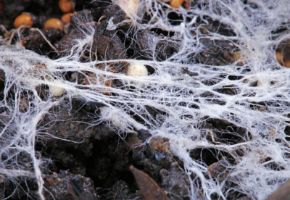
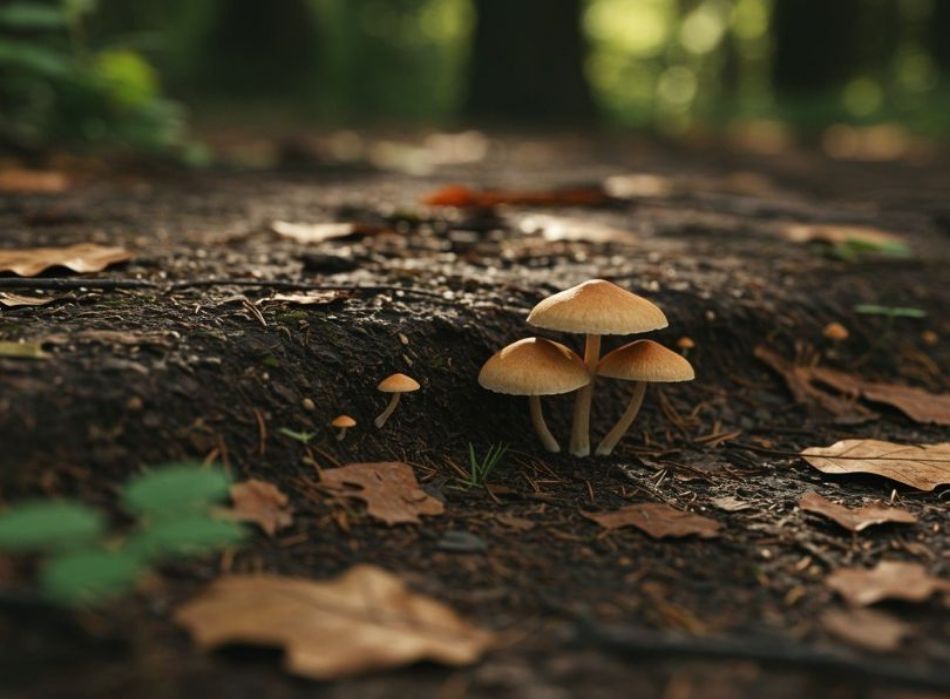
The interaction between soil geology and mushroom growth is a fundamental field for understanding fungal development. This article explores in depth how the geological characteristics of the substrate influence mycelium formation, fruiting, and mushroom quality, offering a detailed overview for mycologists, professional mycoculturists, and mushroom foraging enthusiasts. Through scientific data, comparative tables, and specific analyses, we will attempt to unravel the secrets of this symbiotic relationship that has characterized the fungal ecosystem for millennia.
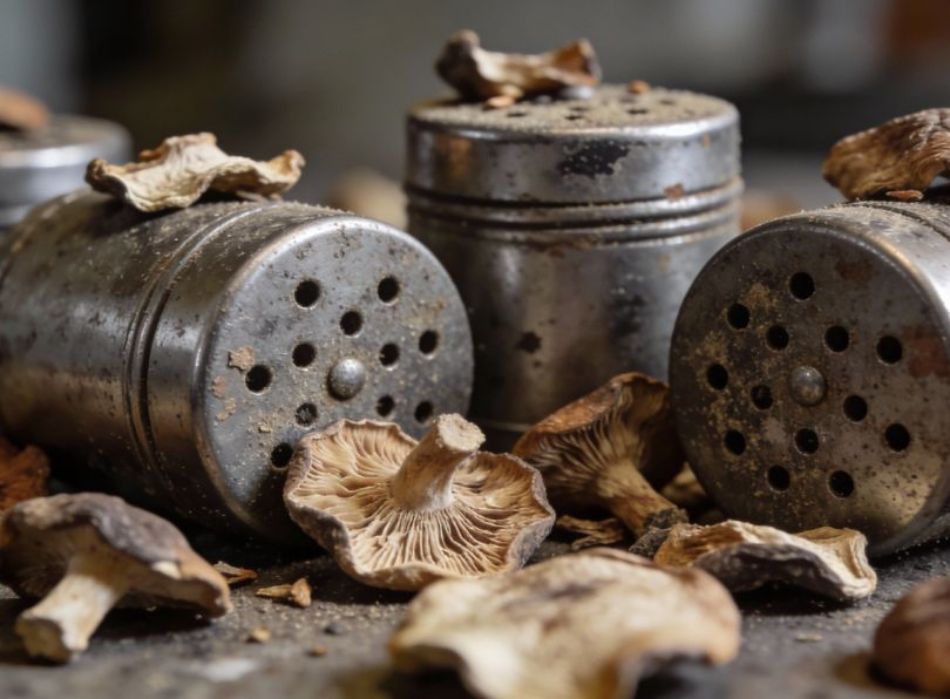
Today we'd like to introduce you to a useful tool for those who enjoy DIY: the grinder. In the vast and fascinating world of practical mycology, from harvesting to home cultivation, there's a crucial step following drying: reducing the mushroom to a more usable form. This is where this tool, often associated with other fields, comes in, but it's incredibly useful for the mushroom enthusiast.