



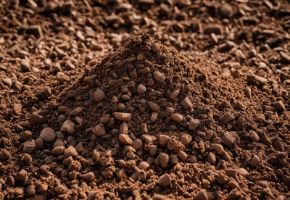
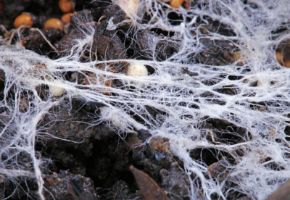

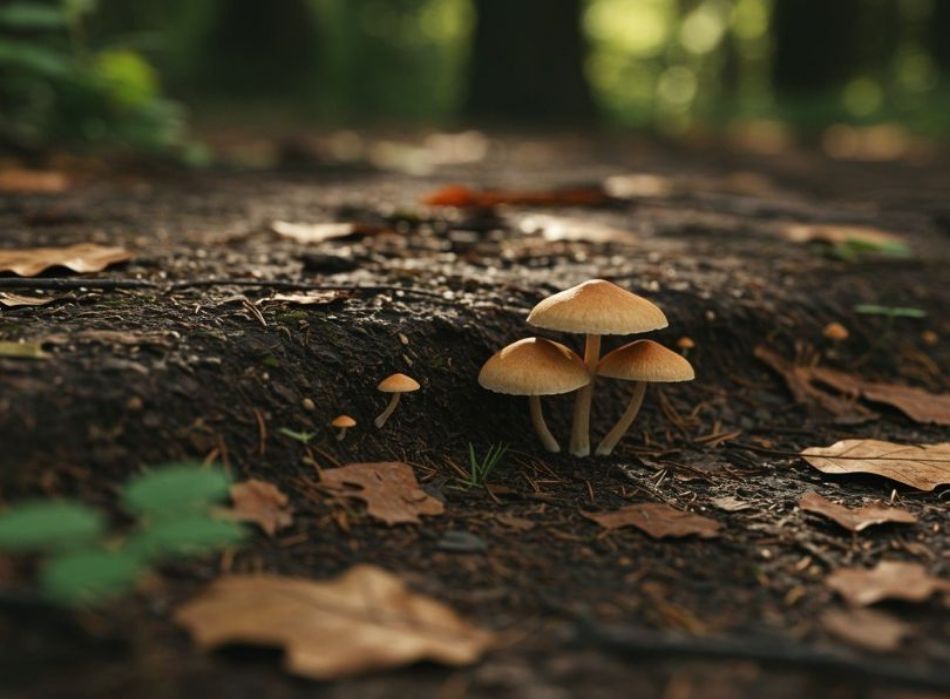
The interaction between soil geology and fungal growth represents a fundamental field for understanding fungal development. Today, we aim to deeply analyze how the geological characteristics of the substrate influence mycelium formation, fruiting, and mushroom quality, offering a detailed overview for mycologists, professional mushroom cultivators, and wild mushroom foragers. Through scientific data, comparative tables, and specific analyses, we will uncover the secrets of this symbiotic relationship that has characterized fungal ecosystems for millennia.
Geology and fungal growth
Before delving into the specific geological features that influence mushroom growth, it is essential to understand the basics of this complex relationship. Soil geology does not merely represent the "container" in which fungi grow, but rather a dynamic ecosystem that constantly interacts with the mycelium, influencing nutrient availability, substrate physical structure, and the microclimatic conditions essential for fungal development. This article aims to scientifically examine every aspect of this interaction, providing practical tools for cultivators and mycologists who wish to optimize their crops or better understand natural growth patterns.
Why geology is crucial for fungi
Fungi, as heterotrophic organisms, depend entirely on their substrate for nutrition. The geological composition of the soil determines not only which mineral elements are available but also how they are released over time. The porosity of parent rocks, sediment grain size, and the soil’s natural pH create specific conditions that favor or inhibit certain fungal species. Understanding these mechanisms is essential for anyone involved in applied mycology—from controlled cultivation to sustainable harvesting in natural environments.
Soil mineral composition and fungal nutrients
The mineral composition of the soil is the first and most important geological factor influencing fungal growth. Each type of parent rock releases a specific combination of minerals into the soil, which serve as essential nutrients for mycelial development. In this section, we will explore in detail how different minerals affect various stages of the fungal life cycle—from spore germination to fruiting.
Essential minerals for fungal growth
Although fungi do not perform photosynthesis, they require a wide range of mineral elements for their metabolism. Potassium, phosphorus, calcium, magnesium, and trace elements such as zinc, copper, and manganese are vital for enzymatic activity, cell wall structure, and reproductive processes. The availability of these elements is directly linked to the underlying parent rock and the pedogenetic processes that have transformed rock into soil over time.
Comparative table of mineral availability by parent rock
| Type of parent rock | Potassium (mg/kg) | Phosphorus (mg/kg) | Calcium (mg/kg) | Average pH | Prevalent fungal species |
|---|---|---|---|---|---|
| Granite | 120–180 | 15–30 | 200–400 | 4.5–5.5 | Boletus edulis, Cantharellus cibarius |
| Limestone | 80–120 | 20–40 | 1500–3000 | 7.0–8.0 | Morchella esculenta, Tuber magnatum |
| Basalt | 150–220 | 25–45 | 800–1200 | 6.0–7.0 | Agaricus bisporus, Pleurotus ostreatus |
| Sandstone | 60–100 | 10–25 | 100–300 | 5.0–6.0 | Lactarius deliciosus, Russula spp. |
As shown in the table, parent rock determines not only the absolute concentration of minerals but also the soil pH, which in turn affects solubility and thus bioavailability of elements. Limestone soils, for example, tend to be alkaline, favoring calcium availability but potentially limiting uptake of certain trace elements. Conversely, acidic granite soils enhance solubility of aluminum and iron—elements that, at moderate concentrations, can stimulate growth in some fungal species while inhibiting others.
Nutrient release dynamics
Nutrient availability is not constant over time but follows complex dynamics tied to rock weathering processes. Chemical, physical, and biological weathering of rocks gradually releases minerals into the soil, creating a continuous nutrient flow that fungi have evolved to exploit through sophisticated biological mechanisms. Mycorrhizal fungi, in particular, can accelerate this process by secreting organic acids and chelating agents that solubilize otherwise unavailable minerals.
| Weathering process | Granite (years) | Limestone (years) | Basalt (years) | Sandstone (years) |
|---|---|---|---|---|
| Surface weathering | 50–100 | 10–30 | 20–50 | 5–20 |
| Mature soil formation | 1000–3000 | 500–1500 | 800–2000 | 200–800 |
| Complete mineral release | 10,000+ | 5000–8000 | 7000–12,000 | 3000–6000 |
These geological timescales translate into substantial differences in fungal growth. Areas with rapidly weathering rocks, such as sandstones, tend to support more dynamic and diverse fungal communities, whereas granite areas—with slower release rates—favor species specialized in efficient nutrient uptake. This differentiation explains why certain species are tightly linked to specific geological substrates, a phenomenon known as "edaphic specificity", which has significant implications for both harvesting and cultivation.
Fungal nutrient uptake mechanisms
Fungi have developed various strategies to extract nutrients from geological substrates. Fungal hyphae can penetrate microscopic rock fractures, secreting lytic enzymes that break down silicate and carbonate minerals, releasing essential ions. This process, known as "biological weathering," not only provides nutrients to the fungus but also significantly contributes to pedogenesis, accelerating rock-to-soil transformation. Some studies have shown that mycorrhizal fungi can increase rock weathering rates by up to 50% compared to purely abiotic processes.
Soil physical structure and mycelial development
Beyond chemical composition, the physical structure of the soil—largely determined by its geological origin—plays a crucial role in fungal development. Soil texture, porosity, water retention capacity, and bulk density create the physical environment in which mycelium expands and forms fruiting bodies. In this section, we will analyze how different structural characteristics influence fungal growth at both microscopic and macroscopic levels.
Soil texture and hyphal growth
Soil texture—the particle size distribution within the soil—directly affects the mycelium’s ability to colonize the substrate. Sandy soils, primarily derived from granite or sandstone, offer a coarse-grained structure that favors air penetration and rapid hyphal expansion but exhibit poor water retention. Conversely, clay-rich soils—often derived from basalt or volcanic rocks—have a denser structure that limits aeration but effectively retains moisture and nutrients.
| Texture type | Particle size (mm) | Porosity (%) | Water retention (%) | Mycelial growth rate (mm/day) | Best-adapted species |
|---|---|---|---|---|---|
| Sandy | 0.05–2.0 | 35–45 | 10–20 | 3–5 | Boletus spp., Scleroderma spp. |
| Loamy | 0.002–0.05 | 40–50 | 20–30 | 5–8 | Agaricus spp., Lepiota spp. |
| Clayey | <0.002 | 45–55 | 30–50 | 2–4 | Entoloma spp., Inocybe spp. |
| Silty | 0.002–0.05 | 30–40 | 40–60 | 1–3 | Psilocybe spp., Galerina spp. |
This table highlights how different textures create specific habitats that select for distinct fungal growth strategies. Fungi colonizing sandy soils tend to develop thicker, more resilient hyphae capable of moving efficiently through well-aerated, spacious pores. In contrast, fungi in clay soils develop thinner, highly branched hyphae optimized to explore greater substrate volumes in search of nutrients and moisture. These morphological differences have practical implications for mushroom cultivation, where substrate choice must match the specific needs of the cultivated species.
Porosity and substrate aeration
Soil porosity—determined by its structure and the presence of stable aggregates—is essential for gas exchange required by fungal metabolism. Fungi, though not plants, require oxygen for cellular respiration and produce carbon dioxide as a metabolic byproduct. Well-aerated soil supports not only mycelial respiration but also the activity of symbiotic microorganisms often associated with fungal growth. Geology influences porosity through mineral particle shape and size: volcanic rocks, for instance, can produce soils with high microporosity due to vesicles in the parent material.
Water retention capacity and moisture availability
Water is essential for all fungal biological processes—from spore germination and hyphal extension to fruiting body formation. The soil’s ability to retain water depends largely on its mineral composition and physical structure—both shaped by underlying geology. Clay minerals like montmorillonite and illite possess high cation exchange capacity and can hold large amounts of water within their crystalline lattices, creating reservoirs available even during drought periods.
| Predominant minerals | Water retention capacity (ml/100g) | Water availability for fungi (%) | Water persistence time (days) | Optimal growth moisture (%) |
|---|---|---|---|---|
| Quartz, feldspars | 15–25 | 60–70 | 2–5 | 20–30 |
| Kaolinite, illite | 30–50 | 70–80 | 5–10 | 25–35 |
| Montmorillonite | 60–100 | 80–90 | 10–20 | 30–40 |
| Carbonate mixtures | 20–40 | 50–60 | 3–7 | 15–25 |
As the table shows, the presence of expandable clay minerals like montmorillonite can double or triple soil water retention compared to quartz- and feldspar-dominated soils. This difference directly impacts fungal growth: fungi in clay soils face more stable moisture conditions but risk anaerobiosis if oversaturated. In contrast, fungi in sandy soils must cope with more variable water availability, developing strategies such as sclerotia production (resistant structures) or symbiosis with plants that supply water via roots.
Hydrological dynamics and fruiting body formation
Fruiting body (carpophore) formation is particularly sensitive to soil moisture conditions. Many fungal species require a "water shock"—a rapid change in water availability—to trigger fruiting. This adaptive mechanism ensures spores are produced under optimal dispersal conditions, often following significant rainfall. Soil geology modulates this process by determining how quickly water drains or is retained, creating species-specific temporal patterns. For example, in volcanic-derived soils, high microporosity may maintain relatively stable humidity, supporting prolonged fruiting, whereas in sandy soils, fruiting tends to be synchronized and tied to specific rain events.
Geology, soil pH, and fungal selectivity
Soil pH—the degree of acidity or alkalinity—is one of the most critical geochemical parameters for fungal growth, as it affects nutrient solubility, enzymatic activity, and microbial competition. In this section, we explore how natural soil pH—primarily determined by parent rock and pedogenetic processes—shapes fungal community composition and individual species’ growth.
Geological origin of soil pH
Natural soil pH stems mainly from the mineral composition of the parent rock and the weathering processes transforming it into soil. Acidic rocks like granite and rhyolite typically produce acidic soils (pH 4.5–6.0), while basic rocks like basalt and gabbro yield neutral or slightly alkaline soils (pH 6.5–7.5). Carbonate rocks like limestone and dolomite generate alkaline soils (pH 7.5–8.5) due to buffering carbonates. These differences create ecological gradients that select for distinct fungal communities, with species specialized for each pH range.
| pH range | Typical parent rocks | Acidophilic species | Neutrophilic species | Alkaliphilic species | Mycelial density (g/m³) |
|---|---|---|---|---|---|
| 4.0–5.0 (acidic) | Granite, quartzite | Lactarius deterrimus, Russula ochroleuca | Rare or absent | Absent | 50–100 |
| 5.0–6.0 (moderately acidic) | Weathered granite, schist | Boletus edulis, Cantharellus cibarius | Some species | Absent | 100–200 |
| 6.0–7.0 (neutral) | Basalt, andesite | Some species | Agaricus campestris, Macrolepiota procera | Few species | 150–250 |
| 7.0–8.0 (alkaline) | Limestone, dolomite | Absent | Some species | Morchella esculenta, Tuber magnatum | 80–150 |
This differential distribution reflects specific physiological adaptations. Acidophilic fungi possess enzymes with acidic activity optima and proton-stabilized cell membranes, while alkaliphilic fungi have evolved mechanisms to maintain internal homeostasis in basic environments. These adaptations have practical implications for cultivation: substrate pH must be carefully controlled—and corrected if necessary—to meet the specific needs of the target species. Many growers use natural buffers like gypsum (calcium sulfate) to stabilize pH during the growth cycle.
pH and nutrient availability
pH indirectly influences fungal growth by altering mineral nutrient availability. At acidic pH (4.5–5.5), elements like aluminum, iron, and manganese become more soluble and may reach toxic concentrations for many species, while phosphorus, calcium, and magnesium become less available. Conversely, at alkaline pH (7.5–8.5), phosphorus precipitates as calcium phosphate, becoming less accessible, while micronutrients like zinc, copper, and boron may become limiting. Fungi have developed various strategies to overcome these limitations, including secretion of organic chelators that bind metal ions, making them available even under unfavorable pH conditions.
Physiological adaptations to pH gradients
Fungi have evolved sophisticated mechanisms to regulate internal pH and counteract stress from substrate acidity or alkalinity. Proton-pumping ATPases, ion transport systems, and production of organic acids or bases allow fungi to maintain relatively stable cytoplasmic pH despite environmental fluctuations.
Some species—known as "acid-tolerant fungi"—can grow across a wide pH range (e.g., 3.0 to 8.0) by modulating gene expression in response to environmental conditions. This physiological plasticity is especially important for fungi colonizing soils with variable pH, such as those derived from mixed rocks or subject to differential weathering.
| pH range | Regulatory mechanisms | Adapted enzymes | Metabolic products | Example species |
|---|---|---|---|---|
| 3.0–4.5 (very acidic) | H⁺-ATPase pumps, polyamine synthesis | Acid pectinases, acid cellulases | Oxalic acid, citric acid | Aspergillus niger, Penicillium spp. |
| 4.5–6.5 (acidic–neutral) | Ion channel regulation, internal buffers | Laccase, versatile peroxidases | Gluconic acid, melanins | Pleurotus ostreatus, Trametes versicolor |
| 6.5–8.0 (neutral–alkaline) | Na⁺/H⁺ exchangers, alkalinization | Alkaline proteases, alkaline chitinases | Ammonia, basic amines | Agaricus bisporus, Coprinus comatus |
This table illustrates the remarkable diversity of strategies fungi employ to handle pH-related challenges. Understanding these mechanisms is crucial for mushroom cultivation, where pH control can significantly improve yields and fruiting body quality. For example, in button mushroom (Agaricus bisporus) cultivation, substrate pH is initially lowered during composting to promote microbial decomposition, then gradually raised during the growth phase to optimize fruiting. This empirically developed practice now finds scientific explanation in fungal physiology and interactions with substrate microbiota.
Geology: trace elements and fungal growth
Trace elements—defined in geology as elements present at concentrations below 100 mg/kg in soil—play crucial roles as enzymatic cofactors, cellular structure stabilizers, and metabolic regulators in fungal growth. Their availability is closely tied to soil geology, as different parent rocks contain distinct oligoelement combinations. In this section, we examine how zinc, copper, manganese, molybdenum, boron, and other trace elements influence specific stages of the fungal life cycle.
Geological origin of trace elements
Trace element distribution in Earth’s crust is not uniform but follows precise geological patterns. Ultrabasic rocks (peridotites, serpentinites) are rich in chromium, nickel, and cobalt; basaltic volcanic rocks are rich in iron, titanium, and vanadium; while granitic rocks contain higher concentrations of lithium, rubidium, and cesium. These differences are reflected in derived soils, creating geochemical gradients that influence fungal species distribution. Some fungi have developed specific requirements for particular trace elements, becoming biological indicators of specific geological substrates.
| Element | Granite (mg/kg) | Basalt (mg/kg) | Limestone (mg/kg) | Sandstone (mg/kg) | Biological functions in fungi |
|---|---|---|---|---|---|
| Zinc (Zn) | 40–80 | 80–150 | 20–50 | 10–30 | Cofactor for >300 enzymes, hyphal growth |
| Copper (Cu) | 10–30 | 40–100 | 5–20 | 2–10 | Cellular respiration (cytochrome oxidase) |
| Manganese (Mn) | 200–500 | 1000–2000 | 200–400 | 50–150 | Photosynthesis (in symbiosis), lignin degradation |
| Molybdenum (Mo) | 1–3 | 2–5 | 0.5–2 | 0.1–1 | Nitrogen metabolism (nitrate reductase) |
| Boron (B) | 10–30 | 20–50 | 5–15 | 2–8 | Cell wall stabilization, hyphal growth |
As the table shows, basaltic rocks tend to be richer in most essential trace elements than other parent rocks, partly explaining the high fungal productivity often observed in soils derived from volcanic materials. Conversely, limestone soils—though rich in calcium and magnesium—may be relatively poor in certain trace elements, requiring specific adaptations from colonizing fungi. These geochemical differences explain why some fungal species show strict associations with specific lithologies—a phenomenon widely exploited in "prospecting mycology" to locate mineral deposits.
Specific functions of trace elements
Each trace element performs specific functions in fungal metabolism. Zinc, for example, is essential for carbonic anhydrase—an enzyme key to carbon metabolism—and DNA polymerase, required for cellular replication during hyphal growth. Copper is a core component of laccase—an enzyme responsible for lignin degradation in wood-decaying fungi—and tyrosinase, involved in melanin production that protects against UV radiation. Manganese activates manganese peroxidase—one of the most efficient lignin-degrading enzymes—while molybdenum is essential for nitrate nitrogen assimilation in some fungal species.
Toxicity and limitation of trace elements
The relationship between trace elements and fungal growth is not linear but often follows a bell-shaped curve: insufficient concentrations limit growth, optimal concentrations promote it, and excessive concentrations become toxic. The optimal range varies greatly among species and elements, with some fungi evolving hyperaccumulation or detoxification mechanisms to colonize soils with extreme trace element concentrations.
For instance, metal-tolerant fungi can grow in heavy metal-contaminated soils through mechanisms like cell wall sequestration, complexation with glutathione or phytochelatins, or active cellular export.
| Element | Optimal concentration (mg/kg) | Limiting concentration (mg/kg) | Toxic concentration (mg/kg) | Most sensitive species | Most tolerant species |
|---|---|---|---|---|---|
| Zinc (Zn) | 20–100 | <10 | >500 | Amanita muscaria, Russula spp. | Paxillus involutus, Suillus luteus |
| Copper (Cu) | 5–30 | <2 | >100 | Cantharellus cibarius, Hydnum repandum | Amanita rubescens, Lactarius spp. |
| Manganese (Mn) | 200–2000 | <50 | >5000 | Tuber melanosporum, Morchella spp. | Pisolithus tinctorius, Scleroderma spp. |
| Nickel (Ni) | 2–10 | <0.5 | >50 | Boletus edulis, Xerocomus badius | Amanita vaginata, Inocybe spp. |
This table highlights the wide variability in trace element tolerance among fungal species. Mycorrhizal fungi, in particular, often show greater heavy metal tolerance than saprotrophic fungi—likely an adaptation to their association with plants that can absorb and concentrate metals from soil.
This differential tolerance has practical implications for mushroom foraging in potentially contaminated areas and for selecting species for phytoremediation (soil cleanup using living organisms). Additionally, in cultivation, targeted trace element supplementation can significantly improve yields—especially for nutritionally demanding species like shiitake (Lentinula edodes) or oyster mushroom (Pleurotus ostreatus).
Fungi as geochemical indicators
Some fungal species are so tightly associated with specific geochemical conditions that they are used as bioindicators in mineral prospecting. The presence of certain species—or abnormal morphologies in common fungi—can indicate subsurface ore deposits, even when surface concentrations are too low for conventional geochemical detection. For example, deformed fruiting bodies of certain Boletus species have been correlated with high soil boron levels, while Paxillus involutus presence in non-forested areas may signal copper-rich soils. This approach—known as "fungal biogeochemistry"—combines mycological observations with geochemical analyses to identify subsurface elemental anomalies.
Active geological processes and fungal growth
Beyond static soil composition, active geological processes—such as erosion, sedimentation, volcanism, and tectonics—profoundly influence fungal growth by continuously modifying substrate conditions. In this section, we examine how these dynamic processes create ecological gradients, temporary niches, and extreme conditions that select for specific fungal communities and modulate landscape-scale fungal productivity.
Erosion and substrate renewal
Erosion—whether water, wind, or glacial—removes surface material, continually exposing fresh geological substrate to biological colonization. This renewal process creates soil age gradients that support distinct fungal successions, with pioneer species specialized in colonizing fresh substrates and climax species requiring mature, stabilized soils. Pioneer fungi—often saprotrophs with fast-growing hyphae and high spore production—are the first to colonize newly exposed rock surfaces, initiating pedogenesis through biological weathering and organic matter accumulation.
| Soil age (years) | Dominant geological processes | Pioneer fungal community | Intermediate fungal community | Climax fungal community | Fungal biomass (g/m²) |
|---|---|---|---|---|---|
| 0–10 | Glacial erosion, frost action | Fungal lichens, Endogone spp. | Absent | Absent | 0.1–1 |
| 10–100 | Physical weathering, dust accumulation | Umbelopsis spp., Mortierella spp. | Some basidiomycetes | Absent | 1–10 |
| 100–1000 | Pedogenesis, horizon formation | Declining | Cortinarius spp., Inocybe spp. | Some climax species | 10–50 |
| >1000 | Stabilization, leaching | Rare | Various species | Russula spp., Lactarius spp., Amanita spp. | 50–200 |
This table illustrates how fungal succession closely mirrors soil evolution from fresh mineral substrate to mature soil, with progressive changes in community composition and total biomass. Early colonizers are often lichen-forming fungi or saprotrophs specialized in simple polymer decomposition, followed by mycorrhizal fungi establishing symbioses with early vascular plants. In final stages, complex communities of mycorrhizal, saprotrophic, and parasitic fungi interact in sophisticated trophic networks. This successional model has implications for foraging in areas subject to intense erosion—such as mountain slopes or retreating glacial zones—where fungal communities can be highly dynamic and spatially/temporally variable.
Sedimentation and burial
The opposite of erosion, sedimentation buries existing soils under new material layers, creating unique conditions for fungal growth. Fungi have developed various strategies to cope with burial—including upward vertical growth through new sediment, sclerotia formation (resistant structures that remain viable for years), and aerial hyphae production that colonize the new layer’s surface.
In high-sedimentation environments—like floodplains or river deltas—fungi can form extensive hyphal networks connecting different soil horizons, facilitating nutrient and water transfer between layers with distinct geochemical properties. This "vertical integration" capability is especially important for mycorrhizal fungi associating with deep-rooted plants to access buried nutrients otherwise inaccessible.
Volcanism and pyroclastic soils
Volcanic eruptions create unique substrates with distinctive geological and geochemical characteristics that support specialized fungal communities. Pyroclastic soils—derived from ash and lapilli fall—are characterized by high porosity, low density, and mineral composition often rich in volcanic glass and unstable primary minerals like olivine and pyroxene.
These soils weather rapidly, releasing nutrients in readily available forms and creating favorable conditions for fast, intense fungal growth. Many volcanic areas are noted for high fungal productivity, with endemic species evolved to exploit these unique environments.
| Type of volcanic deposit | Deposit age | Porosity (%) | Initial pH | Fungal colonization time | Fungal productivity (kg/ha/year) |
|---|---|---|---|---|---|
| Fine ash (<2mm) | 0–10 years | 60–70 | 4.0–5.0 | 1–3 months | 10–50 |
| Lapilli (2–64mm) | 0–100 years | 50–60 | 5.0–6.0 | 6–12 months | 50–150 |
| Pyroclastic flow | 10–1000 years | 40–50 | 6.0–7.0 | 2–5 years | 100–300 |
| Lava (aa or pahoehoe) | 100–10,000 years | 20–40 | 7.0–8.0 | 10–50 years | 200–500 |
As the table shows, fungal productivity in volcanic soils increases with deposit age, peaking in ancient lava-derived soils that have had time to weather and accumulate organic matter. Recent ashes—though rapidly colonized by pioneer fungi—support relatively simple, low-biomass communities, whereas ancient lava soils can sustain complex, high-biomass communities, often with endemic species found nowhere else. This temporal progression is well documented in Hawaiian volcanic successions, where studies show progressive increases in fungal diversity and biomass with substrate age—mirroring vegetation and soil development.
Extreme thermophilic and acidophilic fungi
Active volcanic areas present extreme conditions that select for specialized fungi. Volcanic fumaroles, solfataras, and hot springs host extreme thermophilic (heat-loving) and acidophilic fungal communities growing at temperatures up to 60–65°C and pH as low as 1.0–2.0. These extremophilic fungi—often belonging to Aspergillus, Penicillium, and Thermomyces genera—possess thermostable enzymes and acid-tolerance mechanisms of interest to biotechnology for industrial applications. Their presence in volcanic environments demonstrates fungi’s extraordinary adaptability to extreme geological conditions and ecological roles even in seemingly inhospitable settings.
Tectonics and rock fracturing
Tectonic movements fracture bedrock, profoundly influencing fungal growth by altering drainage, aeration, and soil depth. Fault zones, in particular, act as corridors for groundwater, gas, and nutrient migration, creating vertical and horizontal geochemical gradients that support distinctive fungal communities. Fungi can colonize rock fractures tens of meters deep, forming extensive hyphal networks following structural discontinuities. This "deep mycology" is an emerging research field exploring fungal roles in subterranean ecosystems and deep biogeochemical processes.
| Fracture type | Average aperture (mm) | Colonization depth (m) | Surface fungal community | Deep fungal community | Ecological functions |
|---|---|---|---|---|---|
| Joints (diaclases) | 0.1–1 | 0.5–2 | Crustose lichens, endolithic fungi | Chemolithotrophic fungi | Biological weathering, pedogenesis |
| Faults (brecciated zones) | 1–10 | 5–20 | Mycorrhizal, saprotrophic fungi | Oligotrophic, symbiotic fungi | Nutrient cycling, humus formation |
| Main faults | 10–100 | 20–100+ | Varied communities | Extremophilic, hypogeous fungi | In situ degradation, symbiosis |
This table illustrates how tectonic fracturing creates an ecological continuum from surface to depth, with fungal communities gradually changing in response to variations in light, temperature, moisture, and nutrient availability. Surface fractures are dominated by photosynthetic fungi (lichens) and organic-matter-degrading fungi, while deep fractures host specialists using alternative carbon and energy sources—such as reduced inorganic compounds (chemolithotrophic fungi) or root exudates from deep-rooted plants. This vertical diversity has implications for nutrient cycling and soil formation, as deep fungi accelerate fresh rock weathering and transfer nutrients toward the surface via hyphal networks.
Geology: practical applications for cultivators and foragers
Understanding the relationship between soil geology and fungal growth is not merely academic—it has important practical applications for mushroom growers, foragers, and applied mycologists. In this final section, we translate the theoretical knowledge presented earlier into practical recommendations for optimizing cultivation, improving foraging success, and conserving fungal ecosystems.
Site selection for mushroom cultivation
Selecting a site for mushroom farming should carefully consider the geological characteristics of the land. A preliminary analysis of parent rock, soil texture, pH, and trace element availability can prevent future problems and optimize yields. For saprotrophic fungi like Pleurotus ostreatus or Agaricus bisporus, soils derived from volcanic or basaltic rocks are generally preferred—they typically offer good structure, neutral pH, and trace element richness. For mycorrhizal fungi like Tuber magnatum or Boletus edulis, respecting specific geological associations is essential: white truffles, for example, require well-drained calcareous soils, while porcini prefer acidic soils derived from granite or schist.
| Fungal species | Ideal parent rock | Optimal pH | Preferred texture | Critical trace elements | Estimated yield (kg/m²/year) |
|---|---|---|---|---|---|
| Agaricus bisporus (button mushroom) | Basalt, andesite | 6.5–7.5 | Clay-loam | Zn, Cu, Mn | 20–30 |
| Pleurotus ostreatus (oyster mushroom) | Weathered granite, schist | 5.5–6.5 | Sandy-loam | K, P, Zn | 15–25 |
| Lentinula edodes (shiitake) | Volcanic rocks | 5.0–6.0 | Sandy-gravelly | Mg, Ca, B | 8–15 |
| Tuber melanosporum (black truffle) | Limestone, dolomite | 7.5–8.5 | Gravelly-sandy | Ca, Mg, Fe | 0.5–2 |
| Morchella esculenta (morel) | Limestone, gypsum | 7.0–8.0 | Silty-loam | Ca, K, S | 3–8 |
This table provides general guidelines that should be adapted to local conditions. Before starting cultivation, a comprehensive soil analysis—including parent rock identification, granulometric analysis, pH measurement, and trace element testing—is recommended. These data allow correction of deficiencies or imbalances through targeted amendments.
For example, in overly acidic soils unsuitable for Agaricus bisporus, ground limestone can raise pH; in overly alkaline soils for Pleurotus ostreatus, elemental sulfur or acidic peat can lower pH. Similarly, trace element deficiencies can be corrected with targeted fertilizers, preferably in organic or chelated forms for gradual release.
Substrate preparation based on geology
In intensive mushroom cultivation—where fungi are grown on artificial substrates—geological understanding remains important for formulating optimal substrates. Mineral components should mimic, as closely as possible, the natural geological conditions of the cultivated species—not only providing nutrients but also proper physical structure and microenvironmental conditions.
For fungi naturally growing on calcareous soils, adding limestone powder or gypsum to the substrate can significantly improve growth and fruiting. For acid-soil fungi, adding acidic peat or conifer bark creates optimal conditions. Mineral component granulometry also affects substrate structure: coarse components improve aeration but reduce water retention, while fine components have the opposite effect.
Geology-based foraging guide
For wild mushroom foragers, knowledge of local geology can significantly improve harvest success by directing searches toward promising areas. Creating "mycological maps" that overlay fungal species distribution onto underlying geology helps identify predictable spatial patterns and optimize foraging trips. Generally, transitions between different lithologies (e.g., limestone to granite) support greater fungal diversity by creating ecological gradients allowing coexistence of species with different requirements. Similarly, areas with mixed-rock soils or complex stratigraphy tend to be richer in species than geologically uniform areas.
| Fungal species | Common name | Preferred parent rock | Optimal pH | Harvest season | Average productivity (specimens/ha) |
|---|---|---|---|---|---|
| Boletus edulis | Porcini | Granite, schist, sandstone | 5.0–6.5 | Summer–autumn | 50–200 |
| Cantharellus cibarius | Chanterelle | Granite, quartzite, schist | 4.5–5.5 | Summer–autumn | 100–300 |
| Morchella esculenta | Morel | Limestone, dolomite, gypsum | 7.0–8.0 | Spring | 20–100 |
| Tuber magnatum | White truffle | Limestone, marl | 7.5–8.5 | Autumn | 0.5–5 |
| Amanita caesarea | Caesar’s mushroom | Basalt, acidic volcanic rocks | 6.0–7.0 | Summer–autumn | 10–50 |
This table offers general guidance that should be integrated with local knowledge, as many fungal species show regional ecological variations. Maintaining a personal database recording—for each harvest—not only species, date, and location but also site geological characteristics allows identification of local patterns and progressively refines the ability to predict where and when to find specific species. This systematic approach transforms mushroom foraging from random activity into scientific practice—increasing both success and understanding of fungal ecology. Moreover, sharing such data through citizen science platforms contributes to scientific research on fungal distribution and ecology.
Conservation of fungal habitats
Understanding the geology–fungi relationship has important conservation implications. Since many fungal species are tightly linked to specific geological substrates, protecting fungal diversity requires not only conserving forest ecosystems but also preserving landscape geological diversity. Areas with unique geology—such as limestone outcrops, serpentine soils, or volcanic deposits—often host unique fungal communities deserving special protection. Likewise, human activities drastically altering soil geology—such as mining, urbanization, or major drainage modifications—can have lasting impacts on fungal communities, even after vegetation restoration.
Future research perspectives
Research on geology–fungi interactions is a rapidly evolving field, with new discoveries revolutionizing our understanding of these organisms. Next-generation sequencing techniques are revealing far greater subterranean fungal diversity than previously suspected, with many species appearing tightly associated with specific rock types or geochemical conditions. Meanwhile, isotopic studies are clarifying how fungi mobilize and cycle elements from rocks—playing a crucial role in global biogeochemical cycles.
Finally, applied research is exploring how to leverage fungus–geology associations to improve mushroom cultivation, remediate contaminated soils, and conserve ecosystems. These developments promise to deepen our understanding of one of nature’s most fundamental and fascinating relationships.
Geology: soil as a fundamental element for fungal growth
The relationship between soil geology and fungal growth is complex, multidimensional, and fundamental to understanding fungal ecology, distribution, and productivity. As we have seen in this article, parent rock influences fungal growth through multiple mechanisms: determining soil mineral composition, modulating natural pH, defining physical structure and porosity, controlling trace element availability, and creating ecological gradients through active geological processes. These influences manifest at all scales—from cellular fungal physiology to landscape-level fungal community composition.
For cultivators, understanding these relationships offers opportunities to optimize growth conditions through site selection, substrate preparation, and targeted nutrient correction. For foragers, knowledge of species–geology associations enables more effective targeting of promising areas, improving harvest success. For mycologists and conservationists, this understanding underscores the importance of considering geological diversity in fungal habitat conservation planning.
As research in this field continues to evolve, one thing is certain: fungi are not mere soil inhabitants but active partners in transforming rock into soil, cycling nutrients, and shaping terrestrial ecosystems as we know them. The next time you harvest a mushroom or observe a carpophore in the woods, remember that you are witnessing not just a fascinating organism—but the visible expression of a millennia-old relationship between the living and mineral worlds, between biology and geology, between what grows and what sustains growth.
This article was developed with the support of artificial intelligence and subsequently reviewed, corrected, and validated by the NaturNext.eu technical team, which guarantees its reliability and compliance with official sources.