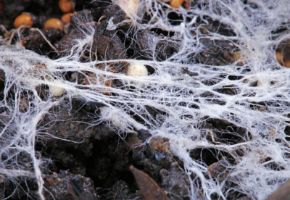
When we think of the environmental disasters caused by oil spills, the images that often come to mind are beaches covered in black slicks, seabirds covered in tar, and workers working with mechanical equipment. What we rarely imagine is a silent army of fungal mycelia working tirelessly beneath the surface to clean up the environment.
In the vast and fascinating kingdom of mushrooms, few species have captured the attention of the scientific community and natural medicine enthusiasts like Hericium erinaceus, commonly known as lion's mane. This mushroom, characterized by its distinctive shape reminiscent of a lion's mane, is not only a culinary delicacy but also harbors extraordinary properties that make it a subject of great interest for research into neurodegenerative diseases. In this article, we will explore in depth the scientific evidence supporting the potential role of lion's mane in supporting brain health, with particular attention to its applications in Alzheimer's and Parkinson's diseases.
Supplementation with medicinal mushroom extracts represents one of the most promising frontiers of complementary medicine and contemporary nutraceuticals. This therapeutic approach, rooted in ancient traditions, is experiencing an extraordinary renaissance thanks to growing scientific evidence confirming its efficacy and clarifying its molecular mechanisms of action. Modern mycotherapy goes beyond simple dietary supplements; it offers a systemic approach to well-being, based on the ability of medicinal mushrooms to delicately yet profoundly modulate various physiological functions in the body.