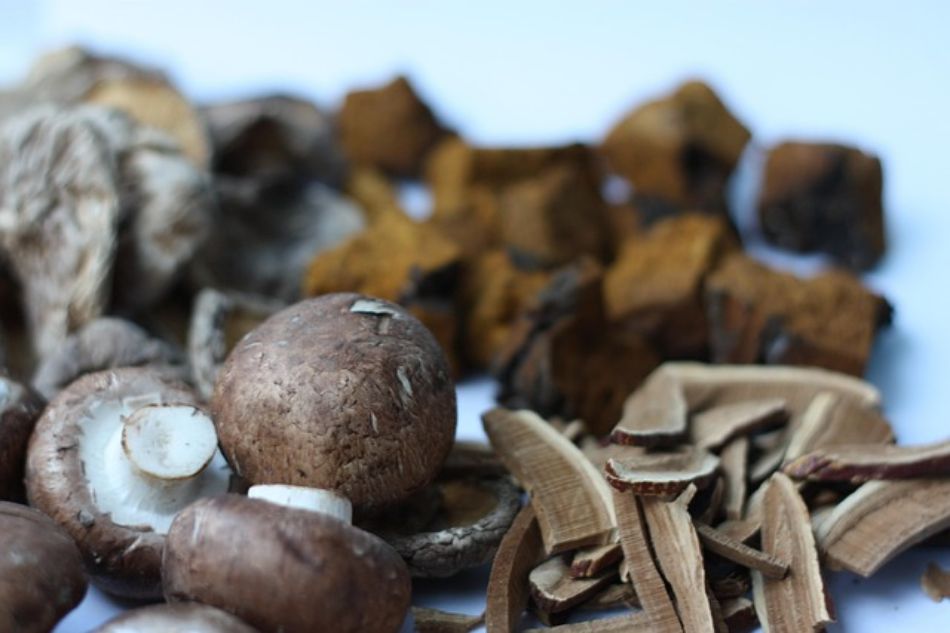
In this article, we will explore the role of Trametes versicolor, also known as Coriolus versicolor, in supporting cancer patients during chemotherapy. Through a detailed analysis of scientific research, its active components, and its mechanisms of action, we will explore how this medicinal mushroom can provide a valuable supplement in the complex process of cancer therapy.
For millennia, mushrooms have represented not only a culinary delicacy but also an invaluable source of bioactive compounds with medicinal properties, such as beta-glucans. These molecules are emerging as molecules of extraordinary scientific interest due to their ability to modulate and enhance the immune response. This article aims to explore in depth the structure, mechanisms of action, and health benefits of these unique polysaccharides, with particular attention to the scientific evidence supporting their use in the prevention and treatment of numerous pathological conditions.
In an age characterized by information overload and ever-increasing cognitive demands, the ability to maintain a high level of concentration represents a true competitive advantage in both academic and professional settings. While many resort to synthetic solutions to enhance their mental performance, there is an alternative, deeply rooted approach that draws on the mushroom kingdom. This article explores in detail and with scientific basis how specific medicinal mushrooms can provide effective and natural support for optimizing cognitive function, supporting concentration, and improving mental performance during study and work.






 e cancro supporto durante la chemioterapia_950.jpeg "Trametes versicolor (Coriolus versicolor) and cancer: support during chemotherapy")