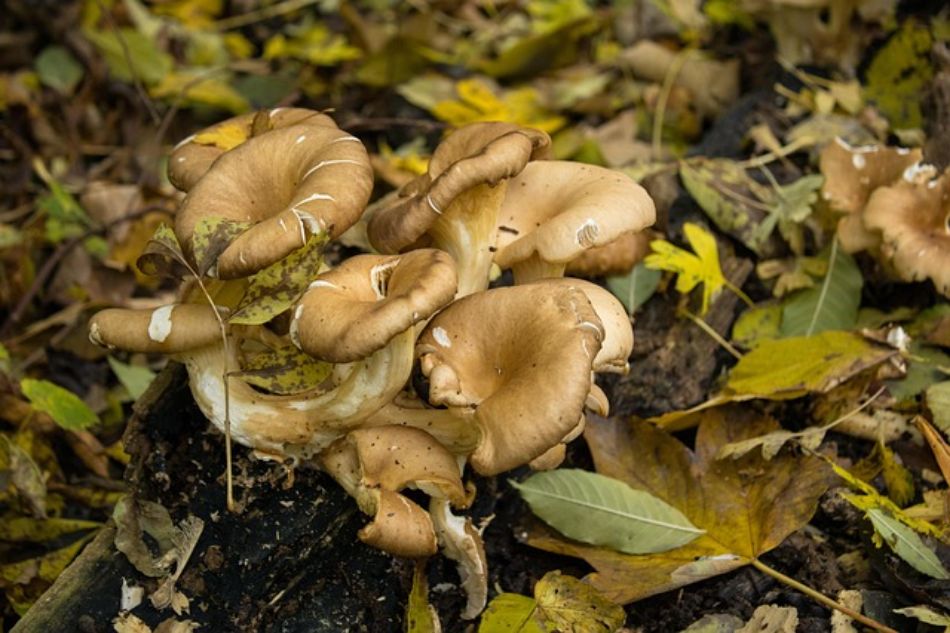
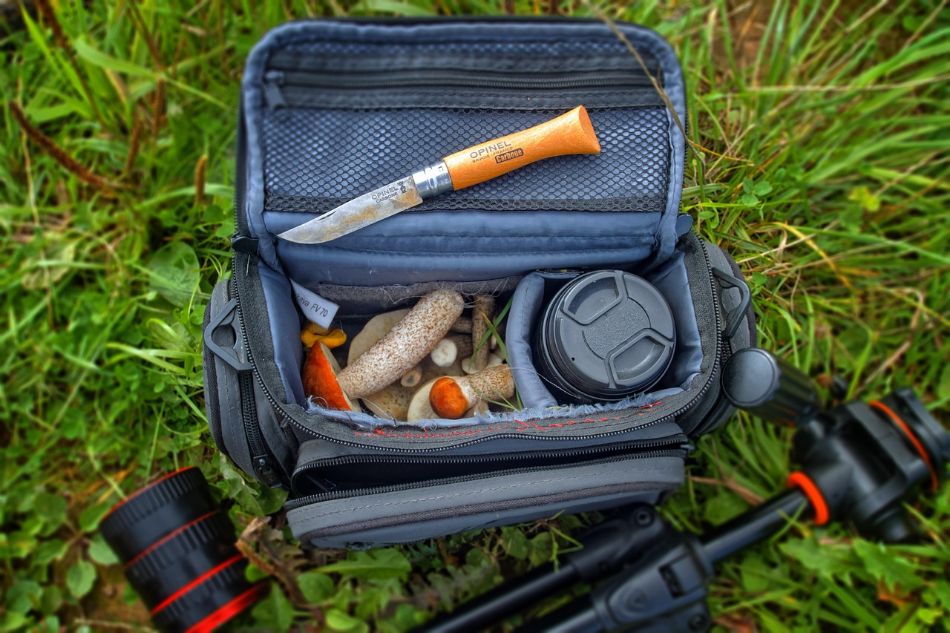
Sardinia, with its pristine landscapes and unique biodiversity, is one of the most fascinating regions for mycology enthusiasts. This article explores the Sardinian mushroom world in depth, analyzing the species present, their growth locations, their nutritional characteristics, and the regulatory aspects of harvesting. We'll discover together why the island is considered a true paradise for mushroom hunters and the unique characteristics that make Sardinian mushrooms such a high-quality product.
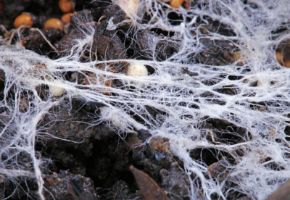
Mushroom picking is an activity that enthralls millions of Italians, combining the pleasure of a walk in the woods with the satisfaction of bringing home the fruits of their search. However, this practice poses dangers not only for inexperienced pickers, who risk encountering poisonous species, but above all for the forest ecosystem itself. One of the most heated debates among mycologists, environmentalists, and pickers concerns the correct picking technique: should the mushroom be cut at the base or should it be pulled completely from the ground? In this article, we'll delve into the science behind why more and more Italian regions are introducing a ban on picking mushrooms and how this practice can irreparably damage the mycelium, the living organism that produces the mushrooms we love so much.
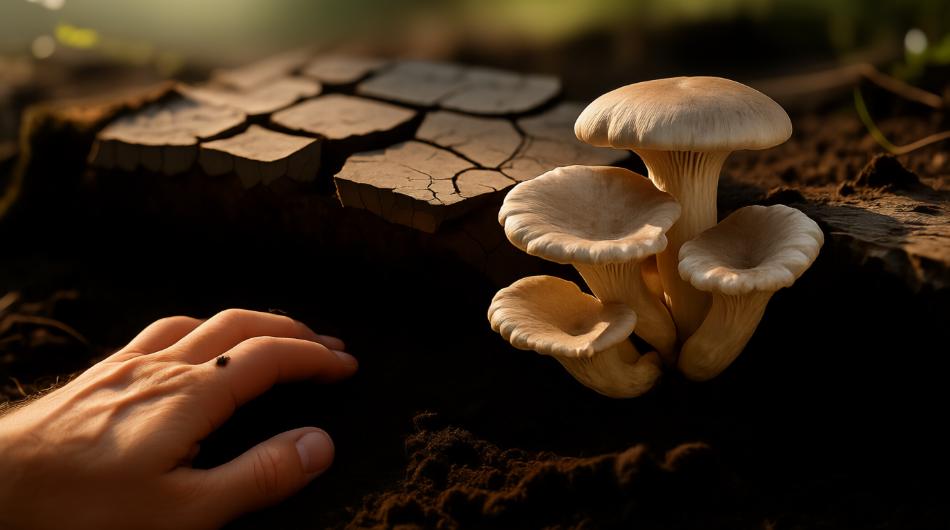
Italy, with its rich natural heritage and millennia-old agricultural history, is currently facing a crucial challenge: the regeneration of soils degraded by years of industrialization, intensive farming practices, and pollution. In this context, an innovative solution is emerging from the world of mycology, where fungi and mycelia are being used in bioremediation pilot projects across the peninsula. This article explores in depth how these extraordinary life forms are revolutionizing our approach to environmental restoration, offering sustainable and cost-effective solutions to restore vitality to compromised soils.