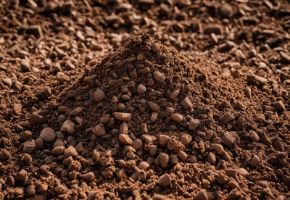
For many, mushroom picking represents a true passion, a moment of connection with nature, and an activity that unites generations, now approaching a new philosophy. This age-old practice is now faced with an increasingly fragile reality: ecosystems under multiple pressures, changing habitats, and ever-increasing forest use. In this context, the "leave no trace" philosophy, born in the hiking and outdoor world, offers an extraordinarily relevant ethical framework for mushroom picking. This article explores in depth how the principles of leave no trace can be applied to mushroom hunting and picking, transforming a simple recreational activity into a practice of ecological awareness and profound respect for forest ecosystems.
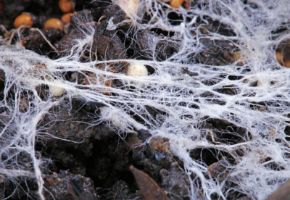
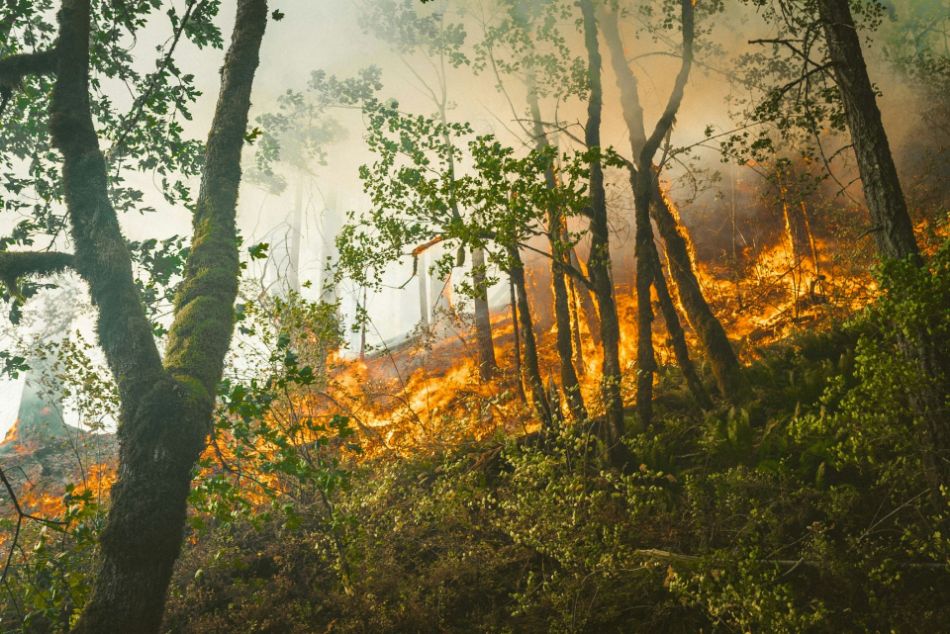
Forest fires are traumatic events for forest ecosystems, but at the same time they trigger complex regeneration processes in which fungi play a fundamental role. This article explores in depth the intricate relationships between fire, soil, and mycelium, analyzing how the underground fungal network acts as a veritable nervous system of the forest, coordinating the rebirth of life after the passage of flames.
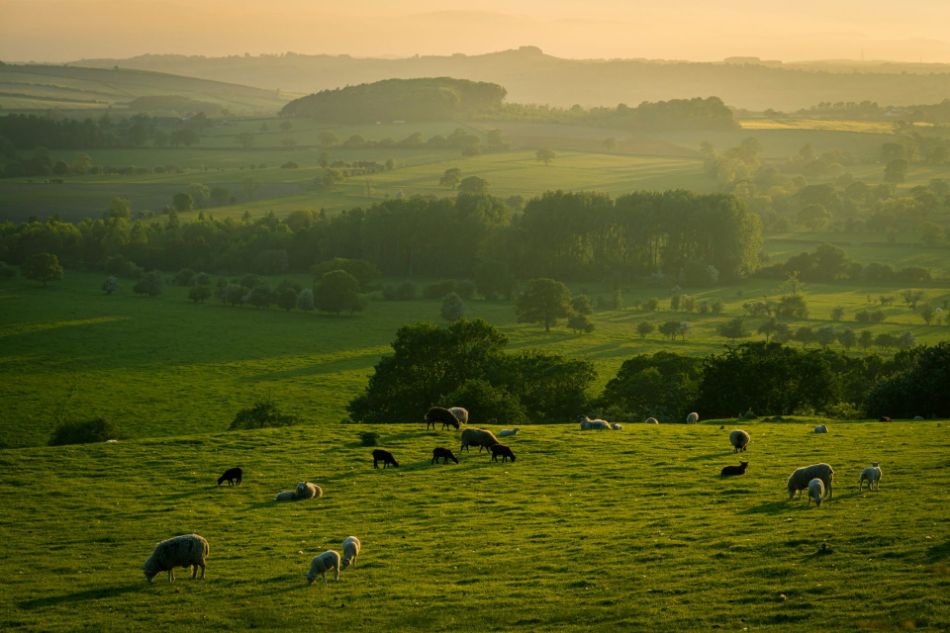
The interaction between grazing animals and fungal communities represents one of the most fascinating and complex aspects of grassland ecology. In this in-depth study, we will analyze the multiple relationships between livestock and mycology, exploring biological mechanisms, ecological impacts, and consequences for biodiversity. We will discover how animal waste, trampling, and changes in plant composition create a unique environment that favors some fungal species while limiting others, in a delicate balance that has characterized rural landscapes for centuries. The relationship between grazing animals and fungi is as old as agriculture itself, yet it remains largely unexplored by most mycology enthusiasts. In this introductory section, we will examine the foundations of this complex relationship, setting the stage for a more detailed analysis in subsequent chapters.