Sleep is one of the fundamental pillars of psychophysical well-being, a complex biological process involving numerous neurochemical and hormonal systems. In recent decades, scientific research has focused increasing attention on the properties of medicinal mushrooms, particularly Ganoderma lucidum, commonly known as Reishi, for its modulatory effects on the central nervous system and the sleep-wake cycle. This article aims to analyze in depth the mechanisms through which Reishi positively influences sleep quality, examining the scientific evidence, the active components responsible for its sedative-adaptogen effects, and optimal usage protocols. Through a detailed analysis of the scientific literature and traditional applications, we will seek to understand how this medicinal mushroom can provide a valuable natural support for improving nighttime rest and combating various sleep disorders.
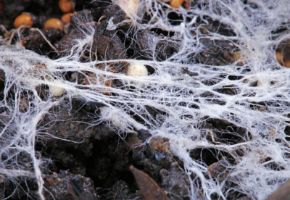
For centuries, mushroom pickers and mycologists have observed the close correlation between atmospheric precipitation such as rainfall and the appearance of fungal fruiting bodies. This article explores in depth the complex biological, chemical, and physical mechanisms that link this phenomenon to mushroom growth, debunking popular myths and providing detailed scientific data for enthusiasts, mushroom growers, and researchers. Through a multidisciplinary analysis spanning biochemistry and forest ecology, we will seek to fully understand one of the most fascinating and observed natural phenomena in the mycological world.
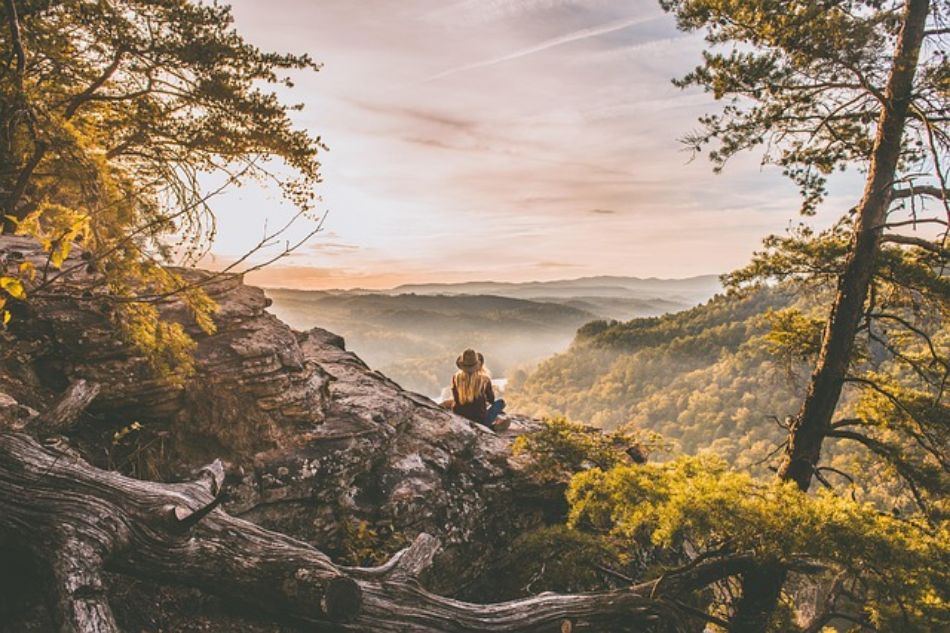
In an era dominated by haste and the pursuit of immediate experiences, slow tourism represents a rediscovery of travel as a moment of profound connection with local areas, their traditions, and their products. In this context, mushroom excursions are an ideal practice for those who wish to combine a passion for nature, gastronomic discovery, and a sustainable approach to travel. This article explores the world of mushroom tourism in depth, analyzing its ecological, nutritional, and cultural aspects, with a particular focus on sustainable harvesting practices and the value of mushrooms as a food and economic resource for local communities.