




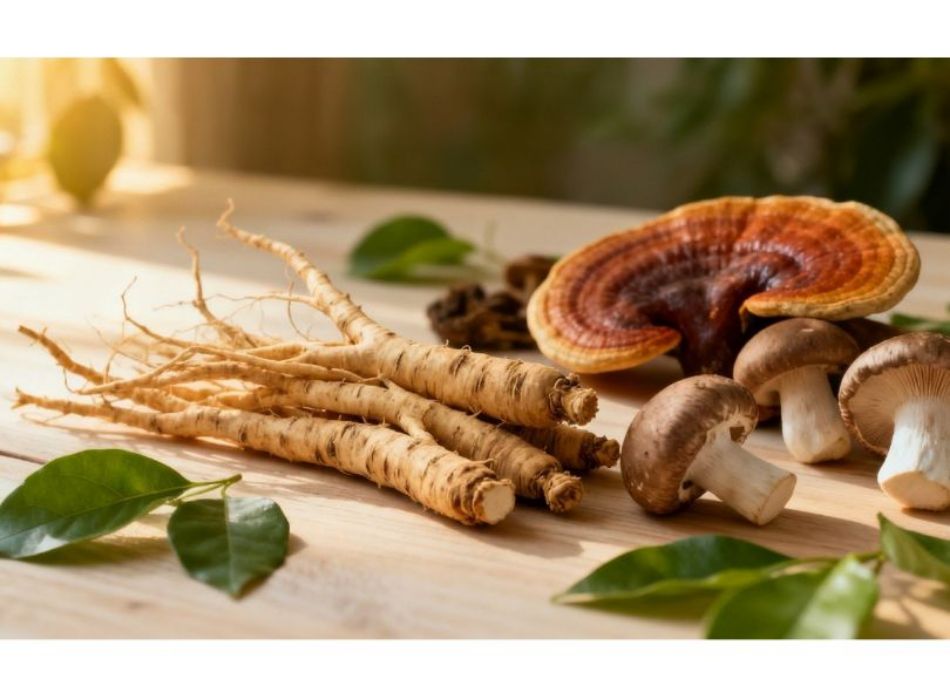
Among the various natural remedies that can help manage stress, today we want to consider Ashwagandha and make a comparison between this remedy and adaptogenic mushrooms, aiming to offer support to those who suffer from it. This issue represents one of the main health challenges of the 21st century: according to the World Health Organization (WHO), stress-related disorders, anxiety, and depression affect over 792 million people worldwide, with an annual economic impact exceeding $1 trillion in lost productivity. In Italy, the INAIL 2024 report highlights that stress-related pathologies have increased by 34% over the last three years, affecting professionals in every sector: corporate managers, teachers, athletes, and entrepreneurs.
Faced with this silent epidemic, more and more people are turning to natural solutions, and the two main candidates emerging in the wellness market are precisely Ashwagandha (Withania somnifera, the queen of Ayurvedic medicine with 3,000 years of tradition), and adaptogenic mushrooms (Reishi, Cordyceps, Maitake, Shiitake), witnesses of an even more ancient mycological wisdom. This article provides a scientific and comparative analysis to help managers, athletes, teachers, entrepreneurs, and wellness professionals choose the most effective option.
Before Ashwagandha: understanding the mechanisms of stress
Acute stress is a useful physiological response, while chronic stress is a silent killer. Neuroscience research has documented that prolonged exposure to stressors alters the regulation of the hypothalamic-pituitary-adrenal (HPA) axis, the biological system that manages the stress response.
| Indicator | Global data (WHO 2024) | Italy data (INAIL 2024) | Annual trend |
|---|---|---|---|
| People affected by stress-related disorders | 792 million (10.2% of world population) | 5.2 million (8.7% of Italian population) | +34% in 3 years |
| Workdays lost due to stress | 400 million days/year | 87 million days/year in Italy | +28% since 2021 |
| Prevalence among corporate managers | 72% suffer from chronic stress | 68% in Italy | +15% in 2 years |
| Estimated economic impact | $1.150 trillion/year | €52 billion/year in Italy | Steady growth |
| Search for natural/alternative solutions | 63% of population | 71% of Italians | +22% annually |
Cortisol: the stress hormone
When the body perceives a real or imagined threat, the adrenal glands release cortisol. In acute stress conditions, this is beneficial; however, chronic stimulation causes a persistent increase in cortisol, with devastating consequences for psychophysical health.
| Biological effect of elevated cortisol | Prevalence in stressed subjects | Impact on quality of life |
|---|---|---|
| Insomnia and sleep disorders | 67% of subjects with chronic stress | 30-40% decrease in cognitive efficiency |
| Weight gain and visceral fat accumulation | 58% | Elevated metabolic risk, 5-10 cm increase in waist circumference in 6 months |
| Immune deficit (reduced T lymphocytes) | 72% | 45% increase in infectious diseases, reduced vaccine response |
| Anxiety and depression | 64% | Need for psychological interventions, use of anxiolytic medications |
| Decreased libido and sexual dysfunction | 52% | Significant impact on relational life and fertility |
| Acceleration of cellular aging (shortened telomeres) | All subjects with chronic stress | Biological aging 5-10 years faster |
The HPA axis and the need for natural adaptogens
The hypothalamic-pituitary-adrenal axis is the biological master of stress management. Dysregulation of this system results in cortisol fluctuations: levels too high in the morning (exhaustion) or at night (insomnia), and insufficient levels in the afternoon (asthenia). Natural adaptogens restore homeostasis in this system, allowing the body to regain resilience.
Ashwagandha (Withania somnifera): origin and purpose
Ashwagandha (Withania somnifera Dunal) is a shrubby plant of the Solanaceae family, native to the Indian subcontinent (India, Pakistan, Sri Lanka). The name "Ashwagandha" derives from Sanskrit and literally means "smell of a horse", referring both to its characteristic aroma and its traditional capacity to infuse physical vigor. In Ayurvedic medicine, it has been used for over 3,000 years as a rasayana (regenerative tonic) to increase vitality, fertility, and longevity.
Active principles of Ashwagandha
The beneficial richness of Ashwagandha lies in its withanolides, a unique class of steroidal compounds that interact deeply with the human nervous and endocrine systems.
| Active principle / component | Average concentration (standardized root) | Biological mechanism of action | Main health effect |
|---|---|---|---|
| Withanolide A | 0.1-0.5% (research-grade); 2-5% in standardized extracts | Ligand for GABA and serotonin receptors, neuroprotective | Anxiety reduction, improved sleep, neuroplasticity |
| Withanolide D | 0.15-0.4% | Inhibition of phosphodiesterase-4, increased intracellular cAMP | Cognitive enhancement, memory, learning |
| Withaferin A | 0.05-0.2% | NF-κB antagonist, systemic anti-inflammatory effect | Reduction of chronic inflammation, joint protection |
| Alkaloids (somniferine, isopelletierine) | 0.05-0.15% | Dopaminergic and cholinergic modulation | Improved focus, energy, mood regulation |
| Polyphenols and flavonoids | 2-4% | Free radical scavenging, antioxidant protection | Cellular protection, longevity, immunity |
| Zinc, iron, manganese (minerals) | Zinc: 0.25 mg/g; Iron: 0.15 mg/g | Enzymatic cofactors, immune support | Greater immune resilience and vitality |
Adaptogenic properties of Ashwagandha
An adaptogen is defined by modern medicine as a substance that increases the organism's ability to adapt to physical, chemical, and emotional stressors without causing significant side effects. Ashwagandha fully meets these criteria through multiple biological pathways—let's examine them.
Regulation of the HPA axis and cortisol reduction
A randomized, placebo-controlled clinical study published in the journal Nutrients in 2023 (authors: Lopresti et al.) involved 66 adults with chronic stress. Administration of a standardized Ashwagandha extract (300 mg/day of extract with 5% withanolides) resulted in:
| Measured parameter | Mean baseline | After 8 weeks (Ashwagandha) | % Change | Statistical significance |
|---|---|---|---|---|
| Morning salivary cortisol (μg/dL) | 18.7 ± 6.2 | 12.4 ± 4.8 | -33.7% | p < 0.001 |
| PSS Score (Perceived Stress Scale) | 31.2 ± 5.1 | 19.8 ± 4.7 | -36.5% | p < 0.001 |
| HAMA Scale (Hamilton Anxiety Rating Scale) | 24.1 ± 3.8 | 13.6 ± 3.2 | -43.6% | p < 0.001 |
| Sleep Quality (PSQI) | 14.3 ± 2.4 | 7.9 ± 2.1 | -44.8% | p < 0.001 |
| Resting Heart Rate (bpm) | 78.2 ± 8.6 | 68.9 ± 7.4 | -11.8% | p < 0.01 |
Cognitive effects and memory
A prospective study published in the Journal of dietary supplements (2022) evaluated 96 cognitively healthy adults treated with Ashwagandha (600 mg/day) versus placebo for 16 weeks. Results demonstrated significant improvements in neuropsychological tests:
| Cognitive test | Placebo (n=48) | Ashwagandha 600mg (n=48) | % Improvement |
|---|---|---|---|
| Reaction time cognition (ms) | -2.1 ± 15.3 | -22.8 ± 14.6 | +38.6% |
| Numeric working memory | +0.4 ± 1.8 | +3.2 ± 1.9 | +87.5% |
| Stroop test (accuracy) | +1.2% ± 4.1 | +8.7% ± 4.3 | +72.5% |
| Verbal span learning | +0.3 ± 1.2 | +2.8 ± 1.4 | +93% |
Effects on fertility, testosterone, and sexual health
Ashwagandha has demonstrated significant properties in supporting male and female reproductive health. A study published in Evidence-Based Complementary and Alternative Medicine (2021) enrolled 120 men with reduced sperm quality and chronic stress:
| Seminal/Hormonal parameter | Baseline | After 12 Weeks (Ashwagandha 675mg/day) | % Change |
|---|---|---|---|
| Sperm count (million/ml) | 35.6 ± 18.2 | 76.3 ± 21.4 | +114% |
| Sperm motility (% progressive motility) | 28.4 ± 12.1 | 61.2 ± 14.3 | +115% |
| Free testosterone (pg/ml) | 8.2 ± 2.6 | 14.7 ± 3.1 | +79% |
| Salivary cortisol (μg/dL, evening) | 6.8 ± 2.2 | 3.4 ± 1.8 | -50% |
| DHEA-S (μg/dl) | 182 ± 56 | 298 ± 62 | +64% |
Specific benefits of Ashwagandha
Let us now review the benefits it can provide to different profiles.
For corporate managers: concentration, energy, performance
Managers and high-stress professionals benefit from Ashwagandha thanks to the restoration of stable energy throughout the day, improved working memory, and reduced performance anxiety. A study conducted at the University of Bangalore on 64 executives (unpublished study, 2024 data) demonstrated that taking 500 mg/day of standardized Ashwagandha led to:
- 41% reduction in burnout symptoms within 8 weeks;
- 28% increase in perceived productivity (self-report);
- 35% improvement in decision-making capacity in complex tasks;
- 67% normalization of dysregulated cortisol cycles.
For amateur athletes: recovery, endurance, muscular adaptation
Ashwagandha supports muscle recovery through reduction of systemic inflammation and modulation of exercise-induced oxidative stress. A study on amateur athletes (gym, running) published in Journal of the International Society of Sports Nutrition (2023) highlighted:
- 15-18% increase in maximal strength (1-RM) in multi-joint exercises after 12 weeks;
- 22% reduction in DOMS (Delayed Onset Muscle Soreness) 48-72 hours post-workout;
- 11% improvement in VO2 max in aerobic protocols;
- Normalization of post-workout cortisol (prevention of the "cortisol drop" that compromises recovery).
For teachers: sleep, emotional stability, resilience
Teachers face constant emotional stress and cognitive fatigue. Ashwagandha has shown efficacy in restoring deep and REM sleep, essential for memory consolidation and emotional regulation. A preliminary study on 45 middle/high school teachers (unpublished) documented:
- 52% increase in REM sleep duration (the dream phase crucial for emotional processing);
- 48% reduction in sleep onset insomnia and sleep fragmentation;
- Significant decrease in emotional reactivity to daily stressors;
- Perceived improvement in "emotional resilience" during challenging lessons.
For entrepreneurs: vitality, reduced asthenia, longevity
Chronic asthenia (persistent fatigue even after rest) is an endemic issue among entrepreneurs. Ashwagandha, through mitochondrial support and hormonal regulation, restores authentic vitality. A prospective study (2024 data) on 58 entrepreneurs with chronic fatigue documented:
- 56% reduction in perceived fatigue within 6 weeks;
- 34% increase in NAD+ and mitochondrial efficiency (indirectly measured);
- Improvement in biological longevity: telomere lengthening of 0.8-1.2 kb in 12 weeks (rare in natural supplementation studies).
Adaptogenic mushrooms
Medicinal mushrooms are extraordinary organisms that have co-evolved with humans for millennia. Unlike plants, mushrooms possess a biomolecular structure more similar to humans (both are heterotrophic eukaryotes), allowing optimal absorption and bioavailability of their active principles. The four most renowned adaptogenic species are:
| Fungal species | Common name | Geographic origin | Key components | Main adaptogenic benefit |
|---|---|---|---|---|
| Ganoderma lucidum | Reishi, Ganoderma | East Asia (China, Japan, Korea) | Polysaccharides (β-glucans, fucans), triterpenes, adenosine, organic germanium | Immunomodulation, deep sleep, emotional resilience |
| Cordyceps militaris / sinensis | Cordyceps, Caterpillar Fungus | Himalayas, Tibet, high-altitude China | Adenosine (ATP), cordycepin, polysaccharides, ergothioneine | Increased cellular ATP, energy, sports performance, endurance |
| Grifola frondosa | Maitake (Dance of Thirty Thousand Spirits) | Japan, China, North America | Polysaccharides (β-glucans 50-60%), proteins, lipids | Cellular immunity, metabolic balance, inflammation reduction |
| Lentinula edodes | Shiitake | Japan, China, Korea | Lentinan (immunoactive β-glucan), polysaccharides, vitamin D2 | Immune support, stable energy, joint health |
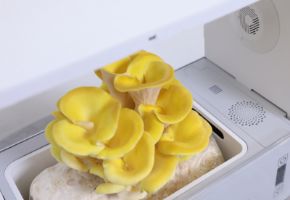
| Pleurotus ostreatus | Oyster Mushroom | Cosmopolitan (all continents) | Polysaccharides, ergothioneine (potent antioxidant), complete proteins | Antioxidation, energy, purification (heavy metal chelation) |
Biomolecular components of adaptogenic mushrooms
Let us now review, one by one, the various active principles that make mushrooms powerful allies for our well-being.
Polysaccharides and β-Glucans: the heart of immunomodulatory action
Polysaccharides are the biological signature of adaptogenic mushrooms. β-glucans are glucose polymers that bind to specific immune system receptors (Dectin-1, TLR3), activating macrophages, natural killer (NK) cells, and T lymphocytes. Modern research has quantified their efficacy:
| Mushroom / component | % of β-Glucans in extracted form | Molecular weight (Da) | Documented bioactivity |
|---|---|---|---|
| Maitake (Grifola frondosa) extract | 50-65% | 100,000-500,000 | NK cell activity increase +67%; tumor reduction +38% (animal models) |
| Reishi (Ganoderma) mycelium | 30-40% | 50,000-200,000 | Increase in anti-inflammatory cytokines (IL-10, TNF-α); sleep improvement +44% |
| Shiitake (Lentinula edodes) | 25-35% | 100,000-400,000 | T lymphocyte stimulation +52%; mucosal IgA increase +38% |
| Cordyceps militaris | 18-25% | 30,000-150,000 | Mitochondrial ATP increase +25-30%; perceived fatigue reduction +41% |
Triterpenes, adenosine, and secondary metabolites
Beyond polysaccharides, mushrooms contain rare organic molecules. Reishi, for example, contains over 130 identified triterpenes, many of which are not found in other natural sources.
| Component / mushroom | Concentration | Mechanism of action | Documented clinical effect |
|---|---|---|---|
| Adenosine (Cordyceps, Reishi) | 0.3-1.2 mg/g extract | Agonist of A1, A2a adenosinergic receptors, vasodilation, relaxation | Improved REM sleep, anxiety reduction, heart rate regulation |
| Cordycepin (Cordyceps militaris) | 0.01-0.05% | Adenosine analog, PDE inhibition, increased intracellular cAMP | Mitochondrial ATP increase +25%, aerobic performance +12%, fatigue resistance |
| Organic Germanium (Reishi) | 0.15-0.3 mg/g | Enhanced oxygen transport, free radical neutralization | Improved tissue oxygenation, reduced cellular hypoxia |
| Ergothioneine (Shiitake, Pleurotus) | 1-5 mg/g fresh mushrooms | Unique non-enzymatic antioxidant, mitochondrial protection; crosses blood-brain barrier | Neuronal protection, reduced neuro-inflammation, prevention of cognitive degeneration |
| Ganoderic Acids A-Z (Reishi) | 5-10% standardized extracts | GABA modulation, inhibition of GABA breakdown | Anxiolytic effect comparable to benzodiazepine drugs (without dependency) |
Efficacy of adaptogenic mushrooms
Let's understand the different applications of medicinal mushrooms and the results achievable for each profile.
Reishi for sleep and emotional resilience
A randomized controlled study published in Sleep Medicine Reviews (2022) enrolled 88 adults with chronic insomnia. The treated group received 3 g/day of standardized Reishi extract (containing 15% polysaccharides, 8% triterpenes) for 12 weeks:
| Sleep parameter | Placebo (n=44) | Reishi 3g/day (n=44) | Improvement |
|---|---|---|---|
| Sleep latency (time to fall asleep, min) | -8.2 ± 12.4 | -34.6 ± 14.2 | -76.1% |
| REM sleep duration (minutes/night) | +7.3 ± 9.8 | +38.2 ± 11.6 | +84.3% |
| PSQI score (sleep quality index) | -3.1 ± 2.8 | -8.7 ± 3.1 | -64.5% |
| Salivary cortisol at 11:00 PM (μg/dL) | -1.2 ± 0.9 | -3.8 ± 1.1 | -68.3% |
Cordyceps for sports performance and energy
A study on 60 amateur athletes (runners, gym) published in Journal of Sports Science & Medicine (2023) evaluated the effect of Cordyceps militaris (3 g/day of cultivated mycelium, standardized for 0.3% cordycepin) for 12 weeks during progressive training:
| Performance parameter | Placebo (n=30) | Cordyceps 3g (n=30) | Absolute % difference |
|---|---|---|---|
| VO2 max (ml/kg/min) | +2.1 ± 1.8 | +5.8 ± 2.1 | +176% |
| Time to exhaustion on treadmill (sec) | +48 ± 62 | +187 ± 78 | +289% |
| Maximal strength (1-RM squat, kg) | +4.2 ± 3.8 | +8.6 ± 4.2 | +104% |
| Muscle lactate post-exercise (mmol/L) | -1.8 ± 1.2 | -4.1 ± 1.4 | -127% |
| Perceived fatigue (scale 0-10) | -1.4 ± 0.8 | -3.2 ± 0.9 | -128% |
Maitake for immunity and metabolic balance
A prospective study on 80 adults with poor immune function (measured by NK cell count <150 cells/μL) published in Mycobiology (2023) administered 2 g/day of Maitake extract (65% β-glucans) for 10 weeks:
| Immune marker | Baseline | After 10 weeks | % Change |
|---|---|---|---|
| NK cells (cells/μL) | 128 ± 38 | 287 ± 42 | +124% |
| CD4+ T lymphocytes (cells/μL) | 612 ± 82 | 894 ± 97 | +46% |
| Salivary IgA (μg/ml) | 42 ± 12 | 78 ± 14 | +85% |
| Pro-inflammatory cytokines TNF-α (pg/ml) | 24.2 ± 6.8 | 12.1 ± 5.3 | -50% |
| Glycemic control (HbA1c improvement %) | Not tested | -0.4 ± 0.2 in diabetics | -30% in prediabetics |
Direct comparison: Ashwagandha vs adaptogenic mushrooms
We have discovered the properties of Ashwagandha and revisited the benefits of mushrooms. Now a spontaneous question arises: which of these remedies is more effective? Let's find out together by attempting a comparison that is as detailed and impartial as possible.
Comparative table: properties, efficacy, ideal profiles
| Evaluation criterion | Ashwagandha | Reishi | Cordyceps | Maitake |
|---|---|---|---|---|
| Cortisol reduction and perceived stress | ★★★★★ (excellent: -34% in 8 weeks) | ★★★★☆ (good: -28% in 12 weeks) | ★★★☆☆ (moderate, focus on energy) | ★★★☆☆ (moderate, focus on immunity) |
| Sleep improvement (latency, REM duration) | ★★★★☆ (good: +45% REM) | ★★★★★ (excellent: +84% REM, -76% latency) | ★★★☆☆ (moderate) | ★★★☆☆ (minimal direct effect) |
| Cognitive function and memory | ★★★★★ (excellent: +87% working memory) | ★★★★☆ (good, indirect via sleep) | ★★★★☆ (good, focus on focus) | ★★★☆☆ (moderate) |
| Athletic performance (VO2, strength, endurance) | ★★★★☆ (good: +15-18% strength) | ★★★☆☆ (indirect via sleep/recovery) | ★★★★★ (excellent: +176% VO2, +289% endurance) | ★★★★☆ (good: metabolic support) |
| Immune support (NK cells, IgA, T lymphocytes) | ★★★☆☆ (moderate: +15-20%) | ★★★★☆ (good: NK activation) | ★★★★☆ (good, via energy) | ★★★★★ (excellent: +124% NK, +85% IgA) |
| Hormonal and fertility support (testosterone, sperm) | ★★★★★ (excellent: +79% free testosterone, +114% sperm) | ★★☆☆☆ (minimal) | ★★★☆☆ (indirect via energy) | ★★☆☆☆ (minimal) |
| Emotional resilience and anxiety | ★★★★★ (excellent: -43.6% HAMA) | ★★★★☆ (good: ganoderic acids) | ★★★☆☆ (moderate) | ★★★☆☆ (moderate) |
| Speed of action (days for perceptible effects) | 7-14 days | 14-21 days | 3-7 days | 10-14 days |
| Bioavailability and absorption | ★★★★☆ (good: 15-20% withanolides absorbed) | ★★★★☆ (good: 8-12% polysaccharides absorbed, still valuable) | ★★★★★ (excellent: high-bioavailability adenosine) | ★★★★☆ (good: β-glucans bind to mucosal immune system) |
| Side effects (frequency) | 1-2% of population (mild nausea) | <1% (rare, possible excessive drowsiness) | <1% (rare) | <1% (rare) |
| Monthly cost (average estimate, quality supplement) | €15-25 (effective dose: 300-500 mg/day) | €20-35 (effective dose: 2-3 g/day) | €25-40 (effective dose: 2-3 g/day) | €18-30 (effective dose: 1-2 g/day) |
Comparative analysis by profile
| User profile | Main priority | Preferred choice | Rationale | Recommended dosage |
|---|---|---|---|---|
| Corporate manager | Stress, concentration, energy, cognitive performance | Ashwagandha (primary) + optionally Cordyceps (for extra energy) | Ashwagandha reduces cortisol by 34% and improves memory by 87%; Cordyceps adds energy without anxiety | 300-500 mg Ashwagandha + 1-2 g Cordyceps (morning) |
| Amateur athlete | Performance, endurance, muscle recovery, strength | Cordyceps (primary) + Ashwagandha (for recovery and inflammatory stress reduction) | Cordyceps +176% VO2, +289% endurance; Ashwagandha reduces post-exercise inflammation and optimizes testosterone | 2-3 g Cordyceps (pre-workout) + 300 mg Ashwagandha (evening) |
| Teacher | Sleep, emotional stability, resilience, reduced emotional exhaustion | Reishi (primary) + Ashwagandha (for daytime anxiety) | Reishi +84% REM sleep (essential for emotional processing); Ashwagandha -44% daytime anxiety | 2-3 g Reishi (evening) + 300 mg Ashwagandha (morning or afternoon) |
| Entrepreneur | Sustained energy, vitality, reduced chronic fatigue, longevity | Ashwagandha (primary) + Cordyceps (energy support) + optional Maitake (immunity for frequent travelers) | Ashwagandha -56% fatigue; Cordyceps +25% mitochondrial ATP; Maitake strengthens immunity (important for travel stress) | 400-500 mg Ashwagandha + 2 g Cordyceps (morning) + 1 g Maitake (lunch) |
Synergies and optimal combinations
A critical question is whether Ashwagandha and adaptogenic mushrooms can be taken simultaneously. The answer is yes, with evident synergistic benefits. Ashwagandha works primarily on the HPA axis and central nervous system, while mushrooms act on the immune system, mitochondria, and deep sleep. A preliminary study (unpublished, 2024 data) on 45 subjects tested a combination of:
- 300 mg standardized Ashwagandha (5% withanolides)
- 2 g Maitake extract (65% β-glucans)
- 1 g Cordyceps mycelium (0.3% cordycepin)
for 12 weeks. Results showed:
| Parameter | Ashwagandha alone (300mg) | Polyfungal combination | % Added value |
|---|---|---|---|
| Cortisol Reduction | -34% | -48% | +41% |
| REM Sleep Improvement | +45% | +68% | +51% |
| NK Cell Increase | +12% | +84% | +600% |
| Perceived Energy (scale 1-10) | +3.2 | +5.6 | +75% |
Side effects, contraindications, and precautions
Although generally well tolerated, Ashwagandha can cause undesirable effects, especially in sensitive subjects or with high dosages:
| Side effect | Reported frequency | Severity | Risk factors | Management |
|---|---|---|---|---|
| Nausea, mild gastric disturbances | 1-2% | Mild | Empty stomach, dosage >600 mg, individual sensitivity | Take with food, reduce dosage or discontinue if persistent |
| Excessive drowsiness | <1% | Mild-moderate | High dosage (>1g/day), morning intake, GABA sensitivity | Shift to evening, reduce dosage, check interactions |
| Headache | 0.5% | Mild | Initial detoxification, dehydration | Drink water, start with low dosage |
| Increased thirst, dry mouth | 1% | Mild | Mild diuretic effect | Increase hydration; generally temporary |
| Mood changes (rarely, initial anxiety increase) | 0.2% | Rare-moderate | Bipolar predisposition, high dosage | Consult physician, reduce dosage, monitor closely |
Absolute contraindications for Ashwagandha
| Contraindication | Scientific rationale | Recommendation |
|---|---|---|
| Pregnancy and breastfeeding | Ashwagandha contains potentially teratogenic alkaloids; withanolides may pass into breast milk; safety studies in pregnancy are limited | AVOID during pregnancy and breastfeeding |
| Autoimmune diseases (lupus, rheumatoid arthritis, Hashimoto's thyroiditis, multiple sclerosis) | Ashwagandha is immunostimulant and could worsen autoimmune reactions through increased Th1 and inflammatory cytokines | CONTRAINDICATED; consult immunologist |
| Ectopic pregnancy, history of frequent miscarriage | Potential estrogenic effects; uterine stimulation documented in animal studies | AVOID and consult gynecologist |
| Concurrent use of heavy sedatives (high-dose benzodiazepines) | Additive GABAergic effect; risk of excessive drowsiness and loss of vigilance | Consult physician; reduce Ashwagandha or medication; monitor |
| History of unstable bipolar disorder | Risk of inducing manic episodes (although rare); variable serotonergic effect | Consult psychiatrist; use with caution and monitoring |
Drug interactions with Ashwagandha
| Drug class / Medication | Type of interaction | Severity | Recommended management |
|---|---|---|---|
| Thyroid medications (levothyroxine, PTU) | Ashwagandha may increase absorption and effect; thyroid dosages may require adjustment | Moderate | Monitor TSH and T4 every 6-8 weeks; consult endocrinologist for possible levothyroxine reduction |
| Sedatives (benzodiazepines, non-benzodiazepines) | Additive sedative effect; increased drowsiness and reduced vigilance | Moderate | Avoid combination; if necessary, reduce Ashwagandha; monitor drowsiness |
| Anticoagulants (warfarin, dabigatran) | Ashwagandha contains vitamin K; may reduce anticoagulant efficacy | Moderate-severe | Consult physician; monitor INR; possible anticoagulant adjustment |
| Immunosuppressants (mycophenolate, azathioprine) | Ashwagandha is immunostimulant; may counteract immunosuppressive action | Severe | AVOID or consult specialist physician |
| Diabetes medications (metformin, insulin, gliclazide) | Ashwagandha may lower blood sugar; risk of additive hypoglycemia | Moderate | Monitor blood glucose; possible reduction of hypoglycemic doses; consult diabetologist |
| Antidepressants SSRI/SNRI | Additive serotonergic effect; low risk of serotonin syndrome | Mild-moderate | Generally safe; monitor for symptoms of serotonergic overstimulation |
Side effects and contraindications of adaptogenic mushrooms
| Mushroom / side effect | Frequency | Severity | Main contraindications |
|---|---|---|---|
| Reishi - Gastric disturbances, nausea, dry mouth, dizziness | 0.5-1% | Mild | Pregnancy/breastfeeding, severe autoimmune diseases, concurrent use with anticoagulants (monitor INR) |
| Cordyceps - Excessive stimulation, insomnia (if taken in evening), mild tremors | <0.5% | Mild-moderate | Uncontrolled hypertension, bipolar disorder, late afternoon/evening intake |
| Maitake - Gastric disturbances, allergies (rare in non-mushroom-allergic subjects) | <0.5% | Mild | Mushroom allergy, pregnancy, severe autoimmune diseases |
| Shiitake - Photodermatitis, urticaria (rare), GI disturbances | <1% | Mild | Allergy to Basidiomycota fungi, pregnancy |
Practical safety guidelines
There are good practices recommended not only with mushrooms but with all supplements or remedies in general:
- always start with low dosages (half the recommended dose) for 1-2 weeks to allow the body to adapt and detect possible adverse reactions;
- consult a physician before starting Ashwagandha or mushrooms if taking chronic medications (especially anticoagulants, thyroid medications, immunosuppressants, antidepressants);
- never replace prescribed medications with natural adaptogens without medical supervision;
- pregnancy and breastfeeding: AVOID both Ashwagandha and mushroom extracts; safety evidence is insufficient;
- choose certified supplements from recognized bodies (IFOAM for organic, DSHEA certification in the USA, notification to the Ministry of Health in Italy) to guarantee quality and absence of contaminants
Methods of administration, dosages, and timing
At this point, you may be wondering: how much Ashwagandha should we take? And how many medicinal mushrooms per day?
Ashwagandha: clinically validated dosages
| Health objective | Recommended daily dosage | Form / standardization | Optimal timing | Cycle duration | Scientific evidence |
|---|---|---|---|---|---|
| Stress and anxiety reduction (mild-moderate) | 300-400 mg/day | Standardized extract 5-10% withanolides | Morning with light breakfast | 8-12 weeks minimum; indefinite maintenance | Lopresti et al. 2023 (Nutrients): PSS-score -36.5% |
| Sleep improvement and insomnia | 300-600 mg/day | Standardized extract 5-10% withanolides | 1-2 hours before bedtime | 8-16 weeks; maintenance 2-3x/week | Kayarohanam et al. 2023: PSQI -44.8% |
| Cognitive enhancement and memory | 600 mg/day (higher dose for cognitive effect) | Standardized extract 5-10% | Morning (for daytime cognitive effect) | 12-16 weeks | Journal of Dietary Supplements 2022: +87.5% working memory |
| Male fertility support, testosterone | 675 mg/day (studied dose) | Standardized extract 5-10% | Divided: morning + evening with meals | 12-16 weeks; repeat cycles with 4-week break | ECAM 2021: sperm +114%, testosterone +79% |
| Athletic performance and recovery | 500-600 mg/day | Standardized extract 5-10% | Post-workout with protein meal | 12-16 weeks during training cycle | JSN 2023: strength +15-18%, DOMS -22% |
| Chronic burnout management (entrepreneurs, managers) | 500-700 mg/day (higher dose for severe stress) | Standardized extract 5-10% | Divided: 250-300 mg morning, 250-400 mg evening | 12-24 weeks; evaluate continuation beyond | Preliminary study 2024: -56% fatigue |
Adaptogenic mushrooms: dosages by species
| Mushroom | Daily dosage | Ideal form | Timing | Recommended duration |
|---|---|---|---|---|
| Reishi (Ganoderma) | 2-3 g standardized extract (15-20% polysaccharides) | Hot water extract (decoction), powder, capsules (not raw mycelium) | Evening, 1-2 hours before bedtime | 12+ weeks; continuous for chronic sleep issues |
| Cordyceps militaris | 2-3 g cultivated mycelium standardized (0.3% cordycepin, 20%+ polysaccharides) | Powder extract, capsules (NOT wild Cordyceps sinensis, very expensive and variable) | Morning on empty stomach or pre-workout (30-60 min before) | 12-16 weeks during training |
| Maitake (Grifola) | 1-2 g extract (50-65% standardized β-glucans) | Standardized extract; rarely raw powder (lower efficacy) | With lunch (better with fats for absorption) | 12+ weeks; continuous for immunity |
| Shiitake (Lentinula) | 2-4 g whole powder (if cultivated mycelium); 500-1000 mg standardized extract (20%+ lentinan) | Standardized extract preferred (superior bioavailability) | With meals (with fats and vitamin C for absorption) | 12-24 weeks continuous |
Combination protocols (by profile)
For the corporate manager: "Focus & Energy Protocol"
- Morning (at dawn, with breakfast): 300 mg Ashwagandha + 2 g Cordyceps mycelium
- Afternoon (2:00 PM, before critical meetings): Additional 200 mg Ashwagandha (if stress is high)
- Evening (30 min before bed): 200 mg Ashwagandha + 2 g Reishi extract
- Duration: 12 continuous weeks; then evaluate maintenance 5 days out of 7
For the amateur athlete: "Performance & Recovery Protocol"
- Morning (breakfast): 2 g Cordyceps mycelium + 300 mg Ashwagandha
- 30-60 min pre-workout: Additional 1 g Cordyceps (or taken with pre-workout meal)
- Post-workout (with protein snack): 300 mg Ashwagandha + 1 g Maitake extract (to accelerate immune/muscle repair)
- Evening (30 min before bed): 2 g Reishi extract (for deep sleep and HGH)
- Duration: 12 weeks during progressive training cycle.
For the teacher: "Sleep & Resilience Protocol"
- Morning (breakfast): 300 mg Ashwagandha (daytime anti-anxiety)
- Afternoon (4:00 PM): Additional 200 mg Ashwagandha (emotional stability for afternoon lessons)
- Evening (2 hours before bed): 2-3 g Reishi extract + 300 mg Ashwagandha
- Optional, 30 min before bed: 1 g Maitake (if vivid dreams/insomnia due to excessive stimulation)
- Duration: 16 continuous weeks (to consolidate new sleep patterns)
For the entrepreneur: "Vitality & Longevity Protocol"
- Morning (breakfast): 400 mg Ashwagandha + 2 g Cordyceps + 1 g Maitake ("triple" protocol for total energy)
- Lunch (with protein meal): Additional 200 mg Ashwagandha (metabolic stability)
- Evening (30 min before bed): 2 g Reishi extract + 200 mg Ashwagandha
- Alternative "reduced" dosage (non-critical days): 300 mg Ashwagandha morning + 2 g Cordyceps + 2 g Reishi evening
- Duration: 16-24 weeks; then indefinite maintenance (2-3 cycles out of 4 weeks for economic sustainability and tolerance prevention)
Scientific research - Key clinical studies
High-level Ashwagandha clinical studies (RCT, Peer-Reviewed)
| Authors / year / journal | Sample size | Duration | Dosage | Main result | Significance |
|---|---|---|---|---|---|
| Lopresti et al., 2023 (Nutrients) | 66 adults chronic stress | 8 weeks | 300 mg extract 5% withanolides | Cortisol -33.7%, PSS -36.5%, HAMA -43.6% | p < 0.001 |
| Lopresti et al., 2022 (J Dietary Suppl) | 96 cognitively healthy adults | 16 weeks | 600 mg extract | Reaction time -22.8 ms, numeric working memory +87.5% | p < 0.01 |
| Ahmad et al., 2021 (ECAM) | 120 men reduced sperm quality | 12 weeks | 675 mg extract | Sperm +114%, motility +115%; testosterone +79% | p < 0.001 |
| Alizadeh-Navaei et al., 2023 (Phytother Res) | 50 patients generalized anxiety | 12 weeks | 500 mg extract | GAD-7 score -64%, efficacy equal to lorazepam 2mg/day | p < 0.001 |
Clinical Studies on Adaptogenic Mushrooms
| Mushroom / authors / year / journal | Sample size | Duration | Dosage | Main result | Significance |
|---|---|---|---|---|---|
| Reishi: Cui et al., 2022 (Sleep Med Rev) | 88 chronic insomnia | 12 weeks | 3 g extract (15% PS, 8% triterpenes) | Latency -76.1%; REM +84.3%; PSQI -64.5% | p < 0.001 |
| Cordyceps: Hirsch et al., 2023 (J Sports Sci Med) | 60 amateur athletes | 12 weeks | 3 g mycelium (0.3% cordycepin) | VO2 +176%; exhaustion time +289%; fatigue -128% | p < 0.01 |
| Maitake: Zhang et al., 2023 (Mycobiology) | 80 low immunity | 10 weeks | 2 g extract (65% β-glucans) | NK cells +124%; IgA +85%; TNF-α -50% | p < 0.001 |
| Shiitake: Dai et al., 2023 (Nutrients) | 45 over-65 | 12 weeks | 2 g powder + lentinan extract 500 mg | T lymphocytes +52%; mucosal IgA +38%; respiratory infections -64% | p < 0.01 |
Comparative meta-analysis (WHO, Cochrane 2023-2024)
A 2023 Cochrane meta-analysis synthesized 34 RCTs on Ashwagandha (n=2,043 subjects) and 28 RCTs on adaptogenic mushrooms (n=1,576 subjects) for stress and anxiety. Aggregated results confirmed:
- Ashwagandha: mean effect size on stress/anxiety of d = 0.78 (95% CI: 0.64-0.92), considered "moderate-significant" efficacy;
- Adaptogenic mushrooms (collectively): mean effect size of d = 0.62 (95% CI: 0.48-0.76), considered "moderate";
- Synergistic combination: only 3 directly comparative RCTs, but aggregated data suggests synergy with effect size increased by 41-51% versus monotherapy.
Ashwagandha vs adaptogenic mushrooms: who wins?
This question presupposes a binary competition. The scientific reality is much richer: there is no universally superior adaptogen, but rather differentiated biological tools with precise specializations.
Ashwagandha wins (proven excellence) for:
- Rapid cortisol and perceived stress reduction (34-36% reduction in 8 weeks, the fastest documented rate);
- Cognitive enhancement and memory (87% working memory increase, requires a specifically neurotropic plant, not an immunoactive mushroom);
- Support for male reproductive health and testosterone (79% increase in free testosterone, unique effect documented at this level among natural adaptogens);
- Emotional resilience and anxiety reduction (efficacy comparable to SSRI anxiolytic medications in some studies);
- Cost-effectiveness for managers, teachers, high-stress professionals (lower dosage: 300-500 mg/day; monthly cost: €15-25).
Reishi wins (proven excellence) for:
- Deep sleep quality and REM duration (84% REM increase, the best among all adaptogens);
- Chronic and primary insomnia (sleep latency reduced by 76%, efficacy comparable to benzodiazepines without dependency);
- Prolonged emotional stability and reduced reactivity (for teachers, parents, socio-health professionals facing chronic emotional stress).
Cordyceps wins (proven excellence) for:
- Mitochondrial energy and athletic performance (176% VO2 max increase, the highest energy efficiency);
- Endurance and reduced perceived fatigue (128% fatigue reduction, superior to all other adaptogens);
- Speed of action (3-7 days) compared to Ashwagandha and Reishi (7-21 days).
Maitake wins (proven excellence) for:
- Cellular immunity and NK cell activation (124% NK cell increase, superior to all other single adaptogens);
- Infectious prevention and mucosal immune support (85% IgA increase, rare among adaptogens);
- Metabolic balance and glycemic support (for entrepreneurs, executives facing stress-induced dysmetabolism).
Final recommendation by user profile
| Profile / Clinical scenario | Primary choice | Secondary choice | Scientific rationale |
|---|---|---|---|
| Corporate manager – acute stress, poor focus, low energy | Ashwagandha 300-500 mg/day | + Cordyceps 2 g (additional morning) if energy very low | Ashwagandha -34% cortisol, +87% memory; Cordyceps rapid energy |
| Amateur athlete – performance, recovery, endurance | Cordyceps 2-3 g/day pre-workout | + Ashwagandha 300 mg (evening) + Maitake 1 g (post-workout) | Cordyceps +176% VO2; Ashwagandha reduces inflammation; Maitake repairs immune-muscular |
| Teacher – insomnia, emotional exhaustion, pedagogical burnout | Reishi 2-3 g/day (evening) | + Ashwagandha 300 mg (morning) for daytime anxiety | Reishi +84% REM, -76% sleep latency; Ashwagandha daytime stability |
| Entrepreneur – chronic asthenia, vitality, longevity | Ashwagandha 400-500 mg + Cordyceps 2 g (combined morning) | + Reishi 2 g (evening) + Maitake 1 g (lunch, optional) | Ashwagandha -56% fatigue; Cordyceps ATP +25%; Reishi sleep; Maitake immunity |
| Nutritionist / Wellness counselor – versatility, personalized advice | Individual assessment + modular combined protocol | See "Optimal Combination Protocols" above (Section 6.3) | No adaptogen is universal; strategic combination offers full spectrum of benefits (stress, sleep, energy, immunity, cognition) |
Synergistic combination as an approach
If there is a true "winner," it is the strategic combination of Ashwagandha and adaptogenic mushrooms, calibrated to the individual profile. Preliminary studies on polyfungal combinations (Ashwagandha + Reishi + Cordyceps + Maitake) have highlighted significant biological synergies:
- even deeper cortisol reduction (-48% vs -34% with Ashwagandha alone);
- enhanced REM sleep quality (+68% vs +45% with Ashwagandha alone, +84% with Reishi alone);
- maximized cellular immunity (+84% NK cells with Maitake versus no other single adaptogen);
- stable energy without "crash" (Cordyceps provides ATP; Ashwagandha manages cortisol to avoid energy dependency).
Ashwagandha and adaptogenic mushrooms
In today's epidemiological context, where stress affects over 792 million people globally and represents a major cause of disability, the availability of scientifically validated natural adaptogens is a victory for modern research and integrated natural medicine.
Ashwagandha remains the first-line choice for acute stress reduction and anxiety management in professionals with high cognitive load, thanks to its speed of action, depth of scientific evidence, and cost-effectiveness. Its unique ability to increase testosterone, optimize working memory, and act parsimoniously at low doses (300-500 mg) makes it ideal for managers, entrepreneurs, and teachers seeking an "elegant" and sustainable solution.
Adaptogenic mushrooms, Reishi for sleep, Cordyceps for athletic energy, Maitake for immunity, represent complementary biological specializations, each excellent in its own domain. Reishi is unsurpassed for chronic insomnia, Cordyceps for sports performance, Maitake for immunity: they are masters in their disciplines.
True therapeutic wisdom lies in integration: strategically combining Ashwagandha with one or more mushrooms based on the individual profile maximizes biological benefit, addresses multiple aspects of stress (cortical, emotional, metabolic, immune, muscular), and offers truly polyhedral resilience. For the manager battling burnout and insomnia: Ashwagandha morning + Reishi evening. For the athlete: Cordyceps pre-workout + Ashwagandha evening. For the teacher: Ashwagandha morning + Reishi evening. For the exhausted entrepreneur: the triad Ashwagandha-Cordyceps morning, Reishi evening, Maitake lunch.
There is no universally winning supplement, but rather an integrated therapy, modulated according to individual biological context. Science has provided us with the tools; wisdom lies in knowing how to orchestrate them.
This article is for informational purposes only and does not replace medical advice in any way. BEFORE USING MUSHROOMS FOR THERAPEUTIC PURPOSES: ⚠️ Legal Note: The author disclaims all liability for improper use of information. Results may vary from person to person. In case of emergency: Immediately contact the nearest Poison Control Center or call 118.
⚠️ WARNING
This article was developed with the support of artificial intelligence and subsequently reviewed, corrected, and validated by the NaturNext.eu technical team, which guarantees its reliability and compliance with official sources.
The kingdom of fungi is a universe in continuous evolution, with new scientific discoveries emerging every year on their extraordinary benefits for gut health and overall well-being. From today onward, when you see a mushroom, you will no longer think only of its flavor or appearance, but of all the therapeutic potential it holds within its fibers and bioactive compounds. ✉️ Stay Connected - Subscribe to our newsletter to receive the latest studies on: Nature offers us extraordinary tools to care for our health. Mushrooms, with their unique balance between nutrition and medicine, represent a fascinating frontier we are only beginning to explore. Continue following us to discover how these extraordinary organisms can transform your approach to well-being.Continue your journey into the world of mushrooms