


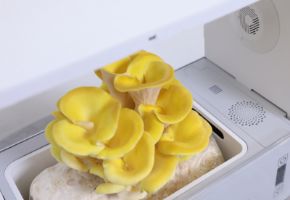


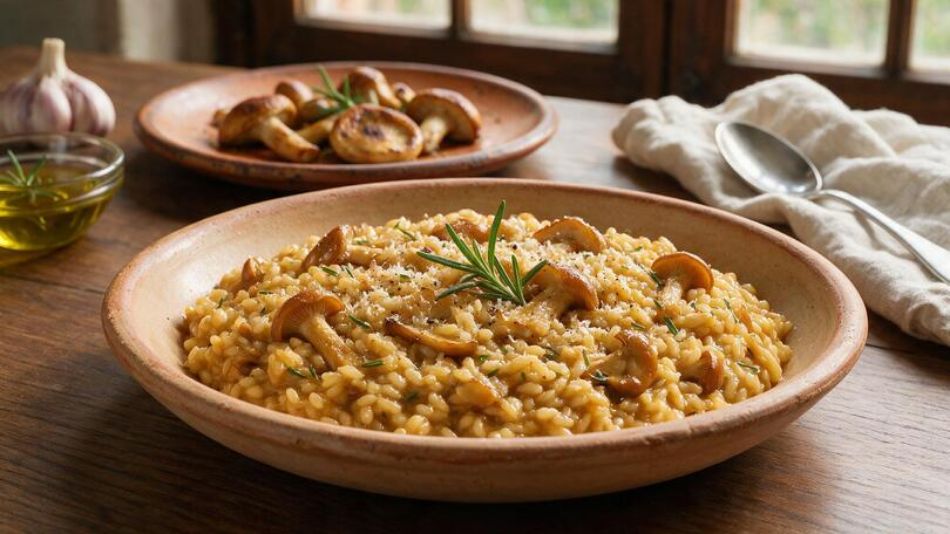
Risotto with honey mushrooms and rosemary is an ode to conviviality and the authentic flavors of Italian tradition. A dish that tells stories of woods, of walks among the trees, and of ancient peasant wisdom, transforming simple ingredients into an unforgettable gastronomic experience. The enveloping creaminess of the risotto, the earthy and delicate aroma of honey mushrooms, and the balsamic note of fresh rosemary create a perfect balance that wins you over from the very first taste. In this complete guide, we will explore every aspect of this iconic dish, from the finest preparation techniques to the secrets for achieving a true chef-level result, including pairings, variations, and curiosities. Whether you are an amateur chef eager to impress your guests, a food blogger looking for original content, an entrepreneur wanting to offer a top-tier culinary experience, or simply a passionate home cook, you will find everything you need here to master the art of risotto with honey mushrooms.
Before delving into the details of the recipe, it is important to understand the value and peculiarities of the protagonists of this dish: honey mushrooms (Armillaria mellea), also known as the good little family. These mushrooms, which grow in clusters at the base of trees, are loved for their firm flesh and decisive flavor, which makes them ideal for robust and savory dishes. Their aroma, reminiscent of hazelnut and undergrowth, pairs magnificently with butter, garlic, and aromatic herbs, creating a combination of flavors that enhances the creaminess of the risotto. In the Italian culinary landscape, mushroom risotto represents a timeless classic, but the version with honey mushrooms adds a touch of personality and character that sets it apart from preparations with porcini or champignon mushrooms. Throughout this article, we will discover why risotto with honey mushrooms is much more than a simple pasta dish: it is a sensory journey, a celebration of nature's gifts, and an opportunity to experiment with techniques and pairings that enhance the quality of the ingredients.
The popularity of mushroom risotto in Italy is constantly growing, as shown by data from a recent survey conducted by a major cooking magazine: 67% of Italians say they prepare mushroom risotto at least once a month during the autumn season, and 42% consider it their favorite dish for family dinners. In particular, the version with honey mushrooms is gaining ground, with online searches increasing by +35% in the last two years. This growing interest reflects a desire to rediscover authentic flavors and local ingredients, enhancing products that tell the story of a connection to the land and seasonality. Our recipe, the result of years of experience and passion, is designed to meet the needs of everyone: from the beginner looking for a guaranteed result to the expert who wants to refine their technique. With the right advice and attention to detail, anyone can prepare a restaurant-quality risotto with honey mushrooms, capable of surprising and delighting diners.
In this article...
1. Honey Mushrooms: characteristics, toxins, and usage tips
Honey mushrooms (Armillaria mellea) are among the most appreciated and widespread species in Italian woods, easily recognizable by their honey-colored hue and growth in clusters. However, one of the most frequently asked questions among enthusiasts is: "What toxin do honey mushrooms contain?" It is essential to know that raw honey mushrooms contain hemolysins, thermolabile substances that can cause gastrointestinal disturbances. Prolonged cooking or preliminary boiling completely neutralizes these toxins, making the mushrooms safe and delicious. This characteristic distinguishes them from other mushrooms and requires special attention in the kitchen. For cultivated mushrooms purchased from NatureNext.eu, quality is guaranteed and traceability is ensured, but it is still essential to follow correct preparation practices.
A curiosity: honey mushrooms have firm and meaty flesh, which makes them ideal for all preparations, from sauces to risottos. Unlike porcini mushrooms, which lend themselves to shorter cooking times, honey mushrooms require longer cooking times to fully develop their aroma and achieve the perfect consistency. Furthermore, it is interesting to note that honey mushrooms can also be preserved dried or frozen, maintaining their organoleptic properties unaltered. For a risotto with honey mushrooms, whether fresh or frozen, the key is proper cleaning and adequate blanching. But how do you wash honey mushrooms? The answer is simple: never under running water, because they absorb liquid and lose flavor. They are cleaned with a damp cloth or a soft-bristled brush, carefully removing soil and leaf residues. After cleaning, proceed with boiling: immerse the honey mushrooms in boiling salted water for about 10-15 minutes, then drain and rinse to eliminate toxins. This step is crucial and answers the questions: "How to eliminate toxins from honey mushrooms?" and "How to remove toxins from honey mushrooms?" Boiling is the most effective and guaranteed method.
For those who love canned honey mushrooms, convenience is undeniable, but the flavor and texture may be less intense compared to fresh or frozen mushrooms. In a risotto with canned honey mushrooms, it is advisable to rinse the mushrooms well under running water to remove the preserving liquid and then pat them dry, before sautéing them in a pan with oil and garlic to enhance their taste. NatureNext.eu offers a curated selection of high-quality substrates, which guarantee the cultivation of an excellent product to use in the kitchen. For growers and researchers, honey mushrooms represent a fascinating subject of study: their ability to parasitize trees and form extensive mycelia makes them an interesting model for understanding the ecological dynamics of forests. Even for hobbyists, growing honey mushrooms can be a rewarding activity, although it requires specific knowledge about host plants and environmental conditions.
Should honey mushrooms be boiled before cooking? Everything you need to know
The answer is a firm yes: honey mushrooms should always be boiled before being cooked. This practice is not an option, but a fundamental food safety rule. As mentioned, raw honey mushrooms contain hemolysins, substances that can cause nausea, vomiting, and abdominal pain. Boiling for at least 10-15 minutes denatures these toxic proteins, making the mushrooms perfectly edible. The question "Should honey mushrooms be boiled before cooking?" is among the most common and the answer is categorical: yes, always. After boiling, honey mushrooms can be used in any recipe: sautéed in a pan, stewed, or, as in our case, for a dreamy risotto with honey mushrooms. Boiling not only eliminates toxins but also helps make the mushrooms more digestible and enhances their flavor, which becomes sweeter and more aromatic. A chef's tip: add a bay leaf and a few black peppercorns to the boiling water to further flavor the honey mushrooms.
Difference between honey mushrooms and pioppini mushrooms
Another common question is: "What is the difference between honey mushrooms and pioppini mushrooms?" Although both are mushrooms that grow in clusters, they have substantial differences. Honey mushrooms have a honey-brown cap, darker in the center, with whitish gills and a fibrous, ringed stem. Pioppini mushrooms (Agrocybe aegerita) have a smoother and lighter cap, hazelnut in color, and grow preferentially on poplar trees. From a culinary perspective, honey mushrooms have a more decisive, earthy, and slightly bitter flavor, which softens with cooking, while pioppini mushrooms are more delicate and sweetish. Honey mushrooms require preliminary boiling, pioppini mushrooms do not. In a risotto, honey mushrooms provide a more intense and "wild" note, ideal for those who love bold flavors. Both are valuable and highly appreciated ingredients in Italian cuisine.
2. Ingredients and preliminary preparation: choosing the rice and mushrooms
For an excellent risotto with honey mushrooms, choosing the ingredients is the first step towards success. Let's start with the rice: "What type of rice for mushroom risotto?" The most suitable variety is short-grain rice, rich in starch, such as Carnaroli or Arborio. Carnaroli, in particular, is considered the "king of risottos" for its ability to maintain an al dente consistency during cooking and to absorb flavors without falling apart. Arborio, more porous, absorbs broth quickly and releases more starch, giving immediate creaminess. For a perfect result, many chefs recommend using a blend of Carnaroli (for structure) and Vialone Nano (for creaminess).
Which mushrooms are used for risotto? Regarding mushrooms, the choice is wide: honey mushrooms are an excellent choice, but they can be combined or replaced with other mushrooms like porcini, pioppini, or champignons. The recipe we present today focuses on honey mushrooms, for their versatility and unmistakable flavor. If you are wondering how to clean freshly picked honey mushrooms, know that cleaning should be done with extreme care: use a small knife to remove the soil at the base of the stem and a damp cloth or a small brush to eliminate surface impurities. Never immerse them in water, because they would absorb water and lose flavor. After cleaning, proceed with boiling as described above. For those who buy frozen or canned honey mushrooms, preparation is simpler: thaw them or rinse and dry them well before use.
The other ingredients for a risotto with honey mushrooms for 4 people are: vegetable or meat broth (about 1.5 liters), a small onion or shallot, butter (about 50 g), extra virgin olive oil, dry white wine (one glass), grated Parmesan cheese, garlic, parsley, and, of course, fresh rosemary, whose resinous and balsamic aroma pairs perfectly with honey mushrooms. The secret to a creamy and flavorful risotto lies in the quality of the broth and the final creaming (mantecatura) with butter and Parmesan. Another important consideration regarding the ratio between broth and rice is How much broth for 500 g of rice: generally, an amount of broth equal to about 3-4 times the weight of the rice is used, i.e., 1.5 to 2 liters for 500 grams. The exact amount depends on the type of rice and the desired consistency. It is better to prepare more broth than necessary and add it gradually, to have total control over the cooking.
How to blanch honey mushrooms and how to cook them in a pan
The procedure is simple: bring a pot of salted water to a boil, add the cleaned honey mushrooms, and boil them for 10-15 minutes. After this time, drain them and run them under cold water to stop cooking and preserve their color. Leave them to drain well in a colander. For the risotto with honey mushrooms, after blanching, the mushrooms should be sautéed in a pan with garlic, oil, and rosemary for about 5-7 minutes, until they are slightly golden and have released their aroma. This step is essential to concentrate the flavors and give the risotto that "toasted" note that makes it unmistakable. For those wondering how to cook fresh honey mushrooms, in addition to boiling and browning, they can also be stewed with tomato, or sautéed with parsley and garlic. The versatility of honey mushrooms makes them suitable for many preparations. If instead you are wondering how to cook honey mushrooms stewed, simply let them simmer slowly with oil, garlic, and a little broth or white wine, until they have softened. Boiling, in any case, remains the essential step for safety.
Fresh vs. frozen vs. canned honey mushrooms
The choice between fresh, frozen, or canned honey mushrooms depends on needs and availability. Fresh honey mushrooms are undoubtedly the best for flavor and texture, but they have a limited season (mainly autumn) and require careful cleaning. Frozen honey mushrooms are an excellent alternative: they are processed and blanched before freezing, so they are ready to use and maintain a good quality level. For a risotto with frozen honey mushrooms, simply thaw them and sauté them in a pan as if they were fresh (without the need for further boiling, as they are already blanched). Canned honey mushrooms are the most practical, but their flavor may be more neutral and their texture softer. A risotto with canned honey mushrooms is still tasty if you take care to flavor the mushrooms well with garlic, rosemary, and a splash of wine.
3. Detailed step-by-step procedure: how to prepare risotto with honey mushrooms
Now that we have all the ingredients ready and the honey mushrooms cleaned and blanched, it is time to get to the stove and prepare the risotto with honey mushrooms following a precise procedure. The risotto technique requires attention and patience: the rice must be toasted, deglazed with wine, and cooked slowly, adding hot broth one ladle at a time. Let's proceed in order. First, prepare the broth (vegetable or meat) and keep it warm over very low heat. In a large, wide pan, sauté the finely chopped onion or shallot with a drizzle of oil and a knob of butter. When the onion is wilted and translucent, add the rice and toast it for 2-3 minutes over high heat, stirring continuously, until the grains become shiny and slightly translucent. This step is crucial to "seal" the grain and allow for even cooking.
After toasting, deglaze with the dry white wine, letting it evaporate completely. The wine adds acidity and complexity to the dish. Which wine with mushroom risotto? A Sauvignon Blanc or a Vermentino are excellent choices for their freshness and aromaticity. At this point, add the previously sautéed honey mushrooms (setting some aside for final decoration) and mix well to distribute them evenly. Start adding the hot broth, one ladle at a time, stirring occasionally. The risotto will cook in about 16-18 minutes, depending on the type of rice, but when should you add the mushrooms to the risotto? The ideal is to add them immediately after deglazing, so that they release all their flavor during cooking. Some chefs prefer to add a portion of the mushrooms halfway through cooking and the rest at the end to maintain different textures. Experiment to find your preference.
Creaminess is the distinctive element of a good risotto. To achieve an "all'onda" (wavy) consistency, it is essential to cream (mantecare) the risotto at the end of cooking. Turn off the heat and incorporate a generous knob of cold butter cut into cubes and plenty of grated Parmesan cheese. Stir vigorously: this movement encourages the emulsification of fats with the rice starch, creating an enveloping cream. Cover and let it rest for 1-2 minutes before serving. If the risotto turns out too dry, add one last ladle of broth before creaming; if too liquid, continue cooking for a couple of minutes without a lid. The answer to the question on how to make mushroom risotto creamy lies precisely in this technique: the right amount of broth, the creaming (mantecatura), and the final rest. The risotto with honey mushrooms should be served very hot, with a sprinkling of fresh chopped parsley and a few whole honey mushrooms sautéed in a pan as decoration.
How to make risotto with honey mushrooms: mistakes to avoid
Preparing a risotto with honey mushrooms may seem simple, but some common mistakes can compromise the result. The most frequent is not toasting the rice: the rice must be toasted until it becomes shiny and almost "transparent" at the edges. Another mistake is adding cold or not hot broth, which stops cooking and makes the grains gummy. Also, stirring too much or too little: stirring should be done consistently but not obsessively, to encourage the release of starch without breaking the grains. How to prevent the risotto from becoming too dry or too liquid? The secret is to add broth little by little and taste it: the risotto should be "all'onda," that is, creamy but not soupy. If you realize you have added too much broth, you can continue cooking over high heat to reduce it. If it is too dry, add a ladle of hot broth and cream (mantecare). Finally, never forget the final creaming with butter and Parmesan: it is the last step that makes the risotto truly special.
How long does it take to prepare a risotto with honey mushrooms?
The total time to prepare a risotto with honey mushrooms varies between 45 and 60 minutes, considering the cleaning and boiling of the mushrooms. Active preparation (chopping, cleaning, blanching) takes about 20-25 minutes, while cooking the risotto takes 18-20 minutes, plus resting time. For a risotto with fresh honey mushrooms, which require more careful cleaning, the time may increase by a few minutes. With already cleaned and blanched mushrooms (frozen or canned), the time is significantly reduced, making the dish perfect for a weeknight dinner. Patience is key: a risotto is not prepared in a hurry, but the result is well worth the wait. For university students, or for those with little time, we suggest preparing the mushrooms in advance and keeping them in the refrigerator, then only focusing on cooking the risotto at mealtime.
4. Tips and variations: personalize your risotto with honey mushrooms
The basic recipe for risotto with honey mushrooms is already delicious in itself, but it is wonderfully versatile and lends itself to endless variations that can enrich and personalize it. Here are some ideas for variations of honey mushroom risotto that will surprise and delight your guests. One of the most famous and beloved combinations is risotto with honey mushrooms and sausage: the sausage, crumbled and browned with garlic and rosemary, pairs perfectly with the decisive flavor of the honey mushrooms and the creaminess of the risotto, creating a robust and full-bodied dish. For a more autumnal and sweet variation, risotto with pumpkin and honey mushrooms is a winning choice: the sweetness of the pumpkin contrasts with the earthy aroma of the mushrooms, with a surprising balance. The pumpkin should be cooked in cubes together with the mushrooms or added to the risotto halfway through cooking, to maintain a slightly al dente consistency.
For lovers of bold flavors, risotto with honey mushrooms and radicchio offers an interesting bitter and crunchy contrast: the radicchio is sautéed in a pan with the mushrooms and added in the last minutes of cooking, or used as a crispy base for presentation. Another highly appreciated variation is risotto with sausage and honey mushrooms, which can be enriched with a splash of red wine instead of white for a more intense flavor. If you prefer more delicate pairings, try risotto with honey mushrooms and peas: the sweetness of the peas and the savoriness of the mushrooms create a spring-like and light dish, perfect for an elegant dinner. For those who desire a touch of crunchiness, you can add toasted walnuts or pine nuts when serving.
Another common question is what to do with leftover mushroom risotto: leftover risotto can be transformed into tasty meatballs, rolled in breadcrumbs and fried or baked, or into a risotto frittata, filled with stringy cheese. Furthermore, leftover risotto is perfect for being enriched with a beaten egg and breadcrumbs, and then fried to obtain delicious supplì. To prevent the risotto from drying out, store it in the refrigerator in an airtight container and, when reusing it, add a splash of broth or milk to make it creamy again. These are just a few suggestions: creativity in the kitchen has no limits and every variation can become your personal signature.
How to flavor risotto with honey mushrooms
To flavor mushroom risotto and make it truly unforgettable, you can play with spices, aromatic herbs, and extra ingredients. In addition to the classic rosemary, try adding thyme or marjoram for a more Mediterranean touch, or a bay leaf during broth preparation. A mix of chopped parsley and grated lemon zest added at the end of cooking gives freshness and vibrancy. For bolder palates, a grating of nutmeg or a pinch of Sichuan pepper can provide unexpected notes. Another technique is to deglaze with an aromatic wine like a Moscato or a Gewürztraminer, which leave a fruity and floral aftertaste. Remember that the quality of the broth and mushrooms is the foundation of everything: the more flavorful they are, the less need you will have to add other ingredients. A risotto with honey mushrooms and rosemary is already a masterpiece, but with these small touches you can elevate it to a higher level.
How to present the risotto in a visually appealing way
The presentation of a dish is as important as its flavor, especially for those who want to share their creations on social media or for special occasions. For a risotto with honey mushrooms, serve it in a shallow bowl or a deep plate, creating a circle or an oval shape. Use the whole honey mushrooms set aside to decorate the surface, arranging them in a fan shape or at regular intervals. A sprinkling of chopped parsley or chives adds color and freshness. A drizzle of raw extra virgin olive oil and a shaving of Parmesan or Grana Padano complete the presentation, adding a touch of elegance. If you want a crunchy touch, add some toasted walnuts or pine nuts. For food bloggers, natural light and a neutral background are the best allies for a photo that highlights the creaminess and colors of the risotto. Remember: the risotto should never be served too compact, it should "flow" onto the plate and maintain that soft and enveloping consistency that makes it unique.
5. Pairings and serving suggestions
A quality risotto with honey mushrooms deserves to be accompanied by equally thoughtful pairings to enhance every nuance of flavor. The choice of wine is crucial: a dry, fresh, and aromatic white wine, such as a Vermentino or a Sauvignon Blanc, is the classic choice that pairs perfectly with the aroma of honey mushrooms and the creaminess of the risotto. Vermentino, with its notes of Mediterranean herbs and citrus, enhances the savoriness of the dish, while Sauvignon Blanc, with its herbaceous and fruity notes, harmonizes with the aromatic herbs. For those who prefer a more structured white, an oak-aged Chardonnay can be an interesting option, but it risks covering the delicacy of the mushrooms. A light-bodied red wine with low tannins, such as a Pinot Noir or a young Nebbiolo, can be a bold but winning pairing for a risotto with sausage and honey mushrooms, where the flavors are more decisive. The golden rule is that the wine should never overpower the dish, but accompany and complete it. A good wine pairing for honey mushroom risotto will enhance the creaminess and aroma of the mushrooms without covering them.
Regarding side dishes, risotto with honey mushrooms is already a complete dish, but it can be accompanied by seasonal vegetables sautéed in a pan, such as spinach or Swiss chard, or a fresh and crunchy salad to contrast the softness of the dish. A side dish of rosemary-roasted carrots or gratinated fennel can be an excellent choice for a more substantial meal. For a touch of elegance, serve the risotto in individual portions, perhaps in cocottes or ceramic bowls, to keep it warm longer. Presentation and service are an integral part of the culinary experience: a well-served risotto with honey mushrooms, accompanied by a glass of wine and a well-chosen side dish, will transform a simple meal into a moment of pure pleasure.
For an even more elegant risotto: tips for formal occasions
If you are organizing a formal lunch or dinner and want to impress your guests with a risotto with honey mushrooms that is both refined and authentic, here are some extra tips. Use very high-quality honey mushrooms, preferably fresh and small in size, for a more delicate presentation. Substitute the vegetable broth with a clarified chicken or meat broth for greater flavor complexity. Add a touch of grated black or white truffle when serving, for an intense and luxurious aroma. The creaming (mantecatura) can be enriched with a knob of truffle butter or a cream of blue cheese, such as Gorgonzola, which melts into the risotto, imparting a decisive and enveloping note. For the presentation, use white and wide plates, decorate with micro-greens or a balsamic vinegar reduction. A risotto with sausage and honey mushrooms can be elegant if the sausage is finely crumbled and browned until crispy, creating a contrast of textures. Remember that elegance lies in the details: serving temperature, choice of tableware, and attention to the cleanliness of the plate make all the difference.
6. FAQ: Answers to the most frequently asked questions about risotto with honey mushrooms
To help you resolve any doubts and achieve a perfect risotto with honey mushrooms, we have gathered and answered the most common questions that amateur chefs, food bloggers, entrepreneurs, mothers, and students ask themselves. These FAQs cover every aspect, from ingredient selection to cooking and storage.
What is the best way to prepare a perfect risotto with honey mushrooms?+ The best way is to carefully follow the risotto technique: toasting the rice, deglazing with white wine, gradually adding hot broth, and a final creaming (mantecatura) with butter and Parmesan. Don't forget to blanch the honey mushrooms well before using them and to sauté them in a pan with garlic and rosemary to enhance their flavor. What type of rice is recommended for mushroom risotto?+ The best varieties are Carnaroli, for its structure and ability to absorb flavors, and Arborio, which releases more starch and provides immediate creaminess. You can also opt for a blend of Carnaroli and Vialone Nano for a perfect balance. How can I make the risotto creamier?+ Creaminess is achieved through the mantecatura: with the heat off, add a knob of cold butter and plenty of grated Parmesan, stirring vigorously. Using a rich broth and cooking "all'onda" also contribute to a creamy consistency. Which wines pair best with risotto with honey mushrooms?+ A dry and aromatic white wine, such as Vermentino or Sauvignon Blanc, is the classic choice. For a more robust risotto (e.g., with sausage), you can opt for a young Pinot Noir or Nebbiolo. The wine should accompany the dish without overpowering it. Should honey mushrooms be boiled before cooking?+ Yes, absolutely! Honey mushrooms should always be boiled for at least 10-15 minutes in salted water to neutralize the toxins (hemolysins) they contain when raw. After boiling, they can be sautéed in a pan or used in any recipe safely. How to prevent the risotto from becoming too dry or too liquid?+ Add the hot broth gradually, one ladle at a time, and taste regularly. If it's too dry, add more broth; if too liquid, continue cooking over high heat to reduce it. The perfect risotto should be "all'onda," meaning creamy and soft. Can I use frozen or canned honey mushrooms for the risotto?+ Certainly. Frozen honey mushrooms are already blanched, so just thaw and sauté them in a pan. Canned ones should be rinsed, dried, and sautéed with garlic and rosemary to flavor them. The quality of fresh mushrooms is superior, but the alternatives are valid and convenient. What are the most delicious variations of risotto with honey mushrooms?+ Among the most popular variations: risotto with honey mushrooms and sausage, with pumpkin and mushrooms, with radicchio, or with peas. Each variation adds a different flavor profile, from bold to sweet, while maintaining the creaminess of the risotto. How long does it take to prepare the risotto with mushrooms?+ The total time is about 45-60 minutes: 20-25 minutes for preparation (cleaning and boiling the mushrooms) and 18-20 minutes for cooking the risotto, plus resting time. With ready-to-use mushrooms, the time is reduced to 30-35 minutes. How can I serve the risotto elegantly for special occasions?+ Serve the risotto in individual bowls, garnish with whole sautéed honey mushrooms, fresh parsley, and a shaving of Parmesan. A drizzle of raw oil and a sprinkle of black pepper complete the presentation. For an extra touch, add grated truffle or toasted nuts. |
Risotto with honey mushrooms, a masterpiece of simplicity and taste
The risotto with honey mushrooms and rosemary is not just a recipe, but a true culinary ritual that celebrates the deep bond between man, nature, and the table. Every step, from the delicate cleaning of the mushrooms to the toasting of the rice, from the slow addition of the broth to the final creaming, is a gesture that tells a story made of patience, passion, and respect for the ingredients. We have explored techniques, secrets, and variations together, discovering that perfection lies in the details: in the choice of Carnaroli rice, in the essential boiling of the honey mushrooms, in the aroma of fresh rosemary that marries the earthiness of the mushrooms, in the right wine that enhances without overpowering. Whether you are an amateur chef wanting to impress your loved ones, a food blogger seeking inspiration, an entrepreneur wanting to offer a refined experience, a mother looking for a healthy and tasty dish for the family, or a student learning to cook with simple and affordable ingredients, risotto with honey mushrooms is a democratic and noble dish at the same time.
Its beauty lies in its ability to adapt to any context and to be always welcomed with enthusiasm, because it carries the warmth of conviviality and the genuineness of authentic flavors. We have seen how it can be enriched with sausage, pumpkin, radicchio, or peas, how it can be served elegantly for special occasions or transformed into meatballs to reuse leftovers, demonstrating that creativity in the kitchen has no limits. The question "which mushrooms are used for risotto?" finds a characterful answer in honey mushrooms, but the real answer is the one each of us gives with our own hands, experimenting and personalizing.
In an era where fast cooking and ready meals seem to dominate, taking the time to make a homemade risotto is an act of love for oneself and for those around us. Honey mushrooms, with their story of forests and traditions, remind us that food is much more than nourishment: it is culture, memory, and sharing. And rosemary, with its intense Mediterranean fragrance, adds that note of freshness that makes every bite an unforgettable experience.
Now that you have all the tools to prepare a professional-quality risotto with honey mushrooms, all that remains is to get to work. Remember: practice makes perfect, and every attempt is a step further towards mastery. And if you want to take the quality of your dishes to the next level, NatureNext.eu offers you a selection of mushroom cultivation substrates, to always guarantee you the best. Continue exploring the world of mushrooms with us, and you will discover that every dish can become a work of art. Buon appetito!
This article was developed with the support of artificial intelligence and subsequently reviewed, corrected, and validated by the NaturNext.eu technical team, which guarantees its reliability and compliance with official sources.
The kingdom of mushrooms is an ever-evolving universe, with new scientific discoveries emerging every year about their extraordinary benefits for intestinal health and overall well-being. From today on, when you see a mushroom, you will no longer think only of its flavor or appearance, but of all the therapeutic potential it holds within its fibers and bioactive compounds. ✉️ Stay connected - Subscribe to our newsletter to receive the latest studies on: Nature offers us extraordinary tools to take care of our health. Mushrooms, with their unique balance of nutrition and medicine, represent a fascinating frontier that we are just beginning to explore. Continue to follow us to discover how these extraordinary organisms can transform your approach to well-being.Continue your journey into the world of mushrooms