



Some recipes are born to impress; others are born to solve a taste problem. Mushroom sangria belongs to the second category—even though, at first glance, it might seem like the former. Anyone who has made sangria at home knows the feeling well: a drink that starts off fruity and refreshing, only to become flat, overly sweet, and monotonous by the third sip. Something’s missing: what’s missing is the depth we call “structure” in wine, “umami” in cuisine, and simply “Porcini” in gastronomic mycology.
This article stems from an observation that unites two seemingly distant worlds: red wine and mushrooms share a significant portion of their aromatic vocabulary. Forest floor, wet earth, dry leaves, humus, leather, clove, and a hint of elegantly decomposing ripe fruit—these descriptors appear in the tasting notes of an aged Sangiovese, a Priorat Garnacha, or a warm-vintage Pinot Noir. And they’re exactly the same terms a mycologist uses to describe a perfectly dried Boletus edulis. When two ingredients speak the same language, making them converse in a single vessel isn’t provocation—it’s logical consequence.
The result is a sangria that retains its full Spanish identity (red wine, orange, apple, a touch of spirit, ice-cold temperature, and the ritual of sharing from a pitcher) but gains a third dimension. Orange provides acidity and essential oils from its zest; apple adds crunch and simple sugars; the porcini infusion contributes body, perceived salinity, and persistence. The sangria no longer fades by the third sip—it expands, branches out, and invites another. That’s why this sangria works equally well at a neighborhood aperitivo or on the menu of a restaurant focused on territorial identity.
In the following sections, you’ll find everything needed to master the subject: the history of sangria and its European legal definition, the chemistry explaining why mushrooms enhance wine, how to choose the right red wine, three methods for preparing porcini infusion with exact gram measurements, the complete step-by-step recipe, scaling tables for 20, 50, and 100 servings, actual alcohol content, calorie count, food pairings, seasonal variations, food cost for bars and restaurants, common mistakes that ruin the result, and a FAQ section built from real requests by restaurateurs, bartenders, event planners, cooking enthusiasts, and food & beverage creators.
If you’re a forager, cultivator, or researcher, you’ll also find the part usually missing from sangria articles: how species, drying method, and residual moisture affect the infusion profile, and how to grow your own base ingredient at home. Because mushroom sangria, before being a cocktail, is an exercise in applied mycology.
In this article...
Quick Reference Sheet for Mushroom Sangria
Before diving into details, here’s the technical summary of the sangria described in this article: the numbers you need to prepare, serve, and list it on a menu.
| Item | Value |
|---|---|
| Type of sangria | Gastronomic red sangria (de tinto) |
| Sangria base | Dry red wine, 12.5–13.5% ABV |
| Signature ingredient | Concentrated toasted porcini infusion |
| Fruit in sangria | Orange and crisp apple |
| Liqueur | Brandy, 40 ml per liter |
| Maceration | 4–6 hours at 0–4 °C |
| Alcohol content in pitcher | 11.7% ABV |
| Alcohol content in glass | 8–9% ABV |
| Calories per serving | Approx. 148 kcal / 150 ml |
| Yield | 6–8 servings per liter |
| Serving temperature | 6–8 °C |
| Sangria storage | 24 hours with fruit, 72 hours filtered |
| Raw material cost | Approx. €1.04 per serving |
| Recommended selling price | €7–9 per glass |
| Difficulty | Medium (infusion requires precision) |
| Signature pairing | Sangria and porcini risotto |
1. What Is Sangria, and Why Does the Mushroom Version Change the Rules?
Before modifying sangria, you must understand what you’re modifying. Sangria is not technically a cocktail, nor is it a flavored wine: it occupies its own category, with a precise definition established by European legislation. Understanding sangria’s official definition serves two purposes: preparing a correct sangria and knowing what you can legally write on a menu or label.
Technical definition: wine-based aromatized beverage
The EU Regulation (EU) No 251/2014 classifies aromatized vitivinicultural products into three main families: aromatized wines, wine-based beverages, and cocktails based on vitivinicultural products. Official categories include well-known names like vermouth, sangria, and glühwein. Sangria falls into the second family—wine-based beverages—and has its own specific parameters.
The most interesting detail concerns alcohol content and naming. The regulation states that the product must have an actual alcoholic strength of at least 4.5% ABV and less than 12% ABV, may contain solid particles of citrus pulp or peel, and its color must derive exclusively from the raw materials used.
Moreover, the sales denomination “Sangría” or “Sangria” may be used alone only if the product is made in Spain or Portugal. In other EU countries, it may only supplement the term “wine-based aromatized beverage,” accompanied by “produced in…” followed by the country or a more specific region.
In practice: if you prepare sangria at home or serve it as an on-the-spot preparation behind the bar, this rule doesn’t apply to you. It applies only to bottled, commercial products. An Italian producer wanting to bottle this recipe would need to label it “wine-based aromatized beverage – Sangria – produced in Italy.” This distinction matters if you’re considering turning your mushroom sangria into a shelf product.
Color, name, and blood
The name comes from the Spanish word sangre, meaning blood, directly referencing the deep red color of tinto wine macerated with fruit.
It’s a transparent etymology with no mystery—and it explains why the term “sangria red” entered color language: there’s even a Pantone shade by that name, a wine-red leaning toward bordeaux used by designers and stylists for decades. In sangria, color isn’t just aesthetic—it’s a technical indicator: a too-light sangria signals weak wine or excessive dilution; a cloudy one indicates filtration issues or overripe fruit.
What the fungal component adds
Classic sangria operates on three axes: sweet (fruit and added sugars), acid (citrus and wine’s fixed acidity), and alcoholic (wine plus optional spirit). It’s an effective but two-dimensional structure because it lacks the fourth axis—savory-umami—now widely considered the true element of flavor length in modern mixology.
The Porcini infusion adds exactly that axis. It doesn’t add a recognizable, overpowering “mushroom flavor” (if it does, the dosage is wrong) but rather adds perceived density, salinity, retronasal persistence, and a toasty base note reminiscent of bread crust and hazelnut. The sangria becomes fuller without increasing sugar or alcohol. This allows, among other things, a 20–30% reduction in added sugar while maintaining the same roundness—a concrete advantage for those crafting lower-calorie drinks.
Comparison between classic and mushroom sangria
| Sensory parameter | Classic sangria | Mushroom sangria |
|---|---|---|
| Attack | Immediate fruity, citrusy | Immediate fruity with earthy hint |
| Body | Light-medium, wine-dependent | Medium-full, wine-independent |
| Sweet perception | High, tends to tire | Balanced by savory component |
| Persistence | 5–8 seconds | 12–18 seconds |
| Food pairing versatility | Limited (aperitif, desserts) | Broad (cured meats, cheeses, rice, meat) |
| Sugar required | 40–70 g/L | 25–45 g/L |
| Sip repeatability | Declines after third sip | Stable throughout the glass |
Sensory values are indicative, based on internal comparative tastings using identical base wine and maceration protocol. Persistence is measured as the duration of aromatic profile after swallowing.
2. Origin and History of Sangria: From Rome to Valencia
Sangria has a much older history than its summer-vacation image suggests. Understanding it reveals two key points: first, that sangria originated as a wine-correction technique, not as a recreational cocktail; second, that adding non-traditional ingredients like mushrooms isn’t a betrayal of tradition but a natural extension of a method that has always been open-ended.
Ancient roots: wine, water, and aromatics
In the Mediterranean basin, pure wine was the exception for centuries, not the norm. Greeks and Romans routinely diluted it with water, honey, spices, resins, and herbs. The conditum paradoxum described in the Latin culinary corpus attributed to Apicius is a wine flavored with honey, pepper, bay leaf, dates, and saffron. The logic was twofold: to make unstable wine drinkable and preserve it longer—and sangria inherits this exact logic. Aromatics masked flaws; sugars and alcohol protected against spoilage.
This root directly leads to medieval hippocras, Alpine mulled wine, German glühwein, Andalusian zurra, and, of course, sangria. Sangria and its relatives all belong to the same technical family: wine + sugar + aroma, served at varying temperatures depending on climate. Sangria is the cold, citrusy version of a 2,000-year-old practice.
The Spanish turn and the role of citrus
The form we know today consolidated on the Iberian Peninsula from the 18th–19th centuries, when three elements converged. First was the mass availability of citrus fruits: the Valencian Community became one of Europe’s largest citrus-growing regions, making oranges and lemons everyday staples rather than luxury goods. Second was the widespread availability of low-cost sugar. Third was ice—first transported from mountain snow pits, then industrially produced: without cold, sangria wouldn’t exist, as it’s the cold that transforms sangria from a sweet mixture into a refreshing drink.
In popular tradition, sangria was the drink of communal labor and patron saint festivals: prepared in large earthenware containers, made with wine from the previous harvest (that wouldn’t survive summer), and using garden fruit. It was, essentially, an intelligent way to waste nothing. Today, using premium wine for sangria reverses historical logic—and isn’t necessarily better.
Valencia, Catalonia, and the two schools
Two major regional schools still define recipe styles today. Valencian sangria emphasizes citrus: abundant orange, lemon, little pulpy fruit, often a splash of soda or lemonade for lightness. Catalan sangria is more structured: more pulpy fruit (apple, peach, pear), more spirit, cinnamon sticks, longer macerations.
To these we add sangría de cava, typical of Penedès, which replaces red wine with sparkling wine, shifting the profile toward elegant aperitifs.
The relevant point for our recipe is that the Catalan school—with its emphasis on woody spices and long macerations—is the natural home for porcini infusion. Cinnamon and porcini share volatile compounds from the aldehyde and phenol families, and together they build a bridge between fruit and wine that neither could construct alone.
From tavern to mass tourism
The international leap occurred in the mid-20th century. Sangria was served at the Spanish Pavilion of the 1964 New York World’s Fair and simultaneously became the liquid symbol of Iberian beach tourism. This created the ambivalence that still surrounds the drink today: on one hand, a respected domestic tradition; on the other, industrial buckets of sangria in tourist bars made with cheap wine, syrup, and concentrate.
It’s precisely this bad reputation that makes an authorial sangria interesting today. The positioning space is enormous: anyone offering a thoughtfully crafted sangria with traceable ingredients and a recognizable gastronomic concept immediately stands out from a generally low-quality market. The porcini version is, in this sense, a requalification effort.
Sangria chronology
| Period | Development | Relevance for today’s recipe |
|---|---|---|
| Ancient Rome | Wines flavored with honey, spices, herbs | Birth of aromatized wine principle |
| Middle Ages | Hippocras and spiced wines across Europe | Codification of cinnamon, cloves, pepper |
| 16th–17th century | Citrus spread in Iberian Peninsula | Orange and lemon become acidic base |
| 18th–19th century | Consolidation of popular sangria | Current wine/fruit/sugar ratios established |
| Early 20th century | Industrial ice and pitcher service | Cold service becomes standard |
| 1964 | New York World’s Fair | Internationalization of the name |
| 1970s–2000s | Industrialization and mass tourism | Loss of qualitative reputation |
| 2014 | EU Regulation 251/2014 | Name protection and technical parameters |
| Today | Authorial sangria, umami, botanicals | Space for gastronomic versions like mushroom sangria |
3. The Science of Umami: Why Mushrooms Amplify Sangria Wine
This section explains the “why” behind the recipe—and it’s worth reading even if you’re not interested in chemistry: understanding the mechanism lets you adjust dosages rationally instead of by trial and error. Adding mushrooms to sangria isn’t arbitrary—it exploits a measurable, well-documented gustatory synergy.
Glutamate, guanylate, and the multiplier effect
Umami, the fifth basic taste detected by lingual receptors, is primarily mediated by free glutamate. Mushrooms are rich in it, and drying increases concentration by removing water and activating enzymatic protein breakdown. But the real star of dried mushrooms is a second compound: guanosine monophosphate (GMP), a nucleotide with modest umami on its own that acts as a powerful multiplier in glutamate’s presence.
The glutamate-nucleotide synergy is non-linear: the perceived sum is many times greater than the sum of its parts. That’s why Japanese dashi combines kombu seaweed (glutamate) with bonito flakes or shiitake mushrooms (nucleotides)—and why a handful of dried porcini transforms a bland broth. In our case, red wine contributes free amino acids from yeast autolysis, and fruit provides organic acids that increase salivation, enhancing umami perception itself.
Umami compound content in relevant fungal species
| Species | Common name | Umami intensity (dry) | Dominant aromatic note | Suitability for sangria |
|---|---|---|---|---|
| Boletus edulis | Porcini | Very high | Forest floor, hazelnut, bread crust | Excellent — reference choice |
| Lentinula edodes | Shiitake | Extremely high | Smoky, leather, sulfurous | Good but assertive, use reduced doses |
| Pleurotus ostreatus | Oyster mushroom | Medium | Anise, sweet almond | Decent for delicate versions |
| Cantharellus cibarius | Chanterelle | Medium | Apricot, white pepper | Interesting in white sangrias |
| Craterellus cornucopioides | Horn of plenty | High | Truffle-like, intensely earthy | Good in small percentages |
| Agaricus bisporus | Button mushroom / champignon | Low-medium | Neutral, milky | Poor alone, useful as diluent |
| Morchella esculenta | Morel | High | Broth, toasted hazelnut | Premium but expensive, occasional use |
Intensities are comparative sensory evaluations based on available literature regarding free glutamate and nucleotide content in dried mushrooms. Absolute values vary significantly with origin, season, maturity, and drying method.
Tannins and astringency
Here lies a second, less intuitive but decisive effect. Tannins in red wine are polyphenols that bind to salivary proteins—this binding creates the dry, rough sensation we call astringency. Dried mushrooms contain soluble polysaccharides (mainly beta-glucans) and small peptides that interact with tannins, forming less reactive complexes.
The practical result is that a sangria made with porcini infusion feels softer and silkier at equal wine strength. This opens a concrete possibility: you can use a more tannic, structured (and thus more aromatic and economical) red wine without risking an aggressive glass. For restaurateurs managing food cost, this is a measurable economic advantage.
Aromatic overlap between wine and mushroom
The third mechanism is purely olfactory. Several volatile molecules occur in both mushrooms and aged red wines, and their coexistence produces reinforcement rather than conflict.
| Molecule / family | Aromatic descriptor | Present in mushroom | Present in red wine | Effect in sangria |
|---|---|---|---|---|
| 1-octen-3-ol | Typical mushroom, earthy odor | Yes, pronounced | Traces in aged wines | Defines beverage identity |
| Geosmin | Wet earth, forest floor | Yes | Occasional | Keep low: excess smells moldy |
| Pyrazines | Toasty, hazelnut, cocoa | Yes, after toasting | Yes, from wood and aging | Main bridge with wine |
| C6–C9 aldehydes | Herbaceous, green, almond | Yes | Yes | Connects apple and citrus |
| Sulfur compounds | Smoky, brothy | Yes, especially in shiitake | Rare, often a flaw | Limit: risk of unpleasantness |
| Terpenes from zest | Citrus, resin, fresh | No | Minimal | Provided by orange and lemon |
Reading this table already suggests the operational strategy for sangria: focus on pyrazines by lightly toasting porcini, control geosmin and sulfur compounds, and use citrus as a fresh counterpoint. This is exactly the protocol followed in the recipe below.
4. Ingredients for Mushroom Sangria: The Reasoned List
No sangria succeeds beyond the quality of its ingredients—but the relationship isn’t linear: some components deserve investment, others don’t. This section establishes priorities and reference quantities for one liter—the most convenient measure, roughly equivalent to one wine bottle plus additions, easily scalable.
Complete ingredient list for 1 liter of sangria
| Ingredient | Quantity | Technical function | Quality priority |
|---|---|---|---|
| Dry red wine | 750 ml | Alcoholic, tannic, and aromatic base | High |
| Concentrated porcini infusion | 60–80 ml | Umami, body, persistence | Very high |
| Orange (juice) | 80–100 ml | Acidity, sugars, color | Medium |
| Orange (slices with zest) | 1 fruit | Essential oils, aesthetics | High (must be untreated) |
| Apple | 1 medium fruit, 150 g | Crunch, clean sweetness | Medium |
| Lemon | ½ fruit | Acid correction, color stability | High (must be untreated) |
| Brandy or spirit | 40–60 ml | Extraction, structure, alcohol boost | Medium-high |
| Sweetener | 25–45 g | Acidity balance | Low |
| Cinnamon stick | 1 piece, 5 cm | Aromatic bridge with mushroom | Medium |
| Sparkling water or soda | 0–150 ml, at serving | Lightness and effervescence | Low |
| Ice | At serving, in glass | Temperature and controlled dilution | Medium |
Orange: the true pillar
Among all possible fruits, orange is the only one hard to substitute. It performs three jobs simultaneously. Juice provides citric acid and fermentable sugars; zest delivers limonene and other terpenes responsible for freshness; and flesh slices provide the visual cue that makes sangria recognizable in the glass.
Variety matters. Blonde oranges like Navel offer a clean, sweet profile, ideal when the wine is already very structured. Blood oranges (Tarocco, Moro, Sanguinello) add anthocyanins that reinforce color and a slightly bitter note that pairs beautifully with porcini. For winter preparations, Italian blood oranges are technically superior in both profile and seasonality.
Non-negotiable rule: if you infuse the zest, the citrus must be untreated post-harvest. Fungicides and waxes applied to the peel migrate easily into alcohol, bringing bitterness and chemical off-notes. This single detail most clearly distinguishes a well-made sangria from a mediocre one.
Apple: structure and contrast
Apple has a different task: provide chewiness and sweetness that don’t interfere with aroma. Hence, crisp, tart varieties that stay firm during maceration are preferred. A mealy apple disintegrates within hours, clouding the drink.
| Apple variety | Stability in maceration | Profile | Verdict |
|---|---|---|---|
| Granny Smith | Excellent | Very tart, green | Ideal if wine is soft |
| Fuji | Excellent | Very sweet, crisp | Ideal with tannic wines |
| Renetta | Good | Tart, aromatic | Excellent in winter versions |
| Pink Lady | Good | Balanced, floral | Safe, versatile choice |
| Golden Delicious | Medium | Sweet, low-acid | Acceptable, tends to break down |
| Annurca | Good | Compact, forest-floor notes | Surprisingly affine with porcini |
A useful observation for those pushing the pairing: Campania’s Annurca apple has a slightly earthy aromatic component and dense flesh that dialogues with porcini better than any other variety. If you find it, try it.
The spirit: which and how much
The most searched question about sangria is which spirit to use—and the traditional answer is Spanish brandy, typically Brandy de Jerez, which brings notes of vanilla, raisin, and toasted wood. In the mushroom version, brandy remains the best option precisely because its pyrazines and lactones bind beautifully with porcini’s toasty notes.
| Distillate or liqueur | Dose per liter | Effect on result | Compatibility with porcini |
|---|---|---|---|
| Brandy / Brandy de Jerez | 40–60 ml | Vanilla, wood, roundness | Excellent |
| Cognac | 40–50 ml | Finer, floral, elegant | Very good |
| Dark rum | 30–50 ml | Molasses, sweet spices | Good, richer version |
| Triple sec / Cointreau | 30–40 ml | Amplifies orange | Good, but reduces earthy effect |
| Red vermouth | 50–80 ml | Bitter herbs, complexity | Excellent, interesting alternative |
| Aged grappa | 25–40 ml | Very Italian, vinous | Good, but dose carefully |
| Vodka | 30–40 ml | Alcohol only, no aroma | Neutral, not recommended here |
| No distillate | — | Lighter, more sessionable sangria | Perfectly valid |
If you must replace brandy and have no alcoholic alternatives, compensate by increasing porcini infusion to 90–100 ml per liter and adding 10 ml lemon juice: you lose alcohol but retain body and length. This is also my recommended solution for a low-alcohol sangria aimed at a broad audience.
The sweetener: less than you think
The classic choice is white sugar, often used excessively. In the mushroom version, sugar needs drop because umami provides a fullness usually sought with sugar. The most effective alternatives are chestnut honey, which has a balsamic, slightly bitter component perfectly affine with forest notes, and maple syrup, which contributes toasty pyrazines.
Operational rule: always sweeten at the end, never at the beginning. Fruit acidity and alcohol perception change during maceration, and a dosage decided cold in the first hour will almost always be wrong after twelve.
5. What Red Wine to Use for Sangria
The most common answer (“any wine, since you’re adding fruit anyway”) is also the most wrong. Wine represents about 75% of the final volume: any of its flaws will appear in the glass, amplified by cold and sugar. At the same time, you don’t need an expensive wine, because fruit and infusion mask subtleties. You need a wine with precise characteristics.
The five truly important parameters for sangria
When evaluating a wine for mushroom sangria, consider these in order:
- Medium structure, not extreme: a thin wine gets overwhelmed; a 15% ABV, highly extracted wine becomes heavy once sugared. Ideal range: 12.5–13.5% ABV.
- Ripe red and black fruit, not jammy: fruit must stand up to orange.
- Pronounced but not harsh tannins: some tannin provides backbone and is softened by the infusion’s polysaccharides.
- Lively acidity: the most underrated parameter—without it, sangria becomes cloying after half an hour on ice.
- No aggressive oak: overpowering wood clashes with porcini, creating unpleasant bitterness.
Recommended wines: Spanish and Italian
Tradition calls for Spanish wines, and they’re excellent—but Italy offers outstanding alternatives, and an Italian red has clear narrative coherence in a Porcini sangria.
| Wine | Origin | Why it works | Price range (indicative) | Score for this recipe |
|---|---|---|---|---|
| Garnacha / Grenache | Spain (Aragon, Catalonia) | Red fruit, gentle tannins, generous alcohol | €5–9 | 9/10 |
| Young Tempranillo (Rioja joven) | Spain (Rioja, Ribera) | The historical reference, balanced | €6–10 | 9/10 |
| Monastrell / Mourvèdre | Spain (Jumilla, Yecla) | Earthy, spicy notes very affine with mushroom | €5–8 | 10/10 |
| Sangiovese (basic Chianti, Romagna) | Italy | Perfect acidity, forest-floor notes | €5–9 | 10/10 |
| Montepulciano d’Abruzzo | Italy | Body, intense color, docile tannins | €4–8 | 9/10 |
| Barbera | Italy (Piedmont) | Very high acidity, low tannin | €5–10 | 8/10 |
| Nero d’Avola | Italy (Sicily) | Ripe fruit, sunshine, great with blood oranges | €5–9 | 9/10 |
| Dry Lambrusco | Italy (Emilia) | Bubbles and acidity, fizzy sangria | €4–8 | 7/10 |
| Primitivo / Negroamaro | Italy (Apulia) | Very soft, risk of excessive sweetness | €5–9 | 6/10 |
| Oaked Cabernet Sauvignon | Various | Wood and bell pepper clash with mushroom | €10+ | 4/10 |
| Premium Pinot Noir | Various | Aromatically affine but too delicate and expensive | €15+ | 5/10 |
Price ranges are indicative for the Italian retail market and should be considered orders of magnitude, not quotations.
Wines to avoid in sangria
Exclude from your sangria without hesitation: wines with noticeable residual sugar (they become syrup), wines with reductive or corked flaws (cold masks them on the nose but not on the palate), very young, highly “vinous” nouveau wines (banana and candy notes overwhelm everything), and unstable organic wines without sulfites if storing sangria beyond 24 hours, as they oxidize rapidly when mixed with fruit.
An honest note on sangria budget: the difference between a €3 and a €6 wine is clear in the final glass; between a €6 and a €20 wine, it’s nearly imperceptible. Diminishing returns kick in very early. Invest your savings in high-quality dried porcini, where the return is extremely high.
6. Porcini Infusion for Sangria: Three Methods and Dosages
This is the article’s most technically important section—where mushroom sangria is truly won or lost. The infusion is the ingredient you can’t buy pre-made, and its preparation requires attention to three variables: temperature, time, and extraction medium. Each combination yields a different profile, and understanding the differences lets you choose based on your desired outcome.
Raw material: which porcini and in what form
You need dried porcini, not fresh. The reason is chemical: drying concentrates glutamate and nucleotides, develops Maillard compounds, and drastically reduces water content that would dilute the drink. Fresh porcini in infusion yield a watery, vegetal result, often with a zucchini-like note irrelevant to our goal.
| Dried porcini format | Extraction surface area | Infusion speed | Infusion clarity | Recommended use |
|---|---|---|---|---|
| Whole slices (extra / caps) | Low | Slow, 30–40 min hot | Very clear | Elegant infusions, clear pitcher service |
| Mixed pieces and slices (special grade) | Medium | Medium, 25–30 min | Good | Reference choice, best quality/price ratio |
| Crumbs | High | Fast, 15–20 min | Cloudy, requires filtration | Large volumes, event batches |
| Porcini powder | Very high | Immediate | Very cloudy | Only for final corrections, few tenths of a gram |
Purchase criteria are simple: intense aroma upon opening the bag, light hazelnut color without dark spots, dry and brittle texture, no insect holes. Dried porcini that don’t smell upon opening won’t smell in wine either. Porcini for infusion must come from documented mycological-controlled supply chains: the label should state species, origin, and reference to the mycologist or control authority.
Method A – Hot aqueous infusion (recommended method)
This is the method I recommend as standard for sangria, for three reasons: maximum aromatic yield, precise control, and above all food safety, as the hot-water step pasteurizes the fungal matrix and exceeds the cooking threshold required for edible mushrooms.
Procedure
- Dry toasting: place 20 g dried porcini in a cold non-stick pan, heat over medium-low, and toast for 90–120 seconds while stirring constantly, until they release a hazelnut aroma. They shouldn’t darken. This step develops pyrazines and accounts for half the result by itself.
- Infusion: transfer porcini to 250 ml water heated to 80–85 °C (not boiling: above 90 °C, cardboard notes extract). Cover and steep for 30 minutes.
- Gentle pressing: lightly press mushrooms against the bottom with a spoon to release trapped liquid, without crushing them.
- Double filtration: first through a fine-mesh strainer, then through a coffee paper filter or double-layer cheesecloth. Do not squeeze residue into the filter: it would introduce particles and bitterness.
- Reduction (optional but recommended): return filtered liquid to heat and reduce from 250 ml to about 150 ml. You obtain a concentrate with nearly tripled umami.
- Rapid cooling: chill in an ice-water bath. Never add warm infusion to wine: you’d lose volatile aromas and accelerate oxidation.
Yield: approx. 150 ml concentrate, sufficient for 2 liters of sangria. Rehydrated leftover porcini shouldn’t be discarded: squeezed and sautéed, they make a perfect condiment, closing the anti-waste loop inherent in sangria’s historical spirit.
Method B – Cold maceration in wine
Here, dried porcini go directly into cold wine. It’s the simplest method, yielding a more delicate, integrated profile—but it’s also the slowest and least controllable, as mushrooms absorb wine instead of releasing it, reducing volume.
Dosage: 6–8 g dried porcini per liter of wine, refrigerated at 4 °C for 12–18 hours. Beyond 24 hours, moldy notes appear. At the end, filter and optionally top up with more wine to replace lost volume (mushrooms retain about 4–5 times their weight in liquid). This method is only suitable for excellent-quality porcini when seeking a very subtle effect. For public service, I always prefer Method A for better control and hygiene guarantees.
Method C – Alcoholic porcini tincture
The bartender’s method for sangria: extraction in alcohol, which captures hydrophobic molecules water misses, producing a stable ingredient lasting months.
Dosage: 30 g toasted dried porcini in 200 ml brandy, sealed jar in dark for 5–7 days, with daily shaking. Then double-filter. The tincture is used at 15–25 ml per liter of sangria, partially replacing the recipe’s brandy.
The operational advantage is huge for bars: prepare 500 ml tincture once a month and have a ready, milliliter-dosable ingredient without managing fresh infusion each service. The downside is that tincture is more aggressive and “angular” than aqueous infusion: it works better combined with it than as a total replacement.
Comparative table of the three methods
| Criterion | A — Hot infusion | B — Cold maceration | C — Alcoholic tincture |
|---|---|---|---|
| Preparation time | 45 minutes | 12–18 hours | 5–7 days |
| Umami intensity | High | Medium | Medium-high |
| Toastiness | Pronounced | Absent | Pronounced |
| Dosage control | Excellent | Poor | Excellent |
| Food safety | Maximum (thermal treatment) | Requires careful evaluation | High (alcohol as preservative) |
| Ingredient shelf life | 3–4 days refrigerated, months frozen | Not storable separately | 6–12 months at room temp |
| Cost per liter of sangria | Low | Medium | Medium-high |
| Suitability for bars/restaurants | Good (daily batch) | Low | Excellent |
| Home suitability | Excellent | Good | Good for planners |
Professional protocol for sangria: A + C
The combination yielding the best results in tests is 60 ml concentrated infusion (Method A) plus 10 ml tincture (Method C) per liter of sangria. The infusion builds body and salinity; the tincture adds the volatile aromatic peak perceived on the nose. This is the protocol I recommend for menu placement, ensuring a recognizable, replicable result every day.
7. Step-by-Step Mushroom Sangria Recipe
We now arrive at the complete mushroom sangria recipe. Quantities are for 1 liter, yielding 6–8 servings in ice-filled glasses. Each step has a technical rationale: following them in order isn’t pedantry—it’s what separates a good Privacy Error from an excellent one.
Equipment for preparing sangria
- Glass pitcher or jug (min. 1.5 L capacity, to accommodate fruit)
- Non-stick pan for porcini toasting
- Saucepan, fine-mesh strainer, paper coffee filter
- Sharp knife for clean cuts (ragged cuts release pulp and cloud the drink)
- Citrus juicer
- Gram-precision scale—essential, as porcini must be weighed, not eyeballed
- Kitchen thermometer
- Plastic wrap or tight-fitting lid for maceration
Final ingredients for 1 liter
| Component | Quantity | Notes |
|---|---|---|
| Dry red wine, 12.5–13.5% ABV | 750 ml | Sangiovese, Monastrell, Garnacha, or Montepulciano |
| Concentrated porcini infusion | 60 ml | From Method A, chilled |
| Porcini tincture (optional) | 10 ml | From Method C |
| Fresh orange juice | 90 ml | Filtered, not industrial |
| Untreated orange slices | 1 fruit | 5 mm slices with zest |
| Crisp apple cubes | 150 g | Fuji, Granny Smith, Annurca, or Renetta |
| Lemon juice | 15 ml | Adjusts acidity and protects apple |
| Brandy | 40 ml | Reduce to 30 ml if using tincture |
| Chestnut honey or sugar | 30 g | Add at the end, to taste |
| Cinnamon stick | 1 piece, 5 cm | Remove after 4 hours |
| Black peppercorns (optional) | 3 crushed grains | Amplifies mushroom perception |
Nine-step sangria procedure
Step 1 – Prepare infusion in advance
Follow Method A above and chill the infusion. This must be done at least three hours ahead, preferably the day before. It’s the only step that can’t be improvised.
Step 2 – Prepare fruit correctly
Scrub orange and lemon peels thoroughly. Slice orange into thin rounds with zest intact for classic discs. Dice apple into 1 cm cubes, leaving skin on (it contains useful tannins and anthocyanins). Immediately toss apple cubes in lemon juice to prevent enzymatic browning.
Step 3 – The aromatic pre-mix
In the sangria pitcher, combine brandy, orange juice, remaining lemon juice, and cinnamon. Add fruit and stir. Let rest 15 minutes at room temperature: alcohol in direct contact with fruit extracts zest essential oils far more effectively than when diluted in wine. This is the trick most recipes skip—and it makes the biggest difference in citrus intensity.
Step 4 – Add fungal component
Add concentrated porcini infusion and, if using, tincture. Stir and taste the pre-mix alone with a spoon: it should taste intense, citrusy, and clearly savory. If you don’t perceive umami now, you won’t after wine dilution: add 10 ml infusion at a time until it’s present.
Step 5 – Add wine
Pour wine slowly down the pitcher wall without turbulence. Wine should be cold, not icy: around 10–12 °C. Stir with a wide, slow motion from bottom to top to avoid crushing fruit.
Step 6 – Maceration
Cover tightly and refrigerate. Optimal time is 4–6 hours. Remove cinnamon after 4 hours, or it dominates. Under 2 hours, sangria remains disjointed; beyond 12 hours, apple softens and orange begins releasing pith bitterness.
Step 7 – Final correction
Taste cold. Now—and only now—add sweetener gradually, first dissolving it in two tablespoons of sangria to prevent settling. The right endpoint is when sweetness stops tasting sweet and becomes mere roundness. If you overdo it, correct with 5–10 ml lemon.
Step 8 – Decide dilution
For a lighter, longer aperitif-style sangria, add 100–150 ml cold sparkling water or soda at the last moment, either to the pitcher or directly in the glass. Adding it earlier loses effervescence and dilutes maceration.
Step 9 – Service
Fill glass two-thirds with ice, pour sangria, add some macerated fruit with a spoon, and garnish with a fresh orange slice on the rim. Ideal serving temperature: 6–8 °C.
Three adjustments for customization
| If you want... | Modification | Effect |
|---|---|---|
| More mushroom character | Infusion to 90 ml + 0.2 g porcini powder | Explicit earthy note, for gastronomic audiences |
| More summer freshness | Infusion to 45 ml, more orange, soda at service | Sessionable, suitable for large groups |
| More winter structure | Add 2 cloves and 1 ginger slice | Spiced cold-season profile |
| Less alcohol | Omit brandy, use 11.5% ABV wine, more soda | Drops below 7% ABV |
| Less sugar | Sweetener to 15 g, infusion to 80 ml | Umami compensates sweet perception |
| More aromatic nose | Tincture to 20 ml, flamed orange zest at service | Immediate olfactory impact |
8. Maceration, Timing, and Storage
The question “how far in advance should I prepare sangria?” depends on what you’re optimizing: aromatic integration or fruit freshness. These goals pull in opposite directions, and the balance point shifts with the recipe. In the mushroom version, the optimal window is wider than in classic sangria, because the infusion is already stable and doesn’t need time to integrate.
What happens to sangria hour by hour
| Time refrigerated | Aromatic state | Fruit state | Assessment |
|---|---|---|---|
| 0–30 minutes | Components separate, alcohol prominent | Crunchy | Not ready |
| 1–2 hours | Initial integration, citrus dominant | Excellent | Drinkable but incomplete |
| 3–4 hours | Good balance, mushroom emerges | Excellent | Very good |
| 4–6 hours | Full integration, maximum harmony | Good | Optimal point |
| 8–12 hours | Maximum depth, citrus muted | Soft | Good, ideal if renewing fruit |
| 12–24 hours | Pith bitterness appears | Yielding | Acceptable with correction |
| 24–48 hours | Noticeable oxidation | Disintegrated | Poor |
| Beyond 48 hours | Oxidized, tired vinous notes | Discard | Do not serve |
The double-fruit technique
There’s an elegant way to achieve both deep integration and pristine fruit: macerate sangria with half the fruit for 8–12 hours, then filter and discard the spent fruit, adding freshly cut fruit 30 minutes before service. You get the best of both worlds: depth from long maceration and crunch from new fruit. For restaurants, this is the most operationally sensible solution, as the batch can be prepared the night before.
Storage, containers, and home HACCP
Practical rules for sangria, valid at home and behind the bar:
- Always refrigerated at 0–4 °C, never at room temperature. The combination of sugars, fruit, and 7–10% ABV alcohol isn’t self-preserving.
- Glass or stainless steel container, never plastic or unsuitable metal: sangria’s acidity reacts with aluminum and tin, releasing metallic flavors.
- Airtight lid, to limit oxidation and fridge odor absorption.
- Max 24 hours with fruit inside, up to 72 hours if filtered and fruit-free.
- Porcini infusion freezes excellently in ice cube trays: 15 ml cubes, perfect for dosing.
- Label with preparation date and time. Mandatory in professional contexts; still a good habit at home.
Can you freeze sangria?
Technically yes, but the result changes nature. Freezing filtered sangria in a tray and scraping with a fork yields a mushroom sangria granita—an excellent dessert and smart way to use leftover pitcher dregs. Freezing whole sangria with fruit, however, destroys fruit cell structure and should be avoided.
9. Alcohol Content, Calories, and Nutrients
Two very common questions rarely answered precisely are: how much alcohol does sangria have, and how many calories does sangria have, because they depend entirely on the recipe. Here you’ll find the calculation method, so you can determine values for your exact sangria.
How to calculate sangria’s alcohol content
The formula is the weighted average of pure alcohol over total volume:
Final ABV (%) = [(wine volume × wine ABV) + (spirit volume × spirit ABV)] ÷ final total volume
Applying it to our base recipe: Wine: 750 ml × 13% = 97.5 “units.” Brandy: 40 ml × 38% = 15.2 units. Total alcohol = 112.7. Final volume, accounting for infusion, juices, and spirit = approx. 965 ml. Result: 112.7 ÷ 965 = 11.7% ABV.
But caution: the glass value is lower, because melting ice dilutes it. With a glass two-thirds full of ice, effective dilution after ten minutes is 20–30%, bringing real content to 8–9% ABV. This is why sangria feels light and why it’s so easy to underestimate its effect.
Alcohol content table by variation
| Version | Alcohol in pitcher | Alcohol in glass with ice | Notes |
|---|---|---|---|
| Base mushroom sangria (this article’s recipe) | 11.7% ABV | 8–9% ABV | Balanced, suitable for meals |
| Light version without brandy | 9.5% ABV | 6.5–7% ABV | Ideal for large groups |
| Version with soda (150 ml) | 10.1% ABV | 7–8% ABV | Sessionable, prolonged service |
| Structured version (60 ml brandy) | 12.6% ABV | 9–10% ABV | After-dinner, serve smaller portions |
| Cava mushroom sangria | 10.5% ABV | 8% ABV | Elegant aperitif |
| Non-alcoholic mushroom sangria | 0.0–0.5% ABV | 0% ABV | With dealcoholized wine or hibiscus infusion |
| Commercial bottled sangria | 4.5–12% ABV | — | Limits set by EU regulation |
Calories and composition
Sangria’s calories come from three sources: alcohol (7 kcal/g), fruit sugars, and added sugars (4 kcal/g). Porcini infusion contributes negligible calories (less than 2 kcal per serving) but allows reducing added sugar, so the net effect is fewer calories than a traditional sangria of equal satisfaction.
| Component | Per 150 ml serving | Calories |
|---|---|---|
| Ethyl alcohol | approx. 13.8 g | 96 kcal |
| Sugars from wine and fruit | approx. 5 g | 20 kcal |
| Added sugar or honey | approx. 4.5 g | 18 kcal |
| Porcini infusion | 9 ml | 1.5 kcal |
| Fruit consumed in glass | approx. 25 g | 13 kcal |
| Total estimated | 150 ml + fruit | approx. 148 kcal |
Estimate based on this article’s base recipe. Values vary with wine, sweetener, and actual fruit consumption.
What porcini actually contribute nutritionally
It would be misleading to present sangria as a functional beverage, and we won’t. It contains alcohol, which remains the nutritionally relevant—and potentially harmful—element of this preparation. That said, it’s worth knowing what porcini infusion contains: beta-glucans, polysaccharides studied for their role as fermentable fiber; ergothioneine, an amino acid with antioxidant properties of which mushrooms are among the richest dietary sources; potassium, selenium, and B vitamins; and, in UV-exposed mushrooms, vitamin D precursors.
Amounts per sangria serving are modest, and dietary contribution is marginal. If you seek mushroom benefits, the right place is the plate, not the glass. This recipe is a gastronomic preparation designed for pleasure and taste, and like all alcoholic beverages, it should be consumed in moderation—never by minors, during pregnancy, or before driving.
10. Sangria Variations: White, Cava, Winter, Non-Alcoholic
Once you grasp the principle, fungal infusion as a fourth taste axis, the recipe branches into a whole family. Each variation answers a different occasion and audience, and for venues, having two or three seasonal versions is the most effective strategy to build a recognizable authorial sangria.
White mushroom sangria
Replace red wine with a dry, savory white (Verdicchio, Vermentino, Verdejo, Albariño) and change the mushroom. Porcini is too dark-flavored for white: use chanterelles or oyster mushrooms, which bring apricot, anise, and sweet almond notes.
Dosage: 40 ml chanterelle infusion per liter, white/yellow fruit (green apple, pear, peach, white grapes), elderflower liqueur or white vermouth instead of brandy, a ginger slice. The result is a very contemporary sangria, resembling an artisanal vermouth. It works best in urban aperitifs.
Cava mushroom sangria
Adapted Catalan sangría de cava: the critical point is preserving bubbles, so don’t macerate the sparkling wine. Prepare a pre-mix with 150 ml infusion, orange juice, 40 ml brandy, fruit, and sweetener; let it macerate 4 hours, then pour 30–40 ml pre-mix into a flute and top with ice-cold cava or dry sparkling wine.
The difference between red and cava sangria isn’t just color: the former is a meal and convivial drink; the latter is an aperitif, with sharper acidity, no tannin, and structure relying on bubbles rather than wine body.
Winter mushroom sangria
This is the variation where mushrooms contribute most naturally, as season aligns. More structured red wine, Sicilian blood oranges, Renetta or Annurca apples, cinnamon, cloves, star anise, dried orange zest, porcini infusion increased to 90 ml and enriched with 20% horn of plenty, and chestnut honey as sweetener.
It can be served cold or, surprisingly well, warm at 45–50 °C, halfway between sangria and mulled wine—perfect for Christmas markets and winter events. If heating, don’t exceed 60 °C: above that, alcohol evaporates and mushroom aromas degrade.
Non-alcoholic mushroom sangria
The alcohol-free version is technically the hardest, because alcohol is the solvent extracting and carrying aromas. The three-part solution: good-quality dealcoholized red wine as base (500 ml), cold hibiscus and black tea infusion for tannin and astringency (250 ml), and porcini infusion increased to 100 ml to compensate for lost body.
Complete with orange juice, red grape juice, a few drops of white balsamic vinegar (2–3 ml: restores the acidic complexity alcohol provided), and usual fruit. It’s one of the most interesting non-alcoholic drinks you can offer, and for restaurateurs, it represents a concrete opportunity: demand for high-quality alcohol-free alternatives is growing fast, while supply remains poor.
Fizzy sangria, smoked sangria, other directions
Three experimental paths for those wanting to push further. Fizzy sangria uses dry Lambrusco or carbonates the filtered preparation with a siphon. Smoked sangria replaces part of the porcini with shiitake and adds a drop of peated whisky: very divisive, very memorable. Horn-of-plenty sangria focuses entirely on Craterellus cornucopioides for an almost truffle-like profile, perfect with aged cheeses.
Variation summary table
| Variation | Alcoholic base | Recommended mushroom | Fruit | Season | Occasion |
|---|---|---|---|---|---|
| Red porcini sangria | Dry red, 13% ABV | Porcini | Orange, apple | Year-round | Meals, gatherings |
| White sangria | Dry, savory white | Chanterelle, oyster | Pear, grape, peach | Spring–summer | Urban aperitif |
| Cava sangria | Cava or dry sparkling | Porcini in pre-mix | Orange, strawberry | Year-round | Events, toasts |
| Winter sangria | Structured red | Porcini + horn of plenty | Blood oranges, Renetta | Fall–winter | Markets, dinners |
| Non-alcoholic sangria | Dealcoholized wine + tea | Porcini, high dose | Orange, apple, grape | Year-round | Families, drivers |
| Fizzy sangria | Dry Lambrusco | Porcini, medium dose | Orange, cherry | Summer | Large groups |
| Smoked sangria | Red + peated whisky | Shiitake | Apple, flamed orange | Fall–winter | Authorial bar |
| Sangria granita | Red, filtered | Porcini | Orange puree | Summer | Dessert, after-dinner |
11. Common Sangria Mistakes and How to Avoid Them
I’ve seen this sangria fail many times, almost always for the same reasons. Listing them has more practical value than any positive advice: avoiding the following ten mistakes guarantees a sangria above average, even without other refinements.
Ten mistakes that ruin mushroom sangria
| # | Mistake | Consequence | Correction |
|---|---|---|---|
| 1 | Eyeballing porcini dosage | Moldy/bitter notes or null effect | Weigh to the gram, always |
| 2 | Using treated citrus with zest | Chemical bitterness, waxy aftertaste | Only untreated citrus |
| 3 | Not filtering infusion | Cloudiness, sediment, dirty look | Double-filter with paper |
| 4 | Adding warm infusion to wine | Aroma loss, oxidation | Chill in ice bath |
| 5 | Macerating over 24 hours with fruit | Pith bitterness, mushy fruit | Double-fruit technique |
| 6 | Sweetening before maceration | Uncontrolled sweetness | Sweeten at final tasting |
| 7 | Putting ice in pitcher | Uncontrolled progressive dilution | Ice only in glass |
| 8 | Using industrial orange juice | Cooked, flat note, dull color | Freshly squeezed, filtered |
| 9 | Choosing wine with residual sugar | Syrupy effect, palate fatigue | Dry wine, lively acidity |
| 10 | Using unidentified or uncertified mushrooms | Real, serious health risk | Only mycologically controlled product |
Rapid sangria diagnostics: from defect to cause
If your sangria fails, this diagnostic table takes you from symptom to solution in one step.
| Perceived symptom | Most likely cause | Immediate intervention |
|---|---|---|
| Tastes too much like mushroom, almost like broth | Overdosed or over-reduced infusion | Dilute with wine and orange juice |
| Don’t taste mushroom at all | Too-dilute infusion or poor-quality porcini | Add 15 ml tincture |
| Too sweet and cloying | Excess sweetener or non-dry wine | 10 ml lemon + pinch of salt |
| Too tart and aggressive | Excess lemon or very acidic wine | 10 g honey diluted |
| Bitter on finish | Citrus pith in long maceration | Filter, discard fruit, renew |
| Smells moldy or cellar-like | Excess geosmin, poorly stored porcini | Not recoverable: remake infusion |
| Flat and short | Lacks acidity, not umami | Lemon + freshly grated zest |
| Metallic taste | Unsuitable container | Transfer to glass immediately |
| Dull, brown color | Advanced oxidation | Consume immediately or discard |
| Alcohol too prominent | Served not cold enough | Chill to 6–8 °C, more ice |
The salt trick
One detail worth highlighting: a pinch of salt (truly a pinch, 0.2–0.3 g per liter) disproportionately amplifies umami perception and reduces bitterness. It’s a standard technique in professional mixology and works particularly well in mushroom sangria, reinforcing the savory component we seek. It won’t taste salty—it’ll taste better. Try adding it to half the pitcher and compare with the other half.
12. Food Pairings and Occasions for Mushroom Sangria
This is the true competitive advantage of the mushroom version. Classic sangria is hard to pair with food: its sweet-citrus profile clashes with most savory dishes, relegating it to aperitif or fried-tapas accompaniment. The umami component completely changes the game, turning it into a true mealtime beverage.
Pairing principles
Three distinct logics work in sangria pairing. Umami concordance: dishes already containing glutamate (Parmesan, tomato paste, cured ham, mushrooms) echo the drink. Fat-acid contrast: orange and wine acidity cut through fats, just like a young red wine. Earthy bridge: forest dishes, chestnuts, tubers, legumes, game—sharing the infusion’s aromatic register.
Complete pairing table
| Dish or category | Pairing logic | Effectiveness | Service note |
|---|---|---|---|
| Cured ham and aged charcuterie | Umami concordance + acid contrast | Excellent | The classic Spanish combo, unbeaten |
| Patatas bravas and croquetas tapas | Fat-acid contrast | Excellent | Serve very cold |
| Meat paella and saffron rice | Concordance + earthy bridge | Excellent | The symbolic pairing |
| Porcini risotto | Perfect direct concordance | Exceptional | The signature pairing for this recipe |
| Aged cheeses (Parmigiano, Manchego, pecorino) | Umami concordance | Excellent | Better with winter version |
| Blue cheese board | Sweet-spicy contrast | Good | Increase honey in recipe |
| Polenta with mushrooms and sausage | Earthy bridge | Excellent | Serve warm winter version |
| Grilled meat and churrasco | Contrast and structure | Very good | Reduce sugar |
| Game and braised meats | Earthy and spiced bridge | Good | Only structured winter version |
| Burgers and street food | Fat-acid contrast | Very good | Fizzy version |
| Margherita pizza and focaccia | Tomato concordance | Good | Works better than expected |
| Legume and chestnut soups | Earthy bridge | Good | Warm winter version |
| Fried fish and calamari | Fat-acid contrast | Fair | Prefer white sangria |
| Sushi and raw seafood | Tannin-fish conflict | Poor | Not recommended |
| Dark chocolate desserts | Pyrazine concordance | Good | Excellent with granita |
| Fruit tarts and dry pastries | Fruity concordance | Fair | Reduce mushroom infusion |
| Vanilla ice cream | Thermal and sweet contrast | Good | Pour sangria over ice cream |
When to drink sangria: right occasions
In Spain, sangria is traditionally an afternoon and evening drink tied to shared meals and celebrations—not an Italian-style pre-dinner aperitif. The mushroom version greatly widens consumption windows.
| Moment | Suitability | Recommended format |
|---|---|---|
| Aperitif (6–8 PM) | Very good | Single glass, white or cava version |
| Summer outdoor lunch | Excellent | Shared pitcher, fizzy version |
| Informal dinner with friends | Excellent | 1.5 L pitcher for 4–6 people |
| Restaurant dinner | Good | 0.5 L pitcher for two, red version |
| After-dinner | Fair | Structured version, smaller portion |
| Winter markets and events | Excellent | Warm winter version in ceramic mug |
| Weddings and receptions | Very good | Chilled dispenser, cava version |
| Tastings and wine bars | Good | 80 ml tasting pour with info card |
| Breakfast or morning | Not suitable | — |
13. Serving Sangria: Glasses, Pitchers, and Presentation
Sangria service is integral to the recipe, not an accessory. A technically perfect sangria served poorly loses half its impact; a medium sangria served thoughtfully is remembered. This section addresses both bar professionals and those seeking the perfect shareable image.
The container: pitcher, jug, dispenser
Tradition calls for the jarra, a handled glass jug with a wide spout allowing liquid and fruit to pour together. It’s still the best choice for the table. The technical criterion, however, is the ratio between volume and air-exposed surface area. A wide, shallow pitcher oxidizes sangria much faster than a tall, narrow one. For prolonged service, prefer tall containers.
| Container | Pros | Cons | Ideal context |
|---|---|---|---|
| Classic 1.5 L glass jarra | Tradition, pours fruit, beautiful on table | Oxidation, warms quickly | Restaurant table, home |
| Tall pitcher with lid | Less oxidation, hygienic | Hard to pour fruit | Prolonged service |
| Dispenser with tap and ice well | Guest autonomy, stays cold | Bulky, fruit clogs tap | Events and buffets |
| Demijohn or jar with spigot | Very scenic | Hard to clean, temperature issues | Outdoor parties |
| Pre-batched glass bottle | Precise dosing, fast service | No theater | High-volume bar |
| Glazed terracotta | Keeps cold, historically correct | Can’t see color | Traditional trattoria |
The right glass
There’s no official sangria glass, and this freedom should be used wisely. The minimum requirement is a mouth at least 7 cm wide to accommodate fruit and release aromas. A narrow wine glass compresses earthy notes, making them dull.
- Tall tumbler (highball, 350–400 ml): most versatile, lots of ice, great for fast service.
- Balloon wine glass (500–600 ml): best for letting mushroom notes breathe. My top choice for red version.
- Rustic water glass: coherent with sangria’s popular identity, perfect for trattorias.
- Wide sparkling wine flute: for cava version.
- Ceramic mug: only option for warm winter version.
- Handled mason jar: very photogenic, but retains heat and dissipates aromas.
Ice in sangria, an underestimated variable
Small, wet ice can dilute sangria by 40% in ten minutes. Use large, well-frozen cubes—at least 3 cm per side—or better yet, a single large block. Exposed surface area is lower, melting is slower, and the glass remains drinkable to the end. An elegant, effective variant: ice cubes made from sangria itself or orange juice, so dilution doesn’t lower flavor.
Presentation, aesthetics, and visual content
For food & beverage content creators, this sangria has a rare advantage: it’s visually narratable. Classic sangria is a red glass with fruit—an image seen a million times. Adding mushroom introduces a contrasting element that immediately sparks curiosity and questions, exactly what algorithms reward.
Effective visual elements for sangria
| Element | Visual effect | Difficulty |
|---|---|---|
| Dried porcini slice on rim | Immediate contrast, recognizable element | Low |
| Whole orange disc frozen in ice | Complementary color to wine red | Low |
| Cinnamon stick as stirrer | Verticality and aroma on pickup | Low |
| Flambéed orange zest above glass | Movement and sparks, great for video | Medium |
| Ice cube with suspended porcini | Strong suspended effect | Medium |
| Pitcher backlit with layered fruit | Color depth and transparency | Medium |
| Raw ingredients board beside glass | Tells recipe in one shot | Low |
| Slow-motion pour from height | Video format with highest retention | Medium |
| Side-by-side classic vs. mushroom comparison | Generates comments and shares | Low |
Technical note on lighting: sangria is a translucent red liquid requiring side or backlighting, never frontal—front light flattens it into a dark blob. A neutral light background and a 45° light source behind the glass restore ruby red with garnet nuances.
14. Sangria for Bars and Restaurants: Food Cost, Scalability, HACCP
This section is for those who need numbers to add up. An authorial sangria only makes sense on a menu if margins hold, service is replicable during peak hours, and hygiene management complies with regulations. We’ll examine these three aspects with concrete numbers.
Food cost calculation for sangria
Indicative costs for 1 liter of mushroom sangria, using professional wholesale prices. Values should be adapted to your suppliers, but the order of magnitude is reliable.
| Item | Quantity per liter | Indicative unit cost | Cost per liter |
|---|---|---|---|
| Red wine (wholesale) | 750 ml | €3.50/bottle | €3.50 |
| Dried porcini for infusion | 10 g effective | €90/kg | €0.90 |
| Brandy | 40 ml | €16/liter | €0.64 |
| Untreated oranges | 350 g | €2.20/kg | €0.77 |
| Apple | 150 g | €2.00/kg | €0.30 |
| Lemon | 60 g | €2.50/kg | €0.15 |
| Honey or sugar | 30 g | €8.00/kg | €0.24 |
| Cinnamon and spices | 2 g | €40/kg | €0.08 |
| Ice, energy, consumables | — | flat rate | €0.35 |
| Total raw material cost | 1 liter | — | approx. €6.93 |
| Cost per 150 ml serving | 6.7 servings/liter | — | approx. €1.04 |
With a raw material cost of about €1 per serving, a €7–9 per-glass selling price yields a 12–15% food cost, aligning with top mixology standards and better than nearly any spirit-based cocktail. A 1-liter pitcher sold for €24–28 remains perceived as affordable by guests while highly profitable for the venue.
Porcini accounts for less than €1 per liter, or about €0.14 per serving: it’s the ingredient generating the highest perceived value increase for the lowest cost in the entire recipe. This is the true economic argument for this sangria.
Scaling sangria: large-volume dosages
Sangria proportions are linear, with two caveats: porcini infusion doesn’t scale perfectly (extraction is more efficient in large quantities, so reduce dosage per liter by 10%) and fruit should be cut larger in big batches to avoid disintegration during handling.
| People served | Liters of sangria | Wine bottles | Dried porcini | Oranges | Apples | Brandy | Sweetener |
|---|---|---|---|---|---|---|---|
| 4 | 1 L | 1 | 20 g | 2 | 1 | 40 ml | 30 g |
| 10 | 2.5 L | 2.5 | 45 g | 5 | 2 | 100 ml | 75 g |
| 20 | 5 L | 5 | 85 g | 9 | 4 | 200 ml | 140 g |
| 30 | 7.5 L | 7.5 | 125 g | 13 | 6 | 300 ml | 200 g |
| 50 | 12.5 L | 13 | 200 g | 22 | 10 | 500 ml | 340 g |
| 100 | 25 L | 26 | 390 g | 44 | 19 | 1 L | 650 g |
| 200 | 50 L | 52 | 760 g | 88 | 38 | 2 L | 1.25 kg |
Calculation based on 2.5 servings of 150 ml per person for a 3–4 hour event. For longer events or sangria as the only alcoholic drink, increase by 30–40%.
Hygiene management and traceability
In professional settings, sangria with fresh fruit is a medium-risk preparation requiring inclusion in the self-control plan. Key control points:
- Fruit washing and sanitization: before cutting, especially citrus whose zest is used.
- Continuous cold chain: preparation must not exceed 4 °C except during service.
- Labeling with production date and time on every container, with systematic discard after 24 hours.
- Documented thermal treatment of infusion: recording infusion time and temperature is the simplest guarantee for the fungal matrix.
- Retention of dried porcini documentation: mycological control certificate, batch, origin. This is the first thing requested during inspections.
- Allergen information: sulfites from wine, and mushrooms must be explicitly stated on menus as they can cause reactions in sensitive individuals.
- Alcohol declaration or at least indication that it’s an alcoholic beverage, with prohibition of service to minors.
Sangria menu positioning
A merchandising tip worth more than many techniques: don’t just call it “sangria.” The term alone evokes tourist-resort buckets. Prefer a name communicating the project (something naming both forest and Spain) and add a line describing the three key ingredients. A sangria described as “red wine, blood oranges, Annurca apple, toasted porcini infusion” sells at a different price than the same thing labeled “house sangria.”
15. Mushroom Sangria for Events and Large Groups
Event organizers have different needs than bar managers: they must produce in advance, transport, maintain temperature, enable self-service, and guarantee consistent output for hundreds of people. Sangria is naturally suited to this scenario, and the mushroom version adds a storytelling element valuable for themed events.
Advance production protocol
The sequence that works for a 100–200 person event:
- Up to 30 days ahead: prepare porcini alcoholic tincture (Method C) and store at room temperature. It’s the only component preparable far in advance.
- Up to 60 days ahead: prepare concentrated infusion in bulk and freeze in 500 ml bags or cubes. It stores perfectly.
- 48 hours ahead: thaw infusion in refrigerator.
- 24 hours ahead: prepare liquid base (wine, infusion, tincture, brandy, juices, sweetener) without fruit, in sealed 10–20 L containers, in cold room at 4 °C. Fruit-free base is stable and improves with integration.
- 3–4 hours ahead: dice fruit and macerate in a portion of the base, not all: you’ll create a “fruit concentrate” for distribution.
- 30 minutes ahead: assemble in dispensers, add macerated and fresh fruit, adjust sweetness.
- At service: ice only in glasses, or external refrigerated well for dispenser.
Temperature problem in large volumes
The most frequent error at sangria events. A 20 L dispenser at 4 °C exposed to 30 °C ambient reaches 15 °C in under two hours, and sangria at 15 °C is a different, much worse drink. Three solutions, in order of effectiveness:
| Solution | Effectiveness | Cost | Notes |
|---|---|---|---|
| Electric refrigerated dispenser | Excellent | High (rental) | Professional choice |
| Double tub with ice and salt | Very good | Low | Salt lowers melting point |
| Internal compact ice cylinder | Good | Very low | Freeze water in bottles and immerse |
| Small-batch replenishment from cold room | Good | Low, requires staff | 5 L dispensers changed often |
| Frozen sangria cubes | Fair | Low | Cools without diluting |
Formats and setup
For formal events (weddings, gala dinners, corporate presentations), sangria served in pitchers at tables works better than self-service dispensers, maintaining higher perceived service level and allowing staff to control consumption.
A very effective intermediate solution: sangria pre-batched in 750 ml bottles, capped and chilled, served like wine. The gesture is elegant, temperature is controlled, dosing is precise, and staff adds fruit to the glass. This is my recommended format for events where sangria must have wine-level dignity.
Communicating mushroom sangria at events
The most valuable element of this recipe at events is that it’s a story tellable in fifteen seconds. "Spanish sangria with toasted porcini infusion: wine meets the forest" is unusual enough to spark guest conversation yet understandable enough not to intimidate. Small signs listing the three key ingredients next to the dispenser significantly increase adoption by undecided guests.
16. Market Data: Numbers on Sangria and Mushrooms
For those evaluating this sangria as a commercial opportunity, it’s worth framing the two markets meeting in the glass. The following figures are orders of magnitude and sector estimates, useful for orientation but not due diligence, and should always be verified with updated sources before investment decisions.
Sangria and wine-based aromatized beverage context
| Indicator | Order of magnitude | Trend |
|---|---|---|
| Online search interest for “sangria” in Italy | Tens of thousands of monthly searches, peaking May–August | Seasonal, stable annually |
| Demand seasonality | Summer peak is 4–6 times winter low | Strong, with growing winter segment |
| Menu presence in Italian venues | Very common in season, rarely elevated | Wide space for premium segment |
| Average per-glass price in Italy | €5–8 | Growing in authorial venues |
| Low-alcohol and non-alcoholic beverage segment | Among fastest-growing beverage sectors | Strongly growing |
| Cocktails with umami and savory ingredients | Established trend in international mixology | Growing |
Mushroom and fungal ingredient market
| Indicator | Order of magnitude | Note |
|---|---|---|
| Global cultivated mushroom production | Grew from under 1 million tons in the 1970s to several million today | Steady, sustained growth |
| China’s share of traded global production | Over 75% | European origins command price premiums |
| Dried porcini | Primarily wild-harvested, not cultivable | Prices volatile, 30–50% seasonal fluctuation |
| Indicative price, special-grade dried porcini | €70–130/kg wholesale | Depends on origin, vintage, format |
| Shiitake | World’s most traded dried mushroom | Stable supply, predictable prices |
| Demand for mushrooms as savory ingredients | Expanding in seasonings, meat alternatives, beverages | Driven by vegetable umami |
The strategic reading of these two pictures is as follows. Sangria is a category with very high awareness and low qualitative reputation, while mushrooms are an ingredient with high reputation and growing applications. Combining them means borrowing gastronomic credibility for a category in need, with marginal investment. This is exactly the kind of move that works on a beverage menu.
An observation on inverted seasonality
There’s a concrete opportunity hidden in the data: sangria demand crashes in winter while mushroom availability and consumption peak between September and December. Warm winter porcini sangria occupies nearly empty commercial space when raw materials cost less and are at their best. For venues, it’s a destocking proposal with higher margins than the summer version.
17. Growing and Selecting Mushrooms for Your Sangria
This section is for those wanting to produce their sangria’s raw material: cultivators, foragers, home mycology hobbyists. Infusion quality depends directly on variables decided long before the pitcher, and knowing them enables control no retail purchase allows.
Porcini aren’t cultivable: what then?
Let’s be clear: Boletus edulis is a mycorrhizal symbiont and isn’t economically cultivable on substrate. It grows in association with specific tree roots (beech, chestnut, oak, fir) under conditions no one has reliably replicated industrially. Anyone selling "Porcini cultivation kits" is selling, at best, a mycorrhizal inoculum for planted trees, with multi-year horizons and uncertain results.
Realistic paths to owning porcini are two: foraging, with all required expertise and permits, and mycorrhizing plants in your own land, a long-term project sensible only if you own woodland or suitable plot. For everyone else, purchasing controlled-supply dried product is the correct choice.
Home-cultivable species suitable for sangria
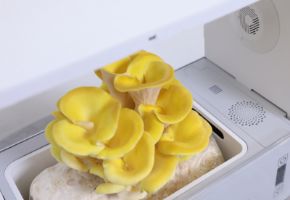
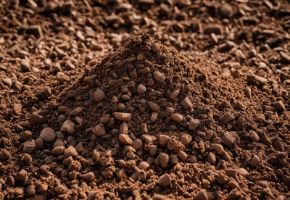
The good news is that several species perfectly suited to this recipe are easily cultivable at home with minimal investment, on lignocellulosic substrates or even coffee grounds.
| Species | Cultivation difficulty | Substrate | Time to first harvest | Use in sangria |
|---|---|---|---|---|
| Pleurotus ostreatus (oyster mushroom) | Very low | Straw, coffee grounds, sawdust | 3–5 weeks | White sangria, almond notes |
| Pleurotus eryngii (king trumpet) | Low | Enriched sawdust | 5–7 weeks | Good, meatier profile |
| Lentinula edodes (shiitake) | Medium | Oak logs, sawdust | 3–12 months on log | Smoked version, minimal doses |
| Hericium erinaceus | Medium | Hardwood sawdust | 6–10 weeks | Experimental, marine notes |
| Agaricus bisporus (button mushroom) | Medium-high | Specific compost | 5–8 weeks | As neutral base, diluent |
| Pholiota nameko | Medium | Sawdust | 8–10 weeks | Interesting, gelatinous, less suitable |
Drying: where sangria is won or lost
If you cultivate or forage, drying determines 70% of infusion quality. The rules are few and strict.
- Temperature between 40 and 45 °C for main phase, with optional 50 °C finish. Above 55 °C, aromatic precursors degrade, yielding caramel and cardboard notes.
- Uniform slice thickness, 5–8 mm: uneven slices yield partly burnt, partly moist product.
- Constant ventilation to remove exiting humidity.
- Target residual moisture of 10–12%: mushroom should snap cleanly, not bend. Above 13%, microbiological and infestation risks rise rapidly.
- 48-hour rest in sealed container after drying to equalize moisture between pieces.
- Store in darkness, freezer, or airtight container with desiccant. Freezer is best, preventing larval and moth infestations.
Season and terroir factor
A detail foragers know and relevant even in sangria pitchers: high-altitude beechwood porcini have a finer, hazelnut profile; mid-hill chestnut grove porcini are more intense and earthy; fir forest porcini carry balsamic, resinous notes. For sangria, chestnut grove porcini are best—their intensity survives wine dilution. Beechwood porcini, more elegant, get lost.
Autumn harvest is generally superior to summer for dry matter content and aromatic concentration. If purchasing, ask your supplier the harvest season of the batch: reputable sellers know and gladly provide this information.
18. Safety, Mycology, and Best Practices
This safety section isn’t formalism. A recipe putting mushrooms in an alcoholic drink meant for sharing requires real attention, and anyone offering this sangria to others assumes responsibility. The following guidelines are the absolute minimum for serving mushroom sangria to others.
Non-negotiable rules
- Use only certain edible mushrooms, identified by an expert or purchased from documented mycological-controlled supply chains: no exceptions. Infusion, alcohol, and maceration don’t neutralize poisonous mushroom toxins: some amatoxins are heat-stable and unaffected by ethanol.
- Don’t use self-foraged mushrooms unless you can identify them with absolute certainty: confusions between Boletus edulis and species like Tylopilus felleus (non-toxic but extremely bitter) or problematic-staining boletes are frequent even among experienced foragers.
- Edible mushrooms must be cooked before consumption: as stated on dried product packaging. Hence, the hot infusion method is recommended: it guarantees thermal treatment of the fungal matrix.
- Inform drinkers of mushroom presence: it’s an unexpected ingredient in sangria, and mushroom allergies and intolerances exist and can be serious.
- Never mix alcohol with unknown-species mushrooms: some species (notably Coprinopsis atramentaria) contain compounds interfering with ethanol metabolism, causing disulfiram-like reactions. Another reason to stick to known species.
- No consumption by minors, during pregnancy or breastfeeding, before driving, or with alcohol-incompatible medications.
Species to avoid in sangria, even if edible
| Species or group | Reason for exclusion |
|---|---|
| Coprinopsis atramentaria and relatives | Documented interaction with alcohol |
| So-called “functional” mushrooms in extract (reishi, cordyceps, chaga) | Regulated as supplements, not beverage ingredients; bitter profiles unsuitable |
| Armillaria mellea (honey fungus) raw or undercooked | Requires prolonged cooking and pre-boiling |
| Unidentified staining boletes | Risk of confusion with toxic species |
| Any species with psychoactive effects | Illegality and danger, total exclusion |
| Mushrooms harvested in polluted areas or near roads | Heavy metal and radionuclide accumulation |
Why mushrooms accumulate and why origin matters
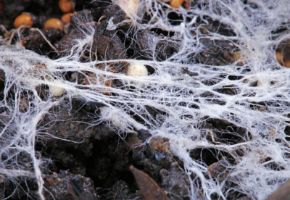
A fact researchers know well and sangria drinkers ignore: mushrooms are efficient bioaccumulators. Mycelium explores enormous soil volumes and concentrates environmental elements—including cadmium, mercury, lead, and radioactive cesium in contaminated areas—into fruiting bodies. Porcini are among the highest-accumulating species.
This isn’t a reason to avoid mushrooms (dietary amounts are far below risk thresholds) but an excellent reason to prefer traceable-origin products from known harvesting zones, and avoid anonymous, anomalously cheap products. In our recipe, the per-serving dried mushroom amount is about 1.5 grams—nutritionally irrelevant if the product is sound, but the supply-chain logic remains valid.
19. FAQ
The following questions recur most frequently among restaurateurs, bartenders, event planners, cooking enthusiasts, and food & beverage creators. Click each question to expand the answer.
| Frequently asked questions about sangria and the mushroom version |
|---|
What is the traditional sangria recipe?The traditional recipe calls for dry red wine, orange and lemon slices, sugar, a spirit—typically brandy—and ice, with a few hours' refrigerated maceration. Regional versions add apple, peach, cinnamon, or soda. Mushroom sangria fully retains this structure and only adds a concentrated porcini infusion to increase body and persistence. |
What red wine should I use for sangria?A dry, medium-bodied red with lively acidity and non-aggressive tannins, between 12.5% and 13.5% ABV. Best choices are Garnacha, young Tempranillo, Monastrell among Spanish wines; Sangiovese, Montepulciano d’Abruzzo, and Nero d’Avola among Italian wines. Avoid wines with residual sugar, heavily oaked wines, and nouveau wines. |
What wine do they use in Spain for sangria?Traditionally, local everyday red wine, often previous-year Tempranillo or Garnacha. Sangria originated as a way to valorize everyday wine, not premium wine: using expensive bottles doesn’t improve results proportionally to cost. |
What spirit goes in sangria?Brandy is the reference, especially Brandy de Jerez. Cognac, dark rum, triple sec, and red vermouth also work very well. In the mushroom version, brandy is best because its vanilla and toasted wood notes bind with porcini pyrazines. Correct dosage is 40–60 ml per liter. |
What can I use instead of brandy in sangria?Cognac, aged rum, aged grappa, red vermouth, or orange liqueur. If avoiding spirits altogether, increase porcini infusion to 90–100 ml per liter and add 10 ml lemon juice: you’ll get a sangria lower in alcohol but with intact body and length. |
What fruit is needed for sangria?Orange and apple are the fundamental pair. Orange provides acidity, sugars, and zest essential oils; apple provides crunch and clean sweetness. Peach, lemon, pear, grape, strawberry, and berries can be added. Avoid banana, kiwi, and fruits that disintegrate or cloud the drink. |
What can replace peaches in sangria?Out of season, substitute peach with crisp apple, Williams pear, apricot, or white grape. In the winter mushroom version, Sicilian blood oranges and Renetta or Annurca apples work better, with earthy notes affine to porcini. |
How much alcohol does sangria have?Homemade sangria usually ranges between 8% and 12% ABV in the pitcher, dropping to 6–9% ABV in the glass due to ice dilution. This article’s recipe reaches 11.7% ABV in pitcher and about 8–9% ABV in glass. Commercial bottled sangria must, by EU regulation, be between 4.5% and under 12% ABV. |
How many calories does sangria have?Approximately 130–180 kcal per 150 ml serving, depending on added sugar and fruit consumed. The mushroom version allows 20–30% sugar reduction because umami provides roundness, placing it toward the lower end—around 148 kcal. |
How far in advance should I prepare sangria?Optimal is 4–6 hours ahead. Under 2 hours, components haven’t integrated; beyond 12 hours, fruit releases bitterness. If preparing farther ahead, use the double-fruit technique: macerate 8–12 hours, filter, discard spent fruit, and add fresh fruit half an hour before serving. |
How long does sangria last in the fridge?Maximum 24 hours with fruit inside, up to 72 hours if filtered and fruit-free, always at 0–4 °C in sealed glass or stainless steel container. Beyond these times, oxidation and bitterness appear. Porcini infusion alone freezes for months without loss. |
Why is it called sangria?From the Spanish word sangre, meaning blood, referring to the deep red color of wine macerated with fruit. The same root gave us the color term “sangria red,” a winey bordeaux used in design and fashion. |
What is sangria’s origin?It descends from the ancient Mediterranean tradition of wines flavored with honey, spices, and herbs, documented as early as Roman times. The modern form consolidated on the Iberian Peninsula between the 18th and 19th centuries, when citrus, sugar, and ice became accessible. Internationalization came in the 1960s. |
What does mushroom sangria taste like?The attack is fruity and citrusy like classic sangria, then a savory, earthy component enters—reminiscent of forest floor, toasted hazelnut, and bread crust. It doesn’t taste like mushroom soup: if you perceive a broth flavor, the infusion is overdosed. The distinctive trait is doubled persistence compared to the traditional version. |
Why add mushrooms to sangria?Because they add the only taste axis missing from classic sangria: umami. Glutamate and nucleotides in dried porcini create synergy that increases body and length, while polysaccharides soften wine tannins. The result is a less tiring, less sweet glass that pairs well with food. |
How many dried porcini for one liter of sangria?About 20 g dried porcini yield 150 ml concentrated infusion, sufficient for 2 liters. Dosage in the drink is 60–80 ml concentrate per liter, equivalent to about 8–10 g dried mushroom per liter. Always weigh—eyeballing is the first mistake. |
Can I use fresh mushrooms instead of dried?Not advisable. Fresh mushrooms have high water content that dilutes the drink and a vegetal profile lacking the sought umami. Drying concentrates glutamate and nucleotides and develops toasted compounds. If you only have fresh mushrooms, dry them first at 40–45 °C. |
How to prepare porcini infusion for sangria?Dry-toast 20 g dried porcini for 90–120 seconds, steep in 250 ml water at 80–85 °C for 30 minutes, double-filter through strainer and paper, reduce to 150 ml on stove, and rapidly chill in ice bath. Never add warm infusion to wine. |
How to make simple homemade sangria?One bottle dry red, juice of one orange, one orange and one apple in pieces, 40 ml brandy, 30 g sugar, one cinnamon stick, and 60 ml porcini infusion. Mix, cover, refrigerate four hours, sweeten to taste, and serve with ice in glass. The complete recipe in one line. |
How to store sangria prepared in advance without losing flavor?Prepare the liquid base without fruit and store sealed in refrigerator: it integrates and improves up to 48 hours. Add fruit only 3–4 hours before service. This is the protocol I use for events and restaurant production. |
What pairs with mushroom sangria?Aged charcuterie, fried tapas, long-aged cheeses, paella, mushroom-sausage polenta, grilled meat, margherita pizza, and especially porcini risotto—the signature pairing. Avoid raw fish and sushi, where tannin causes conflict. |
What food to pair with sangria on a summer menu?Build around fried and salty items: croquetas, patatas bravas, olives, toasted almonds, cured ham, tortilla. Orange acidity and porcini umami cleanse the palate from fat, making sangria more coherent than almost any summer cocktail. |
When do they drink sangria in Spain?In the afternoon and evening, during shared meals, at parties and convivial occasions. It’s not an Italian-style pre-dinner aperitif but a table drink. The mushroom version adapts to both interpretations, as it stands up to food. |
What glasses to serve sangria in?You need a mouth at least 7 cm wide to pass fruit and release aromas. Best options are tall tumbler (350–400 ml) and wide balloon glass (500–600 ml)—the latter ideal for mushroom version. For cava version, wide flute; for warm winter version, ceramic mug. |
How to serve sangria correctly?Ice only in glass, never in pitcher, filling it two-thirds. Serving temperature 6–8 °C. Add some macerated fruit with spoon and fresh orange slice on rim. Use large cubes, at least 3 cm, to slow dilution. |
How to prepare sangria for 20 people?You’ll need about 5 liters: 5 bottles red wine, 85 g dried porcini for infusion, 9 oranges, 4 apples, 200 ml brandy, and 140 g sweetener. Prepare base without fruit the day before, add fruit 4 hours ahead, and serve from refrigerated dispenser or rotating pitchers. |
How much sangria per person for an event?Rule of thumb: 2.5 servings of 150 ml per person for a 3–4 hour event, so about 375 ml per head. If sangria is the only alcoholic drink or the event is longer, increase by 30–40%. Better to prepare excess base and assemble in batches than run out. |
How to keep sangria cold at an outdoor event?Electric refrigerated dispenser if budget allows; otherwise double tub with ice and coarse salt (lowers melting point), or frozen water bottles immersed as cold cylinders. Replenishing in 5 L batches from cold room is more effective than one 20 L dispenser. |
Which sangria variation suits formal events?Cava mushroom sangria: macerated pre-mix of infusion, citrus, and fruit poured into flute and topped with ice-cold dry sparkling wine. It has toast theater, moderate alcohol, and higher elegance perception than red pitcher version. |
How to make sangria more original for a venue?Three levers, in effectiveness order: toasted porcini infusion (unexpected); Italian blood oranges and Annurca apples instead of generic fruit; and menu naming that describes ingredients instead of just saying “house sangria.” Description affects achievable price as much as recipe. |
How much does mushroom sangria cost to make in a venue?About €7 raw material per liter with professional prices, or just over €1 per 150 ml serving. At €7–9 per glass selling price, food cost stays between 12% and 15%, better than nearly any spirit-based cocktail. Porcini accounts for only €0.14 per serving. |
Can mushroom sangria be bottled and sold?Yes, but with precise constraints. EU regulation allows “Sangría” alone only for products made in Spain or Portugal; an Italian producer must label “wine-based aromatized beverage – Sangria – produced in Italy” and respect the 4.5% to under 12% ABV range. Allergen labeling and compliance with permitted flavoring substances are also required. |
How to prepare a sangria that pleases all customers?Reduce infusion to 45–50 ml per liter, keep sweetener at 30 g, use soft wine, and add soda at service. You get a sangria approachable and sessionable, where mushroom is perceived as depth, not identifiable flavor. Keep full-dose version on menu for gastronomic experience seekers. |
Can you make non-alcoholic sangria?Yes, and it’s one of the most interesting non-alcoholic offerings possible. Use 500 ml dealcoholized red wine, 250 ml cold hibiscus and black tea infusion for tannin, 100 ml porcini infusion for body, orange juice, red grape juice, and 2–3 ml white balsamic vinegar for acidic complexity. |
What’s the difference between sangria de tinto and sangria de cava?The former is red wine-based, with body and tannin, a meal and convivial drink. The latter is sparkling wine-based, with sharper acidity, effervescence, and no tannin, functioning as an aperitif. It changes consumption moment, not just color. |
How many types of sangria exist?Main families are five: red (de tinto), white (de blanco), cava/sparkling, fruit-specific (peach, berries), and non-alcoholic. To these add modern technical variations, including mushroom, fizzy, smoked, and warm winter versions. |
Can you serve sangria hot?Yes, in the winter variation, warming to 45–50 °C without exceeding 60 °C (above which alcohol evaporates and mushroom aromas degrade). With blood oranges, cloves, star anise, and chestnut honey, it becomes halfway between sangria and mulled wine—excellent at winter markets. |
What mushrooms to use if I can’t find porcini?In substitution order: horn of plenty (almost truffle-like); shiitake (very potent but sulfurous, use half dose); chanterelles (more delicate, better for white sangria); oyster mushrooms for gentle profiles. Common button mushroom alone isn’t sufficient. |
Can I use mushrooms I foraged myself?Only if you can identify them with absolute certainty or have them verified by a mycologist. Infusion, heat, and alcohol don’t neutralize poisonous mushroom toxins. For drinks served to others, the responsible choice is dried product with documented mycological control. |
Can I cultivate porcini at home for infusion?No. Boletus edulis is a mycorrhizal symbiont living in tree root association and isn’t practically cultivable on substrate. Oyster mushrooms, king trumpet, shiitake, and lion’s mane are easily cultivable at home and usable in sangria variations. |
How to dry mushrooms for the best infusion?Uniform 5–8 mm slices, drying at 40–45 °C with constant ventilation, target residual moisture of 10–12%—mushroom should snap cleanly—48-hour rest in sealed container to equalize, then store in darkness in freezer or airtight jar. |
Does mushroom sangria have health benefits?No, and it shouldn’t be presented as such: it contains alcohol, which is the nutritionally relevant element of this preparation. Infusion provides traces of beta-glucans, ergothioneine, and minerals, but in marginal amounts. If seeking mushroom benefits, the right place is the plate, not the glass. |
Why does my sangria taste too much like mushrooms?Overdosed or over-reduced infusion. Correct by diluting with equal parts wine and orange juice, then rebalance acidity with 5 ml lemon. Next time, start with 45 ml infusion per liter and increase gradually. |
Why is my sangria bitter?Three possible causes, in likelihood order: too-long maceration with citrus pith, using treated citrus with zest, or squeezing infusion residue during filtration. Filter, discard spent fruit, and renew with fresh fruit. |
How to photograph sangria for social media?Side or 45° backlighting, never frontal: a translucent red liquid front-lit becomes a dark blob. Neutral light background, large clear ice cubes, whole orange disc, and a dried porcini slice on rim as contrasting storytelling element. |
Can you freeze sangria?Filtered sangria yes, becoming an excellent granita scraped with a fork—perfect dessert. Sangria with fruit inside no: freezing ruptures fruit cell walls, yielding mush upon thawing. Porcini infusion, however, freezes ideally in 15 ml cubes. |
Should I add salt to sangria?A minimal pinch, 0.2–0.3 g per liter, disproportionately amplifies umami perception and reduces bitterness. It won’t taste salty. It’s a standard professional mixology technique and works particularly well in mushroom sangria. |
What are the gravest preparation mistakes?Eyeballing porcini, using treated citrus with zest, adding warm infusion to wine, putting ice in pitcher, sweetening before maceration, exceeding 24 hours with fruit. The sixth mistake—the gravest—is using unidentified mushrooms. |
19. Final Mushroom Sangria Checklist
Review before every preparation: seven checks covering 90% of what can go wrong in a porcini sangria.
- Porcini weighed, toasted, infused at 80–85 °C, never boiled.
- Infusion double-filtered and chilled to refrigerator temperature.
- Citrus untreated if using zest in sangria.
- Wine dry, lively acidity, no aggressive oak.
- Pre-mix tasted before adding wine.
- Sangria maceration between 4 and 6 hours, cinnamon removed after 4.
- Sweetener added at the end, ice only in glass, service at 6–8 °C.
20. Why This Sangria Is Worth Your Time
By the end of this journey, the central point should be clear. Mushroom sangria isn’t a bar experiment but a technical correction of a structural flaw in the original recipe: the lack of a savory axis providing sip length. Porcini infusion solves that problem with an ingredient costing fourteen cents per serving—and in doing so, also allows sugar reduction, tannin softening, and vastly expanded food pairing possibilities.
If you’re a restaurateur or bartender, you now hold a proposal with enviable food cost and a story tellable in fifteen seconds. If you organize events, you have an advance production protocol handling two hundred covers. If you cook for friends, you have a recipe prepared in an evening that none of your guests have tasted elsewhere. If you forage or cultivate mushrooms, you have a novel, unusual way to use your product—from drying to glass.
One final, most important recommendation: start with porcini, not wine. A €6 wine with excellent porcini yields better results than a €20 wine with anonymous porcini. It’s the only place where extra spending directly translates to glass quality. And always remember: we’re discussing an alcoholic beverage—it should be consumed in moderation, never by minors, never before driving.
This article was developed with the support of artificial intelligence and later reviewed, corrected, and validated by the technical team at NaturNext.eu, which ensures its reliability and compliance with official sources.
Continue your journey into the world of mushrooms
The fungal kingdom is an ever-evolving universe, with new scientific discoveries emerging yearly about their extraordinary benefits for gut health and overall wellness. From now on, when you see a mushroom, you’ll think not just of its flavor or appearance, but of all the therapeutic potential packed into its fibers and bioactive compounds.
✉️ Stay connected - Subscribe to our newsletter to receive the latest research on:
- New studies on mushrooms and the microbiome
- Advanced home cultivation techniques
- Deep dives into lesser-known species
Nature offers extraordinary tools for caring for our health. Mushrooms, with their unique balance of nutrition and medicine, represent a fascinating frontier we’re only beginning to explore. Follow us to discover how these remarkable organisms can transform your approach to wellness.