



The world of natural extracts has grown extraordinarily in recent years, transforming from a niche for enthusiasts into a reference sector for naturopaths, wellness professionals, researchers, and consumers who wish to care for their health in a conscious and scientifically grounded way. Yet, faced with shelves and digital catalogs increasingly crowded with products labeled as "natural extract," "medicinal extract," or "mushroom extract," confusion has become the norm rather than the exception. How do you truly recognize a quality extract? What objective criteria distinguish an excellent preparation from a poor one? And why is certification the only reliable tool for navigating this market?
In this comprehensive guide, we will explore every aspect of the world of extracts: from basic definitions to extraction processes, from European regulations to quality markers that every label should report, up to detailed profiles of the most important fungal species including the magnificent Agaricus augustus, the giant meadow mushroom beloved both in the kitchen and for its bioactive properties. You will discover how to compare a mushroom extract with an herbal extract, what "standardization" really means, why the fruiting body is more valuable than mycelium, and how to integrate medicinal extracts into a safe, personalized, and lasting wellness journey. In this article...
What is an extract? Definition, synonyms, and history
The term extract (from Latin extractum, past participle of extrahere, "to draw out") refers to any preparation obtained by isolating and concentrating active principles or substances of interest from a vegetable, fungal, animal, or mineral raw material through a defined physical-chemical process.
In pharmacognosy, the discipline that studies natural drugs, the extract represents one of the oldest and most studied pharmaceutical forms: already in ancient Egypt and traditional Chinese medicine, decoctions, macerations, and tinctures were prepared that constituted the primitive forms of today's extracts. With the development of modern chemistry in the 19th and 20th centuries, extraction techniques have been refined, making it possible to isolate, quantify, and standardize active fractions with a precision impossible for traditional preparatory forms.
Synonyms for extract and related terminology
In the Italian language and in technical-scientific language, the term extract has numerous synonyms and related terms that are useful to know for navigating labels, package inserts, and scientific literature. Here are the main ones:
- Extract — basic form, also indicated as extractum in official Latin nomenclature;
- Concentrated preparation — generic synonym emphasizing volume reduction compared to raw material;
- Tincture — liquid extract obtained by maceration in ethyl alcohol; technically distinct from fluid extract due to the drug/solvent ratio (1:5 or 1:10);
- Fluid extract — concentrated solution where the drug/solvent ratio is 1:1; 1 ml of fluid extract equals 1 g of dried drug;
- Dry extract — powder obtained by solvent evaporation, with residual moisture below 5%; the most common form in dietary supplements;
- Soft extract — semi-solid preparation with moisture content between 5% and 30%;
- Phytoextract — term used for extracts of plant origin;
- Mycoextract or mycotic extract — neologisms used in the sector to indicate mushroom extracts;
- Drug — in pharmacognostic language, indicates the part used of a plant or fungus (e.g., "the drug is the dried fruiting body"); in this context, drug extract refers to the extract obtained from the official drug;
- Botanical concentrate — increasingly common marketing term, but less precise;
- Distillate — technically different from extract (implies a distillation process), but often improperly used as a synonym.
Brief history of extracts: from herbalism to biotechnology
The history of natural extracts is, in a sense, the history of medicine itself. For millennia, humanity has used infusions, decoctions, macerations, and poultices as main therapeutic tools. The modern turning point occurred with the discovery of morphine in 1804 by Friedrich Sertürner, who first isolated a pure active principle from opium: from that moment, the concept of "isolating and concentrating what works" became the dominant paradigm of pharmacology. In the 1940s, the standardization of herbal extracts (i.e., guaranteeing that each batch contains a defined amount of active principle) revolutionized the sector, making possible the industrial production of reproducible and safe supplements. Today, extraction techniques with supercritical CO2, high-performance liquid chromatography (HPLC), and nanotechnology bring the production of medicinal extracts to levels of precision our ancestors could not have imagined.
In the specific field of mushroom extracts, the history is parallel but with its own trajectory: while traditional Chinese medicine has used mushrooms like Reishi, Shiitake, and Chaga for over 2,000 years, systematic scientific research on fungal medicinal extracts only gained momentum starting in the 1960s-1970s, when Japanese researchers discovered the immunostimulating properties of Lentinan (a beta-glucan extracted from the mushroom Lentinula edodes), paving the way for decades of research that transformed mycotherapy into a discipline with solid scientific foundations.
The global extract market: data and trends
According to the Grand View Research report (2024), the global market for botanical and fungal extracts is worth over 42 billion dollars and grows at a compound annual rate exceeding 8%. The medicinal mushroom extracts segment is the fastest-growing, driven by growing interest in immune health, integrative medicine, and natural solutions for stress and cognitive health. In Europe, the market for natural medicinal extracts is regulated mainly by Regulation EC 1924/2006 on nutritional and health claims and by Directive 2004/24/EC on traditional herbal medicinal products.
Types of extracts: liquid, dry, soft, and standardized
Understanding the different types of extracts available on the market is the first step toward making informed choices. The physical form and production process of an extract directly influence the bioavailability of active principles, stability over time, ease of use, and naturally the price. Each type has its strengths and ideal applications: there is no universally superior form, but there are forms more suitable for specific goals and users.
Fluid (or liquid) extract
Fluid extract is a concentrated solution in which the ratio between the amount of starting drug and the volume of the final product is 1:1, meaning 1 ml of fluid extract corresponds to 1 g of dried drug. It is the form that maintains the phytochemical profile closest to the original raw material, since the extraction process is less aggressive compared to producing dried powders. The main advantages include rapid intestinal absorption (the liquid extract does not need to be dissolved by digestive enzymes before being absorbed) and the ability to easily customize the dose. The disadvantages concern lower concentration compared to dry extracts, the need for refrigeration after opening, and often intense flavor (bitter, astringent, or earthy in the case of mushroom extracts).
In the segment of fungal medicinal extracts, fluid extracts are particularly common for species like Reishi (Ganoderma lucidum) and Chaga (Inonotus obliquus), where triterpenes (the most valuable class of compounds) solubilize better in alcoholic solvents than in water. An alcoholic tincture of Reishi, for example, may contain up to 3–4 times more ganoderic acids than an aqueous decoction of the same amount of raw material.
Soft extract
Soft extract is a semi-solid preparation with moisture content between 5% and 30%. It is relatively rare in the consumer dietary supplement market, but widely used as an intermediate form in pharmaceutical production, before transformation into dry extracts or pharmaceutical formulations. Some traditional herbal preparations, such as certain calendula-based ointments, technically fall into this category.
Dry extract (powder)
Dry extract in powder form is the most widespread form in modern dietary supplements. It is obtained by evaporating the extraction solvent (water, alcohol, or mixtures) until reaching a residual moisture content below 5%. The advantages are numerous: long shelf life (up to 3 years if stored properly), high concentration (common drug:extract ratios are 4:1, 8:1, 10:1, up to 50:1 for very potent extracts), ease of encapsulation, and precise dosing. The main disadvantage is that some heat-labile molecules may be partially degraded during drying if technologies such as freeze-drying or low-temperature spray drying are not used.
Dry mushroom extract powder is the predominant form on the dietary supplement market: it is found in capsules, tablets, single-dose sachets, and bulk for custom preparations. A dry extract of Hericium erinaceus (Lion's Mane) standardized to 30% polysaccharides, for example, contains in 500 mg of powder the equivalent of about 4–5 g of crude dried mushroom.
Standardized extract: the gold standard of quality
The concept of standardized extract is fundamental for anyone wishing to purchase quality extracts. An extract is defined as standardized when the concentration of one or more marker active principles is guaranteed within a precise range in every production batch. This guarantee is possible only through quantitative chemical analyses — typically HPLC (High Performance Liquid Chromatography) or GC-MS (Gas Chromatography-Mass Spectrometry) — performed both on the raw material and on the finished product.
| Type of extract | Physical form | Moisture | Typical drug:extract ratio | Main advantages | Main disadvantages |
|---|---|---|---|---|---|
| Fluid extract | Liquid | >30% | 1:1 | Rapid absorption, natural profile | Low concentration, short shelf life |
| Tincture | Alcoholic liquid | ~60–80% | 1:5 – 1:10 | Solubilizes triterpenes, intense taste | Contains alcohol, not for everyone |
| Soft extract | Semi-solid | 5–30% | 2:1 – 5:1 | Pharmaceutical use, galenics | Rare in consumer market, difficult handling |
| Dry extract (powder) | Powder | <5% | 4:1 – 50:1 | High concentration, long shelf life, encapsulable | Possible degradation of heat-labile compounds |
| Standardized extract | Powder / liquid | variable | variable | Guarantees concentration of active principles | More expensive process, requires analysis |
| Freeze-dried extract | Powder | <2% | variable | Preserves heat-labile compounds, maximum bioavailability | High cost, special technology |
Double extract: why it is essential for mushrooms
One of the most important characteristics of high-quality mushroom extracts is the double extraction (double extraction) process. Medicinal mushrooms contain two main classes of active principles with very different solubilities: beta-glucans (water-soluble polysaccharides, soluble in hot water) and triterpenes (fat-soluble, soluble in alcohol). An extract obtained with water only (like a traditional decoction) captures beta-glucans but loses triterpenes, while an alcoholic extract recovers triterpenes but not beta-glucans. The double extract combines the two processes, guaranteeing the presence of both active fractions in the final product.
Medicinal extract: regulatory and pharmacognostic definition
The concept of medicinal extract lies at the crossroads between traditional pharmacognosy, modern pharmaceutical regulation, and the dietary supplement market. Defining it precisely is fundamental not only for academic reasons, but especially for practical ones: the classification of an extract as "medicinal" or as a "dietary supplement" determines the legal production requirements, the efficacy evidence required, the therapeutic indications that can be claimed, and, not least, the level of quality control to which the product is subjected.
European regulatory definition
In Europe, a medicinal extract falls into the medicinal product category under Directive 2001/83/EC of the European Parliament if it meets one of two definitive criteria: the functional definition (the product is presented as having curative or prophylactic properties for human diseases) or the functional definition by function (the product can modify physiological functions producing a pharmacological, immunological, or metabolic effect). Traditional herbal medicinal products (which include many medicinal extracts of herbs and, increasingly, of mushrooms) are specifically regulated by Directive 2004/24/EC, which established the Committee on Herbal Medicinal Products (HMPC) at the EMA (European Medicines Agency).
Most mushroom extracts currently marketed in Italy and Europe are classified as dietary supplements under Legislative Decree 169/2004 (Italian implementation of Directive 2002/46/EC). This means they cannot report therapeutic indications or claim to cure diseases, but they can report nutritional and health claims approved by Regulation EC 1924/2006, such as "contributes to the normal functioning of the immune system" or "contributes to the reduction of tiredness and fatigue".
Medicinal extract vs. dietary supplement: practical differences
| Characteristic | Medicinal extract (drug) | Dietary supplement with extract |
|---|---|---|
| EU regulatory basis | Dir. 2001/83/EC; Dir. 2004/24/EC | Dir. 2002/46/EC; Reg. EC 1924/2006 |
| Authorization | MA (Marketing Authorization) or simplified registration | Notification to the Ministry of Health |
| Efficacy evidence | Clinical studies or at least 30 years of documented traditional use | Not required for notification |
| Quality control | Pharmaceutical GMP (mandatory), Ph.Eur. | Food GMP or voluntary ISO 22000 |
| Permitted indications | Therapeutic (disease treatment) | Only approved nutritional/health claims |
| Supervision | AIFA (Italy), EMA (EU) | Ministry of Health |
The concept of "drug" in pharmacognosy
The term drug extract (often a source of confusion for consumers) has a precise and neutral technical meaning in pharmacognosy. The "drug" is simply the part of the plant or fungus used for therapeutic purposes: it may be the fruiting body, mycelium, root, leaf, bark, or seed. The extract is obtained from the drug to extract and concentrate its active principles. When a label reports "standardized extract of Ashwagandha root (drug: root)", it is indicating that the raw material used is the root (the drug) and that the product is an extract obtained from it. The drug:extract ratio (e.g., "8:1") indicates that 8 g of dried drug were needed to produce 1 g of extract.
European Pharmacopoeia and extract quality
The European Pharmacopoeia (Ph.Eur.), periodically updated by the EDQM (European Directorate for the Quality of Medicines), defines quality standards for medicinal extracts used in medicinal product production. For each type of extract included in the Pharmacopoeia, the following are specified: preparation method, permitted solvent, maximum loss on drying, minimum active principle content, and identification and purity tests. Although these standards formally apply only to true medicinal products, quality supplement manufacturers tend to voluntarily adopt them as a reference for their own quality control processes.
Mushroom extract: characteristics, active principles, and production methods
Mushroom extract is one of the fastest-growing categories of natural extracts worldwide, and for excellent reasons: medicinal mushrooms (a category comprising hundreds of species) from the most well-known like Reishi and Shiitake to lesser-known ones like Agaricus augustus or Trametes versicolor, produce an extraordinarily rich range of bioactive compounds that have no equivalents in the plant kingdom. Understanding the chemical composition of mushroom extracts and the methods for obtaining them is essential for evaluating their quality and choosing the product most suitable for one's needs.
Active principles of mushroom extracts
Beta-glucans: the immunological heart of fungal extracts
Beta-glucans are polysaccharides, chains of glucose molecules linked by β(1→3) and β(1→6) bonds, which constitute the structure of fungal cell walls. They are considered the most important active principles of mushroom extracts with immunomodulating function. Fungal beta-glucans (structurally different from oat beta-glucans, which have predominantly β(1→3), β(1→4) bonds) bind to specific receptors of human immune cells (particularly the Dectin-1 receptor, Toll-Like Receptor TLRs, and complement receptor 3 CR3), activating a coordinated immune response without excessive stimulation. This modulation property (not simple stimulation) is what distinguishes medicinal extracts of mushrooms from conventional immunostimulants.
The concentration of beta-glucans in a quality mushroom extract typically varies between 20% and 50% of the weight of the dry extract. A standardized extract "at 30% beta-glucans" guarantees that every 500 mg of powder contains at least 150 mg of active beta-glucans.
Triterpenes: the adaptogenic soul of fungal extracts
Triterpenes are fat-soluble terpenoid molecules particularly abundant in certain fungal species such as Reishi (Ganoderma lucidum), Chaga (Inonotus obliquus), and Agaricus blazei. In Reishi, triterpenes are called ganoderic acids and are responsible for the characteristic bitter taste of the mushroom and numerous bioactive properties: adaptogenic action, hepatoprotective, antihistamine, antihypertensive, and potentially anticancer (in in vitro studies and animal models). A high-quality medicinal extract of Reishi should report on the label the percentage of total triterpenes (typically 2–6% for dry extracts).
Eritadenine, ergosterol, and other minor compounds
Mushroom extracts contain numerous other bioactive compounds, often less well-known but no less important. Eritadenine, present in significant concentrations in Shiitake extracts, has demonstrated cholesterol-lowering properties in several human studies. Ergosterol (precursor of vitamin D2 in mushrooms) is present in almost all mushroom extracts and contributes to their bone metabolism support function. Shiitake lentinans, Lion's Mane erinacines and ericenones, Trametes versicolor PSK (Polysaccharide-K or Krestin) are other active principles subject to intense scientific research.
Mushroom extract extraction methods
Aqueous extraction (hot water extraction)
Aqueous extraction or hot water extraction is the oldest and most widely used method for producing mushroom extracts. The fungal material (dried fruiting body or mycelium) is subjected to boiling in water for a period varying from several hours to several days, at temperatures between 80°C and 100°C. This process solubilizes and hydrolyzes beta-glucans, breaking bonds between polysaccharide chains and making them available for intestinal absorption. Aqueous extraction is ideal for predominantly beta-glucan species like Lion's Mane, Shiitake, and Maitake.
Alcoholic extraction (alcohol extraction)
Alcoholic extraction uses ethanol (typically 60–80%) as solvent, alone or in combination with water. Alcohol is the solvent of choice for triterpenes, flavonoids, and other fat-soluble compounds that water cannot effectively extract. To obtain an alcoholic mushroom extract free of alcohol in the finished product, the solvent is evaporated at low temperatures under vacuum.
Double extraction (dual extraction)
As already discussed, the double extract combines the two previous methods to obtain a complete mushroom extract. The two fractions (aqueous and alcoholic) are then combined and concentrated, guaranteeing the presence of beta-glucans, triterpenes, and main bioactive compounds. It is the recommended method for species like Reishi and Chaga, and the preferred method by mycotherapy experts for obtaining a complete-profile medicinal extract.
Supercritical CO2 extraction
Supercritical CO2 extraction is an advanced technology that uses CO2 under temperature and pressure conditions above its critical point (31°C and 74 bar) as a "green" non-toxic solvent. It allows obtaining extractive fractions of very high purity, perfectly preserving heat-labile compounds and without solvent residues. The high costs make it suitable mainly for premium fractions of high-value-added extracts.
| Extraction method | Solvent | Extracted active principles | Suitable for | Notes |
|---|---|---|---|---|
| Aqueous (HWE) | Water 80–100°C | Beta-glucans, water-soluble polysaccharides | Lion's Mane, Shiitake, Maitake | Traditional method; does not extract triterpenes |
| Alcoholic | Ethanol 60–80% | Triterpenes, flavonoids, fat-soluble compounds | Reishi, Chaga | Requires alcohol evaporation; not ideal for beta-glucans alone |
| Double extraction | Water + Ethanol | Beta-glucans + triterpenes + minor compounds | Reishi, Chaga, Agaricus blazei | Quality gold standard; more expensive |
| Supercritical CO2 | CO2 | Concentrated fat-soluble fractions | Premium extracts, pure fractions | Zero solvent residues; high cost |
| Fermentation | — | Predigested compounds, increased bioavailability | Special fermented products | Emerging technology; few products on market |
Fruiting body vs. mycelium: a crucial distinction
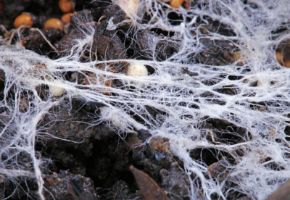
One of the most important differences (and unfortunately most often concealed by producing companies) concerns the part of the mushroom used to produce the extract: the fruiting body (the part of the mushroom visible above or near the ground, the "cap and stem" in common language) or the mycelium (the network of underground or substrate-cultivated hyphae). The choice is not only a biological matter but has direct implications for the quality of the mushroom extract.
Numerous independent studies, including those by American researcher Jeff Chilton (founder of Nammex) and the China Agricultural University, have demonstrated that extracts obtained from the fruiting body contain on average concentrations of fungal beta-glucans 5 to 10 times higher than extracts from mycelium cultivated on cereal substrates (rice, oats, barley). The reason is simple: commercial mycelium is cultivated on cereal substrates that inevitably contaminate the final product with starches (alpha-glucans) which, as we have seen, do not have the immunomodulating properties of fungal beta-glucans.
The practical rule is simple: a quality mushroom extract clearly reports on the label "from fruiting body" (fruiting body) and indicates the analytically confirmed percentage of beta-glucans. In the absence of this information, it is preferable to choose an alternative product.
Differences between mushroom extract and herbal extract
The comparison between mushroom extract and herbal extract is one of the most frequent topics in conversations among wellness professionals, naturopaths, and natural medicine enthusiasts. The two categories have many things in common (both are based on active principles of natural origin, both require specific extraction processes, both are regulated as dietary supplements) but present substantial differences in terms of chemical composition, action profile, and quality evaluation criteria. Understanding these differences is essential for making informed choices and for fully exploiting the potential of both types of natural extracts.
Differences in chemical composition
Plants and mushrooms belong to completely different biological kingdoms: plants to the kingdom Plantae, mushrooms to the kingdom Fungi, which is phylogenetically closer to animals than to plants. This evolutionary diversity is reflected in profoundly different chemical compositions:
| Component | Herbal extract (vegetable) | Mushroom extract |
|---|---|---|
| Main polysaccharides | Cellulose, hemicellulose, pectins, inulin | Beta-glucans (β-1,3/1,6-glucans), chitin |
| Phenolic compounds | Flavonoids, phenolic acids, abundant tannins | Present but in lower quantities, species-specific |
| Terpenoids | Monoterpenes, sesquiterpenes (essential oils); diterpenes | Specific triterpenes (ganoderic acids, lanostanes) |
| Alkaloids | Often present (morphine, caffeine, quinine...) | Rare, species-specific (e.g., psilocybin in Psilocybe) |
| Sterols | Phytosterols (beta-sitosterol, campesterol) | Ergosterol (vitamin D2 precursor), fungicolum |
| Proteoglycans | Rare | Abundant in many medicinal species |
| Enzymes | Peroxidases, plant amylases | Laccases, cellulases, specific ligninolytic enzymes |
| Cell wall structure | Cellulose + lignin | Chitin + beta-glucans (chitin indigestible by humans) |
Differences in biological action
The different chemical composition translates into distinct biological action profiles. Herbal extracts tend to have more specific and direct actions: chamomile calms due to its apigenin content (flavonoid with anxiolytic action); dandelion stimulates diuresis due to its sterols and carboxylic acids; valeriana induces sleep thanks to valerianates and valepotriates. Mushroom extracts, on the contrary, tend to have more systemic and modulating actions: the immune system is the main target, but many fungal medicinal extracts also show adaptogenic actions (stress support), neuroprotective (Lion's Mane), hepatoprotective (Reishi), and metabolic (Shiitake for cholesterol).
Differences in optimal extraction methods
An often overlooked aspect concerns differences in extraction chemistry. Herbal extracts in many cases are effectively obtained with hot water (infusions, decoctions) or with ethanol at various concentrations, depending on the target class of compounds. Mushroom extracts, as we have seen, often require double extraction to release both beta-glucans (hot water) and triterpenes (alcohol). Furthermore, the fungal cell wall is composed mainly of chitin (a very resistant polymer that the human digestive system cannot degrade), which makes a mechanical extraction phase (fine grinding) or enzymatic (chitinase) fundamental before the chemical one, to make available the active principles trapped in the mushroom cells.
How to choose: mushrooms or herbs?
The question "is a mushroom extract or an herbal extract better?" is meaningless if asked in the abstract. The answer always depends on the specific goal and individual context. In general, mushroom extracts are particularly indicated when the goal is immune support, adaptation to chronic stress, neuroprotection, and support for energy metabolism. Herbal extracts are often preferable for more specific and rapid effects: managing acute anxiety (valeriana, passiflora), digestive support (mint, fennel), local antioxidant action (turmeric, rosemary). In many advanced mycotherapy protocols, the two types of extracts are used in synergy, exploiting the complementarity of their respective properties.
Main fungal species for medicinal extracts
The world of medicinal mushroom extracts is populated by hundreds of species, but some of them (for their exceptional properties, availability of solid scientific research, and commercial diffusion) have established themselves as absolute references in the field of mycotherapy. Knowing the characteristics of each species, the peculiar active principles, and indications for use is fundamental for choosing the mushroom extract most suitable for one's health goals.
Reishi (Ganoderma lucidum) — The mushroom of immortality
Reishi is probably the most studied medicinal mushroom in the world, with over 400 published clinical studies and a tradition of use in Chinese medicine of over 2,000 years. Its extract is the reference point for the category of fungal adaptogens. The main active principles of Reishi are polysaccharides (beta-glucans, mainly Ganoderma polysaccharides) and triterpenes (ganoderic acids, more than 100 different types identified). A quality medicinal extract of Reishi from fruiting body should contain ≥30% polysaccharides and ≥2% total triterpenes. Documented properties include: immunomodulation, adaptogenic action, hepatic support, antihistamine properties, potential anticancer (as adjuvant in combination with chemotherapy), modest hypotensive action, and sleep regulation.
Lion's Mane (Hericium erinaceus) — The mushroom of the mind
Hericium erinaceus, called Lion's Mane for its characteristic white feathery shape, is the most interesting medicinal mushroom for its neurotrophic properties. Its unique compounds (ericenones in the fruiting body structures and erinacine in the mycelium) are the only known natural compounds capable of stimulating the synthesis of NGF (Nerve Growth Factor), a protein essential for the growth, maintenance, and regeneration of neurons. Two randomized controlled clinical trials (Mori et al., 2009; Saitsu et al., 2019) have documented significant cognitive improvements in elderly adults with MCI (Mild Cognitive Impairment) after taking Lion's Mane extract. Lion's Mane mushroom extract is today one of the most sought-after for cognitive support, memory, focus, and prevention of neurodegenerative decline.
Chaga (Inonotus obliquus) — The King of the forest
Chaga is a fungal "conk" parasitic on birch, with a carbonized and hard appearance that hides inside an extraordinarily rich brown-orange pulp of active principles. It has the highest concentration of antioxidants among all medicinal mushrooms and the ORAC value (Oxygen Radical Absorbance Capacity) of Chaga is about 146,700 units per 100 g, higher than any known food. Main active principles include betulinol (derived from the host birch), betulinic acid, fungal melanins, beta-glucans, and sterols. Chaga extract requires double extraction to recover both beta-glucans (water) and triterpenes/betulinol (alcohol). It is particularly appreciated for antioxidant and anti-inflammatory action.
Cordyceps (Cordyceps militaris, C. sinensis) — The mushroom of energy
Cordyceps is an entomopathogenic fungus (parasite of insects) with adaptogenic and tonic properties systematically studied. Its peculiar active principle, cordycepin (3'-deoxyadenosine), present in C. militaris, has demonstrated antioxidant, anti-fatigue, anti-aging, and potentially antiviral properties. Two randomized controlled studies on athletes have shown statistically significant increases in VO2max and aerobic endurance. The medicinal extract of Cordyceps is particularly appreciated by athletes, people suffering from chronic fatigue, and subjects with chronic respiratory pathologies (COPD) in compensation phase.
Shiitake (Lentinula edodes) — The mushroom of wellness
Shiitake is the most consumed medicinal mushroom in the world as food, with over 10 million tons produced annually. Its main medicinal extract is Lentinan (a beta-glucan β(1→3) with triple helix structure) approved in Japan as an adjuvant drug in gastric cancer therapy since the 1980s. Shiitake eritadenine has demonstrated in clinical studies the ability to significantly reduce LDL cholesterol. Shiitake mushroom extract is available in powder, capsules, and injection (pharmaceutical Lentinan), with applications in integrative oncology, immunology, and preventive cardiology.
Maitake (Grifola frondosa) — The dancing mushroom
Maitake is a wild polypore mushroom that grows at the foot of old oaks, with a "bouquet" structure of overlapping caps that can reach impressive dimensions (up to 50 cm in diameter). Its characteristic immunological active principle is D-Fraction — a unique beta-glucan structure, patented by researcher Hiroki Nanba in the 1980s — considered among the most potent in activating macrophages and NK cells (Natural Killer). Maitake extract is also studied for its antidiabetic properties (reduction of postprandial glycemia) and antihypertensive effects.
Trametes versicolor (Turkey Tail) — The rainbow mushroom
Trametes versicolor, so called for its colored rings resembling a turkey's tail (turkey tail in English), is the fungal species with the highest number of clinical studies in integrative oncology. Its main active principle, PSK (Polysaccharide-K, or Krestin), a beta-glucan proteoglycan, is approved as a cancer therapy drug in Japan since 1977 and is one of the best-selling oncology drugs in that country. A second compound, PSP (Polysaccharide-Peptide), is approved in China. The medicinal extract of Trametes versicolor is the most sought-after in integrative oncology.
| Species | Common name | Key active principles | Main indications | Recommended extraction method |
|---|---|---|---|---|
| Ganoderma lucidum | Reishi | Beta-glucans, Ganoderic acids (triterpenes) | Immunomodulation, adaptogen, sleep, liver | Double extract (water + alcohol) |
| Hericium erinaceus | Lion's Mane | Erinacine, Ericenones, Beta-glucans | Neuroprotection, memory, focus, NGF | Aqueous or double extract |
| Inonotus obliquus | Chaga | Betulinol, Melanins, Beta-glucans | Antioxidant, anti-inflammatory | Double extract |
| Cordyceps militaris | Cordyceps | Cordycepin, Adenosine, Beta-glucans | Energy, endurance, respiratory function | Aqueous or double extract |
| Lentinula edodes | Shiitake | Lentinan, Eritadenine, Ergosterol | Immunity, cholesterol, integrative oncology | Aqueous (Lentinan), double for complete profile |
| Grifola frondosa | Maitake | D-Fraction, Beta-glucans | Immunity, glycemia, blood pressure | Aqueous or double extract |
| Trametes versicolor | Turkey Tail | PSK, PSP, Beta-glucans | Integrative oncology, immunity | Aqueous |
| Agaricus blazei | Cogumelo do Sol | Beta-glucans (ABM), Agaritine (caution) | Immunity, potential anticancer | Aqueous or double extract |
| Agaricus augustus | Giant meadow mushroom | Beta-glucans, Ergosterol, Phenolic acids | Nutraceutical, antioxidant, culinary | Aqueous, dried powder |
How to recognize a certified quality extract: the ultimate checklist
Choosing a mushroom extract (or more generally, a natural extract) of quality should not be left to chance or blindly relying on price or packaging graphic appearance. There is a series of objective criteria, verifiable by anyone, that distinguish an excellent product from a mediocre or even counterfeit one. This section will provide you with the ultimate checklist to evaluate any medicinal extract or mushroom extract before purchase.
The label: the extract's identity document
The label of a quality extract is a transparent and complete document. Here is what it must contain and why each element is important:
a) Exact species denomination with scientific name
The label must report the complete scientific name (genus + species) of the mushroom or plant used, not just the common name. "Reishi extract" is an incomplete indication: there are several Ganoderma species and not all have the same active principle profile. The correct name is Ganoderma lucidum (or, in some cases, Ganoderma tsugae or Ganoderma sinense, with slightly different profiles). The same applies to the giant meadow mushroom: Agaricus augustus is a well-defined species, different from Agaricus blazei, from Agaricus bisporus, and from Agaricus urinascens.
b) Part of plant/fungus used
The label must specify whether the extract comes from the fruiting body, from the mycelium, from primordia, or from a combination. As discussed, fruiting body extracts are generally superior in terms of fungal beta-glucan concentration.
c) Drug:extract ratio
Indicates the degree of concentration: "10:1" means that 10 g of dried drug produced 1 g of extract. A high ratio indicates greater concentration, but is not sufficient in itself to guarantee quality if not accompanied by standardization.
d) Percentage of standardized active principles
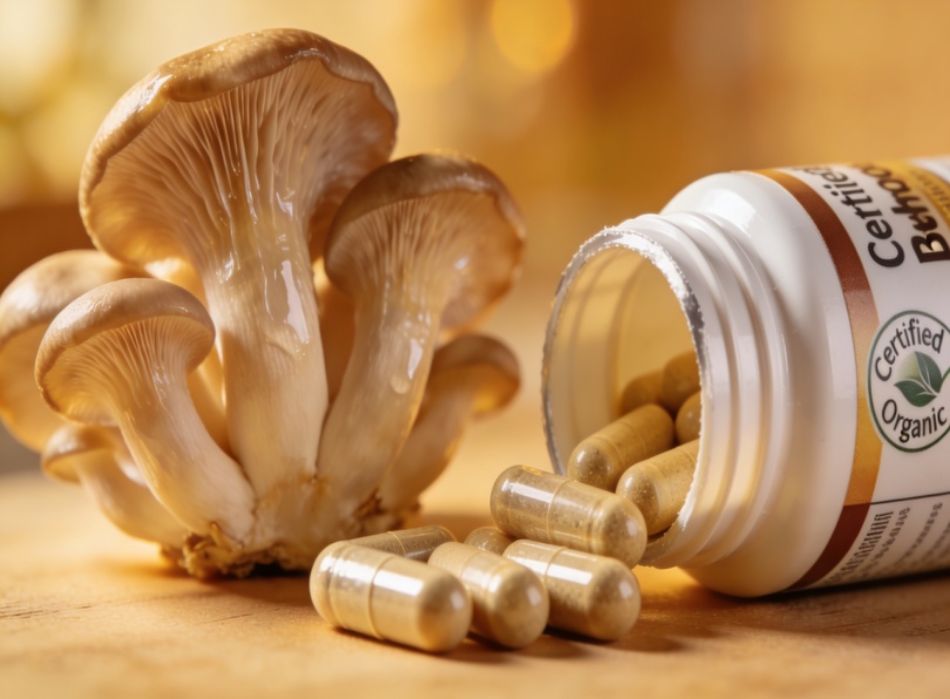
This is the most important information. A certified extract reports the guaranteed percentage of marker active principles: for a mushroom extract, typically beta-glucans (≥20–40%), triterpenes (for Reishi ≥2%), cordycepin (for Cordyceps militaris). These percentages must be analytically verified (e.g., HPLC) and certified by an independent third-party laboratory.
e) Extraction method
The extraction method used (aqueous, alcoholic, double extraction, supercritical CO2) must be clearly indicated. Its absence is a warning sign.
f) Absence of undesirable additives
A quality extract should not contain unnecessary additives such as fillers (talc, silica), flow agents, artificial colors, or sweeteners unless strictly necessary for the formulation. The ingredient list should be as short as possible.
g) Producer information and traceability
The producer must be clearly identified (company name, address), with batch number, production date, and expiration date. Batch traceability is fundamental for tracing the origin of the raw material in case of problems.
Certifications to look for on the label
| Certification | What it guarantees | Importance for mushroom extracts |
|---|---|---|
| GMP (Good Manufacturing Practice) — EU or USP | Controlled production process, hygiene, traceability | Essential; minimum quality baseline |
| ISO 9001 / ISO 22000 | Quality management system / food safety | Important; verifies the overall system |
| USDA Organic / EU Organic | Absence of pesticides, herbicides, GMOs in cultivation | Very important; reduces contaminant risk |
| NSF International / USP Verified | Third-party verification of content and absence of contaminants | Excellent for US market products |
| COSMOS/NATRUE | Cosmetic/natural standard (less relevant for supplements) | Partially relevant for topical extracts |
| CoA (Certificate of Analysis) | Chemical analysis document for each batch | Fundamental; must be requested from producer |
| Heavy metals testing (pb, cd, as, hg) | Absence of toxic inorganic contaminants | Essential for mushrooms cultivated in Asia |
Warning signs: when to avoid a product
- No scientific name on the fungal/vegetable part: impossible to verify the exact species;
- "Polysaccharides" without specifying beta-glucans: may indicate substrate starch content;
- No indication of part used (fruiting body vs. mycelium): signal of opacity;
- Very low price for a standardized extract: standardization has a cost, suspiciously low prices often indicate poor quality;
- Explicit therapeutic claims on a dietary supplement: illegal in EU; often a sign of unreliable producers;
- No verifiable third-party certification;
- CoA not available on request: a serious producer always shares the batch certificate of analysis;
- Origin not indicated: medicinal mushrooms are often cultivated in Asia with variable standards, knowing the origin is important
How to request the CoA (Certificate of Analysis)
The Certificate of Analysis (CoA) is the most important document for evaluating the quality of a mushroom extract or any other medicinal extract. It is a laboratory report (ideally issued by an ISO 17025 accredited laboratory independent from the producer) that certifies, for each specific batch, the analytical values of active principles, absence of microbiological contaminants (bacteria, molds, yeasts), absence of heavy metals, and compliance with product specifications. To request the CoA, contact the producer or distributor directly indicating the batch number reported on the packaging. A reliable producer will provide it promptly. Reluctance or refusal to share the CoA is an unequivocal warning sign.
Certifications, regulations, and international standards for extracts
The regulatory landscape of natural extracts and mushroom extracts is complex and varies significantly between different jurisdictions (European Union, United States, Japan, China), making a basic understanding of the main standards and internationally recognized certifications indispensable. This section is particularly relevant for health professionals, wellness sector entrepreneurs, and anyone wishing to professionally navigate the market of medicinal extracts.
The European regulatory framework for mushroom extracts
Dietary Supplements Directive (2002/46/EC)
Directive 2002/46/EC establishes the harmonized framework for dietary supplements in the EU, defining permitted nutrients (vitamins, minerals) and general safety, labeling, and marketing standards. Mushroom extracts, not falling within the positive list of vitamins and minerals, are regulated mainly by general food regulations (Regulation EC 178/2002) and national regulations.
Novel Food Regulation (EU) 2015/2283
The Novel Food Regulation is of great relevance for the mushroom extract market: it specifies that foods and ingredients not significantly consumed in the EU before May 15, 1997 require a specific authorization procedure before they can be marketed. Some fungal species and some specific extraction processes may fall into this category. EFSA (European Food Safety Authority) is the body responsible for evaluating Novel Food safety.
Regulation on nutritional and health claims (EC 1924/2006)
This regulation is probably the most relevant for those operating in the extract market: it establishes that any claim about the nutritional or health properties of a food product must be authorized and included in the EU positive list. To date, the list includes few claims for mushrooms (mainly related to vitamin D and B2 content). Claims like "strengthens the immune system" are not authorized for mushroom extracts as dietary supplements in the EU.
GMP: the foundation of production quality
Good Manufacturing Practices (GMP) are the set of norms and procedures that guarantee the production of safe, uniformly quality, and traceable products. There are different versions of GMP applicable to medicinal extracts:
- Pharmaceutical GMP (EU GMP, PICS/S): the highest level; mandatory for medicinal products; required for true medicinal extracts
- GMP for dietary supplements (NSF/ANSI 173, cGMP FDA 21 CFR Part 111): applicable in the USA for supplements; very rigorous
- Food GMP (ISO 22000, HACCP): applicable to supplements in EU; less stringent than pharmaceutical GMP but still significant
For a European consumer purchasing mushroom extracts as dietary supplements, the producer's GMP certification (verifiable on the company website or on request) is the minimum quality standard to require.
Organic certifications for mushroom extracts
Organic certification is particularly important for mushroom extracts because mushrooms have an extraordinary bioaccumulation capacity: they will absorb heavy metals, pesticides, and other contaminants from the growth substrate or surrounding environment. A mushroom extract from certified organic agriculture (EU Organic, USDA Organic, or equivalent national certifications) guarantees that neither the growth substrate nor the extraction process have introduced undesirable chemical contaminants into the final product.
International reference standards for extract quality
| Standard | Issuing body | Application | Relevance for mushroom extracts |
|---|---|---|---|
| European Pharmacopoeia (Ph.Eur.) | EDQM (Council of Europe) | Medicinal products; officinal plant extracts | Quality reference even for premium supplements |
| American Pharmacopoeia (USP) | United States Pharmacopeia | Medicinal products and USA supplements | Base for North American extract producers |
| ISO 17025 | ISO | Testing and calibration laboratories | Essential: accredits laboratories that analyze extracts |
| ISO 22000 / FSSC 22000 | ISO / Foundation FSSC | Food safety throughout the chain | Important for supplement producers |
| Codex Alimentarius | FAO/WHO | International food standards | Base for national regulations |
| GACP (Good Agricultural and Collection Practice) | EMA/WHO | Cultivation and collection of officinal plants | Relevant for quality fungal raw material |
How to use mushroom extracts: doses, methods, and combinations
Having an excellent mushroom extract available is not sufficient if you do not know how to use it correctly. The efficacy of a medicinal extract depends not only on its intrinsic quality, but also on the dosage adopted, the method of administration, treatment continuity, and combinations with other active principles or with food. In this section we will deepen every practical aspect of mushroom extract use, with specific indications for different user categories, from health professionals to end consumers, and for the main medicinal species.
General principles of mushroom extract dosing
Mushroom extract dosage varies significantly depending on several parameters: fungal species, extract concentration degree (drug:extract ratio and percentage of standardized active principles), health goal, individual characteristics (body weight, age, health status, medications taken), and specific product formulation.
In general terms, scientific literature indicates daily dosages for standardized dry mushroom extracts between 500 mg and 3,000 mg, divided into 1–3 administrations. For the corresponding "equivalent dried mushroom", multiply the extract dose by the drug:extract ratio (e.g., 1,000 mg of 10:1 extract = equivalent to 10,000 mg = 10 g of dried mushroom). These figures are indicative: the optimal dosage for a specific individual must be determined in consultation with a qualified health professional.
Methods of administering mushroom extracts
In capsules or tablets
The most practical and most common form on the market. It guarantees the exact dose of extract for each administration, is tasteless (no bitter aftertaste), and can be taken at any time. It is generally recommended to take mushroom extract capsules with a glass of water, preferably away from main meals (30 minutes before or 2 hours after) to maximize absorption. Reishi is an exception, which may cause gastric discomfort on an empty stomach: in this case, administration with or after meals is recommended.
In powder dissolved in liquids
Mushroom extract powder can be dissolved in warm water, plant-based milk, coffee, or tea, or added to smoothies and shakes. Miscibility varies depending on the type of extract: aqueous extracts dissolve easily, while extracts rich in triterpenes (fat-soluble) may separate if dissolved only in water. In this case, mixing with plant-based milk or adding a teaspoon of coconut oil can improve solubilization.
As tincture (alcoholic liquid extract)
Mushroom extract tinctures are typically taken with a few drops (20–40 drops, equivalent to about 1–2 ml) diluted in a glass of water or fruit juice. Alcohol as a carrier not only increases the product's shelf life, but can also improve the bioavailability of fat-soluble components like triterpenes.
As decoction (mushroom herbal tea)
Preparation of a mushroom extract decoction (or more precisely of ground dried mushroom) is the most traditional form of use. Bring 1 liter of water to a boil, add 5–15 g of dried mushroom or 2–4 g of extract powder, reduce heat to minimum and let simmer covered for 20–45 minutes. Strain and consume hot or cold, optionally sweetened with honey. The decoction mainly extracts water-soluble beta-glucans but not triterpenes.
Synergistic combinations to maximize extract effects
Mycotherapy works best when integrated into a systemic approach to wellness that considers nutrition, lifestyle, and synergies between extracts. Some well-documented combinations include:
- Lion's Mane + Bacopa monnieri: neurotropic synergy, combined support for NGF and BDNF for memory and focus;
- Reishi + Ashwagandha: adaptogenic synergy, stress and sleep quality support;
- Cordyceps + Ginseng: energetic and anti-fatigue synergy for physical performance;
- Trametes versicolor + Probiotics: combined support for intestinal microbiota and immunity;
- Chaga + Turmeric + Black pepper: antioxidant and anti-inflammatory synergy; piperine increases curcumin bioavailability;
- Maitake + Cinnamon: combined support for glycemia management.
Beginner's guide: how to start with mushroom extracts
For those approaching mushroom extracts for the first time, expert advice is to start with a single extract at the minimum recommended dose for 2–4 weeks, before adding others or increasing the dosage. This gradual approach allows evaluating individual response, identifying any intolerances, and establishing a personal "baseline" reference. Lion's Mane (cognitive support) and Reishi (stress management and sleep) are often beginners' favorites for their breadth of benefits and excellent safety profile.
Mycotherapy and wellness: yoga, naturopathy, integrative medicine
Mycotherapy (the therapeutic and preventive use of medicinal mushrooms and their extracts) is experiencing an extraordinary renaissance that goes well beyond millennial Eastern tradition: it is increasingly integrating organically into Western wellness practices, from naturopathy to functional medicine, from yoga to positive psychology. For professionals in these disciplines (and for their clients) understanding the scientific bases and practical applications of mycotherapy has become not only a competitive advantage, but a necessity for offering complete and updated support.
Mycotherapy and yoga: a natural integration
The practice of yoga (in its deepest conception) is not limited to physical asanas: it is an integrated path of physical, mental, and spiritual development that includes nutritional awareness, stress management, and optimization of prana (vital energy). In this context, medicinal mushroom extracts find a perfectly coherent placement: their adaptogenic, immunomodulating, and neuroprotective effects integrate synergistically with the physiological benefits of yoga practice.
Some specific applications for yoga teachers and their students:
- Reishi for pranayama and meditation: Reishi's properties in modulating the parasympathetic nervous system (cortisol reduction, improved sleep quality) directly support contemplative practices. A Reishi extract taken in the evening can improve sleep quality and facilitate deep meditative states;
- Lion's Mane for awareness and focus: Lion's Mane's ability to support neuroplasticity and NGF synthesis is particularly relevant for mindfulness practice and awareness meditation;
- Cordyceps for dynamic practices: for more active yoga styles (Vinyasa, Ashtanga, Power Yoga), Cordyceps can support aerobic capacity, reduce post-practice fatigue, and accelerate muscle recovery;
- Chaga as pre-practice ritual beverage: "Chaga tea" (a Chaga decoction) is increasingly used as a coffee alternative in yoga centers, for its energizing properties without the exciting effect of caffeine.
Mycotherapy in naturopathy: protocols and recommendations
Naturopaths are among the wellness professionals who have most embraced mycotherapy, finding in medicinal mushroom extracts a unique category of therapeutic tools for the breadth of their spectrum of action and for their safety profile. For a naturopath wishing to integrate mycotherapy into their professional practice, the key elements are:
Species selection based on individual constitution
Traditional Chinese mycotherapy (and its modern evolution) considers individual constitution as the starting point for selecting the most suitable medicinal mushroom. A subject with a debilitated immune system and frequent infections will benefit more from a protocol based on Trametes versicolor and Reishi; a subject with chronic fatigue and low vitality will respond better to Cordyceps; a subject with cognitive difficulties and mental stress is the ideal candidate for Lion's Mane.
Evaluation of interactions with ongoing treatments
One of the most delicate aspects of using medicinal mushroom extracts in a professional naturopathic context concerns potential interactions with conventional medications or with other supplements. Some significant documented interactions include: Reishi + anticoagulants (potentiation of effect), Maitake + hypoglycemic drugs (risk of hypoglycemia), Cordyceps + immunosuppressants (theoretical interaction). A competent naturopath must know these interactions and communicate them to the client's attending physician.
Functional medicine and mycotherapy: latest research
Functional medicine (a medical approach that prioritizes identification and treatment of root causes of diseases rather than symptoms) has found in mushroom extracts tools of great interest for several of its main areas:
- Intestinal microbiota health: beta-glucans of mushroom extracts function as prebiotics, selectively nourishing beneficial bacterial strains (Lactobacillus, Bifidobacterium). Recent studies (Nowak et al., 2021; Adams et al., 2022) show that Lion's Mane, Reishi, and Trametes versicolor extracts significantly modify the intestinal microbiome toward more "health-generating" profiles;
- Low-grade chronic inflammation: medicinal extracts of Chaga, Reishi, and Cordyceps have demonstrated anti-inflammatory actions through NF-κB inhibition, reduction of TNF-α and IL-6, and modulation of the gut-brain axis;
- Oxidative stress: Chaga, with its record antioxidant content, and ergosterol present in almost all mushroom extracts, contribute to neutralizing free radicals and protecting cellular DNA;
- HPA axis (Hypothalamus-Pituitary-Adrenal): adaptogenic mushrooms like Reishi and Cordyceps modulate the response to chronic stress through HPA axis regulation, reducing basal cortisol levels and improving stress resilience.
The extract market: trends, data, and opportunities for businesses
The market for natural extracts and mushroom extracts is one of the most dynamic and fastest-growing segments of the entire global wellness industry. For entrepreneurs, investors, producers, and distributors in the sector, understanding market dynamics, identifying emerging trends, and knowing the regulatory framework is fundamental for strategically positioning themselves in this competitive and rapidly expanding space.
Dimensions and growth of the global market
| Segment | Value 2022 | Estimated value 2028 | CAGR | Main drivers |
|---|---|---|---|---|
| Global botanical extracts | $38.3 Bn | $65.4 Bn | ~9.3% | Health awareness, integrative medicine |
| Medicinal mushroom extracts | $7.2 Bn | $19.8 Bn | ~18.4% | Post-Covid immunity, neuroscience wellness |
| Cognitive segment (Lion's Mane) | $0.9 Bn | $3.2 Bn | ~23.1% | Nootropics, longevity, biohacking |
| Immune segment (Reishi, Turkey Tail) | $2.8 Bn | $7.1 Bn | ~16.8% | Post-pandemic, prevention |
| European mushroom extract market | $1.4 Bn | $4.2 Bn | ~20.2% | Naturopathy, functional medicine, clean label |
Trends reshaping the market
Functional mushrooms in food & beverage
One of the most significant trends of the last 3 years is the penetration of medicinal mushroom extracts into the food & beverage segment. Chaga coffee, Lion's Mane chocolate, Reishi craft beers, Cordyceps energy drinks — these products are no longer market niches but are reaching large-scale distribution. Brands like Four Sigmatic (USA), Om Mushrooms (USA), and Mushrooms4Life (UK) have demonstrated that mushroom extracts can be vehicles of taste as well as health, opening an enormous market.
Microdosing and psilocybin (emerging market and regulation)
Microdosing (the sub-perceptive intake of psilocybin, the psychoactive compound of Psilocybe mushrooms) is an emerging trend gathering growing interest in psychiatry and neuroscience, with ongoing clinical trials in USA, Canada, UK, and Australia for the treatment of treatment-resistant depression, PTSD, and addictions. Although this category is completely distinct from the medicinal mushroom extracts discussed in this article (none of the species discussed contains psilocybin), it is a relevant trend for sector positioning.
Certification and transparency ("clean label")
Consumers are increasingly demanding in terms of transparency: they want to know exactly what the product they purchase contains, where the raw material comes from, how it was produced, and which certifications guarantee quality. The "clean label" trend (short labels, simple ingredients, maximum transparency) is rewarding extract producers who invest in third-party certifications, supply chain traceability, and clear scientific communication.
Personalization and precision wellness
The future of the mushroom extract market is increasingly linked to personalization: genetic testing, microbiome analysis, and metabolic profiling allow identifying which medicinal extracts are most effective for a specific individual. Startups like Function Health (USA) and Viome are exploring the integration of biological data with personalized mycotherapy recommendations.
How to certify mushroom extract products: guide for entrepreneurs
For an entrepreneur intending to develop a line of mushroom extract products in the European market, the regulatory compliance pathway involves the following main steps:
- Verify Novel Food status: consult the EFSA Novel Food database to verify if the chosen fungal species and extraction method require authorization.
- Selection of certified raw material: choose suppliers with GMP, organic certifications and CoA for each batch. Prefer fruiting bodies cultivated in Europe or in countries with controlled standards.
- Formulation and analysis: have final products analyzed by an ISO 17025 accredited laboratory for active principles, microbiological contaminants, and heavy metals.
- Notification to the Ministry of Health: in Italy, before marketing, notify the product to the Ministry of Health through the dedicated portal for dietary supplements.
- Compliant labeling: verify label compliance with Legislative Decree 169/2004 and EU Regulation 1169/2011 on food labeling.
- Quality system: implement an ISO 22000 or HACCP quality system for production.
- Marketing and claims: use only claims approved by Regulation EC 1924/2006; avoid any unauthorized therapeutic claim.
Contraindications, drug interactions, and safety of mushroom extracts
Medicinal mushroom extracts have an excellent safety profile in the vast majority of cases, with centuries of traditional use and a growing scientific literature confirming their tolerability in healthy subjects. However (as with any bioactive substance), there are specific situations where caution is necessary, where medical supervision is advisable, and where the use of medicinal mushroom extracts might not be appropriate. This section aims to provide a complete and honest overview of known contraindications and interactions, in the interest of consumer health and safety.
Main absolute or relative contraindications
Mushroom allergy
Allergy to fungal spores or mushroom proteins is the most obvious contraindication to using mushroom extracts. Anyone with documented allergy to edible mushrooms (Champignon, Shiitake) or suffering from allergic asthma triggered by fungal spores (Alternaria, Cladosporium) should consult an allergist before using any mushroom extract, even from different species. Chitin present in the fungal cell wall can be an allergen in sensitized subjects.
Active autoimmune pathologies
Beta-glucans of mushroom extracts stimulate the immune system in a modulated way: however, in subjects with active autoimmune pathologies (systemic lupus erythematosus, rheumatoid arthritis, relapsing multiple sclerosis, active inflammatory bowel diseases), this stimulation could theoretically exacerbate the already hyperactive immune response. Literature on this point is controversial (some studies show benefits of Reishi extracts even in autoimmune contexts) but the precautionary principle suggests medical supervision in these cases.
Post-transplant immunosuppressive therapy
Patients taking immunosuppressive drugs after organ transplant must avoid autonomous use of immunostimulating mushroom extracts (Reishi, Trametes versicolor, Maitake) without medical supervision: the immunomodulating effect of extracts could interfere with the delicate immunological balance necessary to prevent rejection.
Pregnancy and breastfeeding
For most mushroom extracts, there are no adequate safety studies in pregnancy and breastfeeding. In the absence of data, the precautionary principle suggests avoiding the use of concentrated medicinal extracts in these periods, unless expressly recommended by a physician.
Documented drug interactions
| Mushroom extract | Drug | Type of interaction | Recommended management |
|---|---|---|---|
| Reishi (Ganoderma lucidum) | Warfarin, heparin, aspirin, clopidogrel | Potentiation of anticoagulant effect (bleeding risk) | Avoid or monitor PT/INR, inform physician |
| Reishi | Antihypertensives (ACE inhibitors, Ca-antagonists) | Additive hypotensive effect | Monitor blood pressure |
| Maitake (Grifola frondosa) | Insulin, metformin, sulfonylureas | Blood glucose reduction (hypoglycemia risk) | Monitor glycemia, adjust doses with diabetologist |
| Cordyceps | Cyclosporine (immunosuppressant) | Theoretical interaction due to immunomodulating effects | Avoid in transplant patients without supervision |
| Chaga | Warfarin, anticoagulants | High oxalate content, risk of kidney crystals with prolonged high-dose use | Moderate doses, adequate hydration, avoid in renal insufficiency |
| Lion's Mane | Coagulation drugs | Possible slight anticoagulant activity | Report to physician, monitor |
| Trametes versicolor | Chemotherapeutics (cyclophosphamide) | Studies show benefits in combination, but requires oncological supervision | Only under oncological supervision |
Common side effects and how to manage them
Medicinal mushroom extracts are generally well tolerated, but side effects may occur, especially in the first weeks of use and at high doses, including:
- Mild gastrointestinal disturbances (nausea, bloating, diarrhea): common especially with high-dose Reishi or on an empty stomach. Management: reduce dose, take with meals, taper gradually.
- Dry mouth or thirst sensation: reported with Reishi in some individuals; drinking more water generally solves the problem.
- Dizziness or headache: rare, typically transient in the first week. If persistent, reduce dose or discontinue and consult a physician.
- Herxheimer reaction (healing crisis): some people report transient worsening of symptoms in the first 1–2 weeks of using medicinal extracts (fatigue, headache, transient eczema). This phenomenon, also known as adjustment reaction, is interpreted by some naturopaths as a sign of detoxifying activity, but it does not have solid scientific bases as a specific mechanism of mushroom extracts.
- Skin allergic reactions: rare but possible, discontinue immediately and consult a physician in case of hives, angioedema, or breathing difficulties.
Frequently asked questions about mushroom extracts
Extract: choose it consciously to feel better
We have reached the end of this long journey into the world of natural extracts and medicinal mushrooms. A journey that has crossed pharmacognosy and microbiology, the millennial tradition of Eastern medicine and the most advanced molecular science, and the opportunities of an extraordinarily expanding market.
The central message of this guide is simple but fundamental: not all extracts are equal. The difference between a certified quality mushroom extract and a poor product can be the difference between real benefits and wasted money or, in extreme cases, between safety and health risk. Standardization of active principles, origin from fruiting body, double extraction method, third-party certifications, and CoA availability are not technical details for insiders: they are the tools that every conscious consumer should know how to use to navigate a fascinating but complex market.
The kingdom of fungi is vast, fascinating, and still largely unexplored by science. New research on mushrooms, their medicinal extracts, and the molecular mechanisms through which they interact with human physiology emerges every year. Staying updated, continuously training, and always relying on certified quality sources and products is the best way to derive maximum benefit from this extraordinary gift of nature.
This article was developed with the support of artificial intelligence and subsequently reviewed, corrected, and validated by the NaturNext.eu technical team, which guarantees its reliability and compliance with official sources.
The kingdom of fungi is a universe in continuous evolution, with new scientific discoveries emerging every year on their extraordinary benefits for intestinal health and general well-being. From today on, when you see a mushroom, you will no longer think only of its flavor or appearance, but of all the therapeutic potential it contains in its fibers and bioactive compounds. ✉️ Stay connected - Subscribe to our newsletter to receive the latest studies on: Nature offers us extraordinary tools to take care of our health. Mushrooms, with their unique balance between nutrition and medicine, represent a fascinating frontier that we are only beginning to explore. Continue to follow us to discover how these extraordinary organisms can transform your approach to wellness.Continue your journey into the world of mushrooms