



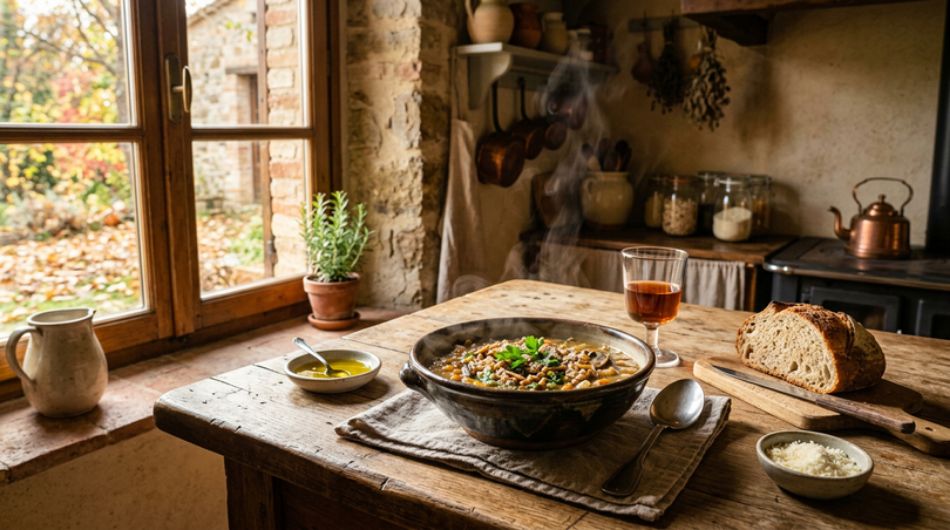
There is a dish that, more than any other, tells the story of the peasant winter of Central Italy: spelt soup with lentils and dried mushrooms. An ancient grain, cultivated by the Etruscans on the same hills where it still grows today, meets the simplest legume of the Mediterranean tradition and the intense aroma of the dried mushroom, capable of transforming any broth into something that tastes like an autumn forest. It is no coincidence that this recipe appears, with slight variations, in dozens of regional cookbooks from Tuscany, Umbria, and the Marche: it is a humble dish born from the need to nourish, which over time has become synonymous with genuine comfort food.
In this article, you will find a very in-depth guide to spelt soup: from choosing the right grain (pearled, hulled, or whole) to selecting the most suitable dried mushrooms, going through the step-by-step process, regional variations, nutritional values, and tips designed for families, athletes, nutrition professionals, and anyone who wants to bring a healthy, flavorful, and very low environmental impact dish to the table. We will also see why dried mushrooms remain, even today, one of the most underrated ingredients in Italian cuisine, and how it is possible to rediscover their potential even through home cultivation.
Whether you are a home cooking enthusiast, a researcher interested in the nutritional properties of ancient grains, a mushroom grower, or simply someone looking for a soup capable of warming up a winter evening, this guide is designed to answer every practical and curious question you might have. Each section is built to be self-contained and easily consultable, so you can quickly jump to the point that interests you the most thanks to the table of contents below.
In this article...
- Origins and history of spelt soup
- Spelt: types, properties, and nutritional values
- The role of dried mushrooms: aroma, umami, and rehydration
- Ingredients for spelt, lentil, and dried mushroom soup
- Step-by-step instructions
- Variations and customizations of the recipe
- How to serve, store, and freeze spelt soup
- Spelt soup for families, athletes, and nutrition professionals
- Frequently asked questions (FAQ)
- From the forest to the table: dried mushrooms and home cultivation
Origins and history of spelt soup
Before ending up in the pot, spelt went through three millennia of agricultural history. Introduced to the Mediterranean basin as early as prehistoric times, this grain was for centuries the staple food of the Roman legions and the peasants of the Apennines, before being progressively replaced by common wheat, which is more productive but less resistant to poor soils and high altitudes.
Spelt soup was born as a peasant dish: in the farmhouses of Garfagnana, Mugello, and the Umbrian-Marche Apennines, spelt was used together with dried legumes stored in the pantry and mushrooms gathered in the woods in autumn and dried for the winter. A combination that allowed having a complete, nutritious, and long-lasting dish on the table, even in the coldest months when fresh vegetables were scarce.
Today, this recipe is recognized as one of the most authentic expressions of the so-called Tuscan spelt soup, a dish that in recent years has experienced a true renaissance thanks to the growing attention towards ancient grains, agricultural sustainability, and local cuisine. Numerous market research studies on the Italian agri-food sector report a constant growth in the demand for spelt, cracked or in grains, precisely by virtue of its image as a "genuine" and minimally processed ingredient compared to refined cereals.
Spelt: types, properties, and nutritional values
To achieve a truly successful spelt soup, it is essential to know the differences between the various types of spelt available on the market, as they affect both cooking times and the final consistency of the dish.
Whole, hulled, and pearled spelt: the differences
Whole spelt retains the entire grain with the outer bran: it requires soaking (usually overnight) and longer cooking times, but maintains the maximum fiber content. Hulled spelt has undergone a partial removal of the bran, reducing cooking times to about 30-40 minutes without prolonged soaking. Pearled spelt, on the other hand, is almost completely stripped of the outer bran through a "pearling" process: it cooks in just 15-20 minutes, requires no soaking, but loses some of the fiber and micronutrients present in the outermost layer of the grain.
For an everyday spelt soup, pearled spelt remains the most practical choice, but those looking for maximum fiber intake can opt for hulled spelt, a good compromise between contained cooking times and nutritional value.
Nutritional values and properties of spelt
Spelt is a grain rich in fiber, vegetable proteins, magnesium, phosphorus, and B vitamins. Compared to refined common wheat, it has a lower glycemic index and a greater satiating power, characteristics that make it particularly suitable for a balanced diet.
| Nutritional value (100 g of raw pearled spelt) | Average amount |
|---|---|
| Energy | ~335 kcal |
| Proteins | ~13 g |
| Carbohydrates | ~67 g |
| Fiber | ~7-9 g |
| Fats | ~2.5 g |
An average portion of spelt soup (about 300 g, including lentils and mushrooms) usually provides between 180 and 250 kcal, depending on the amount of oil and the density of the broth: a complete, satisfying, and light dish at the same time, perfect for the main meal or as a winter first course.
Lentils, a key ingredient in this version of the soup, add further vegetable proteins and iron, making the dish even more nutritionally balanced, especially for those following a vegetarian or vegan diet.
The role of dried mushrooms: aroma, umami, and rehydration
If spelt gives structure and lentils provide protein, it is the dried mushrooms that give this soup its aromatic identity. Drying concentrates the sugars and amino acids of the fresh mushroom, triggering chemical reactions (including the Maillard reaction during cooking) that develop roasted notes and a characteristic umami taste, much more intense than fresh mushroom by weight.
How to properly rehydrate dried mushrooms
To get the best results, dried mushrooms should be soaked in lukewarm water for 20-30 minutes before use. It is important not to throw away the soaking water: filtered through a fine-mesh sieve (to eliminate any earthy residues), it becomes an excellent aromatic broth to add directly to the soup, intensifying its flavor without the need for industrial bouillon cubes or broths.
Those who wish to delve into rehydration techniques, ideal water temperatures, and little tricks to avoid a rubbery texture can consult the dedicated guide "How to use dried mushrooms in the kitchen" by NaturNext, which collects practical insights on the subject.
Which dried mushrooms to choose for spelt soup
Dried porcini mushrooms remain the most classic choice for this recipe thanks to their intense and persistent aroma, but porcinelli, honey fungus (chiodini), or a mix of wild mushrooms also give excellent results. Those who prefer a different aromatic profile can experiment with dried shiitake, which are more delicate and slightly smoky, obtaining a soup with a more oriental character.
For those who love to go beyond buying and really want to know the life cycle of the mushroom that ends up on the table, it can be interesting to approach the home cultivation of fresh mushrooms, a path that allows you to independently dry your own fruiting bodies: a topic we will return to later in this article.
Ingredients for spelt, lentil, and dried mushroom soup
Here are the ingredients for a classic spelt soup, designed for 4 people. The doses can be easily adapted based on the desired density and the number of diners.
| Ingredient | Quantity (4 servings) |
|---|---|
| Pearled or hulled spelt | 250 g |
| Dried lentils (or pre-cooked) | 150 g |
| Dried mushrooms (porcini or mixed) | 30-40 g |
| Onion | 1 medium |
| Carrot | 1 |
| Celery | 1 stalk |
| Tomato purée or crushed tomatoes | 2 tablespoons |
| Vegetable broth (or water) | 1.5-2 liters |
| Extra virgin olive oil | to taste, for drizzling |
| Salt and pepper | to taste |
| Rosemary or bay leaf | 1 sprig/leaf |
If the lentils used are already pre-cooked, they should be added at a later stage than the dried ones, to prevent them from falling apart too much during the long cooking of the spelt. Homemade vegetable broth, even a very simple one (water, carrot, onion, celery, and a pinch of salt), is always preferable to industrial broths: it gives a cleaner flavor and allows you to completely control the amount of salt.
Step-by-step instructions
Step 1 - Preparation of the ingredients
Soak the dried mushrooms in lukewarm water for at least 20 minutes. In the meantime, if you are using uncooked dried lentils, rinse them under running water. Finely chop the onion, carrot, and celery to prepare a classic soffritto base.
Step 2 - The soffritto and starting the cooking
In a large pot, wilt the chopped vegetables with a drizzle of oil over medium-low heat for about 5 minutes. Add the dried mushrooms, squeezed and roughly chopped, letting them flavor for 2-3 minutes. Then pour in the tomato purée and cook for another minute, stirring.
Step 3 - Spelt, lentils, and broth
Add the spelt and dried lentils, stir to flavor them in the soffritto, then pour in the hot broth (including the filtered mushroom soaking water). Bring to a boil, then lower the heat and let it simmer, with the lid slightly ajar, for the time indicated on the spelt package (generally 20-40 minutes depending on the type).
Step 4 - Final seasoning and resting
Towards the end of cooking, season with salt and pepper, adding more hot broth if necessary if the soup turns out too thick. Let the soup rest for 5-10 minutes off the heat before serving: this step, often underestimated, allows the spelt to fully absorb the liquids and the aromas to blend. Finish with a drizzle of raw extra virgin olive oil and, if you like, a sprinkle of freshly ground black pepper.
Variations and customizations of the recipe
One of the most appreciated qualities of spelt soup is its extraordinary versatility: it lends itself to numerous variations, each capable of enhancing seasonality, personal tastes, or different nutritional needs.
Spelt soup with seasonal vegetables
In spring and summer, it is possible to lighten the recipe by replacing part of the soffritto with zucchini, chard, or green beans, obtaining a fresher and less caloric version, also ideal served cold or at room temperature in the warmer months.
Tuscan spelt soup with black cabbage (cavolo nero)
In the most typically Tuscan variation, black cabbage (cavolo nero) cut into strips is added in the last part of cooking, along with a pinch of chili pepper: the result is a more rustic soup, very close in spirit to the famous ribollita.
Spelt soup with potatoes
For an even more substantial version, you can add diced potatoes halfway through cooking: they release natural starch, making the dish creamier without the need to blend anything.
Lighter version for those on a diet
By reducing the amount of raw oil and increasing the proportion of vegetables compared to spelt, you get a lighter and more digestible spelt soup, perfect for those following a low-calorie diet without giving up the satiety provided by fiber.
How to serve, store, and freeze spelt soup
Spelt soup is a dish that often improves the next day, when the starches released during cooking have distributed well in the broth, making it thicker and more enveloping.
It keeps in the refrigerator, in a closed container, for 3-4 days. For longer periods, it can be frozen in single portions: it keeps well for about 2-3 months in the freezer. When ready to eat, it should be thawed in the refrigerator the night before and then reheated over low heat, adding a little broth or water if it turns out too dry.
To serve it at its best, a drizzle of raw extra virgin olive oil, a grating of pecorino or parmesan cheese, and, for those who love the crunchy contrast, some toasted bread croutons perfectly complete the dish.
Spelt soup for families, athletes, and nutrition professionals
For families: a nutritious meal suitable for everyone
Spelt soup is a dish easily accepted even by children thanks to its soft consistency and delicate flavor, and it is an excellent way to introduce legumes and whole grains into the family diet without having to resort to complex preparations. It can be prepared in advance on the weekend and stored for the week's meals, a not inconsiderable advantage for those who have little time to devote to cooking on working days.
For athletes: spelt and muscle recovery
Thanks to the combined intake of complex carbohydrates (from spelt) and vegetable proteins (from lentils), spelt soup can represent a balanced post-workout meal, useful for restoring glycogen stores without burdening digestion. The low glycemic index of spelt also guarantees a more gradual energy release compared to refined cereals.
For nutritionists: a single dish easily customizable
From a nutritional point of view, the combination of grain and legume makes this soup a practical example of complementary vegetable proteins, often cited in food education as an alternative to animal proteins. The portion can be precisely modulated based on the energy needs of the individual patient, and the recipe easily adapts to specific intolerances: gluten-free by replacing spelt with buckwheat or brown rice, or by reducing salt for those following a low-sodium diet.
For agricultural entrepreneurs and local producers
Spelt remains one of the symbolic grains of mountain and hill agricultural supply chains, often grown with low environmental impact methods thanks to its natural resistance to poor soils and harsh climates. Enhancing spelt soup as a typical local dish, pairing it with local mushrooms, can be an effective marketing lever for agricultural companies that want to tell the origin and seasonality of their products.
Frequently asked questions about spelt soup
What are the benefits of spelt soup compared to other soups?Spelt soup combines fiber, complex carbohydrates, and vegetable proteins (thanks to lentils) in a single balanced dish, with a lower glycemic index than soups based on refined pasta or rice, and a greater satiating power. |
What is the difference between pearled, hulled, and whole spelt?Whole spelt retains all the bran and requires soaking; hulled spelt has part of it removed and cooks faster; pearled spelt is almost completely free of bran, cooks in 15-20 minutes without soaking, but with a slightly lower fiber content. |
How many calories are in a portion of spelt soup?An average portion of about 300 g, with spelt, lentils, and dried mushrooms, usually provides between 180 and 250 kcal, based on the amount of oil used and the density of the broth. |
Is it possible to prepare spelt soup in advance and freeze it?Yes, it keeps in the refrigerator for 3-4 days and can be frozen in single portions for up to 2-3 months. It is advisable to thaw it in the refrigerator and reheat it over low heat, adding broth or water if necessary. |
Is spelt soup suitable for athletes?Yes, the combination of complex carbohydrates and vegetable proteins makes it a balanced meal even in the context of post-workout recovery, with a gradual energy release thanks to the low glycemic index of spelt. |
Can people on a diet or suffering from high blood sugar eat spelt?Spelt has a lower glycemic index than refined cereals and a good fiber content, characteristics generally favorable in a controlled diet; in the presence of specific pathologies, it is still recommended to consult a nutritionist to define the correct portions. |
How do you prepare spelt soup with a Thermomix (Bimby)?Chop the vegetables at speed 5, sauté them in Varoma for 5 minutes at spoon speed, add spelt, lentils, mushrooms, and broth, cooking at 100°C at spoon speed for the time indicated on the package, with the measuring cup tilted. |
Which dried mushrooms are most suitable for this recipe?Dried porcini mushrooms are the most classic choice for aroma and intensity, but a mix of wild mushrooms or dried shiitake, which are more delicate, also give excellent results with a different aromatic profile. |
Should spelt be rinsed or soaked before cooking?Pearled spelt does not require soaking, but it is still good practice to rinse it briefly under running water; whole spelt, on the other hand, benefits from a soak of a few hours or overnight to reduce cooking times. |
What is the difference between zuppa and minestra?Zuppa generally indicates a more liquid preparation based on vegetables, legumes, or cereals cooked in their own broth; minestra is a broader term that also includes thicker preparations, often with the addition of pasta, rice, or cereals like spelt. |
From the forest to the table: dried mushrooms and home cultivation
If gathering wild mushrooms requires experience, time, and necessary caution (some toxic species can resemble edible ones), today there is an alternative accessible to anyone: growing gourmet mushrooms at home independently, and then drying and storing them according to your needs.
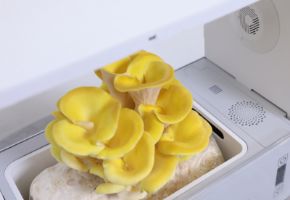
The Grow Boxes designed for home mushroom cultivation allow you to automatically control humidity, temperature, and lighting, reproducing the ideal conditions for fruiting without the need for advanced mycological skills. Once harvested, excess mushrooms can be easily dried at home and stored for months, ready to enrich recipes like the spelt soup described in this article.
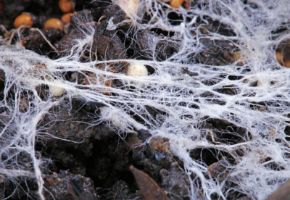
For those who want to start from scratch, inoculated substrates and technical content on the different cultivation techniques offer a good starting point to understand which species to grow based on the available space and the desired result in the kitchen.
Do not give up on taste and well-being, start including spelt soup in your menus starting today!
This article was developed with the support of artificial intelligence and subsequently reviewed, corrected, and validated by the NaturNext.eu technical team, which guarantees its reliability and compliance with official sources.
The kingdom of mushrooms is an ever-evolving universe, with new scientific discoveries emerging every year on their extraordinary benefits for intestinal health and general well-being. From now on, when you see a mushroom, you will no longer think only of its flavor or appearance, but of all the therapeutic potential it holds in its fibers and bioactive compounds. ✉️ Stay connected - Subscribe to our newsletter to receive the latest studies on: Nature offers us extraordinary tools to take care of our health. Mushrooms, with their unique balance between nutrition and medicine, represent a fascinating frontier that we are only just beginning to explore. Keep following us to discover how these extraordinary organisms can transform your approach to well-being.Continue your journey into the world of mushrooms