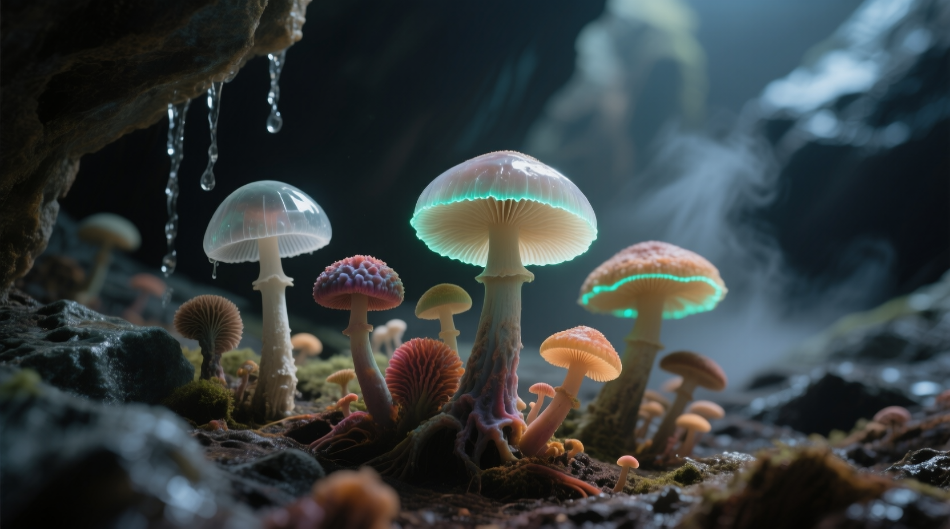
In the vast kingdom of fungi, there exist species that defy every traditional conception of where life can thrive: these extraordinary organisms, known as extremophile fungi, have developed unique adaptations that allow them to colonize environments lethal to most life forms. From the perennial ice of the polar regions to the acidic vents of active volcanoes, even in the microgravity of space. Their discovery not only revolutionizes our understanding of the limits of life, but also opens new frontiers in biotechnology, medicine, and astrobiology research. In this article, we explore the fascinating world of these extraordinary fungi, their incredible survival strategies, and the potential applications they offer for the future of humanity.
Nestled in the heart of the Gran Paradiso National Park, the Ceresole Reale Forest represents one of the most intact and evocative forest ecosystems in the entire Alpine region. This natural sanctuary, with its majestic larches and centuries-old firs, preserves a priceless mycological heritage, where rare and valuable species find their ideal habitat. In this in-depth study, we will explore every aspect of this alpine forest, analyzing in detail its ecological characteristics, the fungal species that populate it, and the intricate symbiotic relationships that make this environment a true paradise for mycologists and enthusiasts.
Today we'll explore one of the most iconic dishes of Italian cuisine, linked to the world of mushrooms and truffles: pasta alla norcina. This isn't simply a recipe, but a cultural expression that encompasses centuries of tradition, mycological knowledge, and culinary innovation. In this article, we'll explore every aspect of this dish, from its history to the scientific properties of its ingredients, and the secrets to perfect preparation.