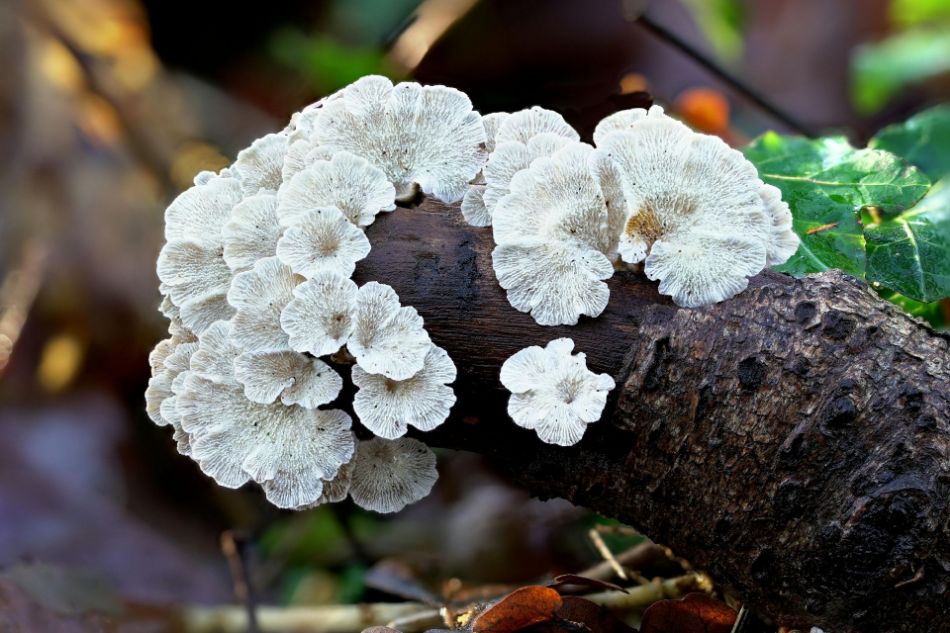
The liver is one of the most complex and vital organs in the human body, responsible for over 500 essential metabolic functions. Among these, detoxification of harmful substances is a crucial process for maintaining the body's homeostasis. In this article, we will explore in depth the hepatoprotective properties of two exceptionally valuable medicinal mushrooms: Reishi (Ganoderma lucidum) and Maitake (Grifola frondosa). Through a detailed analysis of their bioactive components and mechanisms of action at the cellular and molecular levels, we will illustrate how these mushrooms can provide valuable support for liver health in contexts of toxicological stress and metabolic dysfunction.
In the increasingly sophisticated world of mycoculture, the search for methodologies that maximize yields and optimize processes is constant. Among the techniques gaining acceptance for their effectiveness and relative ease of application is FA-Tek, or Flawless Ass Tek, an advanced protocol that promises to revolutionize the expert grower's approach. This article aims to explore every aspect of this methodology in detail, from its theoretical basis to its practical application, providing a comprehensive reference manual for mycologists and enthusiasts.
Il Polyporus umbellatus, comunemente noto come poliporo a ombrello, rappresenta una delle specie fungine più affascinanti e ricercate nel panorama micologico europeo. Questo fungo, appartenente alla famiglia delle Polyporaceae, si distingue per la sua peculiare morfologia e per le interessanti proprietà medicinali che lo rendono oggetto di studio in campo farmacologico. La sua rarità e le specifiche esigenze ecologiche lo rendono una vera e propria perla per i micologi e gli appassionati di funghi, che spesso dedicano intere giornate alla sua ricerca nei boschi di latifoglie.



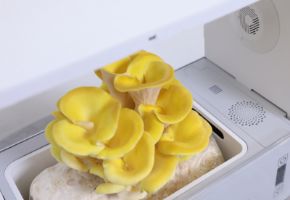
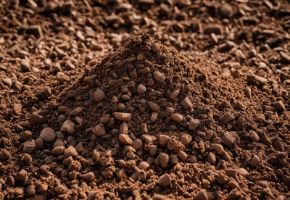
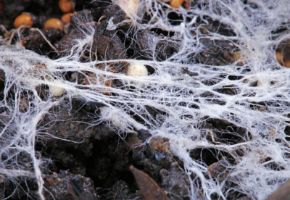


 guida tecnica alla coltivazione avanzata_950.png "FA-Tek (enriched substrate): a technical guide to advanced cultivation")