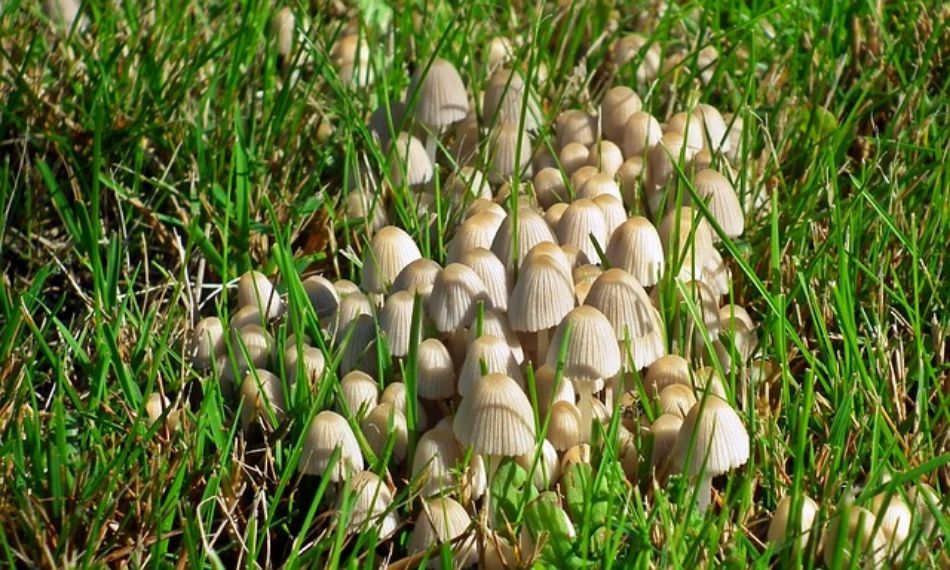
When you think of mushroom hunting, the image that immediately comes to mind is hiking in the mountains, amidst coniferous and beech forests. However, the plains also offer surprising opportunities for mycologists and mushroom enthusiasts. This article explores in depth the fascinating world of mushrooms in the plains, revealing unexpected habitats, characteristic species, and specific foraging techniques for these environments, seemingly less rich in fungal biodiversity.
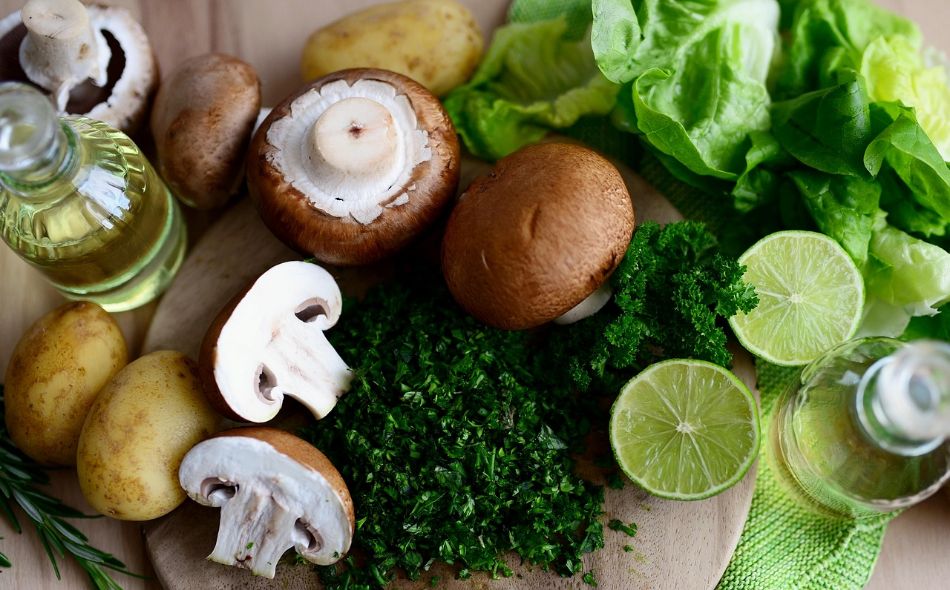
Mixed mushroom salad is a culinary preparation that expertly combines the delicacy of raw mushrooms with the aromatic intensity of cooked ones, creating a dish that not only satisfies the palate but also offers an interesting nutritional profile. In this technical article, we will explore every aspect of this preparation in detail, from selecting the most appropriate mushroom species for their nutritional properties, to preparation techniques that maximize the preservation of their beneficial active ingredients.
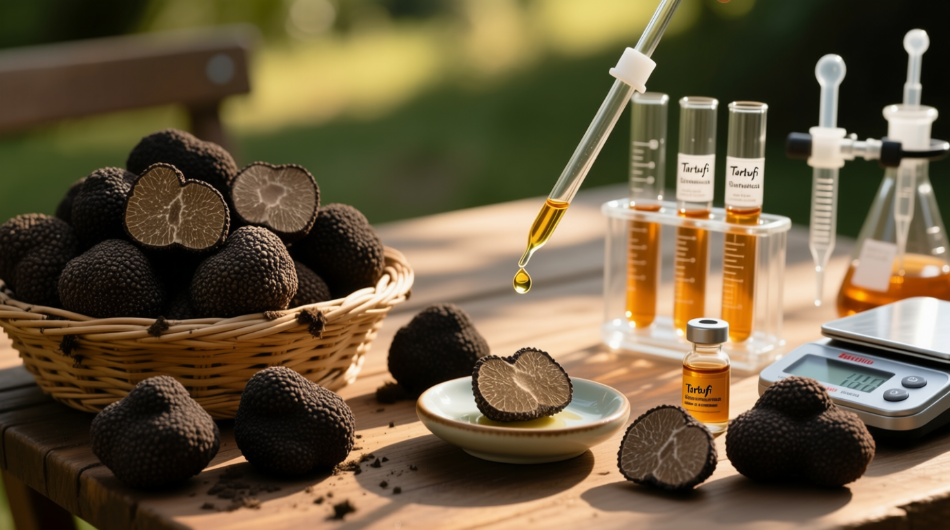
The article you are about to read represents one of the most comprehensive and in-depth analyses ever conducted on the topic of synthetic truffles and lab-produced truffle flavors. In an era where technology is advancing exponentially and sustainability is becoming a top priority, the world of truffles, long tied to centuries-old traditions and ancestral practices, is facing an unprecedented revolution. This study meticulously examines every aspect of this momentous transformation, providing data, statistics, and detailed analyses ranging from the chemistry of flavors to their economic impact, from environmental implications to future market prospects.