Walking through the pine forests on a cool autumn morning, you might be lucky enough to encounter one of nature's most beautiful sights: a small group of Lattarini mushrooms emerging from the ground, their orange caps like tiny suns among the leaves. This mushroom, scientifically called Lactarius deliciosus or Lattarino, is a favorite among mushroom hunters, not only for its delicate flavor but also for the joy of discovering it.
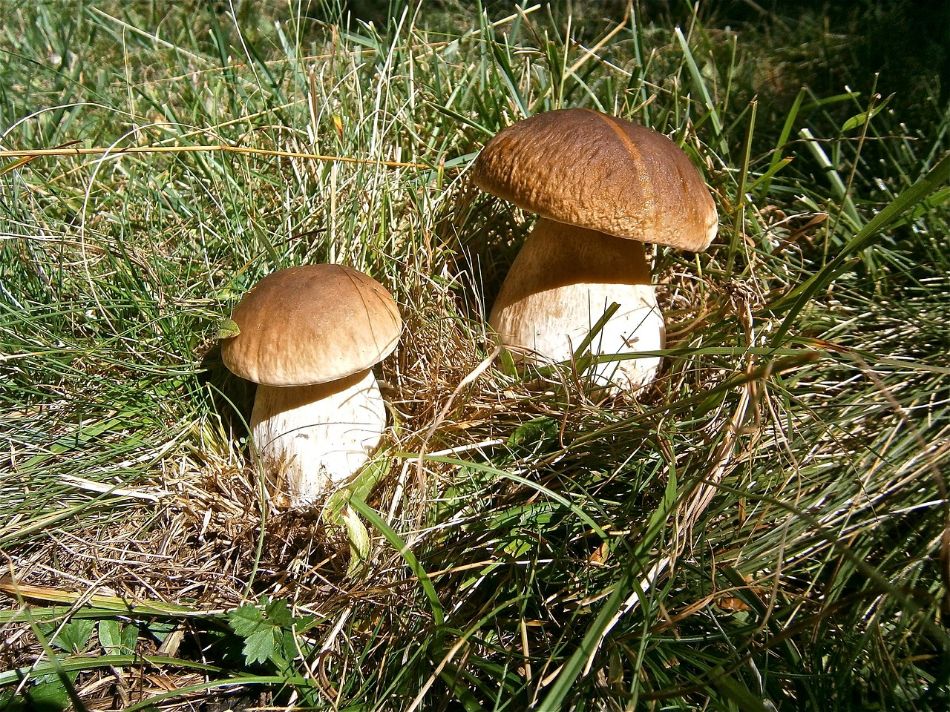
The porcini mushroom (Boletus edulis and related species) is undoubtedly one of the most precious mycological treasures that temperate forests offer us, passionately loved by foragers, Michelin-starred chefs, and professional mycologists for its extraordinary organoleptic and ecological characteristics. In this article, we will explore in depth every aspect of this highly sought-after mushroom, from its complex taxonomy to its incredible nutritional properties (with a detailed analysis of macro- and micronutrients), including documented historical curiosities and practical tips for sustainable harvesting...
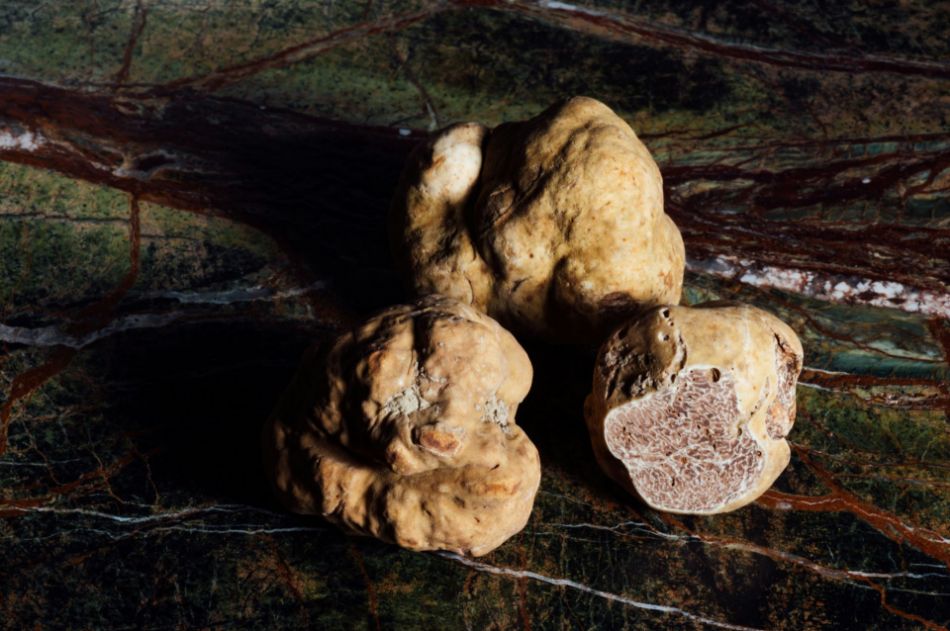
When Swiss mycologist Simon Pauli first described Tuber magnatum in his "Observationes Mycologicae" in 1653, he could not have imagined that three and a half centuries later we would still have so many mysteries to unravel about this and other Italian fungal species.



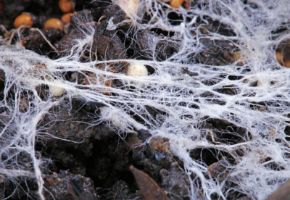

 - Caratteristiche del Lattice, Habitat, Ricette Tipiche_950.jpeg "Lactarius deliciosus - Characteristics of the Whitebait and its habitat")