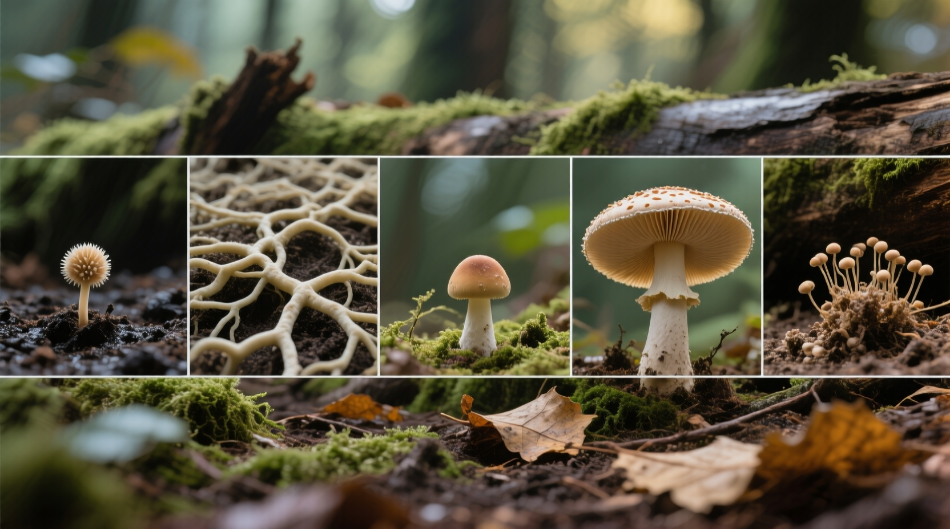
Today we delve into one of the most fascinating aspects of the fungal kingdom: its life cycle. What at first glance might seem like a simple sequence of events turns out to be an extraordinarily complex and fascinating process, rich in evolutionary adaptations and surprising strategies. In this article, we'll explore each stage of the mushroom life cycle, from microscopic spores to the majestic fruiting we so admire in our forests.
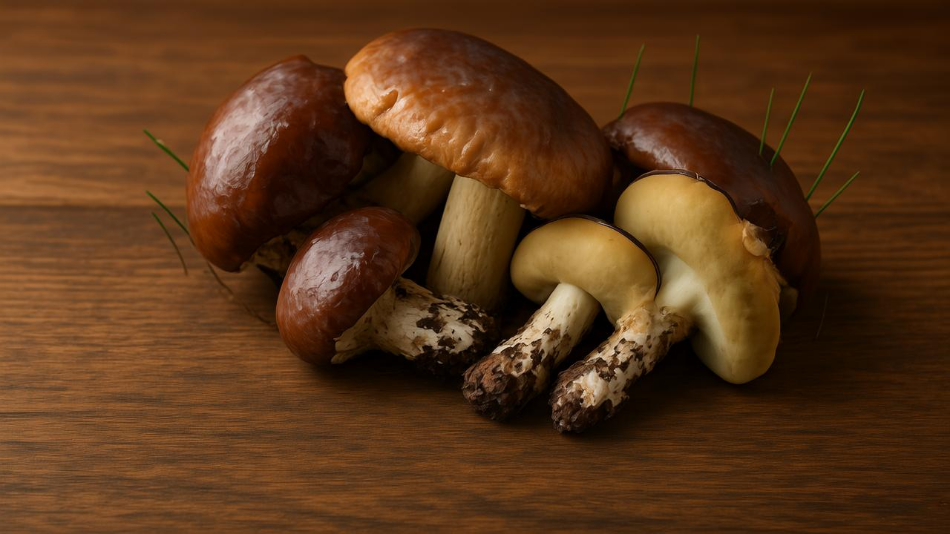
The black chanterelle (Suillus luteus (L.) Roussel 1806) represents one of the most fascinating and complex mycological species in the European forest ecosystem. This symbiotic fungus, belonging to the Suillaceae family, Boletales order, has developed an exclusive mutualistic relationship with the roots of conifers, particularly the Pinus genus. Our encyclopedic guide, the fruit of three years of research, will take you on a scientific yet accessible journey through all aspects of this extraordinary organism: from its complex biology to home cultivation techniques, from its pharmacological properties certified by recent clinical studies to the gastronomic applications that make it a staple in the traditional cuisine of 12 Italian regions.
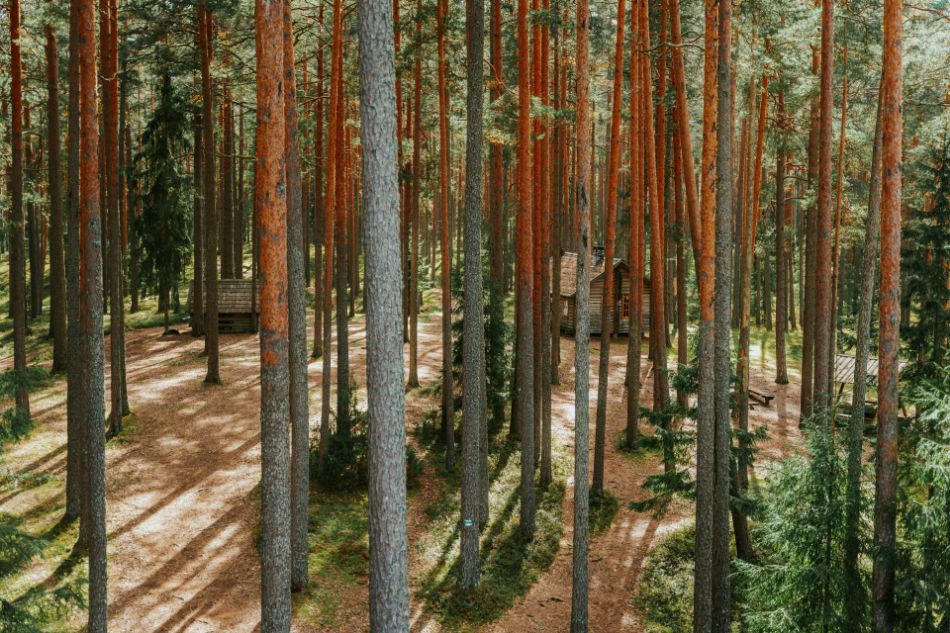
Nestled between the provinces of Ferrara and Rovigo, the Mesola Forest represents one of the last remnants of the ancient forests that once covered the Po Valley. This extraordinary ecosystem, spanning 1,058 hectares, is not only a refuge for deer and fallow deer, but a true mycological paradise, home to over 300 documented fungal species. Its unique geographical location—just 5 km from the Adriatic Sea but nestled in the Po Valley hinterland—creates unique microclimatic conditions that foster exceptional fungal biodiversity, with thermophilic species alongside varieties typical of cooler climates.