The ability to predict a fruitful mushroom season is the holy grail for every mushroom enthusiast, from the occasional forager to the professional mycologist. This in-depth guide explores the complex environmental mechanisms that influence fungal growth, offering analytical and observational tools to make reliable predictions about a season's productivity. Through the analysis of climate data, biological indicators, and predictive models, we will discover how to interpret the signals nature offers us months before the actual fruiting bodies appear.
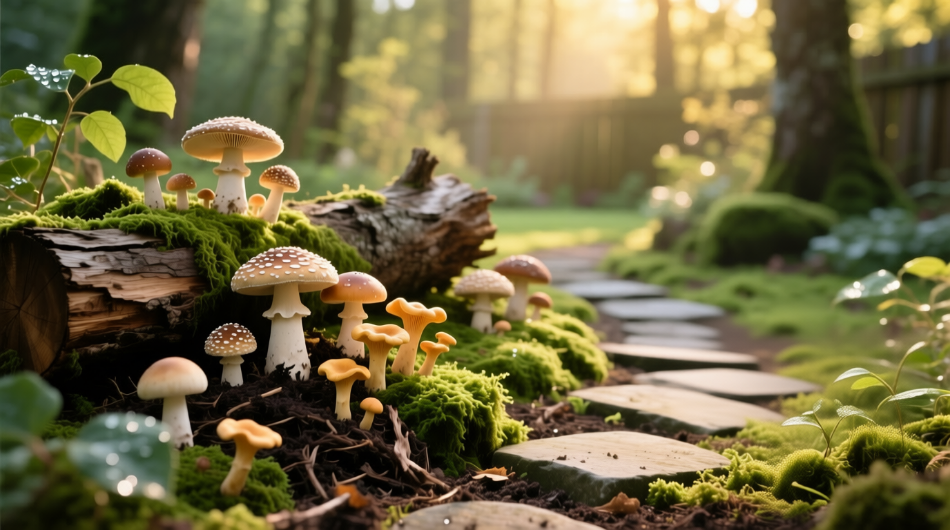
Creating a mushroom-friendly garden represents one of the most fascinating frontiers of applied mycology. This technical article aims to guide enthusiasts, botanists, and mycologists through the complex processes that transform a simple green space into a productive and sustainable fungal ecosystem. Through an in-depth analysis of morphological characteristics, preferred habitats, and the most advanced mycoculture techniques, we will explore how to optimize every aspect of your garden to encourage the spontaneous and controlled growth of edible and beneficial fungal species.
In the depths of the Chernobyl nuclear reactor, where life seemed impossible, nature performed one of its most extraordinary miracles. As the entire world moved away from the exclusion zone, a silent group of organisms began to colonize the radioactive rubble, not only surviving but thriving in extreme conditions. These pioneers belong to the fungi kingdom, and their discovery revolutionized our understanding of radioresistance and opened new frontiers in environmental remediation. In this technical article, we will explore in detail the fungal species that colonized Chernobyl, their extraordinary adaptation mechanisms, and their potential applications in the bioremediation of contaminated areas. Through an in-depth analysis of scientific research conducted over the past three decades, we will reveal how these organisms are able not only to withstand lethal doses of radiation, but to actively use radiation as an energy source, in a process reminiscent of photosynthesis but with radically different biochemical mechanisms. From the initial discovery of melanized fungi to the most recent biotechnological applications, we will shed light on one of the most fascinating chapters in contemporary mycology.