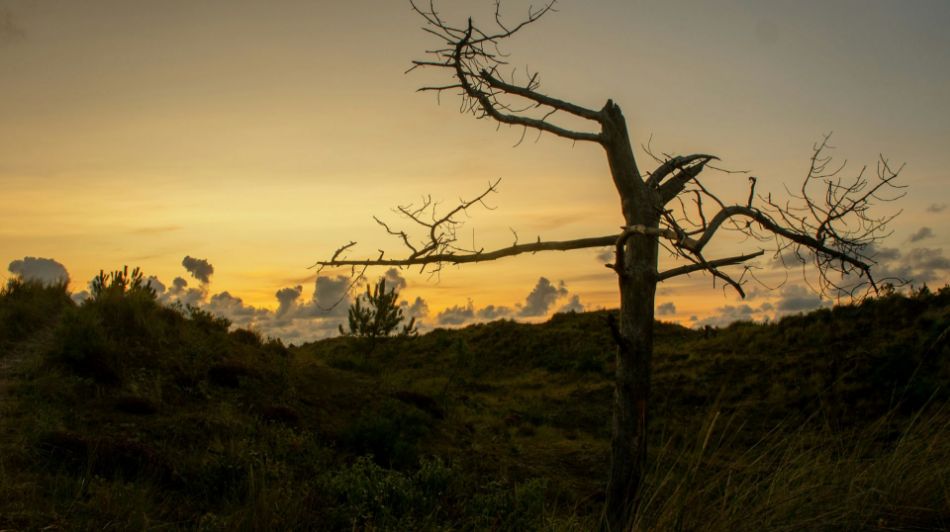
In this article, we will explore in depth and detail the complex and worrying phenomenon of tree death and its inextricable link with the disappearance of mushrooms from our forests. Through technical analysis, statistical data, explanatory tables, and ecological considerations, we will attempt to dissect every aspect of this environmental crisis, offering a comprehensive overview of this increasingly worrying phenomenon. The situation is serious and requires a thorough understanding of its causes and possible solutions.
Umbria, known as the green heart of Italy, is one of the most fascinating and productive regions for black truffle hunting and cultivation. This article aims to provide an in-depth analysis of the morphological characteristics, habitat, hunting techniques, and all aspects related to Tuber melanosporum in Umbria, offering a comprehensive guide for enthusiasts, botanists, mycologists, and professional hunters.
Piedmont is one of Italy's richest and most prestigious regions for truffle production, boasting a natural and cultural heritage rooted in centuries of tradition. In this in-depth study, we will analyze the complex relationship between Piedmont's oaks and truffle production, examining the botanical, ecological, and mycological aspects that make this region unique. Through scientific data, updated statistics, and field observations, we will discover why Piedmont's oaks are the ideal habitat for the development of the most prized truffles. The article aims to offer a comprehensive and detailed overview of all the factors that contribute to Piedmont's excellence in truffle production, with particular attention to the morphological characteristics of native oaks, their mycorrhizal symbiosis, and the cultivation and harvesting practices that have made this region famous worldwide.