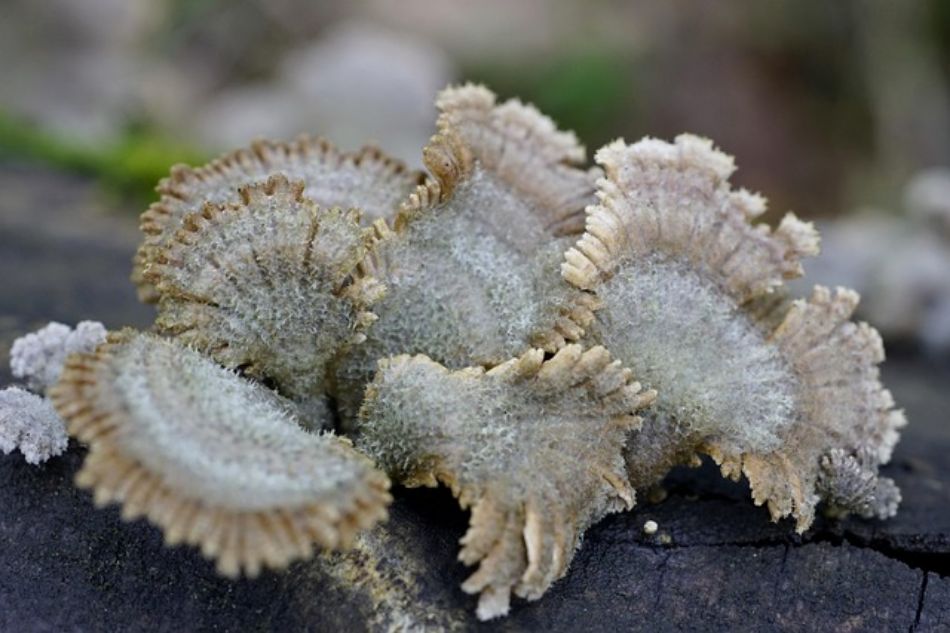
In the vast and fascinating kingdom of fungi, Schizophyllum commune represents a species of extraordinary interest for mycologists, botanists, and mycological enthusiasts. This small basidiomycete, often overlooked by casual collectors, actually harbors unique biological characteristics and properties that make it a prime subject of study in contemporary mycological research. Its exceptional hardiness, ubiquitous distribution, and peculiar reproductive features have made it a model for study in numerous fields of biology, from genetics to forest ecology. In this in-depth factsheet, we will explore every aspect of this extraordinary fungus, from its complex morphology to its role in ecosystems, and recent discoveries regarding its medicinal properties. Through scientific data, field observations, and detailed analyses, we will attempt to provide a comprehensive overview of an organism that, despite its modest size, represents a fundamental component of global fungal biodiversity.
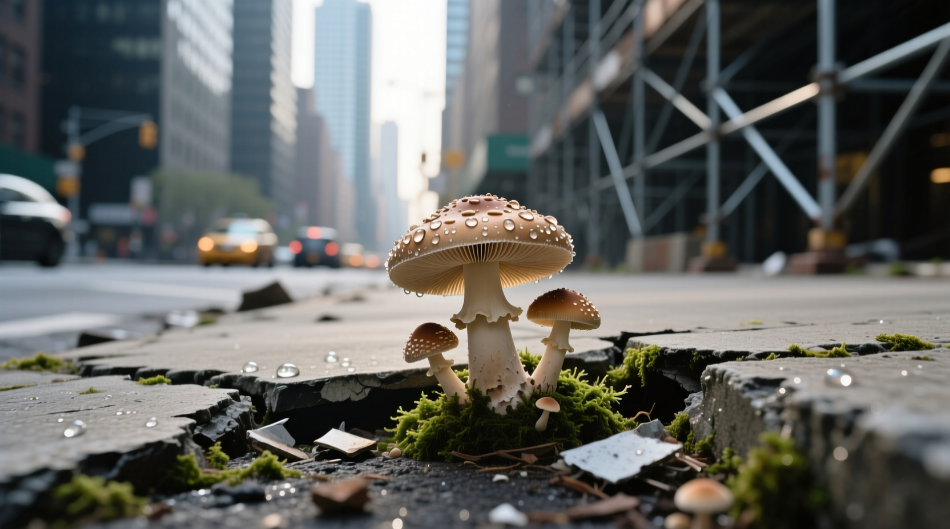
Urbanization represents one of the most significant anthropogenic landscape transformations, with profound and long-lasting effects on natural ecosystems. While public attention often focuses on the consequences for higher flora and fauna, fungal communities, essential components of terrestrial ecosystems, undergo equally significant but less visible alterations. This article explores in depth how urbanization processes affect local fungal biodiversity, analyzing changes in species composition, reductions in fungal richness, and the ecological implications of these transformations. Through scientific data, case studies, and statistical analyses, we seek to understand the complex dynamics governing fungal communities in urban and peri-urban environments. Fungi play fundamental ecological roles: as decomposers, they recycle essential nutrients; as mycorrhizal symbionts, they facilitate the uptake of water and minerals for plants; and as pathogens, they regulate plant populations. Their sensitivity to environmental changes makes them excellent bioindicators of ecosystem health. Understanding how urbanization modifies these communities is therefore not only a question of mycological interest, but has broader implications for the management of urban ecosystems and the conservation of biodiversity in human-influenced contexts.
In this in-depth article, we'll explore every aspect of pan-fried sausage and mushroom preparation, from ingredient selection to nutritional properties, with particular attention to edible mushroom varieties and optimal cooking techniques to preserve their flavor.