


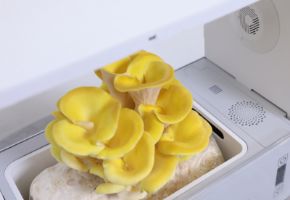
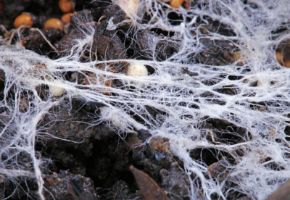

In this in-depth article, we will explore every aspect of preparing pan-fried sausage and mushrooms, from ingredient selection to nutritional properties, with particular attention to edible mushroom varieties and optimal cooking techniques to preserve their organoleptic characteristics.
The combination of sausage and mushrooms represents one of the most appreciated gastronomic pairings in Italian cuisine, capable of uniting the protein richness of pork with the aromatic complexity of edible mushrooms. This seemingly simple dish actually hides considerable technical complexity that deserves to be analyzed in every detail. The origins of this preparation are rooted in Italian peasant tradition, where the seasonal availability of wild mushrooms combined with the need to preserve meat through sausage-making. Fresh sausage, with its lipid content, constitutes the ideal vehicle to enhance the volatile aromatic compounds of mushrooms, creating a perfect balance between fats and umami. Every Italian region has developed its own variants of this dish, adapting it to local fungal species and different sausage production traditions. In Tuscany, for example, the use of Porcini mushrooms (Boletus edulis) with fennel-flavored sausage predominates, while in Umbria they prefer Cardoncelli mushrooms (Pleurotus eryngii) paired with wild boar sausage. To fully understand the dynamics governing the preparation of pan-fried sausage and mushrooms, it is necessary to scientifically analyze each component, examining their physico-chemical properties and behavior during thermal processes. High-quality fresh sausage should have a lean meat content of no less than 70-75%, with a fat percentage between 25-30% necessary to guarantee the succulence of the finished product. The grind size directly influences the pan yield, with 4-6 mm particles offering the best compromise between texture and ability to retain juices. Mushrooms represent a kingdom of their own in the biological world, with unique characteristics that distinguish them from both plants and animals. The cell wall of mushrooms is mainly composed of chitin, a nitrogenous polysaccharide that gives rigidity and resistance to the structure, but which requires appropriate thermal treatments to be made digestible. The combination of sausage and mushrooms creates a unique nutritional profile, where high biological value animal proteins integrate with bioactive compounds of fungal origin, generating beneficial synergies for the body. A standard 350 g portion of pan-fried sausage and mushrooms provides about 385 kcal, distributed as 22 g of protein, 28 g of lipids, and 12 g of carbohydrates. The glycemic index of the dish is moderate, thanks to the balance between fats, proteins, and fibers that modulates sugar absorption. Mushrooms represent an exceptional source of micronutrients often lacking in modern diets. Porcini mushrooms contain significant amounts of selenium, an essential mineral for thyroid function and antioxidant defense, while champignons are rich in riboflavin (vitamin B2) and niacin (vitamin B3). The success of the sausage and mushroom dish depends on the correct application of the physico-chemical principles governing food transformations during cooking. We will analyze each phase of the process in detail. The choice of fresh sausage should favor products with a balanced meat/fat ratio and adequate aging. Mushrooms should be harvested or purchased at their peak maturity, free of bruises and with well-defined gills. Cleaning should be done with a damp cloth, avoiding washing in water which would compromise the texture. The cutting of mushrooms directly influences the pan yield and the sensory perception of the finished dish. Slices with a thickness between 0.8 and 1.2 cm guarantee the best compromise between resistance to cooking and aromatic development. The sausage should be removed from the casing and broken into irregular pieces to create differentiated surfaces that favor the Maillard reaction. Pan cooking represents a complex system where heat transmission by conduction, convection, and radiation coexist. The optimal temperature for browning sausage is 160-170°C, sufficient to develop aromatic compounds without generating harmful substances. Mushrooms, however, require a higher initial temperature (180-190°C) to favor the rapid evaporation of vegetation water. For advanced techniques in mushroom identification and harvesting, the portal Funghi Italiani offers detailed and scientifically accurate guides. Here is the complete technical recipe for preparing pan-fried sausage and mushrooms, with precise instructions on quantities, times, and procedures. For 4 people: Clean the mushrooms with a damp cloth, removing any soil residues. Cut them into slices of uniform thickness (1 cm). Peel and finely chop the onion and garlic. Remove the sausage from the casing and form irregular meatballs of about 3-4 cm in diameter. Chop the parsley and remove the rosemary needles from the sprig. In a thick-bottomed non-stick pan (diameter 28-30 cm), heat 2 tablespoons of extra virgin olive oil. Add the sausage and brown over medium-high heat for 8-10 minutes, turning occasionally for even browning. Deglaze with 50 ml of white wine and let it evaporate completely. Temporarily transfer the sausage to a bowl. In the same pan, add the remaining oil and sauté the chopped onion for 2 minutes over medium heat. Add the garlic and continue cooking for one minute until slightly translucent. Increase the heat to maximum and add the mushrooms, cooking for 5-7 minutes without covering, until the vegetation liquids have completely evaporated. Return the sausage to the pan with the mushrooms, add the remaining white wine and the rosemary. Lower the heat to medium and continue cooking for 8-10 minutes, stirring gently. At the end of cooking, turn off the heat, adjust salt and pepper, incorporate the chopped parsley and serve immediately. The dish lends itself to numerous regional variants and personalizations. The addition of rehydrated sun-dried tomatoes gives an acidic note that contrasts the richness of the sausage, while the use of shiitake mushrooms (Lentinula edodes) introduces lentinan compounds with immunomodulatory properties. To learn more about home mushroom cultivation techniques, the site Micocoltori Italiani represents an indispensable resource for enthusiasts. Moderate consumption of pan-fried sausage and mushrooms can provide significant health benefits, thanks to the synergy between nutrients of animal origin and bioactive compounds of fungal origin. The beta-glucans present in mushrooms exert prebiotic activity, positively modulating the intestinal microbiota. Eritadenine, a compound isolated in shiitake, shows hypocholesterolemic properties, while phenolic compounds exert antioxidant and anti-inflammatory activity. The dish can be adapted to different dietary needs by modifying the proportions of the ingredients. For low-calorie diets, it is possible to reduce the amount of sausage to 400 g and increase that of mushrooms to 600 g, keeping the aromatic profile unchanged. For subjects with hypercholesterolemia, it is advisable to use chicken or turkey sausage, with a lower lipid content. Sausage and mushrooms: the tradition
History and origins of the dish
Regional spread and variants
Analysis of main ingredients
Composition and characteristics of fresh sausage
Table: average composition of fresh pork sausage
Component Percentage (%) Function in preparation Water 50-55% Vehicle for aromatic compounds, influences cooking yield Proteins 15-18% Thermal coagulation, structure of cooked product Fats 25-30% Heat transmission, vehicle for fat-soluble compounds Carbohydrates 1-2% Maillard reactions, color development Mineral Salts 1.5-2% Osmotic regulation, flavor balance Mycological properties of edible mushrooms
Table: average chemical composition of edible mushrooms
Component Porcini (Boletus edulis) Champignon (Agaricus bisporus) Caesar's mushroom (Amanita caesarea) Water (%) 89.5 92.5 90.2 Proteins (g/100g) 5.9 3.1 4.2 Carbohydrates (g/100g) 3.2 3.3 3.8 Fiber (g/100g) 2.7 1.0 2.1 Beta-glucans (g/100g) 0.45 0.25 0.38 Complete nutritional analysis of the dish
Energy value and macronutrients
Table: nutritional composition per serving (350g)
Nutrient Quantity % RDA (adult) Energy 385 kcal 19% Proteins 22 g 44% Total Fats 28 g 40% Saturated Fats 10 g 50% Carbohydrates 12 g 4% Dietary Fiber 3.5 g 14% Cholesterol 65 mg 22% Micronutrients and bioactive compounds
Table: main micronutrients in the dish
Micronutrient Quantity per serving Physiological function Selenium 25 μg Antioxidant, thyroid function Copper 0.4 mg Collagen synthesis, energy metabolism Potassium 680 mg Blood pressure regulation Vitamin B2 0.3 mg Energy metabolism, skin health Vitamin B3 6.2 mg Cardiovascular health, neurological function Beta-glucans 150 mg Immune system modulation Optimized preparation and cooking techniques
Selection and preparation of ingredients
Cutting techniques and their influence on cooking
Pan cooking dynamics
Table: optimal cooking temperatures and times
Phase Ideal temperature Time Objective Sausage Browning 160-170°C 8-10 min Development of aromatic compounds, surface browning Aromatics Sautéing 130-140°C 3-4 min Extraction of essential oils without burning Mushroom Cooking 180-190°C (initial) 5-7 min Evaporation of vegetation water Completion 140-150°C 8-10 min Flavor blending, uniform internal cooking Sausage and mushrooms: the recipe
Ingredients and their preparation
Preliminary preparation
Cooking procedure
Pairings and variations
Health benefits and dietary considerations
Functional properties of components
Table: health benefits associated with dish components
Component Benefit Mechanism of action Beta-glucans Immunomodulation Activation of macrophages and NK cells Selenium Antioxidant Protection Cofactor for glutathione peroxidase Conjugated Linoleic Acid Body Weight Control Modulation of adipogenesis and lipolysis Choline Neurological Health Acetylcholine precursor Phenolic Compounds Anti-inflammatory Activity COX-2 and NF-κB inhibition Considerations for specific diets
This article was produced with the support of artificial intelligence; it has therefore been verified, corrected, and validated by the NaturNext.eu technical team, ensuring its reliability and compliance with official sources.
The kingdom of mushrooms is a universe in continuous evolution, with new scientific discoveries emerging every year about their extraordinary benefits for gut health and overall well-being. From now on, when you see a mushroom, you will no longer think only of its taste or appearance, but of all the therapeutic potential it contains in its fibers and bioactive compounds. ✉️ Stay Connected - Subscribe to our newsletter to receive the latest studies on: Nature offers us extraordinary tools to take care of our health. Mushrooms, with their unique balance between nutrition and medicine, represent a fascinating frontier that we are only beginning to explore. Continue to follow us to discover how these extraordinary organisms can transform your approach to well-being.Continue your journey into the world of mushrooms