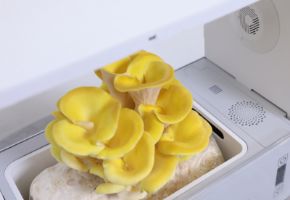
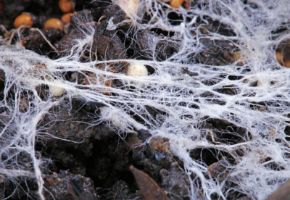
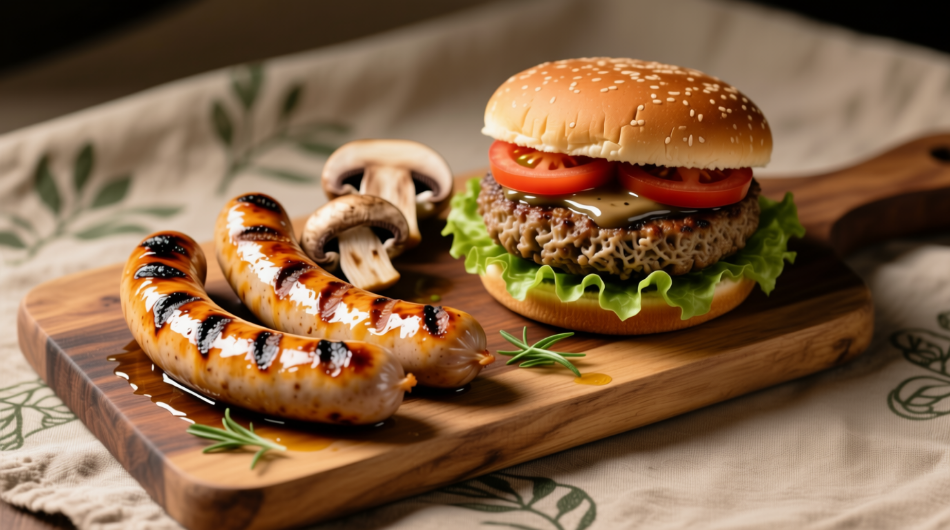
In the increasingly diverse landscape of alternative sausages and burgers, one player is emerging with surprising force: mycelium. This complex network of hyphae, which constitutes the vegetative part of mushrooms, is revolutionizing the way we think about the food of the future. Mycelium-based sausages and burgers represent not simply a meat alternative, but an entirely new food category, with unique sensory and nutritional characteristics. In this article, we will explore in depth the potential of this extraordinary ingredient, analyzing the production processes, nutritional properties, environmental impact, and future prospects of a rapidly expanding sector.
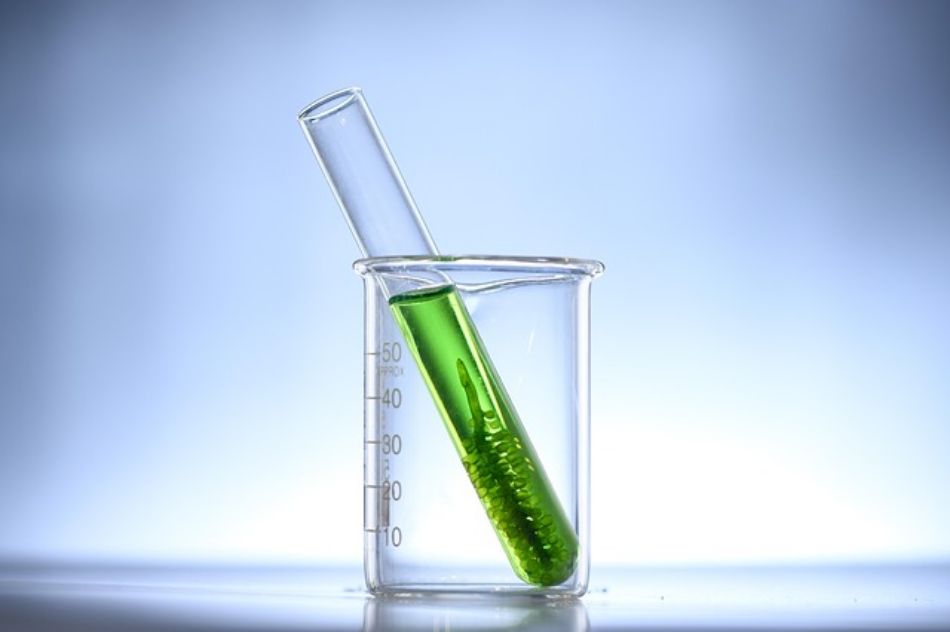
In an era where the energy transition has become a global priority, the most elegant and sustainable answer may lie not in high-tech laboratories, but in biofuels naturally present in the undergrowth and soil we so love to explore. This article aims to unravel, with our trademark scientific rigor and passion, the complex and fascinating world of biofuel production through the synergy between the fungi and bacteria kingdoms. We will go beyond the surface, exploring enzymatic processes, microbial symbioses, and the potential of truly renewable energy, offering a unique perspective for mycologists, mushroom growers, and collectors.
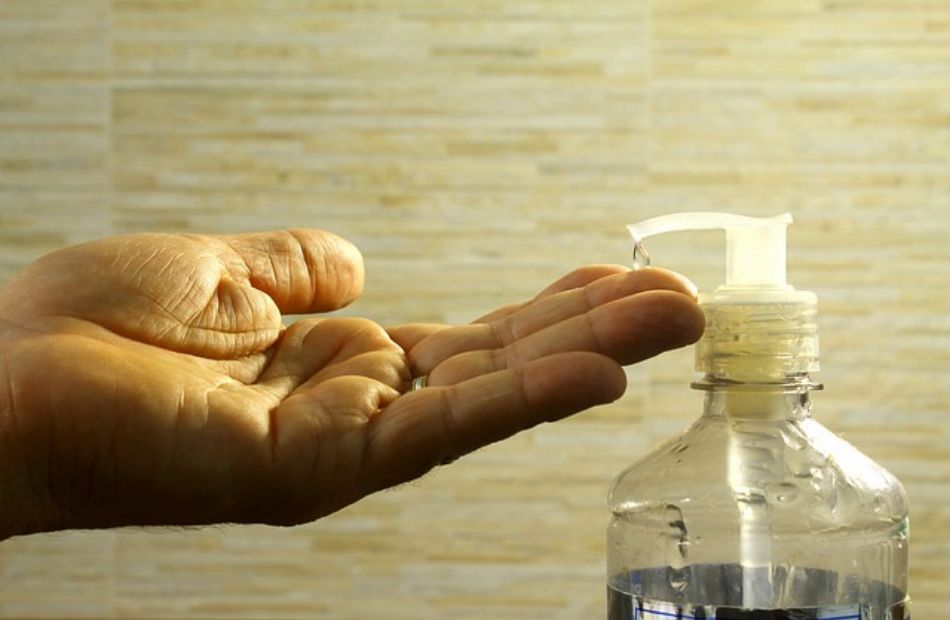
In an era where antibiotic resistance poses a growing threat to global public health, the search for natural and effective alternatives for disinfecting healthcare environments is becoming increasingly important. This article explores the extraordinary antibacterial properties of fungal mycelium and its potential applications in hospital disinfection, providing a comprehensive overview of the latest research and future prospects in this fascinating field of applied mycology.