




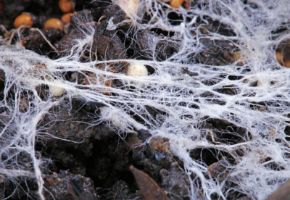

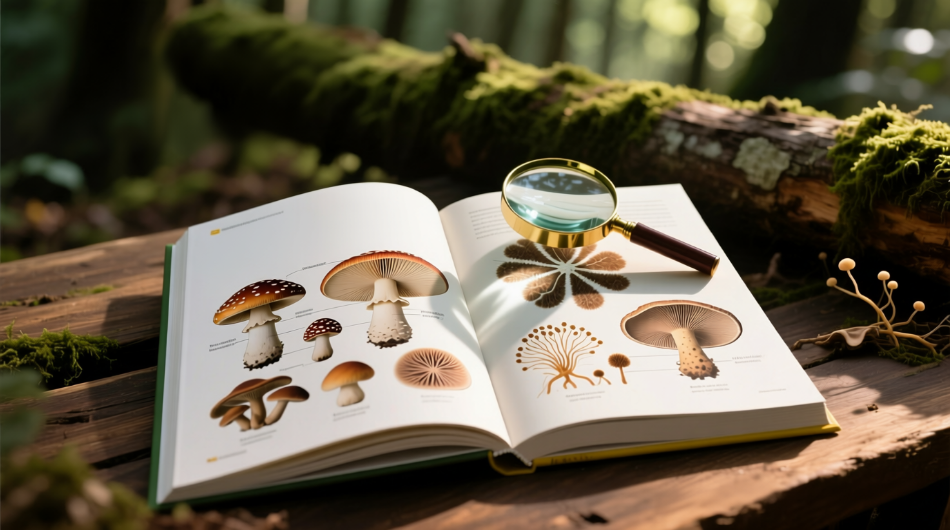
The taxonomy of fungi represents one of the fundamental pillars of mycology, a fascinating discipline that deals with the study and systematic classification of fungi. In this article, we will explore in depth the principles of fungal taxonomy, its historical evolution, traditional and modern classification methods, and how to navigate the complex world of mycological systematics.
Through a detailed analysis of the morphological characteristics, habitats, and properties of the main taxonomic groups, we will provide a comprehensive guide for enthusiasts, mycologists, and mushroom growers who wish to deepen their knowledge of this extraordinary kingdom.
Taxonomy, from the Greek "taxis" (ordering) and "nomos" (law or science), is the science that deals with the classification of living organisms. In the mycological context, fungal taxonomy represents a complex and ever-evolving field of study that combines morphological observations, genetic analyses, and ecological characteristics to organize and categorize the extraordinary diversity of the fungi kingdom. With over 120,000 described species and estimates suggesting the existence of millions of species yet to be discovered, fungal taxonomy represents a fascinating and crucial scientific challenge for understanding the biodiversity of our planet. The correct classification of fungi is not just an academic exercise but has fundamental practical implications in numerous fields. Accurate taxonomic identification is essential to distinguish edible species from toxic or poisonous ones, for the development of biotechnological applications, for understanding ecological relationships, and for biodiversity conservation. Furthermore, taxonomy provides the common language necessary for scientific communication and the exchange of information among researchers, enthusiasts, and professionals worldwide. The history of fungal taxonomy reflects the evolution of scientific thought and available technologies. From the first classification attempts based exclusively on macroscopic characteristics visible to the naked eye, we moved to the use of the microscope to observe reproductive structures, up to modern molecular biology techniques that analyze DNA. This historical path has led to significant revisions of the classification, with the creation of the fungi kingdom separate from plants and animals, and continuous reorganizations of the phylogenetic relationships among different groups. Before delving into specific classifications, it is essential to understand the fundamental principles that guide the taxonomy of fungi. These principles provide the conceptual framework necessary to correctly interpret the relationships between different groups and to understand the logic underlying classification systems. Defining what constitutes a species in the fungi kingdom is more complex than it might seem. Traditionally, the morphological species concept was based on visible characteristics like shape, color, size, and spore structure. However, with the advent of molecular techniques, it emerged that many morphologically similar species are actually complexes of cryptic species, genetically distinct but almost identical in outward appearance. This has led to the adoption of phylogenetic species concepts that consider evolutionary relationships and genetic differences. The classification of fungi follows a hierarchy of taxonomic levels, from the most general to the most specific. This hierarchy, established by the Linnaean system, includes: Each level provides information on the evolutionary relationships and shared characteristics among fungi classified in that group. The binomial nomenclature system, introduced by Carl Linnaeus in the 18th century, assigns each species a scientific name composed of two parts: the genus (with a capital initial) and the specific epithet (all lowercase). For example, Amanita muscaria unequivocally identifies the fly agaric. This system, regulated by the International Code of Nomenclature for Algae, Fungi, and Plants (ICN), ensures that each species has a unique name recognized internationally, overcoming the ambiguities of common names that vary from region to region. The fungi kingdom is divided into several main phyla (or divisions), each characterized by specific reproductive structures, life cycles, and biological characteristics. Understanding these fundamental groups is essential for navigating fungal taxonomy and appreciating the diversity of forms, functions, and ecological strategies present in this kingdom. Basidiomycota constitute one of the most numerous and well-known phyla of the fungi kingdom, comprising about 30,000 described species. This group includes most of the macroscopically visible fungi, such as common cap-and-stem mushrooms, porcini, amanitas, bracket fungi, and poisonous mushrooms. The distinguishing feature of Basidiomycota is the presence of basidia, specialized structures where meiosis occurs and external spores (basidiospores) are formed. Within Basidiomycota, we find several classes of mycological importance: Ascomycota represent the most numerous phylum of the fungi kingdom, with over 64,000 described species. This group includes an extraordinary variety of forms and functions, from cup fungi and morels to yeasts, from molds to truffles. The distinguishing feature of Ascomycota is the presence of asci, sac-like structures where meiosis occurs and internal spores (ascospores) are formed. The main subgroups of Ascomycota include: Glomeromycota are a relatively small but ecologically crucial phylum, comprising about 200 described species. These fungi form arbuscular mycorrhizal symbioses with most land plants, playing a fundamental role in nutrient uptake and ecosystem health. Unlike many other fungi, Glomeromycota do not produce conspicuous fruiting bodies, and their spores develop underground. Historically, Zygomycota included fungi characterized by the formation of thick-walled zygospores, resulting from the fusion of two gametangia. However, recent phylogenetic studies have shown that this group is not monophyletic, leading to its subdivision into several separate phyla, including Mucoromycota and Zoopagomycota. These fungi include many common molds like Rhizopus stolonifer, the bread mold. Chytridiomycota represent a basal group of fungi characterized by the presence of flagellated zoospores, a unique feature in the fungi kingdom. These fungi are mainly aquatic or live in humid environments and include both saprophytic and parasitic species. Some chytrids are known to be responsible for devastating diseases in amphibians, such as Batrachochytrium dendrobatidis, associated with the global decline of frog populations. These two minor phyla include specialized fungi with particular characteristics. Blastocladiomycota are similar to chytrids but with more complex life cycles, while Neocallimastigomycota are anaerobic fungi living in the digestive system of herbivores, where they contribute to cellulose digestion. Fungal taxonomy has evolved significantly over time, moving from systems based exclusively on characteristics observable with the naked eye or microscope to integrated approaches that combine morphological, ecological, physiological, and genetic data. This evolution has led to significant revisions of traditional classifications and a more accurate understanding of the phylogenetic relationships between different fungal groups. For centuries, the classification of fungi was based mainly on morphological characteristics observable macroscopically and microscopically. Macroscopic characters include shape, size, color, texture, odor, and taste of the fruiting body, as well as the type of attachment to the substrate and reaction to handling. Microscopic characters concern the structure of hyphae, the presence of cystidia, the shape and size of spores, and the type of hymenium. Although these approaches have allowed the description and classification of thousands of species, they present several limitations. Many fungi show considerable morphological variability in response to environmental conditions, and phylogenetically distinct species can appear very similar (cryptic species), while variants of the same species can appear very different. Starting in the 1990s, the introduction of molecular biology techniques revolutionized fungal taxonomy. DNA analysis allowed the establishment of phylogenetic relationships based on genetic similarities, overcoming many of the limitations of morphological characters alone. The most commonly used genetic markers include the ITS (Internal Transcribed Spacer) regions of ribosomal DNA, which represent the standard "barcode" for fungal identification, in addition to genes like LSU (Large Subunit), SSU (Small Subunit), RPB1, RPB2, and TEF1. The molecular approach has led to surprising discoveries, such as the reorganization of entire orders and families, the discovery of numerous cryptic species, and the resolution of controversial taxonomic relationships that had divided the mycological community for decades. Today, the trend is towards an integrated taxonomy that combines morphological, ecological, physiological, and molecular data. This holistic approach allows the construction of more robust and biologically significant classifications, reflecting not only genetic similarities but also ecological and functional differences. Integrated taxonomy recognizes that, although DNA provides valuable information on evolutionary relationships, morphological and ecological characters remain essential for understanding the ecology, distribution, and field identification of different species. In addition to phylogenetic classification based on evolutionary relationships, fungi can be categorized based on their ecological role and the type of relationship they establish with other organisms. This ecological classification provides valuable information on the biology of fungi and their role in ecosystems, complementing traditional taxonomic classification. Saprophytic fungi represent an ecologically crucial group that feeds on dead organic matter, contributing to nutrient recycling in ecosystems. These fungi secrete extracellular enzymes that degrade complex organic polymers like cellulose, lignin, and chitin, making the nutrients contained within them available to other organisms. Saprophytes include species that grow on dead wood, leaves, excrement, animal remains, and other decomposing organic substrates. Examples of common saprophytic fungi include: Mycorrhizal fungi form mutualistic symbiotic associations with plant roots, where the fungus provides the plant with mineral nutrients and water in exchange for carbohydrates. This symbiosis is fundamental for the health and growth of most land plants and represents one of the most important ecological relationships in ecosystems. It is estimated that over 90% of plant species form mycorrhizae with soil fungi. There are different types of mycorrhizae: Examples of mycorrhizal fungi include porcini (Boletus edulis), truffles (Tuber spp.), amanitas (Amanita spp.), and many other fungi that grow in association with forest trees. Parasitic fungi derive nourishment from living organisms, often causing diseases and damage. These fungi can be obligate parasites, able to live only at the expense of a living host, or facultative parasites, which can live both as parasites and as saprophytes. Parasitic fungi include pathogens of plants, animals, and other fungi, and can have significant impacts on agriculture, forestry, and human health. Examples of parasitic fungi include: Lichens represent symbiotic associations between a fungus (mycobiont) and one or more photosynthetic partners (photobionts), which can be green algae or cyanobacteria. In this symbiosis, the fungus provides structure and protection, while the photobiont produces carbohydrates through photosynthesis. Lichens are pioneer organisms capable of colonizing extreme environments and are important bioindicators of air quality. Most lichenized fungi belong to Ascomycota, with a minority to Basidiomycota. Common examples include the genera Cladonia, Usnea, Xanthoria, and Parmelia. Correct identification of fungi requires the use of appropriate tools and resources, ranging from traditional dichotomous keys to modern online databases and smartphone applications. The choice of tools depends on the user's experience, the type of fungus to be identified, and the available resources. Dichotomous keys represent the traditional tool for fungal identification. These keys present a series of successive choices between two contrasting characteristics, guiding the user progressively towards species identification. Keys can be based on macroscopic, microscopic characteristics, or a combination of both. Identification manuals often include dichotomous keys accompanied by detailed descriptions, illustrations, and photographs. Among the most authoritative manuals in Italian we can mention: Microscopy is essential for the accurate identification of many fungi, especially to distinguish cryptic species or to confirm identifications based on macroscopic characters. Microscopic observation allows examination of characteristics such as spore shape and size, the presence and type of cystidia, the structure of the hymenium, and the type of hyphae. For complete microscopic identification, the following are needed: With the advent of the internet, numerous online databases and digital resources for the identification and study of fungi have become available. These resources offer significant advantages, such as access to high-quality images, detailed descriptions, interactive keys, and updated information on taxonomy. Among the most authoritative resources we point out: Recently, numerous smartphone applications have been developed that use artificial intelligence to identify fungi through photographs. These applications analyze images provided by the user and compare them with reference databases, suggesting possible identifications. Although these technologies are promising, it is important to use them with caution, especially for fungi intended for consumption, as identification errors can have serious consequences. Among the most popular applications are iNaturalist, Picture Mushroom, and Mushroom Identify. However, no application can completely replace expert knowledge and identification based on multiple characters. Despite significant progress in recent decades, fungal taxonomy faces numerous contemporary challenges that require innovative approaches and international collaborations. These challenges concern not only technical and methodological aspects but also organizational, financial, and communication issues. One of the major challenges in fungal taxonomy is the so-called "Linnean deficit," i.e., the gap between the number of existing species and those formally described. It is estimated that only 5-10% of fungal species have been formally described, leaving millions of species still unknown to science. This deficit is particularly pronounced in tropical regions, in specialized microhabitats, and for microscopic fungi. The consequences of this deficit are significant: without a formal description, these species cannot be adequately studied, conserved, or considered in environmental management decisions. Furthermore, many species might become extinct before even being discovered, due to habitat loss, climate change, and other anthropogenic pressures. Another important challenge is the harmonious integration between traditional and modern taxonomic approaches. Molecular data have revealed significant discrepancies between classifications based on morphology and those based on DNA, leading to revisions that have sometimes been reluctantly accepted by the mycological community. Furthermore, excessive emphasis on molecular data risks marginalizing traditional morphological skills, which remain essential for field identification and understanding fungal ecology. Integrated taxonomy, which combines multiple lines of evidence, represents the most promising way to overcome these tensions, but requires multidisciplinary skills that are not always available. The standardization and accessibility of taxonomic data represent a further crucial challenge. With the growing volume of information generated by molecular and morphological studies, it is essential to develop standardized protocols for the collection, archiving, and sharing of data. Furthermore, it is important to ensure that this information is accessible not only to researchers but also to amateur mycologists, naturalists, and policy makers. Initiatives like the Open Science Movement and platforms like MycoBank and GBIF are making significant progress in this direction, but much remains to be done to make taxonomic data fully interoperable and accessible. Finally, a fundamental challenge is the training of the next generation of fungal taxonomists. Traditional taxonomic skills, especially in microscopy and morphology, are becoming increasingly rare, while the demand for experts in fungal identification remains high in sectors such as biodiversity conservation, medicine, agriculture, and biotechnology. It is essential to develop educational programs that combine the teaching of traditional techniques with modern molecular skills, and that promote collaborations between academic institutions, natural history museums, and communities of enthusiasts. Fungal taxonomy is a dynamic and rapidly evolving field, combining centuries of traditional observations with the most advanced technologies of molecular biology. Despite the challenges, the future of this discipline appears promising, with unprecedented opportunities to discover, describe, and understand the extraordinary diversity of the fungi kingdom. New technologies will continue to revolutionize fungal taxonomy in the coming years. Next-generation sequencing (NGS) and metagenomics are already transforming our way of studying fungal diversity, allowing the identification of species directly from environmental samples without the need to cultivate them or observe them macroscopically. At the same time, advanced imaging techniques, such as computed microtomography, are providing new insights into fungal morphology and anatomy. These technologies will not only accelerate the discovery of new species but will also allow the study of previously inaccessible characteristics, such as interactions between fungi and other organisms under natural conditions. Citizen science, i.e., the involvement of enthusiasts and citizens in scientific research, is playing an increasingly important role in fungal taxonomy. Amateur mycologists contribute significantly to the discovery of new species and the documentation of the distribution of known species, especially through platforms like iNaturalist and participatory monitoring projects. This involvement not only increases the amount of available data but also promotes the dissemination of mycological knowledge and awareness of the importance of fungal conservation. The future of fungal taxonomy will also depend on its ability to become more inclusive and global. Currently, taxonomic research is predominantly concentrated in the temperate regions of the northern hemisphere, while tropical regions, which host the greatest fungal diversity, are relatively understudied. It is essential to promote international collaborations and develop research capacity in regions with high biodiversity but limited resources. At the same time, it is important for taxonomy to recognize and integrate traditional and local knowledge about fungi, which in many cultures represent a centuries-old heritage of observations and uses. Finally, it is crucial to communicate the importance of fungal taxonomy to society as a whole. The correct identification and classification of fungi has direct implications in many areas, from food safety (distinguishing edible from poisonous species) to medicine (identifying pathogens and developing new drugs), from agriculture (controlling crop pathogens) to biodiversity conservation. Investing in fungal taxonomy is therefore not just an academic exercise, but an investment in our ability to understand, use, and conserve the biological diversity of the planet, with tangible benefits for present and future generations.Fungal taxonomy: where does it begin?
The importance of taxonomy in mycology
Historical evolution of fungal classification
The fundamentals of fungal taxonomy
The species concept in fungi
The main taxonomic levels
Binomial nomenclature
The main phyla of the fungi kingdom
Basidiomycota: the fungi with basidia
Ascomycota: the fungi with asci
Glomeromycota: the arbuscular mycorrhizal fungi
Zygomycota: a group under revision
Chytridiomycota: the flagellated fungi
Blastocladiomycota and neocallimastigomycota
Classification methods: from morphology to DNA
Traditional morphological taxonomy
The molecular revolution in fungal taxonomy
Integrated taxonomy: the future of classification
Classification of fungi by ecological characteristics
Saprophytic fungi: the decomposers
Mycorrhizal fungi: the symbionts
Parasitic fungi: the exploiters
Lichenized fungi: the complex symbioses
Tools and resources for taxonomic identification
Dichotomous keys and identification manuals
Microscopy in fungal identification
Online databases and digital resources
Smartphone applications and artificial intelligence
Contemporary challenges in fungal taxonomy
The biodiversity crisis and undescribed species
Integration between traditional and molecular approaches
Standardization and accessibility of data
Training the next generation of taxonomists
Taxonomy: future perspectives
The impact of new technologies
The importance of citizen science
Towards a more inclusive and global taxonomy
The importance of taxonomy for society