


NaturNext
Fungi Glossary
Mycology · Species · Cultivation · Ecology · Toxicology · Gastronomy · Biotechnology
A
133 entries
133 entries
AcetabulariaGenus of cup Ascomycetes with concave apothecia, saprophytic on wood and soil
AcervulusCushion-shaped asexual reproductive structure under the epidermis of the host plant
Ibotenic acidNeurotoxin from Amanita muscaria, precursor of muscimol, glutamate agonist
Oxalic acidProduced by brown rot fungi to degrade cellulose by lowering pH
Pulvinic acidYellow pigment of Boletales causing blueing upon oxidation
AcremoniumGenus of saprophytic fungi, some producers of cephalosporin antibiotics
ActinomycetesFilamentous soil bacteria similar to fungi; co-decompose organic matter
Adnate (gills)Gills attached to the stem for their entire width without extending down
AeciumCup-shaped structure of rusts containing aeciospores on the alternate host
Aphid-fungus (relationship)Interaction between aphids producing honeydew and sooty mold saprophytes
AflatoxinCarcinogenic mycotoxin from Aspergillus flavus on cereals, peanuts, and dried fruit
PDA AgarPotato Dextrose Agar; standard medium for mycelial isolation and growth
MEA AgarMalt Extract Agar; nutrient medium for culturing molds and macrofungi
SDA AgarSabouraud Dextrose Agar; selective acidic pH medium for dermatophytes and yeasts
WA AgarWater Agar; low-nutrient medium used to isolate single spores and germinate basidiospores
Agar-agarGelling agent from algae for solidifying culture media in microbiology
AgaricalesOrder of Basidiomycetes containing most gilled fungi
AgaricGeneric term for a fungus having a cap, stem, and gills
Agaricus arvensisHorse mushroom; good edible with aniseed odor from meadows
Agaricus augustusThe Prince; large fungus with brown scales and almond fragrance
Agaricus bisporusButton mushroom; the most cultivated fungus worldwide in three commercial varieties
Agaricus bitorquisPavement mushroom; robust edible with a double ring
Agaricus campestrisField mushroom; edible from pastures with pink then brown gills
Agaricus silvicolaWood mushroom; edible with white cap and aniseed odor
Agaricus xanthodermusYellow-staining mushroom; toxic, turning yellow at the base with phenol odor
AgarikonLaricifomes officinalis; large medicinal polypore of conifers
Agrocybe aegeritaPoplar mushroom; excellent edible cultivated on hardwood stumps
Agrocybe praecoxSmall spring fungus from gardens with a membranous ring
Mother treeDominant forest tree that distributes nutrients via the mycorrhizal network
Aleuria aurantiaOrange peel fungus; edible bright orange cup Ascomycete
AleuriosporesLarge terminal conidia on the hyphae of dermatophytes
Alpha-amanitinMain amatoxin; inhibits RNA polymerase II, lethal to the liver
AlternariaGenus of allergenic dark molds causing leaf spots and contamination
AmadouFibrous material from Fomes fomentarius used as tinder and for hemostatic purposes
Amanita caesareaCaesar's mushroom; prized orange edible with yellow gills and white volva
Amanita citrinaFalse death cap; inedible with raw potato odor
Amanita croceaOrange Grisette; edible without ring, with white membranous volva
Amanita fulvaTawny Grisette; edible with tawny-brown cap and sheathing volva
Amanita gemmataJeweled Amanita; toxic with yellow cap and deciduous white warts
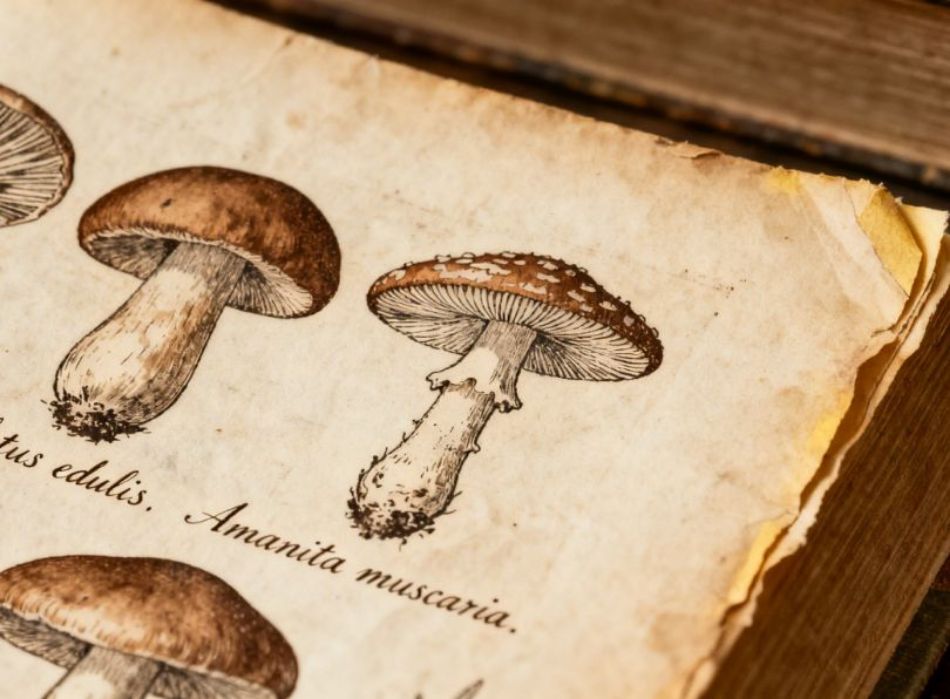
Amanita muscariaFly agaric; iconic red with white spots, toxic-hallucinogenic
Amanita pantherinaPanther cap; highly toxic with brown cap and white warts
Amanita phalloidesDeath cap; most lethal fungus in Europe, causing 90% of deaths
Amanita ponderosaPonderous Amanita; prized Iberian edible from Mediterranean sandy soils
Amanita rubescensBlusher; edible after long cooking, flesh turns red
Amanita strobiliformisStrobiliform Amanita; large whitish fungus with pyramidal warts
Amanita vaginataGrisette; edible but fragile with grey cap and volva
Amanita vernaFool's mushroom; lethal spring fungus, entirely white
Amanita virosaDestroying angel; deadly with white conical cap and membranous volva
AmatoxinsLethal cyclopeptides in Amanita, Galerina, and Lepiota; destroy the liver
Ambrosia (fungi)Fungi cultivated by bark beetles in wood galleries
Amyloid (reaction)Blue-black staining with Melzer's reagent indicating starch in spores
Amorpha (Fomitopsis)Genus of brown rot polypores, parasitic and saprophytic on wood
AnamorphAsexual stage of the fungal life cycle that produces conidia
Hyphal anastomosisFusion between compatible hyphae for exchange of nuclei and cytoplasm
AnnulusRemnant of the partial veil around the stem; ring in gilled fungi
Double ringRing formed by two layers, typical of Agaricus bitorquis and Macrolepiota
Movable ringMobile ring that can slide along the stem, typical of Macrolepiota procera
AnnulusLatin term for ring; used in formal taxonomic descriptions
Fungal antibiosisProduction of antibiotics by fungi that inhibit bacteria and other microorganisms
AntifungalDrug that kills or inhibits pathogenic fungi; classes: azoles, polyenes, echinocandins
Hyphal apexTerminal growth zone of the hypha where cell wall extension occurs
ApotheciumOpen, cup-shaped fruiting body of Ascomycetes with exposed hymenium
AppressoriumAdhesion and penetration structure of phytopathogenic fungi on the cuticle
ArbusculeBranched structure within root cells, site of exchange in AM mycorrhizae
Armillaria borealisNorthern honey fungus; northern species of the Armillaria complex with yellowish ring
Armillaria gallicaBulbous honey fungus; species with bulbous stem and yellow reaction at base
Armillaria melleaHoney fungus; edible only when cooked, parasite with bioluminescent rhizomorphs
Armillaria ostoyaeIncludes the largest living organism on Earth: 9 km² of mycelium in Oregon
ArthrosporeAsexual spore formed by hyphal fragmentation, common in dermatophytes and Geotrichum
AscusSac-like cell of Ascomycetes where 8 ascospores are formed by meiosis
AscocarpFruiting body of Ascomycetes; can be apothecium, perithecium, or cleistothecium
AscogoniumFemale cell of Ascomycetes which, after fertilization, gives rise to asci
AscomycetesDivision Ascomycota; truffles, morels, yeasts, molds, lichens — spores in asci
AscosporeSexual spore produced inside an ascus; typically 8 per ascus
AspergillosisInfection by Aspergillus, especially pulmonary, severe in immunocompromised
Aspergillus flavusMold producing carcinogenic aflatoxins on cereals and dried fruit
Aspergillus fumigatusMain agent of invasive aspergillosis; ubiquitous airborne spores
Aspergillus nigerIndustrial black mold for citric acid and enzymes; occasionally pathogenic
Aspergillus oryzaeKoji; sacred mold for sake, miso, and soy sauce in Japanese cuisine
AutoclaveSteam sterilizer under pressure (121°C) for cultivation substrates
AutolysisSelf-digestion of the fruiting body by its own enzymes; typical of Coprinopsis
Auricularia auricula-judaeJelly ear; edible gelatinous fungus shaped like an ear
Auricularia polytrichaCloud ear; similar to the previous, larger, cultivated in Asia
Carbon austerityTechnique of increasing CO₂ to delay and synchronize fruiting
AuxotrophyInability of an organism to synthesize an essential nutrient; common in mutant yeasts
AbiosisDeath of hyphae due to substrate exhaustion or prolonged adverse conditions
Acacia (mycorrhizae)Tropical acacias form arbuscular mycorrhizae and sometimes ectomycorrhizae with Boletus
AcervularRelating to the acervulus; a type of subepidermal conidial fruiting
Clavulanic acidBeta-lactamase inhibitor produced by the fungus Streptomyces clavuligerus
Fusaric acidPhytotoxin produced by Fusarium causing wilting in plants
Gibberellic acidPlant hormone originally isolated from the rice fungus Gibberella fujikuroi
Mycophenolic acidImmunosuppressant from Penicillium brevicompactum used in organ transplants
Usnic acidLichen metabolite with antibiotic and anti-inflammatory properties
AdaptogenSubstance that helps the body adapt to stress; attributed to reishi and cordyceps
AerobiologyStudy of airborne biological particles including fungal spores and hyphal fragments
Aflatoxin M1Metabolite of aflatoxin B1 in milk from animals fed contaminated feed
AgaritineCompound in Agaricus bisporus studied for potential genotoxicity at high doses
Leavening agentMicroorganism (yeast) or substance that produces gas to leaven dough
CYA AgarCzapek Yeast Agar; medium for growth and identification of Aspergillus species
AlbatrellusGenus of terrestrial polypores; A. pes-caprae is edible and sought after
Fermentation alchemyAncient term for fermentation processes carried out by yeasts and molds
Carbon allocationDistribution of photosynthetic sugars from the plant to the mycorrhizal fungus
Alternation of generationsLife cycle with haploid and diploid phases; in fungi includes plasmogamy, karyogamy, and meiosis
Amanita ceciliaeCecilia's Amanita; edible with grey-brown cap and greyish warts
Amanita echinocephalaSpiny-headed Amanita; toxic with pointed pyramidal warts
Amanita junquilleaJungle Amanita; suspiciously toxic with cream-yellow cap
Amanita ovoideaBeige Amanita; Mediterranean edible with farinaceous flesh
Amanita spissaRobust Amanita; edible with caution, confusable with the toxic panther cap
AmensalismInteraction where one organism inhibits another without direct benefit
Spore amyloidyPresence of starch in spores detected by the amyloid reaction with Melzer
Amoeba-fungusInteraction between soil amoebae and fungal spores; amoebae prey on conidia
Amylostereum areolatumSymbiotic fungus of the woodwasp Sirex noctilio; causes conifer rot
Facultative anaerobeOrganism that grows with or without oxygen; yeasts ferment in anaerobiosis
AneuploidyAbnormal number of chromosomes in fungal cells; studied in mutant yeasts
AnisaldehydeReagent used to highlight terpenes and sugars in fungal histological sections
BlackeningFlesh turning black in certain Boletus and Leccinum due to enzymatic oxidation
AntagonismReciprocal inhibition between fungi competing for the same substrate or habitat
AntibioticAntimicrobial substance of fungal or bacterial origin; penicillin, griseofulvin
Fungal antioxidantPhenolic compounds and polysaccharides from fungi that neutralize free radicals
Apical (growth)Hyphal extension occurring exclusively at the tip, via wall deposition
ApiocystidiaCystidia with a swollen, pear-shaped apex; diagnostic microscopic feature
Hilar appendageSmall protuberance on the spore at the attachment point to the sterigma
Armillaria tabescensRingless honey fungus; edible, similar to A. mellea but lacking a ring
AscolichensAscomycetes that form the fungal component of lichens; the majority
AseptateHypha or spore lacking cross walls; synonymous with coenocytic
AspergillomaMass of Aspergillus hyphae in a lung cavity; complication of aspergillosis
AsterophoraGenus of small fungi parasitic on decomposing Russula and Lactarius
AsterosporesRough or warty spores of Asterosporales; diagnostic ornamentation
Mycelial atrophyProgressive loss of mycelial vigor in repeated subcultures
AureobasidiumGenus of black yeast-like fungi used for industrial pullulan production
Self-digestionSynonym for autolysis; the fungus digests itself at maturity
AutotrophyAbility to synthesize all nutrients independently; absent in fungi (obligate heterotrophs)
AzurescentTurning blue/azure; diagnostic behavior of certain Boletus and Psilocybe
↑ back to indexB
54 entries
54 entries
Spore ballistosporyLaunch mechanism of basidiospores via the Buller's drop
Bale (substrate)Compressed substrate blocks for cultivating Pleurotus and Lentinula
DNA BarcodingIdentification of fungal species by sequencing ITS regions of ribosomal DNA
BasidiumClub-shaped fertile cell of Basidiomycetes on which basidiospores are formed
BasidiocarpFruiting body of Basidiomycetes; includes cap, stem, and hymenium
BasidiomycetesDivision Basidiomycota; gilled fungi, polypores, rusts, smuts, jelly fungi
BasidiosporeSexual spore on a basidium; typically 4 per basidium, actively launched
Beauveria bassianaEntomopathogenic fungus used as a biological insecticide against harmful arthropods
Beta-glucansImmunomodulating polysaccharides of the fungal cell wall; abundant in reishi and shiitake
BioaccumulationConcentration of heavy metals and radionuclides in fungal tissues from the soil
BiofuelsUse of fungal lignocellulosic enzymes to convert biomass into ethanol
BiocontrolUse of antagonistic fungi (Trichoderma, Beauveria) to control pathogens and pests
BiodeteriorationDegradation of man-made materials (wood, paper, fabrics) caused by fungal enzymes
BiofertilizerInoculum of mycorrhizal fungi added to soil to improve plant nutrition
BioluminescenceLight emission from fungi (Omphalotus, Mycena) via luciferin-luciferase reaction
Fungal biomassTotal amount of living fungal matter in an ecosystem; dominates soil biomass
BioreactorContainer for fungal cultivation under controlled conditions of temperature, pH, and aeration
BioremediationUse of fungi to degrade environmental pollutants using ligninolytic enzymes
BisporaBasidium producing only 2 spores instead of 4; characteristic of Agaricus bisporus
BlastomycosisSystemic infection by Blastomyces dermatitidis, a dimorphic soil fungus
BlastosporeAsexual spore produced by budding in yeasts (Candida, Saccharomyces)
BoletalesOrder of Basidiomycetes with tubes and pores; porcini, leccinum, suillus
Boletus aereusDark porcini; highly prized with brownish-black cap, thermophilic mycorrhizal
Boletus edulisPorcini; king of edible mushrooms with brown cap and reticulate stem
Boletus pinophilusPine porcini; excellent with reddish-brown cap of mountain conifers
Boletus reticulatusSummer porcini; similar to B. edulis but earlier and with dry cap
Botrytis cinereaGrey mold; phytopathogen that on ripe grapes produces noble rot
Brown rotDegradation of cellulose leaving lignin intact
BrûléCircular zone without vegetation around a truffle-producing tree, sign of truffle presence
Bucket tekAmateur technique for pasteurizing substrate in a bucket with hot water
Buller's dropDrop forming on the basidiospore causing its explosive launch from the basidium
Bulliard, Jean-Baptiste18th-century French mycologist, author of fundamental illustrated plates for mycology
BaeomycesGenus of crustose lichens with fertile podetia; indicator of acidic soils
BalansiaGenus of Ascomycete endophytes of tropical grasses
BasidiolumImmature basidium; stage before meiosis and spore formation
BasidiomycinAntibiotic substance produced by some Basidiomycetes with antimicrobial activity
BatrachochytriumGenus of Chytrids responsible for lethal chytridiomycosis in amphibians
BenzimidazolesClass of systemic fungicides that inhibit fungal mitosis
Egg white testPopular (unreliable) edibility test using egg white; lacking scientific validity
Fungal biocharCharcoal that promotes mycorrhizal colonization in soil
Fungal biofilmStructured community of fungal cells adhering to surfaces, resistant to treatments
BiomimeticsImitation of fungal structures for design and engineering (e.g., mycelial materials)
BiopulpingUse of white rot fungi to pre-treat wood in the paper industry
Fungal biotaSet of fungal species present in a given territory or ecosystem
Bisporella citrinaSmall yellow disc on dead hardwood; very common Ascomycete
Bluing reactionFlesh turning blue; diagnostic in Psilocybe and some Boletus
BodegoneSpanish term for pictorial representation of still lifes with mushrooms
BolbitiaceaeFamily of fungi with gills ranging from light to brown; includes Bolbitius and Conocybe
Bolbitius titubansEphemeral yellow fungus of lawns with slimy cap that dissolves rapidly
BoletinusGenus of boletes with elongated, irregular pores, mycorrhizal with larch
Mycological remediationRemediation intervention of contaminated soils using degradative fungi
BotryobasidiumGenus of resupinate fungi forming films on decaying wood
BotryosphaeriaGenus of phytopathogenic Ascomycetes causing cankers and dieback on hardwoods
Bulgaria inquinansBlack, gelatinous cup fungus on oak wood; inedible
↑ back to indexC
133 entries
133 entries
Calvatia giganteaGiant puffball; edible when young, up to 70 cm, billions of spores
Dried specimen (exsiccatum)Dehydrated fruiting body preserved in a herbarium as a taxonomic reference
Candida albicansCommensal yeast of humans that can cause candidiasis in immunocompromised individuals
CandidiasisInfection by Candida of mucous membranes, skin, or organs; common in immunocompromised
Cantharellus cibariusGolden chanterelle; prized yellow edible with apricot aroma, mycorrhizal
Cantharellus lutescensYellowfoot; edible with yellow hollow stem and brown cap, excellent dried
Cantharellus pallensPale chanterelle; light variety of the chanterelle, equally prized
Cantharellus tubaeformisTrumpet chanterelle; small winter edible with funnel-shaped cap
Cap (pileus)Upper part of the fruiting body that protects the fertile hymenium
Sooty mold complexFungal complex of sooty mold; black coating on leaves due to honeydew
Smuts (Ustilaginales)Parasitic Basidiomycetes that convert host tissues into black spore masses
King oysterPleurotus eryngii; excellent fungus of Mediterranean steppes parasitic on Eryngium
KaryogamyFusion of nuclei in the fungal sexual cycle; precedes meiosis
Flesh (context)Internal tissue of the fruiting body; color, consistency, and bruising are diagnostic
CasingCovering layer (peat + lime) that stimulates fruiting of the button mushroom
CellulaseEnzymes that degrade cellulose into glucose, produced by saprophytic fungi
CoenocyteHypha lacking septa with continuous cytoplasm and multiple nuclei; typical of Zygomycetes
CercosporaPhytopathogenic genus causing leaf spots with elongated, multi-septate conidia
CespiroseGrowth form in tufts of multiple fruiting bodies from a single point (e.g., honey fungi)
ChagaInonotus obliquus; black mass on birches used as an antioxidant in traditional medicine
Button mushroomCommercial name of Agaricus bisporus; most widely cultivated mushroom in the world
Dichotomous keyIdentification tool using successive binary choices based on morphological characters
Honey fungusArmillaria mellea s.l.; edible only when cooked, grows in tufts on tree stumps
ChitinStructural polysaccharide of the fungal cell wall containing nitrogen
ChitinaseEnzymes that degrade chitin; role in competition between fungi and in biocontrol
ChytridiomycetesPrimitive aquatic fungi with flagellated zoospores; Batrachochytrium kills amphibians
CyanescentTurning blue upon tissue breakage due to pigment oxidation (Boletus, Psilocybe)
Heteroecious cycleLife cycle on two different hosts; typical of cereal rusts
Autoecious cycleLife cycle completed on a single host without alternation
CystidiaSterile cells on the hymenium; cheilo-, pleuro-, caulo-cystidia; fundamental for microscopy
CladosporiumGenus of dark molds among the most common fungal allergens in the air
Clathrus archeriOctopus stinkhorn; Basidiomycete with red tentacles and fetid gleba, of Australian origin
Clathrus ruberRed cage fungus; cage-like structure with foul-smelling gleba to attract flies
ClavariaGenus of club or coral-shaped colorful fungi, soil saprophytes
Claviceps purpureaErgot fungus; produces ergot with alkaloids causing ergotism
ClavulinaGenus of white or grey coral fungi; C. cristata is common in woods
CleistotheciumClosed ascocarp that releases ascospores only upon wall disintegration
Clitocybe geotropaFunnel mushroom of meadows; large edible with strong floury odor
Clitocybe nebularisClouded agaric; large grey fungus now considered toxic due to accumulation
Clitocybe rivulosaSmall white meadow fungus, very toxic due to muscarine; confusable
Clitopilus prunulusMiller; edible with floury odor, indicator of porcini
CloneMycelial culture from a tissue fragment to propagate a selected strain
CO₂ (management)Carbon dioxide control: high levels favor colonization, low levels favor fruiting
CoccidioidomycosisLung infection by Coccidioides immitis, a soil fungus from arid American zones
Cold shockSudden temperature drop to induce fruiting in certain species
ColonizationPhase in which the mycelium progressively invades the substrate before fruiting
Coltricia perennisSmall soil polypore with concentrically zoned cap, mycorrhizal
Liquid culturePropagation of mycelium in sterile nutrient solution for rapid inoculation
Master culturePetri dish with the original strain kept as a genetic reserve of the fungus
Slant cultureMycelium on slanted agar in a tube for long-term storage
Phase I compostFirst aerobic fermentation of compost for button mushrooms: straw, manure, gypsum
Phase II compostControlled pasteurization of compost at 60°C to eliminate pathogens
Phase III compostCompost colonized by button mushroom mycelium, ready for casing
ConidiumAsexual spore produced externally on conidiophores; rapid propagation of molds
ConidiophoreSpecialized hypha that bears conidia; morphology diagnostic for mold genera
Clamp connectionLateral hyphal bridge that maintains the dikaryon during cell division
ContaminationPresence of unwanted organisms in the substrate; main problem for the grower
Coprinellus micaceusMica cap; edible when young, with sparkling granules
Coprinopsis atramentariaCommon ink cap; causes coprine syndrome (Antabuse effect) with alcohol
Coprinus comatusShaggy mane; excellent when young, self-digests into black ink
CoprophilousFungus growing on dung; strategy of Panaeolus, Psilocybe, Coprinus
CordycepinAntibacterial and antitumor metabolite from Cordyceps militaris
Cordyceps militarisOrange cultivable entomopathogen, source of cordycepin for mycotherapy
Cordyceps sinensisTibetan caterpillar fungus; parasite of high-altitude larvae, extremely expensive
Fruiting bodyMacroscopic structure that bears the spores; what we commonly call a mushroom
CortinaCobweb-like veil protecting young gills in the genus Cortinarius
CortinariusGenus with >2000 mycorrhizal species; includes edibles and deadly ones
Cortinarius orellanusDeadly due to orellanine; renal failure with late symptoms (2-17 days)
Cortinarius speciosissimusDeadly bog fungus with orellanine like C. orellanus
Cortinarius violaceusViolet cortinarius; rare, entirely dark violet fungus, mycorrhizal
Craterellus cornucopioidesBlack trumpet; excellent black edible, excellent dried
CreminiIntermediate brown variety of Agaricus bisporus with a stronger flavor
CrepidotusGenus of small shelf fungi without a stem, saprophytic on wood
CryptococcosisSystemic infection by Cryptococcus neoformans; meningitis in HIV patients
Cryptococcus neoformansEncapsulated pathogenic yeast living in pigeon guano; causes meningitis
CuticleSurface layer of the cap; the microscopic structure is a taxonomic character
CyclosporineImmunosuppressant produced by Tolypocladium inflatum; revolutionized organ transplants
CaloceraGenus of small, yellow, club-shaped gelatinous fungi on conifer wood
Calocera viscosaYellow stagshorn; branched yellow gelatinous fungus on conifer stumps
Calocybe gambosaSt. George's mushroom; prized spring edible from meadows with floury odor
Heat shieldInsulating material used to maintain temperature in mushroom houses
CalosphaeriaGenus of stromatic Ascomycetes parasitic on the wood of fruit trees
Humid chamberEnvironment with saturated humidity to stimulate sporulation of fungal samples
Candelabra conidiophoreCandelabrum-like branched conidiophore structure; character of genera like Verticillium
Trained dogDog trained to search for truffles; specialized breeds like the Lagotto Romagnolo
Canker (lesion)Necrotic lesion on stems and branches caused by phytopathogenic fungi (Nectria, Cytospora)
CapillitiumNetwork of sterile filaments among spores in Gasteromycetes; aids dispersal
CapreolusGenus of small Ascomycetes parasitic on wild grasses
Stinking smutTilletia caries; wheat smut that contaminates grains with a fetid odor
CarboxymethylcelluloseSubstrate used in laboratory tests to assay the cellulolytic activity of fungi
CarpophoreSynonym for fruiting body and sporophore; the visible structure of the fungus
Vegetable tarSubstance traditionally used to protect inoculated logs from drying out
CaulocystidiaCystidia present on the stem surface; diagnostic microscopic character
CelluloseMain plant polysaccharide; degraded by fungi with cellulosic complexes
CenobiosisLife in community of different organisms; fungi participate in soil cenobiosis
StrainSpecific genetic line of a cultivated fungus; selected for yield and quality
CerrenaGenus of resupinate polypores on dead wood with a labyrinthine surface
Chalciporus piperatusPeppery bolete; inedible raw due to very peppery taste, used as a spice
Fir honey fungusArmillaria borealis or cepistipes; honey fungus of mountain conifers
ChlamsporaSynonym for chlamydospore; thick-walled resistance spore
Chlorophyllum molybditesFalse parasol; toxic tropical species with greenish gills and green spores
Chlorophyllum rachodesShaggy parasol; edible with reddening flesh, smooth stem
CiboriaGenus of small cup Ascomycetes parasitic on catkins and fruits of trees
Sporangiophore cymbalsSporangiophores of the genus Pilobolus that launch the sporangium towards light
Hymenial cystidiumCystidium located specifically on the hymenium among fertile basidia
CladoniaGenus of lichens with erect podetia and cups; C. rangiferina is reindeer lichen
Phylogenetic classificationTaxonomy based on evolutionary relationships reconstructed with DNA analysis
Clavariadelphus pistillarisLarge edible yellow-brown club fungus of mountain beech forests
Clitocybe costataRibbed clitocybe; edible grey funnel fungus from sandy dunes
Clitocybe gibbaCommon funnel; edible funnel-shaped with very crowded decurrent gills
CoenocyticRelating to coenocyte; hyphae without septa with multinucleate cytoplasm
ColletotrichumGenus causing anthracnose; spots and lesions on fruits and leaves
CollybiaObsolete genus of small saprophytic litter fungi; now subdivided
Spore stainReagents (lactophenol cotton blue, congo red) to highlight spores under the microscope
Mycological commissionBody of the local health authority responsible for checking fresh mushrooms intended for sale
CompostingAerobic fermentation process of organic matter; phase I and II for button mushrooms
Fungal communitySet of fungal species coexisting in an ecosystem; studied with metabarcoding
ConfervaArchaic term for fungal hyphae or filamentous algae observed under the microscope
ConocybeGenus of small fragile fungi of manured grasslands; some species with amatoxins
Conocybe filarisSmall deadly garden fungus due to amatoxins; easily overlooked
Ex situ conservationMaintenance of fungal strains in culture (cryopreservation, lyophilization)
In situ conservationProtection of fungi in their natural habitat; mycological reserves
Dimitic contextFruiting body tissue with two types of hyphae (generative + skeletal)
Monomitic contextTissue with only one type of hyphae (generative); simple and soft structure
Trimitic contextTissue with three types of hyphae (generative, skeletal, binding); very hard structure
CoriolusOld synonym for Trametes; still used for Trametes versicolor in mycotherapy
Hyphal wrinklingDeformation of hyphae due to osmotic or environmental stress during cultivation
CryopreservationStorage of fungal strains at -80°C or in liquid nitrogen to preserve viability
ChrysocystidiaCystidia with golden-yellow content in Basidiomycetes; visible under the microscope
ChromogenesisFormation of pigments in the fruiting body; responsible for mushroom colors
Mycelial crustCompact superficial layer of mycelium covering the colonized substrate
CrustoseCrust-like growth adhering to the substrate; typical of many lichens and resupinate fungi
Cure dryingSlow, controlled drying of fruiting bodies for herbal use
↑ back to indexD
41 entries
41 entries
DacrymycesGenus of small orange gelatinous fungi on conifer wood
Daedalea quercinaMaze-gill polypore of oak with a labyrinthine pore surface
Daedaleopsis confragosaShelf polypore on hardwoods with pores that redden under pressure
Decurrent (gills)Gills that extend down the stem
DecomposersEcological role of saprophytes: recycle organic matter and feed the soil
Spore dischargeViolent expulsion of ascospores from asci in Ascomycetes
DeliquescenceAutolysis with liquefaction of the fruiting body; gills dissolve into black liquid
DermatophytesKeratinophilic fungi causing ringworm, athlete's foot, and onychomycosis
Dextrinoid (reaction)Brownish-red staining with Melzer; intermediate between amyloid and inamyloid
DeuteromycetesObsolete group of fungi with only asexual stage known; reclassified with DNA
DikaryonCell or hypha with two different haploid nuclei; secondary mycelium of Basidiomycetes
DimorphismAlternation between filamentous and yeast-like form in pathogens (Histoplasma, Blastomyces)
Germ porePoint on the spore from which the germ tube emerges to initiate the mycelium
Anemochorous dispersalSpore dispersal via wind; most common mechanism in fungi
Entomochorous dispersalSpore dispersal via insects attracted by odors (e.g., Phallaceae)
Hydrochorous dispersalSpore dispersal via water; common in Chytridiomycetes
Zoochorous dispersalSpore dispersal via animals (mammals, birds, slugs)
DNA barcodingMolecular technique to identify fungal species using ribosomal ITS regions
DoliporeHyphal septum with a barrel-shaped pore surrounded by the parenthesome in Basidiomycetes
Spore dormancyMetabolic quiescence of spores awaiting favorable conditions
Dowel spawnWooden dowels colonized by mycelium for inoculating logs
Dryad's saddleCerioporus squamosus; large scaly shelf polypore on hardwoods
Daldinia concentricaKing Alfred's cakes; black spherical Ascomycete with concentric rings on ash wood
DaldiniaGenus of globose stromatic Ascomycetes with internal zonation; wood saprophytes
DecarboxylationReaction converting ibotenic acid into muscimol during drying of A. muscaria
Nutritional deficiencyNutrient shortage in the substrate causing weak growth and low yields
Enzymatic degradationProcess of breaking down organic matter by fungal enzymes
DehiscenceSpontaneous opening of the fruiting body or sporangium to release spores
Fungal dermatitisSkin irritation caused by contact with certain toxic fungi (Suillus, Boletus)
DesaturationProcess of reducing free water in the substrate by drainage or evaporation
DeuteromycoticRelating to Deuteromycetes; term describing the anamorph stage of a fungus
ClearingTechnique of clarifying fungal tissues for microscopic observation
DiaportheGenus of endophytic and phytopathogenic Ascomycetes with perithecia on dead plant stems
Dichotomous keyStandard tool for fungal identification
Dimethyl sulfideVolatile compound responsible for the aroma of certain fresh mushrooms
DiscomycetesGroup of Ascomycetes with open disc-shaped apothecia; includes Peziza and Morchella
DisinfectionReduction of microbial load without complete sterilization; alcohol, hypochlorite
Spore dissectionTechnique of isolating single spores with a microneedle to obtain pure cultures
Ribosomal DNAGenes for ribosomal RNAs; ITS and LSU regions are used for fungal taxonomy
Lethal doseMinimum amount of toxin that causes death; 0.1 mg/kg for alpha-amanitin
Droso (slime)Viscous film on the cap cuticle of Suillus, Gomphidius, and similar fungi
↑ back to indexE
46 entries
46 entries
EchinulateSpore ornamentation with small spines; visible under the microscope
Fungal ecologyStudy of interactions of fungi with the environment, plants, and other organisms
EctendomycorrhizaHybrid type with an external mantle and intracellular penetration
EctomycorrhizaSymbiosis with a hyphal mantle and Hartig net between root cells
Antabuse effectCoprine syndrome: nausea and tachycardia consuming Coprinopsis with alcohol
ElaphomycetesHypogeous genus of Ascomycetes similar to truffles but not related
EndomycorrhizaSymbiosis with hyphae penetrating root cells; arbuscules and vesicles
EndophyteFungus living inside plant tissues without causing disease, often beneficial
EndosporeSpore formed inside a mother cell; ascospores are endospores
EnokiCultivated form of Flammulina: elongated white stems and small cap
Entoloma sinuatumLarge toxic species with pinkish sporulation; severe gastroenteritis
EntomopathogenFungus parasitic on insects used in biocontrol (Beauveria, Metarhizium)
Ligninolytic enzymesLaccases and peroxidases that degrade lignin in white rot
EpigeousFungus with fruiting body above ground; opposite of hypogeous
EpicutisOutermost layer of the cap cuticle composed of differentiated hyphae
ErgosterolMembrane sterol of fungi; precursor of vitamin D2 under UV, target of antifungals
ErgotSclerotium of Claviceps purpurea on rye; alkaloids of historical ergotism
ErgotismPoisoning by ergot alkaloids; gangrene and convulsions in medieval Europe
Ericaceous (mycorrhiza)Specific symbiosis between Ascomycetes and roots of heathers, blueberries, rhododendrons
DryingPreservation by dehydration; concentrates aromas in porcini and black trumpets
EsteraseFungal enzymes that hydrolyze ester bonds; used in diagnostics and biotechnology
HeterothallismSexual reproduction requiring genetically different and compatible mycelia
ExobasidiumParasitic genus causing galls on azaleas, rhododendrons, and Ericaceae
ExoperidiumOuter layer of the peridium in Gasteromycetes; splits open like a star in Geastrum
EchinocandinsClass of antifungals that inhibit beta-glucan synthesis in the fungal cell wall
Mycological ecoregionGeographical area with characteristic fungal flora determined by climate and vegetation
EctoendomycorrhizaMixed type with external mantle and intracellular penetration, in young conifers
EdaphicRelating to soil; edaphic factors profoundly influence the fungal flora
Pioneer effectRole of primary saprophytes that prepare the substrate for subsequent fungi
Border effectPreferential growth of cultivated fungi at the substrate edges due to microclimate
ElaterHygroscopic structure aiding spore dispersal in Myxomycetes
HemicellulosePlant cell wall polysaccharide degraded by fungi along with cellulose
HemolysisRupture of red blood cells; caused by amatoxin phalloidin and the toxin of Paxillus
EndoperidiumInner layer of the peridium in Gasteromycetes; contains the fertile gleba
EndosymbioticOrganism living inside another; some bacteria live inside fungal hyphae
Mycological wine tastingPaired tasting of mushrooms and wine; Italian food and wine tradition
EpiphyteFungus growing on the surface of living plants without parasitizing them; foliose lichens
EpiphragmFungus pushing through asphalt or concrete; the pavement mushroom
ErinacinesBioactive diterpenes from Hericium erinaceus that cross the blood-brain barrier
ExosporeSpore formed externally to the mother cell; basidiospores are exospores
Exterior of the basidiumExternal surface where basidiospores are formed, distinct from the internal ascus
Ethanol (production)Ethyl alcohol produced by glucose fermentation by Saccharomyces cerevisiae
HeterocystSpecialized cell of lichen cyanobacteria for nitrogen fixation
EthnomycologyStudy of the relationship between human cultures and fungi throughout history and traditions
EurotialesOrder of Ascomycetes comprising Aspergillus, Penicillium, and Talaromyces
EvanescentDisappearing at maturity; evanescent partial veil leaving no visible ring
↑ back to indexF
54 entries
54 entries
Fairy ringCircular growth due to radial expansion of the mycelium
Phalloid (syndrome)Amatoxin poisoning with 6-24h latency, liver damage, high mortality
PhalloidinToxin from A. phalloides that binds F-actin, destroying the cell cytoskeleton
FAE (Fresh Air Exchange)Air exchange in the fruiting chamber to lower CO₂
FermentationAnaerobic process of yeasts: sugars → alcohol + CO₂ for wine, beer, and bread
Solid-state fermentationFungal growth on solid substrates; used for enzymes, antibiotics, and foods
Clamp connectionLateral hyphal bridge to maintain the dikaryon
HEPA filter99.97% filter for particles ≥0.3µm; essential for sterility in fungiculture
Fistulina hepaticaBeefsteak fungus; blood-red shelf edible on oaks and chestnuts
PhytopathogenFungus that causes disease in plants; molds, rusts, smuts, tracheomycoses
Flammulina velutipesEnoki/velvet foot; edible with dark stem in nature, white when cultivated
FlocculoseFluffy appearance of the surface due to tufts of easily removable erect hyphae
Flow hoodLaminar flow hood with HEPA filter for aseptic work in the laboratory
FlushingFruiting flush from the substrate; typically 2-4 per cultivation cycle
Fomes fomentariusTinder fungus; hoof-shaped polypore on beeches/birches, prehistoric tinder and amadou
ForagingCollection of wild mushrooms; requires identification skills and knowledge of local regulations
PhototropismOrientation of fruiting body growth towards light
Fruiting chamberEnvironment with controlled humidity, light, and aeration
FruitingPhase in which the mycelium produces fruiting bodies; induced by thermal shock, light, and low CO₂
Sooty moldBlack coating of saprophytic fungi on honeydew from aphids and scale insects
Mushroom houseCultivation site: caves, cellars, climate-controlled greenhouses, industrial sheds
FungicultureScience and practice of cultivating edible and medicinal mushrooms
FungicideChemical or biological substance to control pathogenic fungi in agriculture
FungistaticSubstance that inhibits fungal growth without killing the fungus
FusariumPhytopathogenic genus causing wilt, rots, and dangerous mycotoxins
Fusarium oxysporumPhytopathogenic species responsible for vascular tracheomycosis on many crops
PhalloidRelating to Phallaceae; fungi with phallic fruiting body and foul-smelling gleba
FamigliolaCommon name for honey fungi (Armillaria); they grow in families on stumps
Aerobic phaseComposting phase with abundant oxygen for rapid straw degradation
Mycelial feltsExperimental insulating and textile material produced from pressed mycelium
Fungal phenologyStudy of fruiting times of species in relation to climate and seasons
PhenotypeExternal appearance of the fungus determined by genotype and growth environment
Clamp (connection)Diagnostic structure of Basidiomycetes indicating the dikaryotic state of the hypha
PhylogenyReconstruction of evolutionary relationships among fungi based on molecular analyses
FilobasidiellaTeleomorph of Cryptococcus neoformans; pathogenic yeast with basidia
Fungal physiologyStudy of metabolic functions and vital processes in fungi
PhytochelatinsPeptides that fungi produce to sequester toxic heavy metals
UV fluorescenceEmission of visible light by certain fungi under UV lamp; diagnostic
Fomitopsis betulinaBirch polypore; medicinal polypore used by Ötzi the Iceman
Fomitopsis pinicolaRed-belted conk; large polypore of conifers with an orange margin
Rainforest (fungi)Tropical ecosystems host the greatest fungal diversity on the planet
Blue cheeseCheese with internal molds (P. roqueforti) creating blue-green veins
PhosphorylationBiochemical process involved in signal transduction in fungal cells
Photo-inhibitionInhibition of mycelial growth by intense light; mycelium prefers darkness
Fries, Elias MagnusFather of systematic mycology; his Systema Mycologicum (1821) is fundamental
FructanStorage polysaccharide present in some soil saprophytic fungi
Fruiting bodySynonym for basidiocarp or ascocarp
PhthalideAromatic compound produced by certain stromatic wood Ascomycetes
Fugacious (ring)Ring that disappears rapidly at maturity; difficult to observe in the adult fungus
FumagillinAntibiotic and antiangiogenic agent produced by Aspergillus fumigatus
Organic fungicultureCultivation of mushrooms using substrates and methods conforming to organic standards
Indoor fungicultureCultivation in enclosed environments with fully controlled environmental parameters
Outdoor fungicultureOutdoor cultivation on logs, mulch, or beds; traditional method
Soil fungistasisNatural inhibition of spore germination in soil due to microbial competition
↑ back to indexG
47 entries
47 entries
Galerina marginataSmall deadly wood-loving fungus due to amatoxins; confusable with edibles
Golden chanterelleCommon name of Cantharellus cibarius; one of the most collected wild mushrooms in Europe
Stem (stipe)Part that supports the cap; can be solid, hollow, central or eccentric
Ganoderma applanatumArtist's conk; perennial flattened polypore; the pore surface marks with drawing
Ganoderma lucidumReishi; glossy medicinal polypore for immunomodulation and adaptation
GasteromycetesBasidiomycetes with enclosed hymenium: puffballs, earthstars, false truffles
GeastrumEarthstars; the outer layer splits open like a star revealing the spore sac
Gelatinous (fruiting body)Soft, translucent consistency typical of Tremella, Auricularia, Dacrymyces
Spore germinationProcess of reactivation and growth of a quiescent spore into a hyphal tube
GlebaInternal fertile mass of Gasteromycetes and truffles containing the spores
GloeocystidiaCystidia with oily/resinous content; visible as refractive elements under the microscope
GlomeralesOrder of arbuscular mycorrhizal fungi; essential for most plants
GlucoamylaseFungal enzyme that breaks down starch into glucose; used in the food industry
Gomphidius glutinosusHideous gomphidius; edible, slimy with blackish decurrent gills
Gomphus clavatusPig's ear; edible club fungus with violet hymenial folds, rare
Grain spawnInoculum on sterilized grains colonized by mycelium to seed substrates
Grifola frondosaMaitake; large rosette-like edible polypore with immunostimulating beta-glucans
GriseofulvinAntifungal produced by Penicillium griseofulvum used to treat dermatophytosis
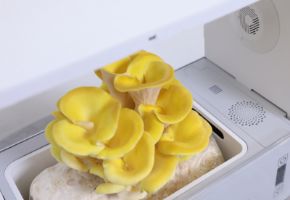
Grow boxDomestic container with controlled environmental parameters for growing mushrooms at home
Gyromitra esculentaFalse morel; potentially lethal due to gyromitrin; brain-shaped cap
GyromitrinToxin of the false morel partially degraded by cooking; hepatotoxic
GaleropsisRare genus of fungi similar to Galerina but with a different ring and habitat
Black chanterelleAlternative name for Craterellus cornucopioides; the black trumpet
Ganoderma applanatumArtist's bracket; perennial parasite of hardwoods used as a surface for drawings
Ganoderma tsugaeAmerican reishi; glossy polypore on Tsuga with properties similar to G. lucidum
Ganodermic acidBioactive triterpenoid from Ganoderma lucidum studied for antitumor properties
GasterocarpTechnical term for the fruiting body of Gasteromycetes with a closed hymenium
Geastrum triplexCollared earthstar; outer layer splits into a star with a central collar
Geastrum saccatumRounded earthstar; smaller and without collar compared to G. triplex
Fungal genomeComplete genetic makeup of a fungus; ranges from about 10 to 180 Mb
GeoglossumGenus of small black earth-tongue Ascomycetes, indicators of ancient grasslands
GeomycologyStudy of interactions between fungi and minerals/rocks in the geological environment
GeotrichumGenus of ubiquitous yeast-like fungi; used in the ripening of goat cheeses
GibberellaTeleomorph of Fusarium; causes wheat fusariosis and produces deoxynivalenol
GliotoxinImmunosuppressive mycotoxin produced by Aspergillus fumigatus in the lungs
GloeopleresHyphae with oily resinous content in polypores; visible as refractive channels
GlomalinGlycoprotein produced by AM fungi that improves soil aggregation
GlomusGenus of arbuscular fungi among the most widespread; now reclassified into Rhizophagus
GlucuronoxylanHemicellulose polysaccharide degraded by fungal xylanase enzymes
Xanthan gumPolysaccharide used industrially, also produced by fungal fermentation
GongronellaGenus of soil Zygomycetes used for chitosan production
Granulose (cap)Surface with small granules; typical of Suillus granulatus and Cystoderma
GregariousGrowth form in large, close groups but not cespitose
GrisolaVernacular name for Russula cyanoxantha in some Italian regions
Grow kitComplete kit for home mushroom cultivation; pre-inoculated substrate and instructions
Guaiac testReaction with guaiac tincture to detect the presence of oxidases in tissues
GuttulateContaining guttules (oil droplets); character of spores observed under the microscope
↑ back to indexH
39 entries
39 entries
HelvellaGenus of Ascomycetes with a saddle-shaped cap and ribbed stem; some edible
Helvella crispaWhite saddle; edible after cooking, with white fluted stem
Helvella lacunosaBlack elfin saddle; edible after cooking, with lobed grey-black cap
HEPA (filter)High-efficiency filter for sterile environments in fungiculture and laboratory
Hericium coralloidesCoral tooth fungus; protected species with cascades of branched white spines
Hericium erinaceusLion's mane; prized edible with pendulous spines, neuroprotective
HericenonesBioactive compounds from Hericium erinaceus that stimulate neurotrophic NGF factor
HistoplasmosisLung infection by Histoplasma capsulatum; dimorphic soil and guano fungus
HolomorphThe entire life cycle of the fungus comprising both the anamorph and teleomorph stages
HomobasidiomycetesSubclass of Basidiomycetes with non-septate basidia; the majority of gilled fungi
HumusDecomposed organic matter in soil; saprophytic fungi contribute to its formation
HydnaceaeFamily of fungi with a spine-bearing hymenophore; includes Hydnum and tooth fungi
Hydnum repandumWood hedgehog; edible with spines under the cap, delicate flavor
Hydnum rufescensTerracotta hedgehog; similar to the previous but smaller and orange
HygrocybeGenus of small waxy fungi with bright colors; bioindicators of undisturbed grasslands
HygrophoraceaeFamily with waxy gills; indicators of unfertilized meadows
Hygrophorus marzuolusMarch mushroom; prized spring edible of mountain conifers, mycorrhizal
Hygrophorus russulaRussula-like hygrophorus; edible with pinkish spotted cap under oaks
HymenogasterHypogeous genus similar to truffles, closely related to Boletes
Hypholoma fasciculareSulfur tuft; toxic bitter yellow-green fungus in tufts on stumps
Hypholoma lateritiumBrick cap; bitter fungus with brick-red cap on hardwood stumps
Hypomyces lactifluorumParasite that transforms Russula and Lactarius into the orange "lobster mushroom"
HypoxylonGenus of black, crusty stromatic Ascomycetes on dead hardwood
HuitlacocheGalls of Ustilago maydis on corn; delicacy of Mexican cuisine
Fungal habitatSpecific environment where a fungal species grows and fruits
Hapalopilus nidulansViolet polypore; small toxic polypore that stains fingers purple
HapteraAttachment structures of lichens to the substrate; similar to rhizoids
HelicosporeSpiral or helical spore; characteristic of aquatic genera like Helicoon
HelicobasidiumGenus of Basidiomycetes causing violet root rot on vegetable roots
HelotialesOrder of discomycete Ascomycetes with apothecia on plant substrates
Hemileia vastatrixCoffee rust; devastating parasite of tropical plantations
HericinophilesEnthusiasts of Hericium erinaceus as a nootropic and dietary supplement
Herpes zoster (non-fungus)Viral infection often confused with cutaneous mycosis in differential diagnosis
Heterobasidion annosumHeart rot fungus; devastating parasite of forest conifers
HeterokaryosisPresence of genetically different nuclei in a single mycelium
HohenbueheliaGenus of shelf fungi that are nematophagous; capture nematodes with adhesive secretions
HolotypeSingle specimen designated as the reference for the description of a new species
HuautlaMexican region of the Sierra Mazateca where R.G. Wasson documented the ritual use of mushrooms
HumariaGenus of small orange cup Ascomycetes of soil and litter
↑ back to indexI
38 entries
38 entries
HydnologyStudy of fungi with a spine-bearing hymenophore (Hydnum, Sarcodon, Hericium)
HyphaBranching tubular filament; structural unit of the fungal mycelium
Generative hyphaThin-walled hypha with septa and clamps; produces other hyphal types
Skeletal hyphaThick-walled, non-septate hypha for structural support in polypores
Binding hyphaBranched hypha that connects skeletal hyphae; contributes to body consistency
HymeniumFertile layer bearing basidia or asci; located on gills, pores, or spines
HymenophoreSurface that supports the hymenium: gills, tubes/pores, spines, or folds
Spore printDeposit of spores on paper; color is fundamental for identification
InamyloidSpores that do not react with Melzer's reagent; neither amyloid nor dextrinoid
IncubationPeriod when the inoculated substrate is kept in the dark and warm for colonization
Inoculum (spawn)Material with live mycelium to seed the substrate; on grains, sawdust, or liquid
InocybeMycorrhizal genus with fibrous cap; many species poisonous due to muscarine
Inocybe erubescensDeadly fibrecap; highly toxic due to muscarine, confusable with edibles
Inonotus obliquusChaga; black mass on birches for antioxidant and adaptogenic supplements
Inonotus hispidusShaggy bracket; parasite of hardwoods with orange velvety fruiting body
HypogeousFungus with subterranean fruiting body; truffles are the quintessential hypogeous fungi
Mycological inspectorProfessional figure of the local health authority who certifies the edibility of collected mushrooms
ITS (region)Internal Transcribed Spacer; ribosomal DNA sequence used to identify fungi
IbotamideAnalog of ibotenic acid with neuroactive properties studied in pharmacology
IdnellumGenus of fungi with a spine-bearing hymenophore and hard flesh; releases red pigments
HydrophobinProtein on the surface of fungal spores that makes them hydrophobic for airborne dispersal
HygrophanousCap that changes color due to water absorption and loss; typical of Mycena and Psathyrella
Folded hymeniumFertile surface with irregular folds (not true gills); typical of chanterelles
ImmunomodulationRegulation of the immune system by fungal compounds (beta-glucans)
Imperfect (stage)Synonym for anamorph; the asexual phase of a fungus producing conidia
CappingDeformation of the cap due to excessively high CO₂ levels in the fruiting chamber
Index FungorumOfficial worldwide database of scientific names of fungi, managed by the Royal Botanic Gardens
Fungal infectionColonization of living tissues by a pathogenic fungus; synonym for mycosis
InoculationIntroduction of mycelium or spores into the substrate to start colonization
Liquid inoculumMycelium in sterile nutrient suspension for rapid substrate seeding
Sawdust inoculumSterilized sawdust colonized by mycelium, used to inoculate logs and substrates
Integrated (system)Cultivation approach combining fungi with other crops or agricultural waste
Clover-fungus interactionMycorrhizal symbiosis between legumes (clover) and AM fungi that increases N fixation
InterfertilityAbility of two fungal isolates to cross and produce fertile offspring
Invasive (fungus)Fungal species that colonizes new environments, damaging native ecosystems
InvertaseFungal enzyme that breaks down sucrose into glucose and fructose
IsidiaCortical protuberances of lichens for vegetative reproduction
IsolationSeparation of a single fungus from a mixed sample to obtain a pure culture
↑ back to indexJ
4 entries
4 entries
Jelly fungiGelatinous fungi; Tremella, Auricularia, Dacrymyces with a rubbery consistency
Junghuhn, Friedrich19th-century German naturalist who cataloged tropical fungi of Southeast Asia
Jatoba (mycorrhizae)Tropical Hymenaea trees with rich communities of arbuscular mycorrhizal fungi
Jumping genesMobile transposons in the fungal genome contributing to genetic variability
↑ back to indexK
9 entries
9 entries
Kefir (grains)Symbiotic community of yeasts and lactic acid bacteria for fermenting milk
KeratinophilicFungus that degrades keratin; dermatophytes colonize skin, nails, and hair
KOH (test)Reaction with potassium hydroxide on the cuticle for diagnostic color changes
KojiAspergillus oryzae cultivated on rice/soy for sake, miso, and soy sauce
Kuehneromyces mutabilisSheathed woodtuft; good edible wood fungus, similar to the deadly Galerina
Kombucha (yeasts in)Fermented beverage from yeasts and bacteria; Saccharomyces and other yeasts produce alcohol
KaryogamyFusion of nuclei in the fungal sexual cycle
King oysterEnglish name of Pleurotus eryngii; widely cultivated gourmet mushroom
Kingdom FungiThe kingdom of Fungi; one of the five kingdoms of life, distinct from plants and animals
↑ back to indexL
65 entries
65 entries
Laccaria amethystinaAmethyst deceiver; small violet edible fungus of humid woods
Laccaria laccataDeceiver; pinkish edible very common, ubiquitous mycorrhizal
LaccaseOxidative fungal enzyme that degrades lignin; used in bioremediation and industry
Lactarius deliciosusSaffron milk cap; prized edible with orange latex, mycorrhizal with pines
Lactarius deterrimusFalse saffron milk cap; edible with orange latex turning green
Lactarius piperatusPeppery milkcap; white fungus with intensely peppery latex, consumed locally
Lactarius salmonicolorSalmon milkcap; edible with orange latex under firs
Lactarius torminosusWoolly milkcap; toxic raw with hairy cap and acrid white latex
Lactarius volemusFishy milkcap; excellent edible with abundant sweet white latex
LamellaRadial blade-like structure under the cap covered by the fertile hymenium
Laricifomes officinalisQuinine conk; large medicinal polypore of conifers used for millennia
LatexLiquid exuded upon breaking in Lactarius; color and bruising are diagnostic
Mycelial latticeThree-dimensional network of hyphae forming the mycelium, the true fungal organism
Spore latticeReticulate ornamentation on the spore surface, visible under the microscope
LeccinumMycorrhizal genus similar to porcini with scabers on the stem; birch boletes
Leccinum aurantiacumRed-capped scaber stalk; edible with orange cap that blackens when cooked
Leccinum scabrumBrown birch bolete; modest edible with brownish cap and scaly stem
LentinanBeta-glucan from shiitake; immunostimulant approved in Japan for oncology
Lentinula edodesShiitake; second most cultivated mushroom in the world, rich in lentinan and umami
Lentinus tigrinusTiger sawgill; small wood fungus with scaly cap and eccentric stem
LepiotaGenus with ring; includes small deadly species with amatoxins and large edibles
Lepiota brunneoincarnataSmall deadly Lepiota with amatoxins; grows in gardens and parks
Lepiota cristataStinking dapperling; small, inedible, with unpleasant odor and reddish scales
Lepista nudaWood blewit; edible after cooking, entirely violet, with fruity odor
Lepista saevaField blewit; robust edible with violet stem and pale gills
Leucoagaricus leucothitesWhite dapperling; edible with caution, confusable with Amanita
LichenStable symbiosis between a fungus and an alga/cyanobacterium; autonomous composite organism
LigninComplex polymer of wood; only white rot fungi degrade it
LigninaseEnzymes (lignin-peroxidase, Mn-peroxidase) for lignin degradation
YeastUnicellular fungus that multiplies by budding; fundamental in fermentations
Lion's ManeEnglish name of Hericium erinaceus; very popular as a nootropic supplement
LithophilousFungus growing on rocky or mineral substrate; some lichens are lithophilous
Log cultivationCultivation on freshly cut inoculated logs; traditional method for shiitake and maitake
Fungal luciferinChemical substrate of fungal bioluminescence, oxidized by luciferase
LycoperdalesOrder of puffballs; globose Gasteromycetes that release spores as powder
Lycoperdon perlatumCommon puffball; edible when young with white and firm gleba
Lycoperdon pyriformePear-shaped puffball; grows on dead wood, edible when young
LacqueredShiny cap appearance as if varnished; typical of Ganoderma lucidum (reishi)
LactifluusGenus separated from Lactarius by molecular analyses; includes species with dense white latex
Lactifluus volemusFishy milkcap; now reclassified as Lactifluus, excellent edible
Lagotto RomagnoloItalian dog breed specialized in truffle hunting
LamellulaSmall gill that does not reach the stem; present between complete gills
LamprocystidiaCystidia with thick walls and crystalline encrustations; diagnostic under the microscope
LangermanniaSynonym of Calvatia; giant puffballs of meadows and forest edges
LattariniPopular name for mushrooms of the genus Lactarius in various Italian regions
Lactobacilli (in culture)Bacteria that can contaminate or compete with mycelium during culture
Wood chipsWood reduced to chips used as substrate or mulch for wood-loving fungi
LentinellusGenus of wood fungi with serrated gills and acrid peppery taste
LentinusGenus of wood fungi with gills with toothed margin; includes L. tigrinus
Lenzites betulinaGilled polypore of birch; similar to Trametes but with a lamellate hymenophore
LeotialesOrder of Ascomycetes including genera with fleshy apothecia and endophytic fungi
LepidellaSubgenus of Amanita with pointed warts; includes toxic species
Lepiota cristataSmall garden Lepiota with reddish scales and unpleasant odor; inedible
Lepista sordidaSordid blewit; similar to L. nuda but smaller and less colorful
LeucocarpinesAnti-inflammatory compounds isolated from fungi of the genus Leucocoprinus
Leucocoprinus birnbaumiiYellow pot plant mushroom; grows in flowerpot soil, inedible
LeucopaxillusGenus of large white saprophytic fungi with decurrent gills and white sporulation
LycoperdinPuffball spore powder used traditionally as a hemostatic on wounds
LimacellaGenus similar to Amanita but with a very slimy cap; some species edible
Linkage groupGroup of genes on a fungal chromosome that are inherited together
LyophilizationFreeze-drying by sublimation under vacuum; method for preserving fungal strains
Red listList of fungal species threatened with extinction; many species are on the red list
LithotrophOrganism that obtains energy from inorganic compounds; rare in fungi
LucifugousShunning light; mycelium grows preferentially in darkness
Lyophyllum decastesFried chicken mushroom; edible that grows in large clusters in disturbed soils
↑ back to indexM
97 entries
97 entries
Macrolepiota excoriataField parasol; edible, smaller and smoother than procera
Macrolepiota proceraParasol mushroom; large edible of meadows with scaly cap and ring
Macrolepiota rhacodesShaggy parasol; edible with flesh that reddens when cut
MaitakeGrifola frondosa; Japanese dancing mushroom, immunostimulant and gastronomic
Manganese-peroxidaseKey ligninolytic enzyme for lignin degradation
Marasmius oreadesFairy ring champignon; small edible of meadows that revives after drying
Marasmius rotulaPinwheel mushroom; tiny white fungus with black stem on leaves and twigs
White rotWood degradation with digestion of cellulose and lignin; wood becomes light and fibrous
Soft rotFruit degradation by pectinolytic fungi (Rhizopus, Mucor)
March mushroomHygrophorus marzuolus; prized spring edible of conifers
MatsutakeTricholoma matsutake; rare and expensive spicy-scented mushroom, Japanese symbol
MelaninDark pigment of the wall of many fungi; confers UV protection and resistance
MelanosporesFungus with dark (brown/black) spores in the spore print
Melzer's reagentIodine solution for testing spore amyloidy and dextrinoidy under the microscope
Metarhizium anisopliaeEntomopathogen used as a biological insecticide against termites and other insects
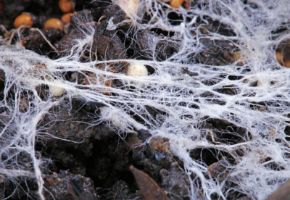
MyceliumNetwork of hyphae constituting the vegetative body of the fungus; the true organism
Primary myceliumHaploid mycelium from spore germination; single nucleus type
Secondary myceliumDikaryotic mycelium from fusion of two compatible primary mycelia; can fruit
Tertiary myceliumMycelium organized into plectenchymatous tissue that forms the fruiting body
Mycelium on agarCulture in Petri dish for isolation and preservation of fungal strains
Running myceliumMycelium growing rapidly without differentiating; colonization phase
MycenaVery large genus of small fragile fungi; some species bioluminescent
MycetismPoisoning from ingestion of toxic fungi; classified into syndromes
MycobiontFungal component of a lichen or a mycorrhizal symbiosis
MycobiotaCommunity of fungi in an environment or organism (e.g., gut mycobiota)
MycophagyFungus-based diet; practiced by insects, slugs, rodents, and humans
MycofiltrationUse of mycelium as a biological filter to purify contaminated water
MycophobiaCultural aversion towards mushrooms; typical of some Anglo-Saxon traditions
MycophiliaCultural tradition of appreciation for mushrooms; typical of Italy, France, Eastern Europe
MycologyScience that studies fungi: taxonomy, ecology, physiology, and applications
MycologistScientist of fungi; in Italy, ASL mycological inspectors certify wild mushrooms
MycomaterialsInnovative mycelium-based materials used for packaging, construction, and fashion
MycoproteinsProteins derived from fungal biomass; Quorn is produced from Fusarium venenatum
MycorrhizaMutualistic fungus-root symbiosis: minerals from fungus, sugars from plant
Arbuscular mycorrhizaMost widespread type (80% of plants) with intracellular arbuscules; Glomeromycetes
Orchid mycorrhizaObligate symbiosis orchids-fungi for seed germination without endosperm
MycosisFungal infection; superficial, cutaneous, subcutaneous, or systemic
Mycosis fungoidesCutaneous lymphoma not related to fungi but mimicking their clinical appearance
MycotherapyTherapeutic use of medicinal mushrooms in extracts or supplements
MycotoxinToxic metabolite of molds on food; aflatoxins, ochratoxin, fumonisins
MicrosporeSmall spore; in dermatophytes, microconidia contrasted with macroconidia
Monilia (Monilinia)Phytopathogenic genus causing brown rot of fruits (peaches, cherries)
MonokaryonCell or mycelium with a single nucleus; haploid stage of the life cycle
MonoterpenicVolatile compound responsible for the aroma of many edible mushrooms
Morchella conicaBlack morel; prized spring edible with pointed cap
Morchella esculentaYellow morel; prized spring edible honeycombed Ascomycete
Morchella elataBlack morel; prized edible with dark pits and lighter ribs
SlimeGelatinous substance on the cap cuticle of many fungi; protective and hydrating function
MucorGenus of Zygomycetes with spherical sporangia; common mold on food and soil
MoldColloquial term for microscopic filamentous fungi on food and surfaces
Noble rotBotrytis cinerea on ripe grapes that concentrates sugars and aromas for fine wines
MuscarineParasympathomimetic toxin in Inocybe and Clitocybe; treated with atropine
MuscimolPsychoactive compound of Amanita muscaria; GABA-A agonist, causes hallucinations
Mutinus caninusDog stinkhorn; small orange phalloid with foul-smelling gleba that attracts flies
MutualismType of symbiosis where both organisms benefit; the mycorrhiza
Leaf spotsNecrotic lesions on leaves caused by phytopathogenic fungi (Septoria, Cercospora)
MacrocidiaGenus with small clavate Ascomycetes on decaying leaves and stems
MacroscopicVisible to the naked eye; macroscopic description concerns shape, color, and consistency
MaltaseEnzyme that breaks down maltose into glucose; produced by many fungi
Mangroves (fungi of)Specialized marine fungi that decompose submerged wood of mangroves
Manna (lichens)Lecanora esculenta; edible desert lichen, possibly the biblical manna
Mantle (ectomycorrhiza)Hyphal sheath wrapping fine roots in ectomycorrhizae; visible under the microscope
Collar rotFungal infection at the base of plant stems; Phytophthora, Sclerotinia
Root rotFungal infection of roots; Armillaria, Rhizoctonia, Fusarium cause the most severe
MarzaioloAlternative name for marzuolo (Hygrophorus marzuolus); spring fungus
Master cultureMother culture kept as a genetic reference for a fungal strain
Organic matterResidues of decomposed organisms; fungi are the primary decomposers
MazaediaPowdery mass of spores and asci in certain lichens; released passively
MEA slantSlanted tube with malt agar for long-term storage of strains
Culture mediumArtificial nutrient substrate for fungi
MeiosisCell division that halves the number of chromosomes; occurs in the basidium or ascus
MelanobasidiumBasidium with dark pigment; rare character in some tropical Basidiomycetes
Merulius tremellosusGelatinous resupinate fungus with a poroid surface on dead hardwood
Primary metabolismEssential metabolic processes for growth; respiration, protein synthesis
Secondary metabolismProduction of non-essential but useful metabolites: antibiotics, toxins, pigments
MetabarcodingMolecular technique to identify all fungal species in an environmental sample
MetagenomeEntire DNA set of all organisms present in an environment, including fungi
Mica-likeCovered with bright, mica-like granules; typical of Coprinellus micaceus
MycangiumAnatomical structure of bark beetles for transporting symbiotic fungal spores
Soil microbiotaSoil microbial community including fungi, bacteria, protozoa, and archaea
MicroclimateLocal environmental conditions (T°, humidity, ventilation) crucial for fruiting
MicrofungiMicroscopic fungi: molds, yeasts, and imperfect fungi; contrasted with macrofungi
MicromycetesSynonym for microfungi; fungal organisms observable only under the microscope
Optical microscopeEssential tool for fungal identification: spores, cystidia, hyphae, connections
MicrostromaGenus of yeast-like phylloplane fungi living on the leaf surface
Pith (of the stem)Central part of the stem; can be solid, stuffed, fistulose, or hollow
Honey (contamination)Honey can contain Clostridium spores but also traces of fungal spores
Fungal mineralogyStudy of crystals and mineral deposits formed or modified by fungi
Integrated miticultureCombination of fungiculture with mussel farming; substrate from shells
MoniliasisInfection by Candida or Monilia; alternative term for oral candidiasis
MonoseptateSpore or conidium with a single transverse septum dividing it into two cells
MorelEnglish name for Morchella; among the most prized wild mushrooms
MotilityAbility for autonomous movement; present only in zoospores of Chytridiomycetes
MougeotiaGenus of green algae that can associate with fungi in lichens
SlimeGelatinous substance on the surface of many fungi; hydrates and protects tissues
MucoraleRelating to the order Mucorales; Zygomycetes with spherical sporangia (Mucor, Rhizopus)
Obligate mutualismSymbiosis where neither partner can live without the other; orchid mycorrhizae
↑ back to indexN
22 entries
22 entries
NamekoPholiota nameko; Japanese mushroom with slimy orange cap for miso soup
Spore cloudCloud of billions of spores released by mature fungi like puffballs
NecrotrophPathogenic fungus that kills host cells before feeding on them
NematophagousFungus predatory on nematodes with adhesive hyphal traps (Arthrobotrys)
Neurospora crassaOrange model mold in genetics; contributed to the one gene-one enzyme theory
NGF (Nerve Growth Factor)Stimulated by hericenones and erinacines from Hericium erinaceus
NystatinPolyene antifungal from Streptomyces noursei used against candidiasis
Harmful (fungus)Fungus that causes mild and transient gastrointestinal disorders if ingested
Nostoc-fungusAssociation between Nostoc cyanobacteria and lichen fungi in humid environments
Nuclei (in fungi)Mono-, bi-, or multinucleate fungal cells with reproductive implications
Naematelia aurantiaOrange gelatinous fungus parasitic on Stereum; similar to Tremella
Electronic noseDevice that detects volatile compounds of truffles for artificial localization
NecrotrophyStrategy where the fungus kills tissues before colonizing them; rots
NematicideFungus or substance that kills nematodes; Arthrobotrys and Drechmeria
NidulariaceaeBird's nest fungi family; small cup-shaped Gasteromycetes with peridioles
NidularialesOrder of bird's nest fungi that disperse spores with raindrops
NitrificationContribution of fungi to the nitrogen cycle through mineralization of organic matter
NolaneaSubgenus of Entoloma with conical-campanulate cap; pink angular spores
Binomial nomenclatureNaming system with genus and species; Agaricus bisporus for example
NostocCyanobacterium that acts as a photobiont in some lichens, fixing atmospheric nitrogen
Nuclear (divisions)Synchronous mitoses in coenocytic hyphae; nuclear division without cytokinesis
NutationOscillatory movement of the hyphal tip during growth; orientation towards the substrate
↑ back to indexO
27 entries
27 entries
Powdery mildewWhite disease; foliar disease by erysiphaceous Ascomycetes with powdery white felt
Omphalotus oleariusJack-o'-lantern mushroom; toxic orange bioluminescent fungus confusable with chanterelle
OnychomycosisFungal infection of nails by dermatophytes or Candida; very common in humans
OosporeSexual spore of Oomycetes produced by fertilization of the oogonium
OomycetesFungus-like organisms in the kingdom Stramenopila; Phytophthora, downy mildew
OrellanineNephrotoxic toxin of Cortinarius; renal failure with late symptoms
Orchids (mycorrhiza)Obligate symbiosis with Rhizoctonia/Tulasnella for germination of orchid seeds
OrnithophilyFungal dispersal via birds that consume and transport spores
OxidaseFungal enzymes for oxidation reactions; laccases and peroxidases of lignin
OstioleApical opening of the perithecium through which ascospores are expelled
Oudemansiella mucidaPorcelain fungus; bright white and slimy on trunks of living beech
Egg stageJuvenile stage of Amanita wrapped in the universal veil, resembling an egg
Ochratoxin ANephrotoxic mycotoxin produced by Aspergillus and Penicillium on cereals and coffee
Odor (character)Mushroom odor is diagnostic: flour, anise, honey, peach, turnip, semen, bleach
Oidium (conidium)Asexual spore derived from hyphal fragmentation; different from powdery mildew disease
OleoresinOily and resinous secretion present in cystidia and hyphae of certain fungi
OligomyceteFungus that grows in very nutrient-poor substrates; oligotrophic style
OlivaceousGreen-olive color; frequent shade in caps of Amanita phalloides
OmbrofilousFungus that prefers humid and rainy environments for fruiting
OmphalinaGeneric term for fungi with an umbilicate cap (depressed at the center)
OntogenesisDevelopment of the fruiting body from the initial primordium to maturity
Operculate (ascus)Ascus with an apical lid (operculum) for ascospore release
OpisthokontsSuperkingdom that includes fungi and animals; they share a common flagellated ancestor
Mycological orchidophiliaStudy and conservation of orchids in relation to essential mycorrhizal fungi
Model organismSpecies used for research; Saccharomyces cerevisiae and Neurospora crassa in genetics
OsmotrophyNutrition by absorption of dissolved molecules; exclusive mode of fungi
OtideaGenus of Ascomycetes with ear-shaped apothecia; O. onotica is the donkey's ear
↑ back to indexP
104 entries
104 entries
PanaeolusGenus of small coprophilous fungi with black sporulation; some species psychoactive
Panaeolus cyanescensTropical coprophilous psychoactive fungus with high psilocybin content
Panellus stipticusSmall bioluminescent wood fungus with strongly astringent taste
ParasiteFungus that feeds on living organisms, harming them; nutritional strategy
Biotrophic parasiteParasite that requires a living host for nutrition; rusts and powdery mildews
Necrotrophic parasiteParasite that kills cells first then absorbs nutrients
ParenthesomeMembrane structure around the dolipore regulating passage between cells
Cell wallRigid structure external to the membrane; composed of chitin, glucans, and proteins
PasteurizationHeat treatment (60-80°C) that eliminates pathogens while preserving beneficials
Paxillus involutusPoison pax; toxic fungus with inrolled margin; causes potentially fatal hemolytic anemia
PectinaseEnzymes that degrade plant pectin; produced by phytopathogens
PenicillinFirst antibiotic discovered; from Penicillium notatum, Fleming 1928
PenicilliumBrush molds; antibiotics, cheese ripening (roqueforti, camemberti)
Penicillium camembertiWhite mold for surface ripening of Camembert and Brie
Penicillium roquefortiBlue-green mold for producing Roquefort, Gorgonzola, and blue cheeses
PeridiumOuter covering of Gasteromycetes enclosing the fertile gleba
PeritheciumFlask-shaped ascocarp with apical opening (ostiole) to expel ascospores
Downy mildewDisease caused by Oomycetes (not true fungi); devastating on grape, potato, tomato
PezizaGenus of cup Ascomycetes on disturbed soils and burnt wood
Substrate pHAcidity of the substrate crucial in cultivation; each species has an optimal range
PhallaceaeFamily of phalloid Gasteromycetes; phallic fruiting bodies with fetid gleba
Phallus impudicusStinkhorn; phallic fungus with cadaveric odor; edible only as an egg
PholiotaWood genus with scaly, slimy cap; includes the cultivated nameko
Phytophthora infestansDevastating potato Oomycete; caused the Great Irish Famine (1845)
Athlete's footTinea pedis; cutaneous mycosis of the foot caused by dermatophytes, favored by humidity
PileusScientific term for mushroom cap; from Latin pileus (cap)
PinningFormation of primordia; tiny sketches of future fruiting bodies on the substrate
Poplar mushroomAgrocybe aegerita; cultivated since ancient times, exquisite taste, fleshy texture
Pisolithus arhizusBalloon-like hypogeous fungus; mycorrhizal used for reforestation of degraded soils
PlasmogamyFusion of the cytoplasms of two cells during sexual reproduction
PlectenchymatousFungal tissue formed by interwoven and compacted hyphae; constitutes the fruiting body
Pleurotus citrinopileatusGolden oyster mushroom; cultivated edible with lemon-yellow cap
Pleurotus djamorPink oyster mushroom; cultivated tropical edible with bright pink cap
Pleurotus eryngiiKing oyster mushroom; excellent from Mediterranean steppes on Eryngium campestre
Pleurotus ostreatusOyster mushroom; shelf edible on hardwoods; the most cultivated after button mushroom
Pleurotus pulmonariusPhenix oyster; edible similar to ostreatus, paler and summer
Pleurotus sajor-cajuGrey oyster mushroom from Southeast Asia, cultivated for its delicate flavor
PolyporeFungus with poroid/tubular hymenophore, often wood-inhabiting and perennial
Polysaccharide-KBeta-glucan from Trametes versicolor; immunostimulant used in oncology in Japan
Polystigma rubrumAscomycete parasite of almond trees causing red spots on leaves
PorciniGroup of Boletus edulis; the most sought-after and prized edible mushrooms in Europe
Substrate porosityAir spaces in the substrate essential for gas exchange and mycelial growth
PortobelloMature Agaricus bisporus with open cap; meaty texture and intense flavor
PrimordiumEmbryonic stage of the fruiting body; undifferentiated mass that will become a mushroom
ProtoperitheciumJuvenile stage of the perithecium before ascus formation
St. George's mushroomCalocybe gambosa; spring meadow fungus with floury odor, highly prized
PSK (Polysaccharide-K)Immunostimulant extract from Trametes versicolor used in integrative oncology
PsilocybinPsychoactive alkaloid of Psilocybe; studied for depression, PTSD, and addictions
PsilocinActive metabolite of psilocybin; serotonergic agonist responsible for the effects
PsilocybeGenus of psychoactive fungi (>200 species) containing psilocybin and psilocin
Psilocybe cubensisBest-known and most cultivated tropical psychoactive species; golden cap on dung
Psilocybe semilanceataPsychoactive European meadow mushroom; conical cap with papilla
PucciniaGenus of rusts parasitic on grasses with complex cycles on multiple hosts
PuffballEnglish term for puffball; globose fungus that releases spores as powder
Straw (substrate)Pasteurized wheat or rice straw used as substrate for Pleurotus and Stropharia
Panaeolus foeniseciiLawn mower's mushroom; very common in gardens, weakly psychoactive in some populations
Panellus serotinusLate fall oyster; edible with greenish cap on hardwood
Parasitica (Piptoporus)Genus of birch parasites; Fomitopsis betulina is the best known
Experimental plotDelimited area for cultivation trials, inoculation, or ecological study
Spore wallProtective covering of the spore; composed of chitin, melanin, and glucans
Partial (veil)See partial veil; membrane from cap to stem covering young gills
PatulinNeurotoxic mycotoxin from Penicillium expansum on apples and contaminated juices
PDA (Potato Dextrose Agar)Standard medium for fungal culture: potato extract + dextrose + agar
DeerskinAppearance of the cuticle of certain boletes (Xerocomus) with cracked, velvety surface
Stylar penetrationEntry of the germ tube into plant tissue through the plant's stomata
PerenniporiaGenus of very hard perennial polypores with minute pores on hardwood
Peridial (cell)Cell of the protective layer of cleistothecia and perithecia in Ascomycetes
Perithecial (stroma)Stromatic mass containing immersed perithecia; typical of Nectria and Xylaria
Permaculture (fungi in)Integration of fungi into permaculture systems; mycelium for soil and decomposition
Persoon, Christiaan HendrikDutch mycologist, founder of modern fungal systematics (Synopsis Methodica, 1801)
PestalotiopsisEndophytic and phytopathogenic genus; some species degrade polyurethane plastic
Biological pesticideEntomopathogenic or antagonistic fungus used as an alternative to chemical pesticides
Phenol testApplication of phenol or aniline on mushroom flesh for diagnostic color reactions
PhylogenomicsPhylogenetic reconstruction based on entire sequenced fungal genomes
Phyllotopsis nidulansOrange shelf fungus with fetid odor; saprophyte on conifer wood
PycnidiumFlask-shaped conidial structure immersed in host tissues; Phoma, Septoria
Pig's footPopular name for Hydnum repandum; the wood hedgehog of forests
PileocystidiaCystidia present on the cap surface; microscopic character
PilobolusCoprophilous genus that launches the sporangium towards light with osmotic pressure
Pine (mycorrhizae of)Pines host many ectomycorrhizae: Suillus, Rhizopogon, Tricholoma, Lactarius
Tinea versicolorSkin infection by Malassezia causing depigmented patches; cutaneous yeast
PlasmogamyFusion of the cytoplasms of two fungal cells; first phase of sexual reproduction
PlectenchymaTissue formed by tightly interwoven hyphae; constitutes the fruiting body of macromycetes
PleomorphismAbility of a fungus to assume different forms during its life cycle
Pluteus cervinusFawn mushroom; edible with free pink gills and brown cap on dead wood
PolymorphismVariability in shape and color within the same fungal species
PolyporaceaeFamily of Basidiomycetes with a poroid hymenophore; includes many wood-inhabiting fungi
Pumice (substrate)Porous volcanic rock used as an inert additive in substrate for aeration
Postia caesiaBleeding conifer crust; small wood polypore with pores turning blue
Buffering capacityAbility of the substrate to resist pH changes; important in cultivation
Field mushroomCommon name for fungi of the genus Agaricus that grow in meadows and pastures
PrionInfectious protein; prions are not fungi but are sometimes confused in diagnosis
Probiotic yeastSaccharomyces boulardii; yeast used as a probiotic for diarrhea and dysbiosis
PromyceliumGerminative structure of rust teliospores that produces basidiospores
PropaguleAny structure capable of generating a new individual: spore, hyphal fragment, sclerotium
ProsenchymaFungal tissue with parallel, non-interwoven hyphae; in the stem of many fungi
ProtoplastFungal cell stripped of its cell wall; used for fusion and genetic manipulation
PruinaFine waxy powder on the surface of the cap or stem; frosty, matte appearance
PseudoesclerotiumHardened mass of substrate and mycelium that is not a true biological sclerotium
PseudorhizaeCracks in the cap cuticle due to drying; typical of Russula virescens
PseudovalsaGenus of wood Ascomycetes with black stromata and immersed perithecia
Psilocybin mushroomsPolyphyletic group of mushrooms containing psilocybin; >200 species in different genera
PullulanIndustrial polysaccharide produced by Aureobasidium pullulans for films and coatings
PutrescineDiamine present in decomposing mushrooms; contributes to cadaveric odors
↑ back to indexQ
3 entries
3 entries
QuornFood from mycoproteins of Fusarium venenatum; protein alternative to meat
Quercus (mycorrhizae)Oaks host hundreds of ectomycorrhizal species including porcini and truffles
Quarantine (in fungiculture)Isolation of new cultures to verify the absence of contaminants
↑ back to indexR
53 entries
53 entries
RamariaGenus of branched coral fungi; some species edible, others toxic
Ramaria botrytisPink coral; edible coral fungus with reddish tips
Ferrous sulfate reactionChemical test FeSO₄ on flesh for identification of Russula
Guaiac reactionTest with guaiac tincture to detect oxidases in fungal tissues
ReishiGanoderma lucidum; mushroom of immortality, adaptogen and immunomodulator
Hartig netHyphal network between root cells in ectomycorrhizae; site of exchange
Mycelial networkInterconnected system of hyphae in the soil; can extend for hundreds of meters
RhizoctoniaSoil genus causing root rots; includes orchid mycorrhizal fungi
RhizomorphCompact cord of hyphae resembling a root for long-distance transport (Armillaria)
RhizopusBread mold with sporangia; R. oligosporus produces Indonesian tempeh
Mycelial regenerationAbility of the mycelium to repair damage and regrow after mechanical breakage
RhizosphereSoil zone adjacent to roots; rich in fungus-plant interactions
Rubroboletus satanasDevil's bolete; toxic with white cap, red pores, and flesh turning blue
RustPucciniales; obligately parasitic Basidiomycetes with cycles up to 5 spore types
Wheat rustPuccinia graminis; devastating cereal disease with cycles on barberry
RussulaVery large genus of fragile mycorrhizal fungi; granular flesh that crumbles
Russula aureaGolden russula; good edible with golden red-orange cap
Russula cyanoxanthaCharcoal burner; among the best russulas, flexible and greasy gills
Russula emeticaSickener; toxic raw, bright red cap, very peppery taste
Russula integraWhole russula; edible with brown cap and sweet taste
Russula vescaBare-toothed russula; edible prized russula with pink-brown cap and white gills
Russula virescensGreen-cracking russula; excellent edible with cracked green-grey cap
RadicicultureCultivation that exploits mycorrhizae to improve root absorption
Dichotomous branchingDivision of the hypha into two equal branches; growth pattern of certain fungi
C/N ratioCarbon/nitrogen ratio of the substrate; critical for mycelial growth (20:1-40:1)
RarefactionDecrease in fungal diversity due to habitat loss or pollution
Congo red reagentStain used in microscopy to highlight hyphal walls and spores
Melzer's reagentIodine solution for amyloid and dextrinoid reaction of spores
Temperature controlTemperature regulation in the cultivation chamber; heating and cooling
ReishiGanoderma lucidum; mushroom of immortality, pillar of oriental mycotherapy
ResinousOily content in cystidia and hyphae; granular appearance under the microscope
ResupinateFlat growth adhering to the substrate without differentiated cap; crust fungi
Reticulum (of the stem)Raised network on the stem of porcini; formed by venous anastomoses
ReticulateNet-like spore ornamentation; typical of certain Boletus and Tuber species
Retrofit (in fungiculture)Adaptation of existing spaces (cellars, containers) for fungal cultivation
RhabdomycosisRare term for fungal infection of muscle fibers
Rhizina undulataBrown crust fungus on burnt soil; post-fire root parasite
RhizopogonHypogeous mycorrhizal genus of conifers; fruiting bodies similar to truffles
Truffle huntingSearch activity with a trained dog (trifolao); regionally regulated
Folk remedyTraditional use of fungi in empirical medicine: amadou, chaga, reishi, Ötzi
Asexual reproductionMultiplication without meiosis via conidia, fragmentation, or budding
Sexual reproductionCycle with plasmogamy, karyogamy, and meiosis; produces genetic variability
RhizoctoniosisPlant disease caused by Rhizoctonia solani; basal rot of vegetables
Rhizosphere (effect)Influence of roots on the surrounding fungal community in the soil
RNA polymerase IIEnzyme target of amatoxins; its blockade stops gene transcription
Mushroom knifeTraditional tool of the mushroom gatherer for cleaning and cutting fruiting bodies
Pink (sporulation)Pink spore print; character of Entoloma, Pluteus, Volvariella
RostrateSpore with a beak or apical protuberance; diagnostic microscopic character
Spore rugosityIrregular spore ornamentation visible at high magnification
Russula foetensStinking russula; inedible with rancid fish odor and acrid taste
Russula nigricansBlackening russula; large russula that turns completely black when cut
Russula olivaceaOlive russula; large edible russula of beech forests with olive cap
Russula viridicataGreenish russula; edible with green cap, confusable with poisonous ones
↑ back to indexS
97 entries
97 entries
Saccharomyces cerevisiaeBaker's/brewer's yeast; the most important fungus for humanity in fermentations
Saccharomyces bayanusYeast for winemaking and sparkling wine production; ferments at low temperatures
SaprophyteFungus that feeds on dead organic matter; ecological role in recycling
Sarcodon imbricatusShingled hedgehog; edible with spines, bitter taste, good when dried
Gas exchangeCrucial air exchange in fungiculture to remove CO₂ and supply O₂
Scleroderma citrinumCommon earthball; inedible with violet gleba and thick peridium
SclerotiumHardened mass of dormant hyphae; resistance structure (ergot, Sclerotinia)
SclerotiniaPhytopathogenic genus with black sclerotia; causes white rots on vegetables
ScorzoneTuber aestivum; summer black truffle, less prized but more abundant and cultivable
Sawdust (substrate)Hardwood sawdust with bran for shiitake, maitake, lion's mane
SeptumCross wall of the hypha; central pore for cytoplasm passage
Dolipore septumSeptum with a barrel-shaped pore of Basidiomycetes surrounded by the parenthesome
ShiitakeLentinula edodes; second most cultivated mushroom, rich in lentinan and umami
Thermal shockSudden temperature change to induce fruiting in cultivated mushrooms
SGFC (Shotgun Fruiting Chamber)DIY fruiting chamber with multiple holes for passive air exchange
SymbiontOrganism in close association; mycorrhizal fungi are mutualistic symbionts
Coprine syndromeAntabuse effect from Coprinopsis atramentaria with alcohol; nausea and tachycardia
Phalloid syndromeAmatoxin poisoning; 6-24h latency, liver necrosis, high mortality
Gastrointestinal syndromeMost common fungal poisoning; nausea and diarrhea with short latency
Gyromitrin syndromePoisoning by gyromitrin; hemolysis and liver damage from false morel
Muscarinic syndromePoisoning by muscarine; sweating, miosis, bradycardia; treated with atropine
Orellanine syndromePoisoning by orellanine; nephritis and renal failure with late latency
Pantherina syndromePoisoning by A. muscaria/pantherina; agitation, hallucinations, convulsions
Paxillic syndromeImmune-mediated hemolytic anemia from repeated consumption of Paxillus involutus
Psilocybin syndromePsychedelic effects of psilocybin; perceptual, emotional, and cognitive alterations
Soft rotSoft wood rot by Ascomycetes under conditions of high humidity
Mycological surveillanceHealth monitoring of mushrooms sold and collected by local health authorities
Sparassis crispaCauliflower fungus; large curled edible at the base of conifers
SpawnMycelial inoculum on grains, sawdust, or liquid to seed substrates
Spawn masterHigh-quality spawn culture from which production batches are derived
Spawn ratePercentage of inoculum relative to substrate weight; typically 5-10%
Spawn runColonization phase in which the inoculum mycelium pervades the entire substrate
SporeMicroscopic reproductive unit; sexual or asexual, dispersed by wind or animals
SporangiumSac that produces asexual sporangiospores in Zygomycetes (Mucor, Rhizopus)
Spore printDeposit of spores on paper; color (white, pink, ochre, brown, black) is diagnostic
SporophoreSynonym for fruiting body; structure that bears and disperses spores
SporulationProcess of spore formation and release by the fruiting body
Stamets, PaulAmerican mycologist, pioneer of fungiculture, mycoremediation, and dissemination
Tooth fungusFungus with pendant spine-like hymenophore (Hydnum, Sarcodon, Hericium)
SterigmaThin projection on the basidium that supports the basidiospore before release
SterilizationTotal elimination of microorganisms from the substrate; autoclave at 121°C for 90 min
Still Air BoxDIY no-flow chamber for amateur aseptic transfers
StipeScientific synonym for stem of the fruiting body
StromaCompact mass of fungal tissue on which fruiting bodies grow (Xylaria)
Stropharia rugosoannulataWine-red stropharia; edible cultivable in gardens on mulch
SubstrateNutritive material for cultivation: straw, sawdust, compost, logs
Supplemented substrateSubstrate enriched with bran, soybean meal, or gypsum for higher yield
SuillusBolete genus mycorrhizal with conifers, slimy cap; slippery jack, larch bolete
Suillus granulatusGranulated bolete; edible with droplets on the upper part of the tubes
Suillus grevilleiLarch bolete; edible mycorrhizal with larch, with yellow slimy cap
Suillus luteusSlippery jack; edible of pines with brown slimy cap and membranous ring
Cultivation bagsPolypropylene bags with a filter for gas exchange; standard containers in fungiculture
Saccharomyces boulardiiProbiotic yeast used to prevent and treat antibiotic-associated diarrhea
SaccharomycetalesOrder of true yeasts; includes the genera Saccharomyces, Candida, Pichia
Enzymatic assayLaboratory test to measure the activity of fungal enzymes (cellulase, laccase)
SaprobeFungus living on dead organic matter; synonym for saprophyte
SaprotrophismNutritional mode based on the decomposition of dead organic matter
Split gillSchizophyllum commune; cosmopolitan fungus with split gills, ubiquitous on wood
SclerodermatalesOrder of false truffles and earthballs; Gasteromycetes with leathery peridium
Bark beetlesBark beetles that cultivate ambrosia fungi in wood galleries
Orange peelAppearance of the surface of Aleuria aurantia; bright orange disc
SecotioidIntermediate evolutionary stage between agaric and gasteromycete with compressed gills
Liquid seedingSubstrate inoculation with liquid mycelium culture via sterile syringe
Humidity sensorElectronic device to monitor relative humidity in cultivation chambers
DNA sequencingTechnique to determine the order of nucleotides in fungal DNA; key for modern taxonomy
SiderophoreMolecule produced by fungi to capture iron from the soil; essential for growth
Mycological silvicultureForest management that considers and promotes the production of wild mushrooms
Szechwan syndromeToxic reaction from raw or undercooked Auricularia; transient thrombocytopenia
Hyphal systemClassification of fungal tissue into monomitic, dimitic, or trimitic
SmutUstilaginales parasites of cereals
SoakingImmersion of inoculated logs in water to induce shiitake fruiting
Solanum (mycorrhizae of)Solanaceae (potato, tomato) with AM mycorrhizae; Glomus improves phosphorus and resistance
Copper sulfateTraditional fungicide (Bordeaux mixture) used against downy mildew and powdery mildew
SoraliumLichen structure that produces soredia for asexual reproduction
SorediumVegetative reproductive unit of lichens; contains fungal hyphae and algal cells
UnderstoryLower layer of the forest where the majority of macromycetes fruit
Spain (mycology)Strong Iberian mycological tradition with Mediterranean and Atlantic species
SpermogoniumStructure of rusts producing spermatia for fertilization of the host
SporangiophoreErect hypha bearing the sporangium in Zygomycetes like Mucor and Pilobolus
Spore printFundamental identification technique
SporodochiumCushion-like conidiogenous structure on which conidiophores and conidia aggregate
In vitro sporulationSpore production under laboratory conditions for studies and inoculation
StatismosporeSpore not actively launched; falls by gravity (e.g., Gasteromycetes)
StatinsCholesterol-lowering drugs originally derived from fungal metabolites (Aspergillus)
Tooth fungusFungus with pendant spine-like hymenophore; Hydnum, Sarcodon, Hericium, Bankera
Sterility (in culture)Total aseptic condition necessary for handling pure fungal cultures
Mycelial stilettoSharp tip of the hypha used for mechanical penetration of hard substrates
StolonHorizontal hypha connecting sporangiophores in Zygomycetes (Rhizopus)
StratificationVertical organization of the fungal community in soil and litter
Stropharia aeruginosaVerdigris agaric; greenish slimy fungus of humid woods, inedible
SublimationTransition from solid to gaseous state; basis of freeze-drying of strains
SubiculumBasal layer of hyphae on which the fruiting bodies of resupinate fungi grow
Ecological successionTurnover of fungal species on a substrate: primary, secondary, late-stage
SuberinImpermeable polymer of the bark; some fungi degrade it to penetrate
Sulcate sporeSpore with longitudinal grooves; diagnostic ornamentation in certain genera
SupplementationAddition of nutrients (bran, soybean) to the substrate to increase yield
OverwinteringSurvival of mycelium during winter in the form of sclerotia or rhizomorphs
↑ back to indexT
77 entries
77 entries
ThallusUndifferentiated vegetative body of fungi; the entire mycelium is the thallus
TruffleGenus Tuber; hypogeous Ascomycetes with fragrant, prized subterranean fruiting bodies
White truffle (T. magnatum)The most prized and expensive; found mainly in Piedmont, not cultivable
Bianchetto truffle (T. borchii)Minor white truffle; less prized than magnatum but more widespread
Black Périgord truffle (T. melanosporum)Second most prized; cultivable in truffle orchards with oaks and hazelnuts
Summer truffle (T. aestivum)Scorzone; less prized but more common and cultivable
Winter truffle (T. brumale)Black winter truffle, less aromatic than melanosporum, more economical
Truffle orchard (tartufaia)Tree plantation with mycorrhized plants for controlled truffle production
Truffle groundSoil with characteristics favorable to truffles: calcareous, well-drained, exposed
Inoculated dowelWood cylinder colonized by mycelium for inoculating logs
TeleomorphSexual stage of the fungal life cycle; contrasted with the asexual anamorph
TempehFermented soybean food with Rhizopus oligosporus; rich in protein
Fruiting temperatureOptimal temperature range for the formation of fruiting bodies; varies by species
TerfeziaGenus of desert truffles; hypogeous of arid Mediterranean and North African environments
ThermophilicFungus that grows above 40-50°C; present in composting processes
ThermotolerantFungus that survives high temperatures without necessarily being thermophilic
Culture mediumArtificial nutrient substrate solidified with agar for laboratory cultures
Death capCommon name for poisonous Amanita (phalloides = death cap, pantherina = panther cap)
RingwormCutaneous infection by dermatophytes with ring-shaped lesions on skin and scalp
Fungal toxinsToxic secondary metabolites: amatoxins, orellanine, muscarine, psilocybin
Trametes gibbosaLumpy bracket; whitish shelf fungus with elongated pores on hardwoods
Trametes versicolorTurkey tail; multicolored banded polypore, source of oncological PSK
Aseptic transferPassage of mycelium between sterile containers without introducing contaminants
TremellaGelatinous genus parasitic on other fungi; T. fuciformis cultivated in China
Tremella fuciformisSnow/silver fungus; white gelatinous cultivated for gastronomy and cosmetics
TrichodermaGenus of green molds; agricultural biocontrol but feared contaminant in fungiculture
Trichoderma harzianumSpecies used as a biocontrol agent against soil phytopathogens
TricholomaRobust mycorrhizal genus; matsutake, moretta, and the controversial T. equestre
Tricholoma equestreMan on horseback; once considered edible, now considered toxic in high doses
Tricholoma portentosumPortentous tricholoma; edible with grey-violet fibrillose cap
Tricholoma terreumGrey knight; small edible grey of pines, controversial for dose toxicity
TrifolaPiedmontese name for white truffle; from it trifolao (hunter) and trifolatura
Inoculated logWood segment with mycelial dowels/sawdust for wood-loving cultivation
TuberFleshy subterranean fruiting body of truffles; not to be confused with botanical tuber
TubesCylindrical structures under the cap of Boletales with pores at the end
TulasnellaMicroscopic genus for orchid mycorrhizae; indispensable for orchids
TuberGenus of truffles; hypogeous Ascomycetes with globose, fragrant ascocarps
Tobacco (mold of)Aspergillus and Penicillium that contaminate tobacco during curing and storage
ThallophyteOrganism with undifferentiated thallus body; fungi are thallophytes
TanninPlant polyphenolic compound that inhibits the growth of certain fungi
Tapinella atrotomentosaVelvet roll-rim; fungus with black tomentose stem on conifer stumps; inedible
Molecular taxonomyClassification based on DNA sequences; has revolutionized fungal systematics
Polyphasic taxonomyApproach combining morphology, ecology, and molecular data to classify fungi
TeliaStructure of rusts that produces teliospores; final stage of the life cycle
TeliosporeResistance spore of rusts; germinates producing a basidium (promycelium)
Incubation temperatureOptimal range for substrate colonization; varies by species (20-30°C)
Chickpea tempehVariant of traditional tempeh prepared with chickpeas fermented by Rhizopus
TephrocybeGenus of small grey fungi of meadows and litter
TerpeneClass of volatile organic compounds responsible for fungal aromas
Terrestrial (habitat)Fungus growing directly from the ground; contrasted with lignicolous or coprophilous
Pseudoparenchymatous tissueFungal tissue with isodiametric cells similar to plant parenchyma
ThallusLatin term for thallus; the undifferentiated vegetative body of the fungus
ThelephoraGenus of earthy, leathery mycorrhizal fungi with fan or resupinate shape
TomentoseCovered with dense, soft fuzz; surface of the stem of Tapinella
TorulaGenus of black anamorphic fungi used for the production of food yeast
TotipotencyAbility of every fungal cell to regenerate the entire organism
Fungal toxicologyStudy of toxins produced by fungi and their effects on organisms
TracheomycosisVascular disease of plants where the fungus (Fusarium, Verticillium) blocks xylem vessels
Trametes hirsutaHairy bracket; shelf fungus with grey hairy surface on dead wood
Trametes ochraceaOchre bracket; similar to T. versicolor but with warmer tones
TranslocationTransport of nutrients and water through the hyphae and rhizomorphs of the mycelium
Liver transplantLife-saving intervention in amatoxin poisoning when liver damage is irreversible
Hyphal trapStructure of nematophagous fungi to capture worms: rings, adhesive nets, knobs
ITS1 regionPortion of the first internal transcribed spacer; used for fungal barcoding
ITS2 regionPortion of the second internal transcribed spacer; complementary to ITS1 in taxonomy
Turpentine (odor of)Characteristic odor of certain Lactarius and conifer polypores
TricholomaAlternative spelling of Tricholoma; mycorrhizal genus with >200 species
TrichothecenesMycotoxins produced by Fusarium that contaminate cereals; toxic to humans and animals
TrifolaoTruffle hunter in Piedmontese dialect; traditional figure with a dog in tow
TrifolaturaPiedmontese culinary preparation with white truffle sliced into thin shavings
TropismDirectional growth response to external stimuli: light, gravity, nutrients
TrufaDialectal name for truffle in various regions of Italy and Spain
Tubaria furfuraceaSmall brown scurfy fungus on wood chips and mulch
TuberalesOrder of hypogeous Ascomycetes that includes the true truffles of the genus Tuber
Truffle-maniaCultural phenomenon of extreme passion for truffle hunting and consumption
TurbidimetryTechnique for measuring the growth of yeasts in liquid culture via turbidity
Turkey tailEnglish name for Trametes versicolor
↑ back to indexU
13 entries
13 entries
UmamiFifth intense taste in mushrooms due to free glutamic acid; shiitake is rich in it
Relative humidityCrucial parameter in fungiculture; 85-95% during fruiting
MonocultureCultivation of a single fungal species; contrasted with polyculture
UstilaginalesOrder of smuts; parasites that transform host tissues into black spore masses
Ustilago maydisCorn smut; produces edible galls (huitlacoche) in Mexico
UbiquitousFungus present in all or almost all terrestrial environments; Cladosporium, Aspergillus
Ultraviolet (lamp)UV light used to highlight diagnostic fluorescence in certain fungi and lichens
UncinulaOld name for Erysiphe; causes powdery mildew on vines and hardwoods
Unitunicate (ascus)Ascus with a single wall; contrasted with bitunicate with a double wall
UredineAlternative term for rusts (Pucciniales); plant parasites
UredosporeSpore of rusts produced during the uredinial stage; dispersed by wind
Urea (N source)Nitrogen compound added to substrates as a nutrient source for mycelium
Ustilago hordeiCovered smut of barley; parasite that destroys the cereal spike
↑ back to indexV
23 entries
23 entries
Genetic variabilityDiversity of genetic heritage ensured by sexual reproduction in fungi
Universal veilMembrane that envelops the immature fruiting body; remnants = volva + warts
Partial veilMembrane that protects young gills; remnants form the ring on the stem
VermiculiteExpanded mineral for maintaining moisture in cultivation containers
Vesicle (mycorrhiza)Lipid storage structure in arbuscular mycorrhizae inside root cells
PuffballGlobose Gasteromycete (Lycoperdon, Calvatia); edible when young with white gleba
BruisingColor change of flesh or latex when cut; diagnostic character
Vitamin D2Ergocalciferol produced from fungal ergosterol exposed to UV light
VolvaSac-like membranous remnant at the base of the stem; present in Amanita and Volvariella
Volvariella volvaceaPaddy straw mushroom; cultivated in tropical Asia on rice straw
VancomycinNon-fungal antibiotic added to culture media to select fungi against bacteria
VAM (vesicular-arbuscular mycorrhiza)Old term for arbuscular mycorrhiza; now abbreviated AM
Intraspecific variabilityMorphological and genetic differences between individuals of the same fungal species
Vascular streak diebackDisease caused by Ceratobasidium causing wilting in tropical plants (cocoa)
VelvetySoft, pubescent appearance; typical of the stem of Flammulina velutipes
Veining (of the truffle)Internal network of the truffle gleba; pattern and color are diagnostic
VerpaGenus of Ascomycetes with a bell-shaped cap free from the stem; similar to morels
Verpa bohemicaEarly morel; edible with caution, with cap attached to the stem only at the top
VerrucoseWarty spore ornamentation; character of many Russula and Lactarius
VerticilliumPhytopathogenic genus causing verticillium wilt; obstructs xylem vessels
Swim bladderAbsent in fungi; anatomical term sometimes confused with mycorrhizal vesicle
Viticulture (fungi in)Role of fungi in viticulture: pathogens (botrytis, powdery mildew), beneficial (noble rot)
Volvariella bombycinaSilky sheath; large white silky fungus with volva on dead hardwood
↑ back to indexW
8 entries
8 entries
White rotDigestion of cellulose and lignin leaving wood pale and fibrous
Wood earEnglish name for Auricularia auricula-judae; ear-shaped gelatinous fungus
Wood Wide WebUnderground mycorrhizal network connecting trees, transferring nutrients and signals
Wasson, R. GordonEthnobotanist who documented the ritual use of Psilocybe in Mexico (1957)
White nose syndromeBat disease caused by Pseudogymnoascus destructans; devastates colonies
Witch's butterTremella mesenterica; yellow gelatinous fungus on dead wood, parasitic on Peniophora
Witches' broomAbnormal branch proliferation caused by fungi (Taphrina) on trees
Wort agarBeer wort-based medium for cultivating yeasts in the laboratory
↑ back to indexX
10 entries
10 entries
XerocomusGenus of small boletes with dry, velvety cap; modest edibles
XerophilicFungus adapted to low humidity; some molds contaminate dry foods
XylariaGenus of black, club-shaped Ascomycetes on dead wood; X. polymorpha = dead man's fingers
Xylaria polymorphaDead man's fingers; black finger-like fungus on hardwood stumps
XylosePentose sugar from wood hemicellulose, fermentable by some yeasts
XanthoconiumGenus of tropical boletes with yellow pores; rare in temperate regions
XanthoriaGenus of yellow-orange foliose lichens growing on bark and walls
XenobioticSubstance foreign to the organism; fungi degrade many environmental xenobiotics
XerulaGenus with a very long rooting stem; X. radicata grows on buried roots
Xerula radicataRooting shank; fungus with a deeply rooted stem penetrating the soil to the roots
↑ back to indexY
2 entries
2 entries
Yarrowia lipolyticaIndustrial yeast for producing lipids, citric acid, and recombinant proteins
Yeast extractNutrient ingredient for microbiological culture media
↑ back to indexZ
13 entries
13 entries
ZygomycetesDivision with sexual zygospores; Mucor and Rhizopus molds, now reclassified
ZygosporeThick-walled sexual spore from gametangial fusion; resistance to adverse conditions
Zone of inhibitionArea with no growth around an antibiotic-producing fungal colony; plate test
ZonationConcentric color bands on the cap of polypores (Trametes versicolor)
ZoosporeMobile flagellated spore in water; typical of Chytridiomycetes and Oomycetes
ZygomycosisSevere infection by Mucor or Rhizopus in immunocompromised patients; rhinocerebral
ZearalenoneEstrogenic mycotoxin produced by Fusarium on corn; endocrine disruptor
ZeolitePorous mineral used as an additive in cultivation substrates for pH and drainage
ZymogramElectrophoretic profile of fungal enzymes used for strain characterization
Zinc (in the fungus)Essential microelement for fungal enzymes; some species bioaccumulate it
Altitudinal zonationDistribution of fungal species along altitudinal gradients in mountains
ZygomycosisInvasive infection by Mucorales
ZygosaccharomycesGenus of osmophilic yeasts that contaminate high-sugar foods
↑ back to index