


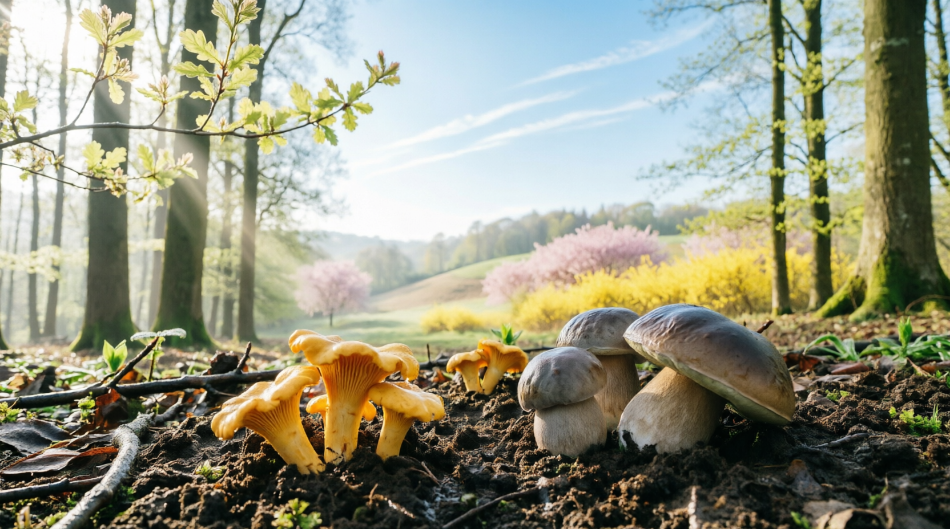
Spring is no longer what it used to be. Climate change is rewriting the seasonal calendar, and early spring is profoundly transforming natural cycles, particularly in the realm of fungi. For enthusiasts, growers, researchers, and hobbyists, this phenomenon represents both an unprecedented challenge and an opportunity. In this article, we will explore every aspect of spring related to mushrooms: from the astronomical and cultural meaning of the spring season, to the most effective foraging techniques, to the innovative products from NatureNext.eu that can make a difference in your mycological experience.
Spring 2026 is shaping up to be one of the most atypical in recent decades. With temperatures rising as early as February and when spring begins increasingly anticipating the equinox from a phenological perspective, mushrooms respond with early appearances, accelerated cycles, and new geographical distributions. Understanding when spring ends and how it unfolds across the months of spring (March, April, May, June for astronomical and meteorological spring) has become crucial for those who live close to nature.
🍄 In this article...
What season is spring? Definition, etymology, and symbolic meaning
Spring is one of the four temperate seasons, occurring between winter and summer. From an astronomical perspective, when spring begins coincides with the vernal equinox, the moment when the Sun crosses the celestial equator and day and night are of equal length. In the Northern Hemisphere, the start of spring falls between March 19 and 21, while in the Southern Hemisphere it occurs between September 22 and 23. But the meaning of spring goes far beyond astronomy: it represents rebirth, nature's awakening, an explosion of colors and scents. The etymology of spring derives from the Latin "primo vere" (at the beginning of spring) or "prima veris" (before spring).
Spring is the season of transition. Temperatures rise gradually, plants resume photosynthesis, and animals emerge from hibernation. For mycologists, the meaning of spring takes on a concrete value: it is the time when the first spring mushrooms, such as morels, St. George's mushrooms, and calocybes, make their appearance. When spring begins is not just a date on the calendar, but a set of environmental signals: the flowering of almond trees, the song of migratory birds, increased soil moisture.
According to the start of seasons based on the meteorological model, spring covers the months of March, April, and May. Meanwhile, astronomical spring runs from the March equinox (March 20 or 21) to the June solstice (June 20 or 21). In 2026, when spring arrives will be March 20 at 15:46 UTC. The first day of spring is celebrated in many cultures as a rebirth. The spring festival in Japan (Shunbun no Hi) or in Iran (Nowruz) testify to the universality of this event.
Spring 2026: exact dates and detailed calendar
Spring 2026 will begin astronomically on March 20, 2026 and end on June 21, 2026. Here are the seasonal dates for 2026:
| Seasonal Event | Date and Time (UTC+1 Italy) |
|---|---|
| Spring Equinox 2026 | March 20, 2026, 15:46 |
| Summer Solstice 2026 | June 21, 2026, 10:24 |
| Meteorological Spring | March 1 - May 31, 2026 |
| Astronomical Spring | March 20 - June 21, 2026 |
When does spring end in 2026? On June 21 with the arrival of summer. But be careful: early spring is causing phenological shifts: many spring mushrooms like the conical morel (Morchella conica) appear as early as late February in southern Italy and coastal areas. For those wondering when spring begins to yield its mycological fruits, the answer is increasingly: "much earlier than the calendar says".
Months of spring: March, April, May, and June (first part)
What are the months of spring? If we refer to meteorological spring: March, April, May. If we refer to astronomical spring: from March 20 to June 20, thus including part of March and June. The spring months are characterized by a progressive increase in temperatures, distributed precipitation, and lengthening days. March in spring is often windy and variable, April is rainy and ideal for mushroom growth, while May is the month of the most spectacular blooms. For mushroom growers, each spring month offers different opportunities: in spring you can cultivate species like Pleurotus, Agaricus bisporus, and, with controlled techniques, even shiitake.
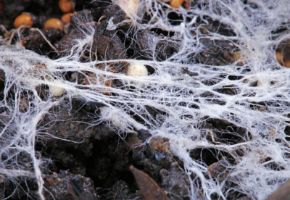
The spring period is also crucial for preparing outdoor substrates. Spring at sea is an expression indicating the awakening of marine ecosystems, but even in the mountains, spring brings the famous "snow mushrooms" (early morels). Spring begins not only with the equinox but also with the arrival of spring as perceived by nature: when soil temperature consistently exceeds 5°C, the mycelium resumes its activity.
🍄 Spring mushrooms: the most sought-after species and how to find them
Which mushrooms are available in spring? Contrary to popular belief, spring offers surprising mycological diversity, even if less abundant than autumn. The most iconic species are morels (Morchella spp.), St. George's mushrooms (Marasmius oreades), false morels (Gyromitra esculenta) (to be consumed with extreme caution), and beefsteak fungus (Fistulina hepatica) in its spring forms. Additionally, spring mushrooms include Lepista nuda (wood blewit), Agaricus arvensis (horse mushroom), and in some areas Boletus edulis (porcini) when conditions are favorable.
Where to find mushrooms in spring? Preferred locations include deciduous forests with calcareous soils, south-facing trail edges, unfertilized meadows, and areas with willows or poplars. Spring humidity combined with the first rains after a period of winter drought is the perfect trigger for fruiting. How to find mushrooms in spring? Get up early, follow moisture traces, and search near watercourses. Using tools like mycelium lighting kits can help with indoor cultivation of spring species.
Why aren't there mushrooms in spring like there used to be? The question many elderly foragers ask has a clear answer: climate change and early spring. Seasonal cycles have shifted: spring rains are more intense but less frequent, sudden heat waves dry out the soil, and many species can no longer complete their life cycle. According to a study by the University of Padua (2024), over the last 30 years the phenology of spring mushrooms has advanced by approximately 12 days. This means that when spring begins for mushrooms is increasingly often in mid-February.
Species to look for: morels, St. George's mushrooms, and calocybes
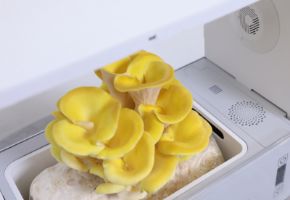
Morels (Morchella) are the most prized spring mushrooms. They grow from March to May in forests of ash, elm, poplar, and apple trees. They require calcareous, well-drained soils. St. George's mushrooms grow in fairy rings in meadows and are excellent for drying. The Calocybe gambosa (St. George's mushrooms or Marzolini) are highly aromatic. To cultivate these species at home, NatureNext offers grow boxes or LED strips for mycelial growth that simulate the spring light spectrum, accelerating colonization.
Climatic characteristics of spring and influence on mycology
What will the weather be like in spring? Spring weather is known for its variability: sunny days alternating with sudden thunderstorms, temperatures oscillating between 5°C and 25°C. Average spring temperatures in Italy range from 10 to 20°C, with early peaks. Spring precipitation is fundamental for mushrooms: at least 20-30 mm of rain distributed over a week is needed to trigger fruiting. Spring environmental changes include snowmelt (which in mountains feeds soil moisture until June) and increased solar radiation.
When does spring begin from a climatic perspective? According to the World Meteorological Organization, meteorological spring covers March-May. However, the concept of early spring is now well established: forecast models for 2026 indicate temperatures 1.5-2°C higher than the historical average in March and April. This advances the appearance of thermophilic mushrooms and reduces the window for those requiring cooler conditions. Mycologists must adapt: spring foraging now begins in late February and ends in mid-May, with a possible second peak in June if rainfall is abundant.
Spring begins increasingly often with extreme events: hailstorms, late frosts (the famous "frost of Our Lady of the Snows" in late May), and spring droughts. For mushroom growers, it is essential to have controlled irrigation systems and artificial lighting. Grow boxes are ideal for creating stable indoor microclimates, ensuring fruiting even when spring weather is unpredictable.
Natural phenomena and biodiversity: spring as life's orchestra
What happens in spring? Nature in spring awakens: spring blooming transforms landscapes, pollinators (bees, bumblebees) become active, birds build nests, amphibians reproduce. For mushrooms, the rebirth of nature means reactivation of mycelium in the soil and symbiosis with plant roots (mycorrhizae). Spring plant blooms like those of cherry or apple trees are indirect signals for foragers: the presence of hawthorn or elderberry flowers often indicates the right humidity for morels.
Spring animal activity: wild boars and squirrels disturb the soil, creating microhabitats for mushrooms. Additionally, many insects lay eggs in mushrooms, competing with foragers. Spring biodiversity is an indicator of ecological health: where mushrooms are abundant and varied, the ecosystem is balanced. Unfortunately, early spring is altering these synergies: some mushroom species no longer find their symbiotic trees at the right phenological stage.
Foraging and cultivation techniques: tips for gardeners, farmers, and photographers
How to prepare the soil for spring? For gardeners who want to grow mushrooms outdoors, it is essential to add well-matured organic matter and maintain a pH around 6-7. For lawns, how to keep the lawn green during spring without harming mushrooms? Avoid excessive nitrogen fertilizers, mow high (at least 5 cm), and use drip irrigation. For organic farmers, the most profitable spring crops that can be associated with mushrooms are legumes and cereals, which can be intercropped with Pleurotus on straw.
Which natural fertilization techniques work? Mature manure, coffee grounds, and rice husks. To protect plants from pests in spring, mushrooms themselves can be allies: Trichoderma (antagonistic fungus) is sold by NatureNext as a biofungicide. How to plan crop rotations in spring after a mushroom cycle? It is recommended to plant brassicas or solanaceae, which benefit from residual biomass.
For nature photographers: what are the best times to photograph spring flowers and mushrooms? The golden hour (sunrise and sunset) enhances textures. Use a tripod and polarizer to reduce reflections on mushroom moisture. Ideal locations for spring shots: beech forests with morels, karst meadows with St. George's mushrooms, and trail edges with coprinus.
Products for mushroom spring: equipment and solutions
NatureNext.eu suggests a selected range of products to accompany enthusiasts and professionals in the mycological spring. Here are the recommendations for the season:
- Cultivation kits – ready-to-use substrate with detailed instructions for early spring;
- LED strips for mycelium – optimal spectrum 4000K-6500K to simulate spring days and accelerate growth;
- Digital hygrometer with probe – monitor humidity and temperature, critical parameters when when spring begins is anticipated;
- Organic amendment for mushrooms – enriched with selected mycorrhizae for spring months.
All these products are the answer to the challenges of modern spring. Thanks to the LED strips from Ledpoint.it (NatureNext partner), you can create an indoor fruiting chamber even in an apartment, extending the mushroom season well beyond traditional spring months.
Frequently asked questions about spring and mushrooms
When does spring begin in 2026?Astronomical spring begins on March 20, 2026 at 15:46 UTC+1. Meteorological spring begins on March 1, 2026. However, early spring could bring the first mushrooms as early as February. |
What is the symbolic meaning of spring?Spring symbolizes rebirth, fertility, hope, and renewal. In the world of mushrooms, it represents the awakening of mycelium after winter dormancy and the appearance of the first prized species. |
How to find mushrooms in spring?Search in deciduous forests with south-facing exposure, 3-5 days after rain. Use a mycologist's stick to disturb the leaf litter and look near willows, poplars, and ash trees. Full-spectrum LED strips can help you with indoor cultivation to study species before heading out. |
What are the months of spring?The spring months are March, April, and May (meteorological). Astronomical months run from March 20 to June 20, thus including parts of March and June. For mushrooms, the peak is between April and mid-May. |
Why aren't there mushrooms in spring like there used to be?Main cause: climate change and early spring. Heat waves and drought reduce fruiting. Additionally, habitat loss and the use of fungicides in agriculture have reduced mycological biodiversity. |
Which NatureNext products do you recommend for spring 2026?The morel kit and Ledpoint.it LED strips are the most requested. For professionals, we also recommend the hygrometer and substrates enriched with mycelium selected for early spring. |
This article was developed with the support of artificial intelligence and subsequently reviewed, corrected, and validated by the NaturNext.eu technical team, which guarantees its reliability and compliance with official sources.
The kingdom of fungi is a universe in constant evolution, with new scientific discoveries emerging every year about their extraordinary benefits for gut health and overall well-being. From now on, when you see a mushroom, you will no longer think only of its flavor or appearance, but of all the therapeutic potential it holds within its fibers and bioactive compounds. ✉️ Stay connected - Subscribe to our newsletter to receive the latest studies on: Nature offers us extraordinary tools to take care of our health. Mushrooms, with their unique balance between nutrition and medicine, represent a fascinating frontier that we are only beginning to explore. Continue following us to discover how these extraordinary organisms can transform your approach to well-being.Continue your journey into the world of mushrooms