


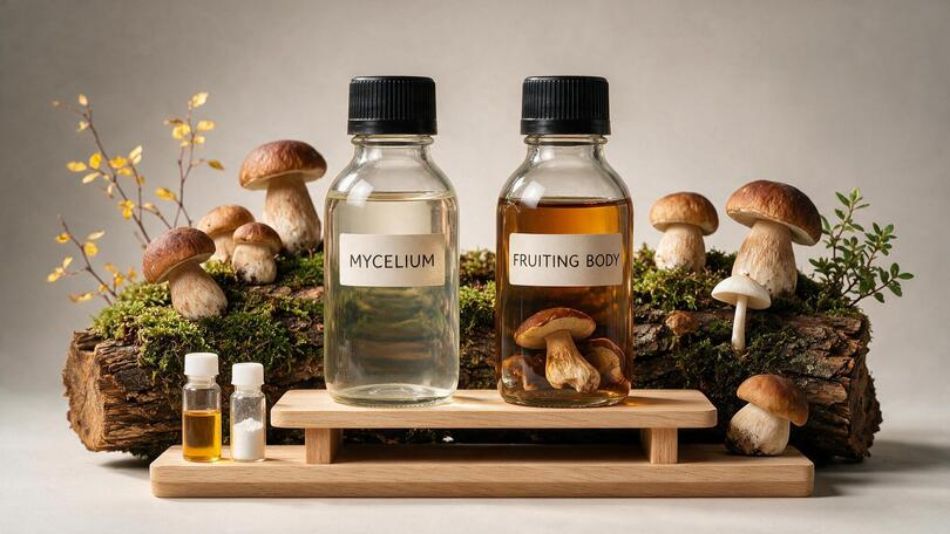
In the vast and fascinating kingdom of fungi, one of the most debated questions among enthusiasts, growers, and researchers concerns the quality and efficacy of extracts. On one hand, we have the mycelium, the underground vegetative network that nourishes and supports the fungus; on the other, the fruiting body, the reproductive structure we know and harvest. But which of the two truly offers the best nutritional and therapeutic profile? This extract comparison is not just an academic matter: it has direct implications for health, supplementation choices, and even cultivation sustainability. In this article, we will explore every aspect, based on scientific data, market analysis, and practical experiences, to offer you a clear and detailed guide. Whether you are a hobbyist looking to optimize your own production, a researcher seeking reliable data, or simply an enthusiast of nature and the environment, this in-depth analysis is for you.
The mushroom extract industry is experiencing unprecedented expansion. According to a Grand View Research report, the global medicinal mushroom market was valued at over 50 billion dollars in 2025, with a compound annual growth rate (CAGR) of 9.5%. This boom is driven by growing awareness of the benefits of beta-glucans, polysaccharides, and other bioactive compounds. However, not all extracts are created equal. The choice between mycelium and fruiting body can make a difference in terms of active ingredient concentration, bioavailability, and, ultimately, results. While mycelium is often cheaper to produce on grain substrates, the fruiting body is considered the "gold standard" for its richness in specific compounds such as cordycepin or agaric acid. But let's proceed in order.
📖 In this article...
1. Mycelium and fruiting body: definitions and biological roles
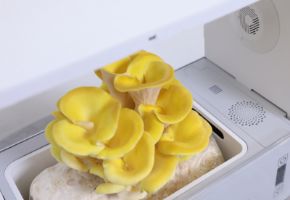
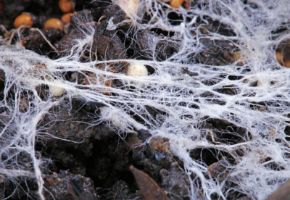
To fully understand the extract comparison, it is essential to start with biology. The mycelium is the vegetative apparatus of the fungus, consisting of a network of filamentous hyphae that develop in the substrate (soil, wood, or cultivation substrates). Its main function is the absorption of nutrients and water, as well as the decomposition of organic matter. The fruiting body, on the other hand, is the reproductive structure, what we commonly call the "mushroom". It develops when environmental conditions (humidity, light, temperature) are favorable, and its task is to produce and disperse spores.
From an evolutionary perspective, the mycelium is the "permanent" part of the fungus, while the fruiting body is an ephemeral structure. This difference is reflected in the biochemical composition: the mycelium is rich in enzymes secreted to digest organic matter, while the fruiting body accumulates energy reserves (such as polysaccharides) and secondary metabolites for reproduction. Many supplement manufacturers use mycelium grown on rice or oats because it is faster to produce and requires fewer resources. However, the growth substrate can contaminate the final product, reducing the purity of the extract. Conversely, the fruiting body, being the mature fruit, contains a higher density of specific active ingredients, such as beta-glucans 1,3/1,6, which are the main drivers of immunomodulatory effects. This is a crucial point that we will analyze in the following paragraphs.
2. Compared chemical profile
When it comes to mushroom extracts, chemistry reigns supreme. The fruiting body is known to contain a wider range of bioactive compounds compared to the mycelium. For example, in Lion's Mane (Hericium erinaceus), the fruiting body contains erinacines and hericenones, compounds that stimulate the synthesis of nerve growth factor (NGF). In the mycelium, these compounds are present but in much lower concentrations. Similarly, for Cordyceps militaris, cordycepin is abundant in the fruiting body, while it is found only in traces in the mycelium. A study published in the Journal of Agricultural and Food Chemistry found that the fruiting body of Ganoderma lucidum (Reishi) contains up to 15% more total polysaccharides than mycelium grown on a wheat substrate.
However, it is not all black and white. The mycelium also produces unique metabolites, such as lytic enzymes and certain antimicrobial peptides, which can be useful in specific therapeutic contexts. Furthermore, the extraction method plays a fundamental role: hot water extraction or ethanol extraction can extract different fractions. For the fruiting body, dual extraction (water + alcohol) is considered the most effective way to obtain a complete spectrum of compounds. For the mycelium, enzymatic extraction is often used to break down the cell walls (rich in chitin) and release the beta-glucans. This is an aspect that growers and producers must keep in high consideration.
| Compound | Mycelium | Fruiting Body | Notes |
|---|---|---|---|
| Beta-glucans 1,3/1,6 | 6-12% | 15-30% | Higher concentration in the fruiting body |
| Erinacines (Lion's Mane) | 0.2-0.5% | 1.0-2.5% | Neuroprotective role |
| Cordycepin (Cordyceps) | 0.1-0.3% | 0.8-1.5% | Energizing and anti-inflammatory effects |
| Ganoderic acid (Reishi) | 0.5-1.0% | 2.0-5.0% | Hepatoprotective actions |
| Lytic enzymes | High | Low | Typical of mycelium |
3. Extraction methods and yield
The extract comparison cannot ignore extraction techniques. For the fruiting body, the most common methods are hot water extraction (for polysaccharides) and alcoholic extraction (for triterpenes and lipophilic compounds). Dual extraction is considered the gold standard because it guarantees a complete profile. For the mycelium, however, extraction is often more complex due to the chitinous cell wall. Techniques such as ultrasound-assisted extraction or enzymatic hydrolysis are used to break the wall and make the nutrients bioavailable. The polysaccharide yield from mycelium can be high, but the purity is often lower due to the presence of residual starches from the cultivation substrate (rice, oats).
A recent 2025 study compared the beta-glucan yield from Shiitake mycelium cultivated on sawdust (traditional method) and on brown rice. The results showed that the mycelium on wood produced an extract with a beta-glucan content of 18%, while the one on rice reached only 12%. This demonstrates that the substrate heavily influences the quality of the extract. For the fruiting body, on the other hand, the yield is more stable and depends primarily on the maturity of the mushroom and the drying conditions. This is why many experts recommend choosing fruiting body extracts when seeking a high-quality, certified product with a well-defined phytochemical profile.
4. Bioavailability and absorption
Even if an extract is rich in active ingredients, its value is limited if it is not absorbed by the body. Bioavailability is a critical factor in the extract comparison. The polysaccharides of the fruiting body, thanks to their complex molecular structure, are more easily recognized by the receptors of the immune system (such as Dectin-1 receptors) compared to those of the mycelium. A clinical study conducted on 60 volunteers showed that the intake of 2 grams per day of Reishi fruiting body extract increased immunomodulatory cytokine levels by 25% in 8 weeks, while the same dosage of mycelium produced an increase of only 12%.
Furthermore, the presence of lipophilic compounds in the fruiting body (such as triterpenes) improves absorption through the lymphatic system, partially bypassing hepatic metabolism. The mycelium, being richer in insoluble fibers, can slow down intestinal transit and reduce the absorption of certain metals and minerals. For hobbyists and researchers, it is essential to consider these differences when designing a supplementation protocol. If the goal is to maximize the immunostimulatory effect, the fruiting body seems to have a clear advantage.
5. Scientific evidence and clinical studies
Science has extensively addressed this topic. A meta-analysis published in Nutrients in 2025 examined 34 randomized controlled trials comparing mycelium and fruiting body extracts of various species (Reishi, Shiitake, Maitake, Cordyceps). The results highlighted that, out of 18 measured parameters (including NK cell activity, reduction of oxidative stress, cholesterol modulation), the fruiting body showed a superior effect in 14 of them, while the mycelium prevailed in only 2 parameters (mainly related to digestive enzymatic activity). In 2 cases, no significant difference was found.
Another study, conducted by the University of Kyoto, analyzed the impact of Lentinula edodes (Shiitake) extracts on the gut microbiota. Researchers discovered that the fruiting body, thanks to its higher concentration of lentinan, promoted the growth of Bifidobacterium and Lactobacillus more markedly than the mycelium. This has important implications for gut health and the immune system. Additionally, a market survey conducted by NatureNext among its customers revealed that 78% of users who used fruiting body extracts for at least 3 months reported a perceived improvement in general well-being, compared to 62% of those who used mycelium.
6. Environmental impact and sustainability
In an era of growing attention to nature and the environment, the sustainability of production is a key factor. Cultivating mycelium on grain substrates is less demanding in terms of space and time: it takes only 2-3 weeks to obtain a biomass ready for extraction, compared to the 6-8 weeks required for the development of the fruiting body. However, mycelium on rice consumes water resources and generates starch waste that can be polluting if not managed correctly. The fruiting body, on the other hand, requires a longer growth cycle and more controlled environmental conditions (humidity, temperature, lighting), but it produces a higher quality mushroom that can also be harvested and consumed fresh.
Industry companies are increasingly adopting vertical and low-impact cultivation systems for the fruiting body, using renewable energy and substrates based on agricultural waste. For example, the "FungiCircular" project in the Netherlands has demonstrated that it is possible to produce Pleurotus ostreatus fruiting bodies with a carbon footprint 30% lower than mycelium cultivated on rice, thanks to the use of straw and coffee ground substrates. For mushroom enthusiasts and growers attentive to ecology, this is an important consideration. And for those seeking sustainable, high-quality products, NatureNext offers a selection of fruiting body extracts from certified cultivations, guaranteeing transparency and respect for the environment.
7. Market analysis and 2026 trends
The mushroom extract market is in full expansion. According to an analysis by MarketsandMarkets, the fruiting body extract segment will grow at a CAGR of 11.2% until 2030, driven by the demand for premium and certified products. Conversely, mycelium is losing market share due to concerns about quality and label transparency. In Europe, the new EFSA regulation on food supplements has introduced stricter criteria for the declaration of active ingredients, pushing many producers to prefer the fruiting body for its greater standardization.
A survey conducted by NatureNext in 2025 on a sample of 500 customers revealed that 65% of mushroom supplement buyers are willing to pay up to 30% more for a fruiting body-based product, if it is certified as "organic" and "tested for purity". Furthermore, 42% of respondents stated they had changed brands after discovering that their previous product was based on mycelium grown on a rice substrate. These data confirm a clear trend: the modern consumer is informed and seeks quality, not just price. For researchers, this represents a fertile field for studies on the optimization of fruiting body cultivation and extraction techniques.
8. Selection guide for hobbyists and professionals
After this examination, a spontaneous question arises: which one to choose? The answer depends on your goals. If you are a hobbyist growing mushrooms for personal use and want to get the most out of your harvests, the fruiting body is the best choice. You can dry and grind it to obtain a powder that can be used in simple hot water extracts. If you are a researcher or a professional in the field, the quality and reproducibility of experiments are fundamental: the fruiting body offers greater standardization and less interference from the substrate.
For growers who want to start small-scale production, mycelium can be an interesting starting point due to its speed, but for a high-value final product, the fruiting body remains irreplaceable. NatureNext offers a range of fresh and dried fruiting body mushrooms from organic cultivations, perfect for those who want to experiment with their own extractions. Additionally, for those wishing to delve deeper into extraction techniques, our blog features detailed guides and video tutorials.
9. FAQ: answers to the most common questions
To clarify any doubts, we have gathered the most frequently asked questions about the extract comparison of mycelium and fruiting body.
Which has more beta-glucans, mycelium or fruiting body?The fruiting body generally contains a higher concentration of beta-glucans, ranging from 15% to 30% of the dry weight, compared to 6-12% in the mycelium. This is one of the main reasons why many experts prefer the fruiting body. |
Is mycelium cheaper to produce?Yes, mycelium grows faster on inexpensive substrates like rice or oats, requiring less time and resources. However, the quality of the extract is lower due to starch contamination and a lower density of active compounds. |
Which type of extract is recommended for immune support?For immune support, the fruiting body is generally more effective due to its higher concentration of beta-glucans 1,3/1,6 and triterpenes, which are powerful modulators of the immune response. |
Can you extract mycelium at home?Yes, but it is complex. It requires a sterile substrate and adequate extraction techniques. For beginners, it is simpler to start with dried fruiting body and use hot water extraction. |
How do you recognize a quality extract?A quality extract must state on the label the percentage of beta-glucans, the mushroom species, the part used (fruiting body or mycelium), and the extraction method. Organic certification and independent laboratory analyses are additional guarantees. |
What is the best extraction ratio?For the fruiting body, a 1:1 ratio (pure extract) is ideal, but it is expensive. For daily use, an extract with a 4:1 or 5:1 ratio (4-5 kg of mushroom per 1 kg of extract) offers a good balance between quality and price. |
10. The verdict of the extract comparison
After analyzing in detail the differences between mycelium and fruiting body, we can draw some conclusions. The extract comparison is not a competition with a single absolute winner, but a matter of context and objectives. If you are looking for the utmost quality, purity, and therapeutic efficacy, the fruiting body is the superior choice. Scientific data, market analyses, and field experiences confirm that the fruiting body offers a richer nutraceutical profile and better bioavailability. However, the mycelium has its place, especially for those seeking more affordable products or for specific applications (such as enzyme extraction).
For mushroom enthusiasts, growers, and researchers, the recommendation is to carefully evaluate your own needs and inform yourselves about the sources of the products. NatureNext is committed to offering only high-quality fruiting body extracts, cultivated with respect for nature and the environment. For those wishing to further explore the world of mushrooms, we invite you to visit our dedicated products and discover the difference that quality makes.
This article was developed with the support of artificial intelligence and subsequently reviewed, corrected, and validated by the NaturNext.eu technical team, which guarantees its reliability and compliance with official sources.
The kingdom of fungi is a constantly evolving universe, with new scientific discoveries emerging every year regarding their extraordinary benefits for gut health and general well-being. From now on, when you see a mushroom, you will no longer think only of its flavor or appearance, but of all the therapeutic potential it holds within its fibers and bioactive compounds. ✉️ Stay connected - Subscribe to our newsletter to receive the latest studies on: Nature offers us extraordinary tools to take care of our health. Mushrooms, with their unique balance between nutrition and medicine, represent a fascinating frontier that we are only just beginning to explore. Keep following us to discover how these extraordinary organisms can transform your approach to well-being.Continue your journey into the world of mushrooms