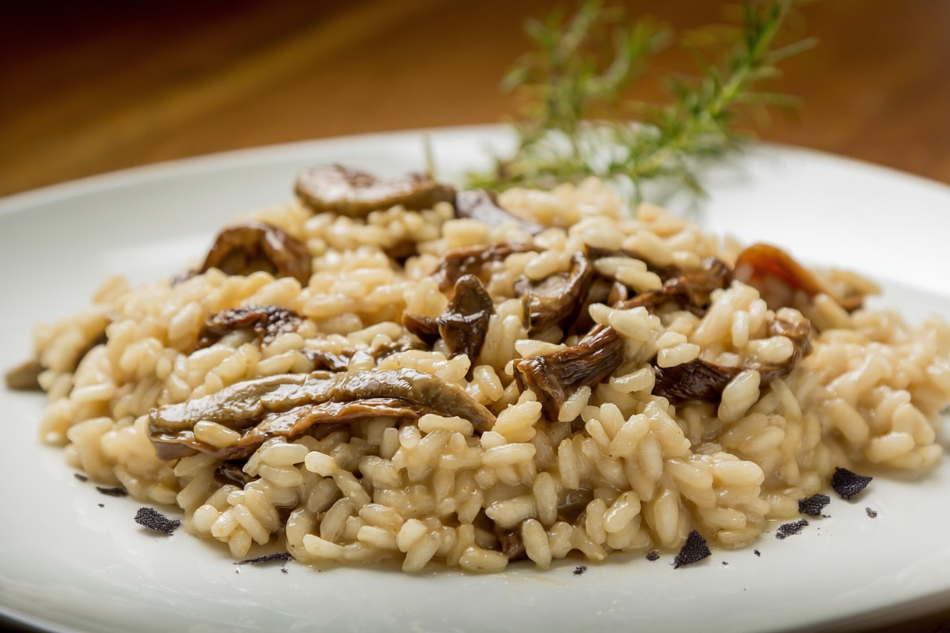
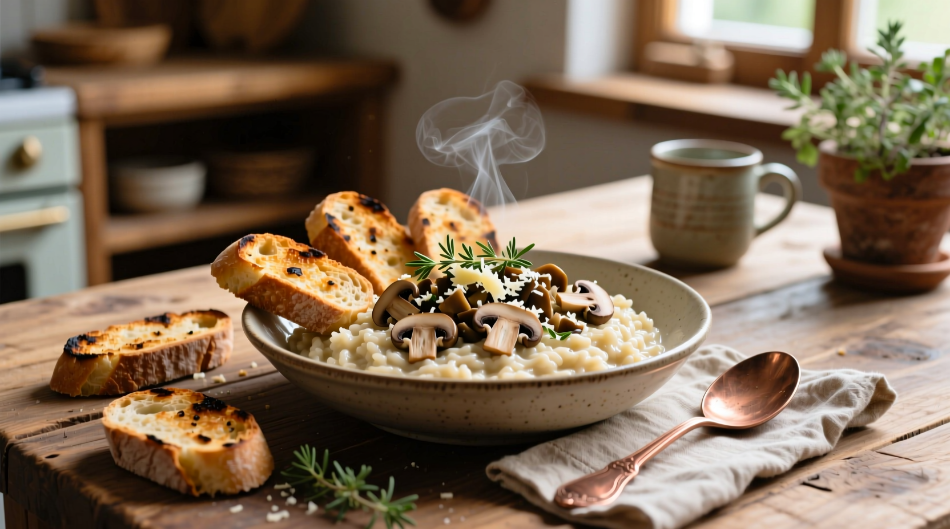
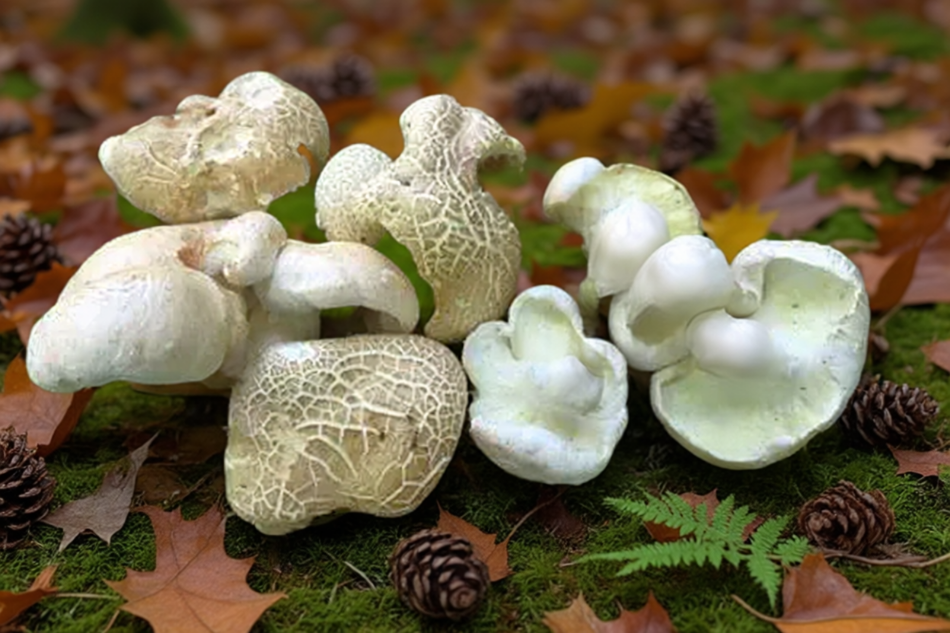
In the Italian culinary landscape, few combinations evoke the spirit of a region like the combination of rice, porcini mushrooms, and black truffle. This article is an in-depth journey into the world of this extraordinary dish, an exploration that begins with mycology and ends at the table, exploring history, science, and culinary technique. Together, we'll discover the secrets to making a risotto that's much more than a simple first course, but a true sensory experience.
Welcome, mycology enthusiasts, mushroom hunters, and foodies! In this article, we'll delve into every aspect of one of the most celebrated preparations in Italian culinary tradition: porcini mushroom cream. This isn't simply a recipe, but a scientific, cultural, and sensory journey through the kingdom of mushrooms, food processing techniques, and the secrets of botanical cuisine. Together, we'll discover how a simple cream can encompass centuries of tradition, complex chemical reactions, and a universe of flavors rooted in the undergrowth of our wonderful forests.
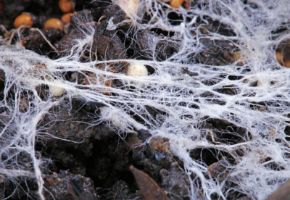
In the seemingly silent and immobile kingdom of fungi, a relentless war is being waged. A millennia-old conflict that sees these extraordinary organisms develop chemical weapons, deadly traps, and sophisticated defense strategies to survive predators, bacteria, and competitors. In this article, we explore in detail the fascinating world of fungal warfare, revealing how seemingly inert fungi are actually masters of the art of survival.