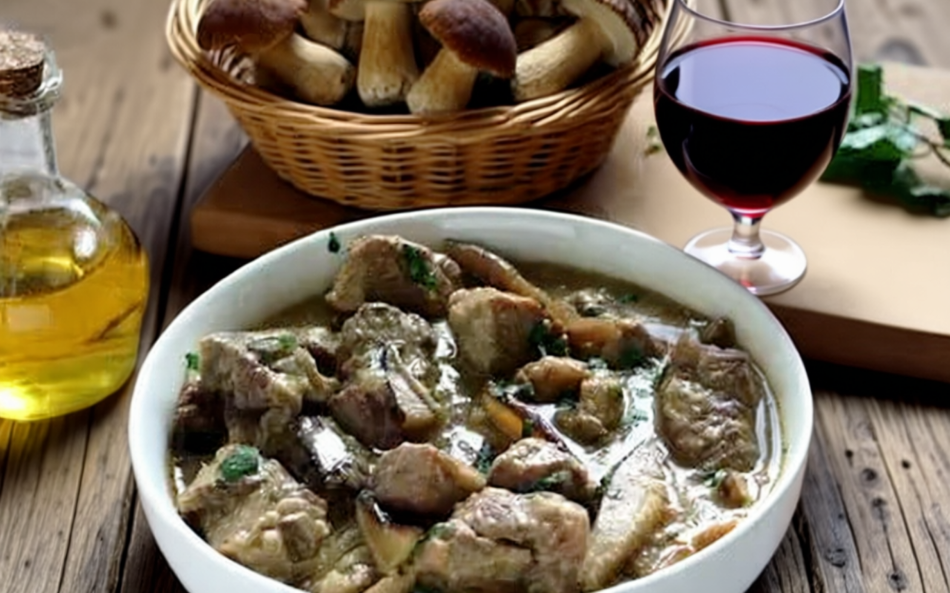
In this technical article, we'll explore in depth how to make beef stew with porcini mushrooms and red wine, a dish that combines the richness of beef with the aromatic complexity of porcini mushrooms. We'll analyze every aspect of the preparation, from the choice of ingredients to the cooking techniques, with particular attention to the nutritional properties and health benefits. This in-depth article is designed for mushroom enthusiasts, botanists, mushroom growers, and foragers who wish to fully understand the interactions between the different components of this traditional recipe.
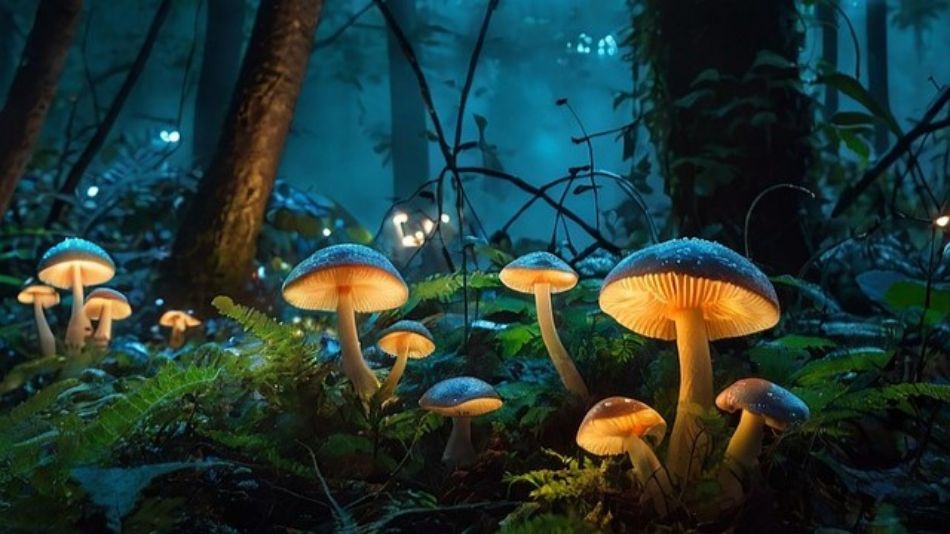
In the fascinating world of mycology, there are fungal growth phenomena that defy scientific convention and capture the imagination of enthusiasts and researchers, such as the one-night stand that allows a particular fungal species to grow. The mysterious phenomenon of night-blooming in specific mushroom species represents one of the most intriguing and least understood aspects of fungal biology. This article aims to explore in depth the mycological species that complete their growth cycle in a single night, analyzing the extreme environmental conditions that allow their development and the peculiar biological adaptations that enable this unique phenomenon in the fungal kingdom.
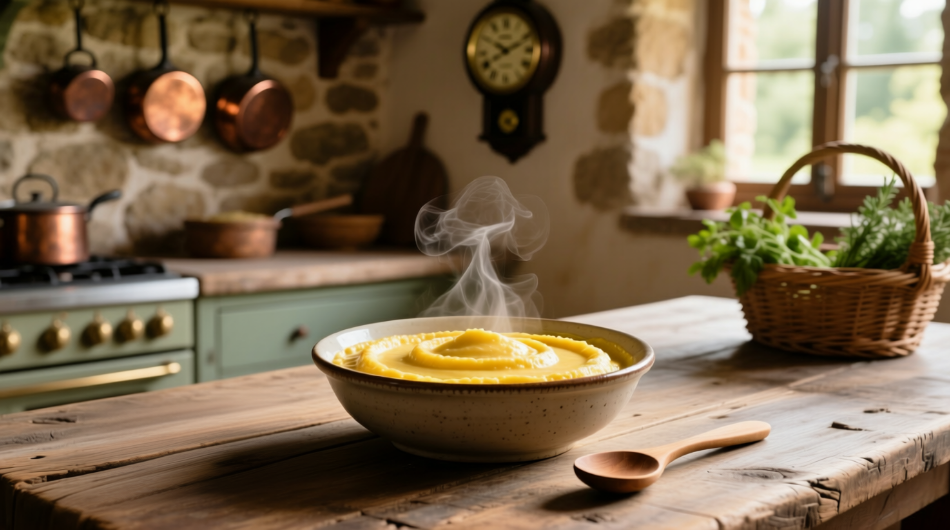
Polenta with porcini mushrooms is one of the most iconic dishes in Italian cuisine, a perfect blend of rustic simplicity and the sophistication of woodland flavors. This article explores every aspect of this dish in depth, from its nutritional properties to optimal cooking techniques, the mycological characteristics of porcini mushrooms, and the regional variations of polenta. Through a detailed and scientific analysis, we will attempt to uncover the secrets that make this dish an authentic gastronomic experience, combining tradition and well-being in every bite.