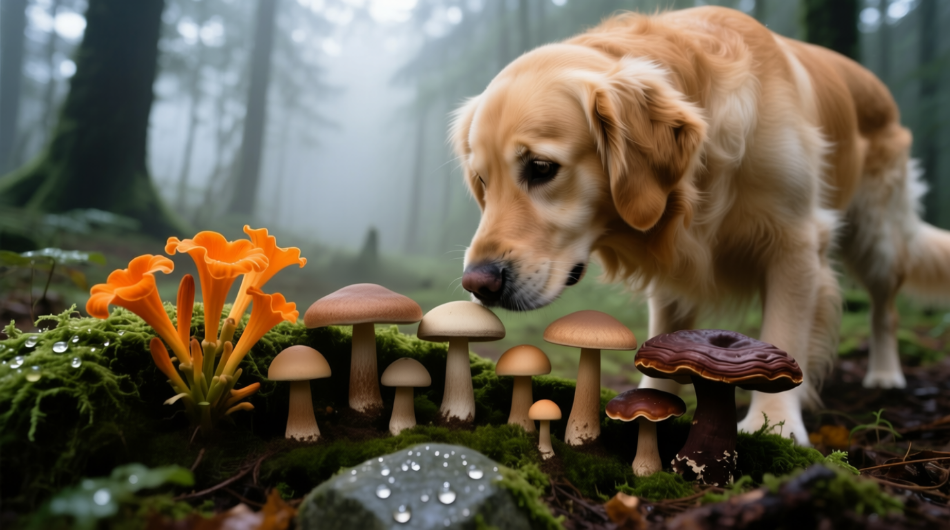
The relationship between dogs and mushrooms represents one of the most complex and fascinating aspects of mycology applied to veterinary medicine. In this in-depth treatise, we will systematically and thoroughly explore every aspect of the interaction between our four-legged friends and the fungal kingdom, providing a comprehensive guide ranging from species identification to poisoning management, from medicinal properties to emergency protocols. Veterinary mycotoxicology is a constantly evolving discipline, requiring a multidisciplinary approach and in-depth knowledge of both the morphological characteristics of fungi and canine physiology.
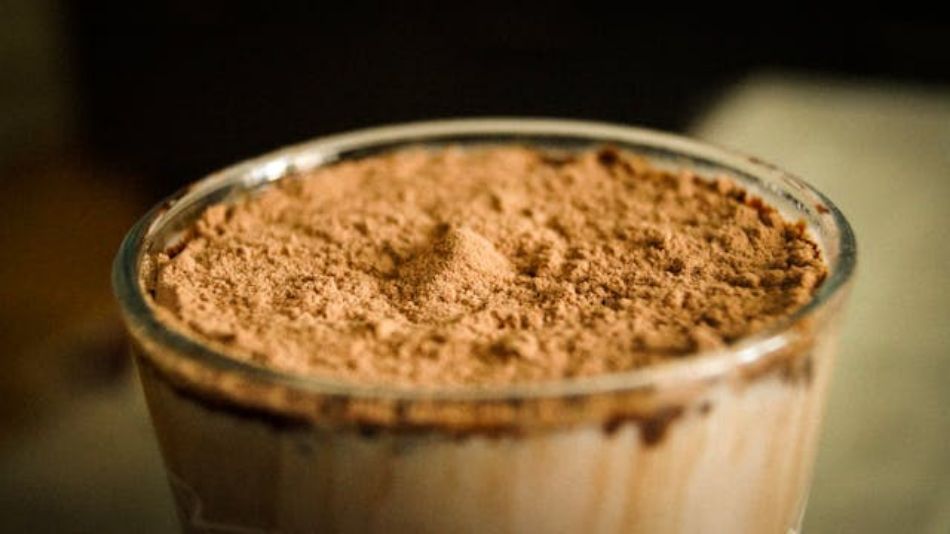
In the increasingly diverse landscape of wellness trends, medicinal mushroom smoothies are emerging as one of the most innovative and beneficial ways to start the day. This practice, which combines the ancient wisdom of traditional Chinese medicine with modern scientific knowledge, represents not only a nutritious alternative to the traditional breakfast, but a truly functional approach to daily health. Incorporating medicinal mushrooms into morning smoothies offers a range of benefits, from immune system support to reducing chronic inflammation and improving cognitive performance. Chronic low-grade inflammation is now recognized as a predisposing factor for numerous pathological conditions, from cardiovascular disease to metabolic disorders and neurodegenerative disorders. Choosing an anti-inflammatory breakfast is therefore not simply a passing fad, but a conscious strategy for the prevention and maintenance of long-term well-being. Medicinal mushrooms, with their unique nutritional profile and bioactive properties, are perfectly suited to this purpose, offering a concentration of beneficial substances in an easily assimilated and palatable form.
Substrate hydration is one of the key parameters in the mushroom cultivation process, an aspect that is too often overlooked or approached with approximate methodologies. In this in-depth technical article, we will explore in detail the concepts of water holding capacity (WHC) and field capacity, two essential parameters for ensuring proper substrate hydration and maximizing production yields in mycelial cultivation. Through scientific data, comparative tables, and detailed analyses, we will provide mycelium growers and mycology enthusiasts with all the tools necessary to master this crucial phase of the cultivation process.



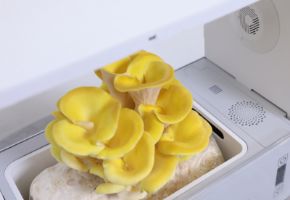
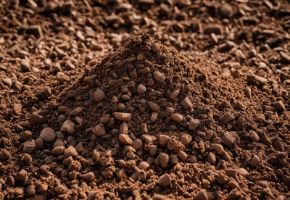
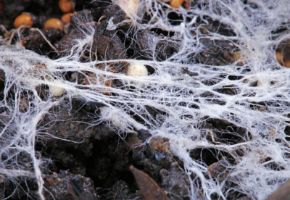

 e field capacity nella coltivazione _950.png "Optimal substrate hydration: water holding capacity (WHC) and field capacity in mushroom cultivation")