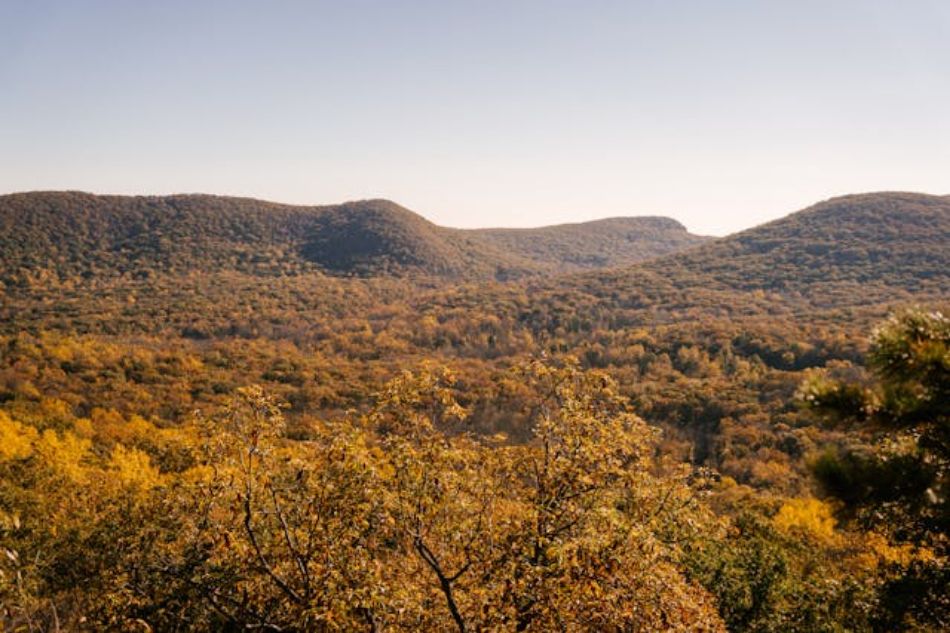
Mount Amiata rises like a gentle giant among the rolling hills of southern Tuscany, an extinct volcano whose geological history has shaped a unique environment, a sanctuary for biodiversity and, in particular, for the kingdom of mushrooms. This article aims to serve as a magnifying glass focused on this fascinating microcosm, an in-depth journey through shady paths and centuries-old chestnut groves to discover the fungal treasures the mountain holds. We will explore not only the most iconic species, such as the delicious Porcini mushroom, but also the lesser-known ones, dissecting the complex ecological relationships that bind them to their habitat, a mosaic of beech, fir, and mixed forests that in autumn alight with warm colors, transforming into a carpet of golden leaves beneath which fungal life teems. Through detailed morphological data, statistical analysis, interesting facts, and a careful examination of sustainable harvesting practices, this text aims to be a reference point for enthusiasts, mycologists, and anyone wishing to deepen their knowledge of one of Italy's richest and most interesting fungal ecosystems.
There's a category of culinary preparations that, despite their apparent simplicity, conceal a universe of complexity, nuance, and inestimable gastronomic potential. Mashed potatoes, the quintessential comfort food, lend themselves magnificently to becoming a canvas for more structured and profound flavors. In this technical article, we delve into the creation of a mashed potato enriched with sautéed mushrooms, a process that isn't simply a matter of adding ingredients, but a true fusion of two worlds: the humble cultivated tuber and the prized fruit of the forest. Through a meticulous analysis ranging from selecting the most suitable potato varieties to the mycological selection of mushrooms, from the most effective cooking techniques to an in-depth nutritional analysis, we'll transform a home recipe into a haute cuisine experience accessible to all lovers of botany, mycology, and fine dining.
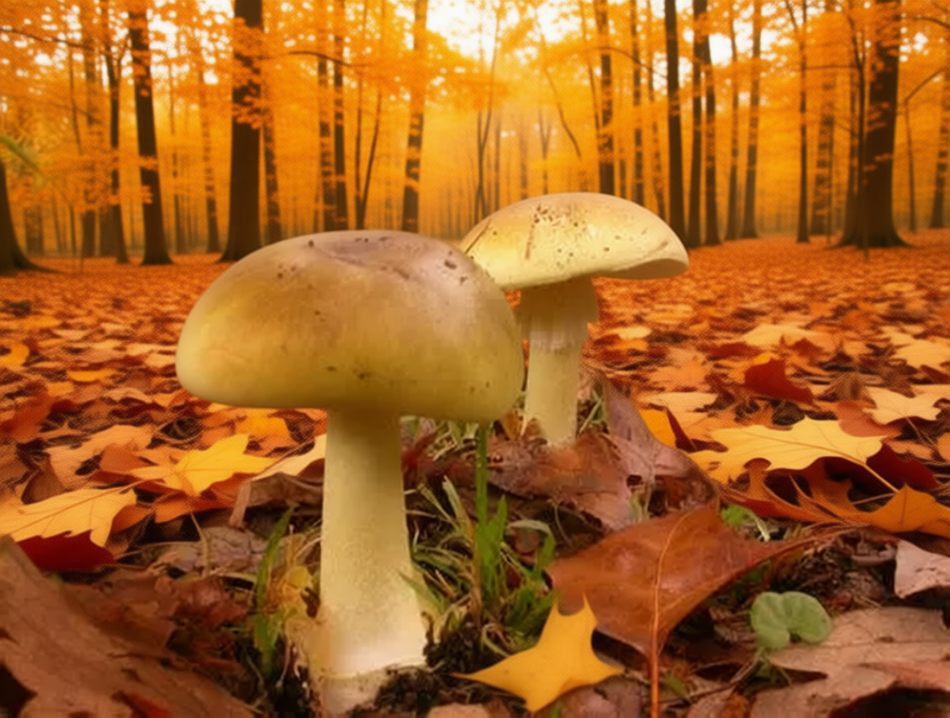
In the world of mycology, there is a fine line between passion and danger. While many enthusiasts dedicate themselves to collecting edible mushrooms, few are truly aware of the risks that some specimens can pose. This article aims to dissect in detail the characteristics of one of the most dangerous mushrooms in the world, an organism whose mere contact can trigger reactions harmful to human health. Through an in-depth analysis of its morphology, habitat, and toxic properties, we will try to understand why not touching this mushroom represents the first and most important rule to follow during mycological excursions.