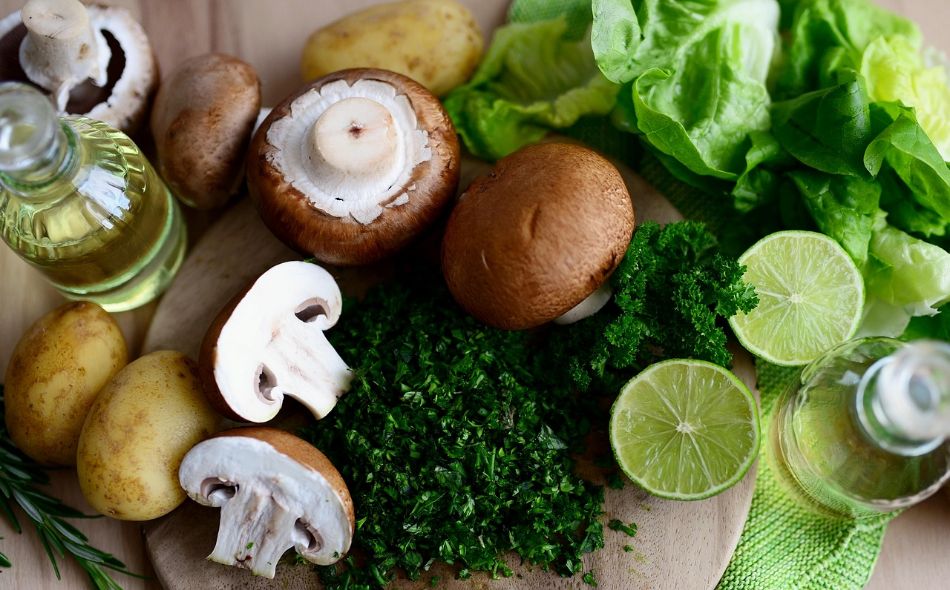
Mixed mushroom salad is a culinary preparation that expertly combines the delicacy of raw mushrooms with the aromatic intensity of cooked ones, creating a dish that not only satisfies the palate but also offers an interesting nutritional profile. In this technical article, we will explore every aspect of this preparation in detail, from selecting the most appropriate mushroom species for their nutritional properties, to preparation techniques that maximize the preservation of their beneficial active ingredients.
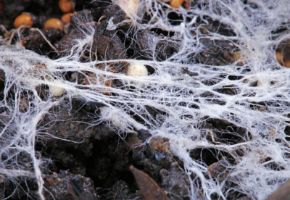
The vast and fascinating kingdom of fungi hides one of the best-kept secrets of our planet's biodiversity. While most people recognize only a few dozen edible or poisonous species, the reality is that the fungal world represents one of the most unexplored frontiers of contemporary biology. This article aims to reveal the extent, importance, and future prospects of this extraordinary, still largely unknown, biodiversity, with particular attention to the Italian and Mediterranean context.
Let's explore in depth one of the most refined gastronomic combinations in Italian cuisine, combining mycological expertise with the nutritional properties of walnuts and Grana Padano in a dish that is so much more than a simple recipe. In this technical article, we'll analyze every aspect of this preparation, from ingredient selection to nutritional properties, to optimal cooking techniques, with a scientific yet accessible approach for all mycology and culinary enthusiasts. Through data, tables, and insights, we'll discover why this combination is not only tasty but represents a true concentration of well-being and autumnal flavors.