Fomes fomentarius, commonly known as tinder fungus or hoof fungus, represents one of the most fascinating and historically significant fungal species in the fungal kingdom. This polypore, a parasite and saprophyte of forest trees, has accompanied humanity for millennia, not only as an agent of wood decomposition but also as a precious material for lighting fires, from which its name derives. In this comprehensive and exhaustive guide, we will explore every aspect of this extraordinary organism, from its complex morphology to its ecological characteristics, and from its historical uses to its potential future applications.
Il Polyporus umbellatus, comunemente noto come poliporo a ombrello, rappresenta una delle specie fungine più affascinanti e ricercate nel panorama micologico europeo. Questo fungo, appartenente alla famiglia delle Polyporaceae, si distingue per la sua peculiare morfologia e per le interessanti proprietà medicinali che lo rendono oggetto di studio in campo farmacologico. La sua rarità e le specifiche esigenze ecologiche lo rendono una vera e propria perla per i micologi e gli appassionati di funghi, che spesso dedicano intere giornate alla sua ricerca nei boschi di latifoglie.
The Amanita caesarea, scientifically known as the Caesar's mushroom, is undoubtedly one of the most sought-after, celebrated, and, unfortunately, often confused mushrooms in all of mycology. Its reputation as a culinary delicacy clashes with its dangerous resemblance to toxic and deadly species belonging to the same genus, first and foremost the famous and eye-catching Amanita muscaria, the mushroom with its red cap dotted with white. This article is intended as an encyclopedic guide, a true in-depth treatise intended for mycologists, botany enthusiasts, mushroom growers, and expert foragers. Through a detailed analysis of the morphology, ecology, distribution, and properties of the Amanita caesarea, we will dissect every detail necessary for absolutely confident identification, providing knowledge tools that go far beyond the mere "expert eye."



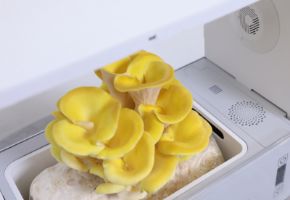
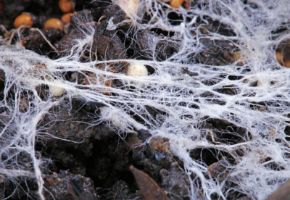

 – Morfologia, caratteristiche, habitat_950.jpeg "Straw mushroom (Fomes fomentarius) – Morphology, characteristics, habitat")
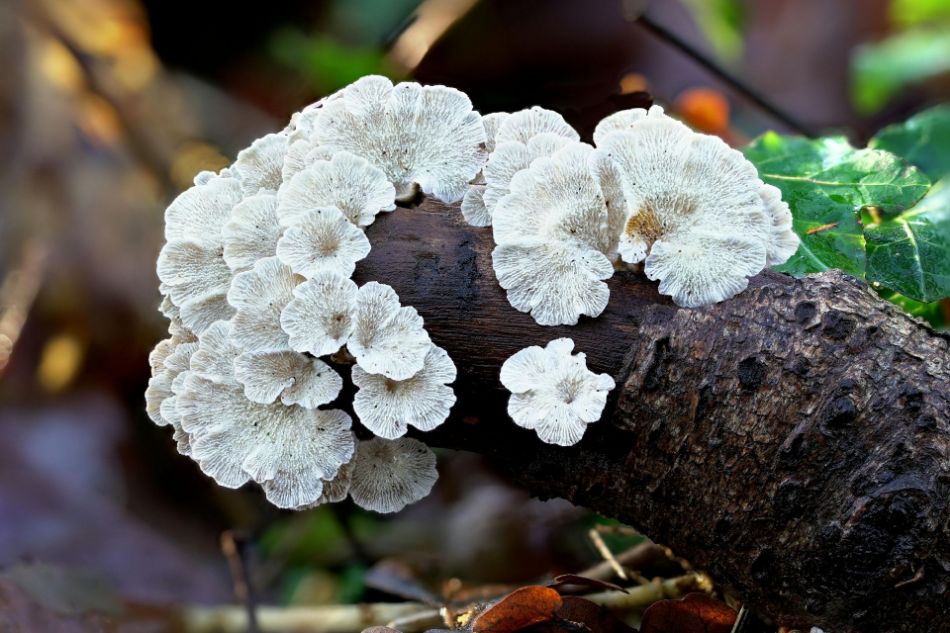
 – Riconoscimento sicuro, differenze con A. Muscaria e guida micologic_950.png "Good Mushroom (Amanita Caesarea) – Recognizing it, its differences from A. Muscaria, and a complete mycological guide")