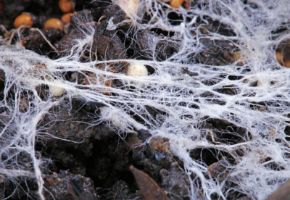
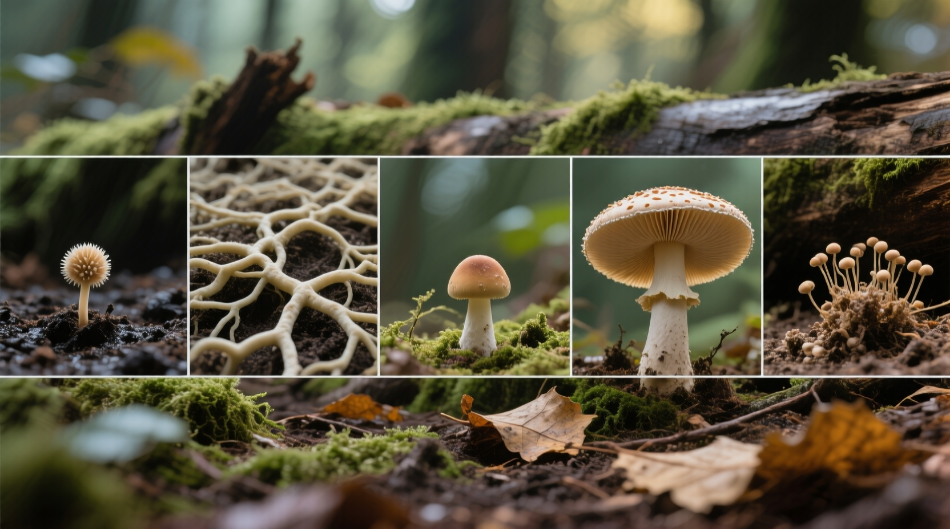
Today we delve into one of the most fascinating aspects of the fungal kingdom: its life cycle. What at first glance might seem like a simple sequence of events turns out to be an extraordinarily complex and fascinating process, rich in evolutionary adaptations and surprising strategies. In this article, we'll explore each stage of the mushroom life cycle, from microscopic spores to the majestic fruiting we so admire in our forests.
The Tricholoma terreum, known in Italy as Trifolato or Moretta, represents one of the most fascinating and controversial cases in modern mycology. This mushroom, long considered edible and still collected in some regions, actually hides serious health risks that science has only recently uncovered. In this in-depth study, we will analyze every aspect of this species with scientific rigor, backed by data, to provide the most comprehensive overview available.
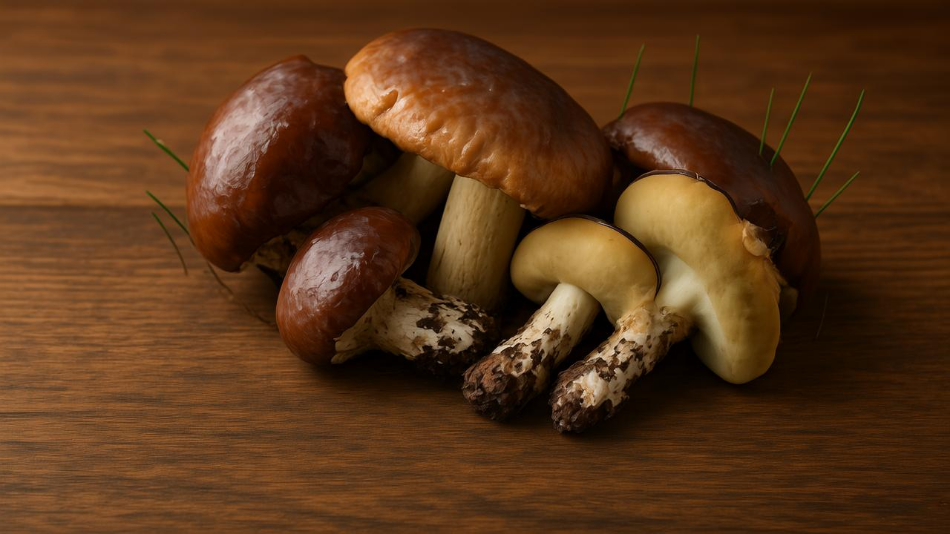
The black chanterelle (Suillus luteus (L.) Roussel 1806) represents one of the most fascinating and complex mycological species in the European forest ecosystem. This symbiotic fungus, belonging to the Suillaceae family, Boletales order, has developed an exclusive mutualistic relationship with the roots of conifers, particularly the Pinus genus. Our encyclopedic guide, the fruit of three years of research, will take you on a scientific yet accessible journey through all aspects of this extraordinary organism: from its complex biology to home cultivation techniques, from its pharmacological properties certified by recent clinical studies to the gastronomic applications that make it a staple in the traditional cuisine of 12 Italian regions.