Mushroom cultivation is a fascinating and complex practice that requires meticulous attention to detail, especially when operating in environments with multiple growth chambers. One of the most critical aspects, often overlooked by less experienced growers, is managing the risk of cross-contamination between different growing areas. This article explores in depth the advanced strategies and techniques for preventing the unwanted transfer of spores, molds, and other contaminants, ensuring healthy and productive crops.
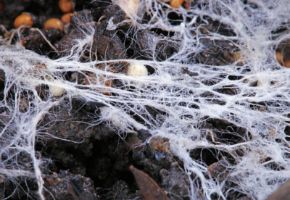
When we walk through a forest or cultivate our vegetable garden, we rarely think about the complex network of relationships that develops beneath the soil's surface and notice mycorrhizae. Yet, it is precisely there that one of the oldest and most important symbioses in the plant kingdom takes place: that between plant roots and soil fungi, an association known as mycorrhiza. This term, derived from the Greek "mykes" (fungus) and "rhiza" (root), perfectly describes the essence of this relationship: an intimate connection between two seemingly different yet extraordinarily complementary organisms. In this article, we will explore the world of mycorrhizae in depth, analyzing their biology, mechanisms of function, different types, practical applications, and future prospects for this fascinating symbiosis.
Welcome to this in-depth look at one of the most intriguing and controversial mushrooms in our woods: Clitopilus prunulus, commonly known as the "strawberry mushroom." In this article, we'll explore every aspect of this mycological species, from its morphological characteristics to its preferred habitat, from its sensory and nutritional properties, not to mention the precautions necessary for proper identification. The strawberry mushroom is an exciting discovery for any experienced mushroom-eater, thanks to its distinctive aroma and culinary qualities, but it requires care and knowledge to be enjoyed safely.





 come agente antisettico nella coltivazione dei funghi dosaggi e limiti_950.png "Hydrogen peroxide (H2O2) as an antiseptic agent in mushroom cultivation: dosages and limits")