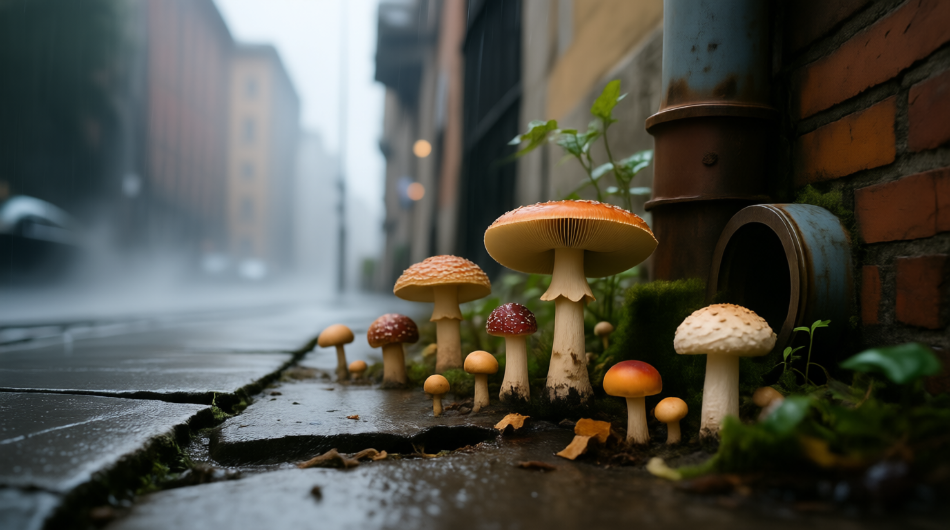
Today we'll delve into the fascinating and often overlooked world of urban fungi, which unexpectedly thrive in urban environments. Walking through the streets of your city, amidst concrete buildings and crowded sidewalks, you may notice tiny mushrooms sprouting from a flowerbed or at the foot of a tree: these extraordinary organisms represent just the tip of the iceberg of a complex and fascinating ecosystem that literally unfolds beneath our feet. Urban fungi aren't simply "country" species adapted to the city; they often represent specific fungal communities that have evolved unique characteristics to thrive in human-dominated environments.
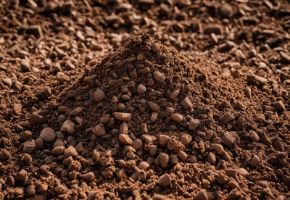
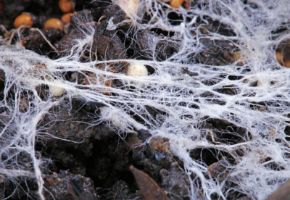
In an era marked by growing concerns about food security, climate change, and environmental degradation, agroecology emerges as a beacon of hope, a holistic approach that reshapes our relationship with the land. This agricultural paradigm goes beyond simply replacing chemical inputs with organic alternatives, but represents a comprehensive redesign of food systems, inspired by the resilience and intelligence of natural ecosystems. In this context, the often overlooked and undervalued kingdom of fungi proves to be a formidable ally, a true cornerstone on which to build a truly sustainable and productive agriculture. This article aims to explore in depth the intricate and fascinating connections between agroecology and mycology, revealing how these extraordinary organisms can guide us toward a greener and more regenerative future for our planet.
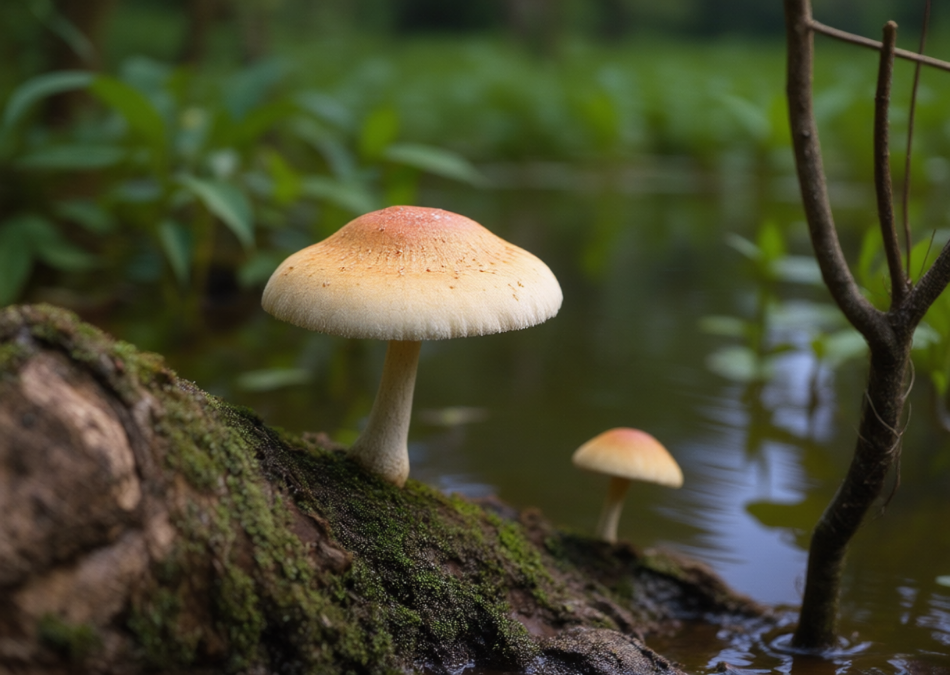
Marshes, bogs, and wetlands represent some of the most fascinating and biodiverse ecosystems on our planet. These environments, characterized by high humidity and unique soil conditions, are home to a vast array of fungal species adapted to thrive in extreme conditions. For mycology enthusiasts, exploring these environments means discovering a hidden world where fungi develop unique strategies for survival and reproduction. In this article, we'll delve into the characteristics of these environments and the fungal species that inhabit them, offering a detailed guide to recognizing them and understanding their ecological role.