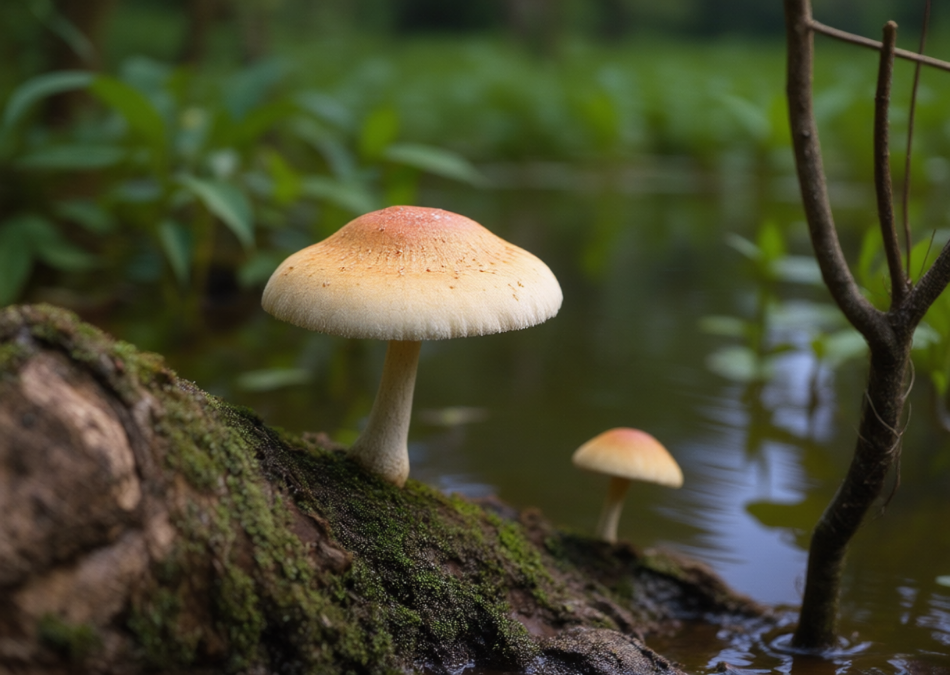
Marshes, bogs, and wetlands represent some of the most fascinating and biodiverse ecosystems on our planet. These environments, characterized by high humidity and unique soil conditions, are home to a vast array of fungal species adapted to thrive in extreme conditions. For mycology enthusiasts, exploring these environments means discovering a hidden world where fungi develop unique strategies for survival and reproduction. In this article, we'll delve into the characteristics of these environments and the fungal species that inhabit them, offering a detailed guide to recognizing them and understanding their ecological role.
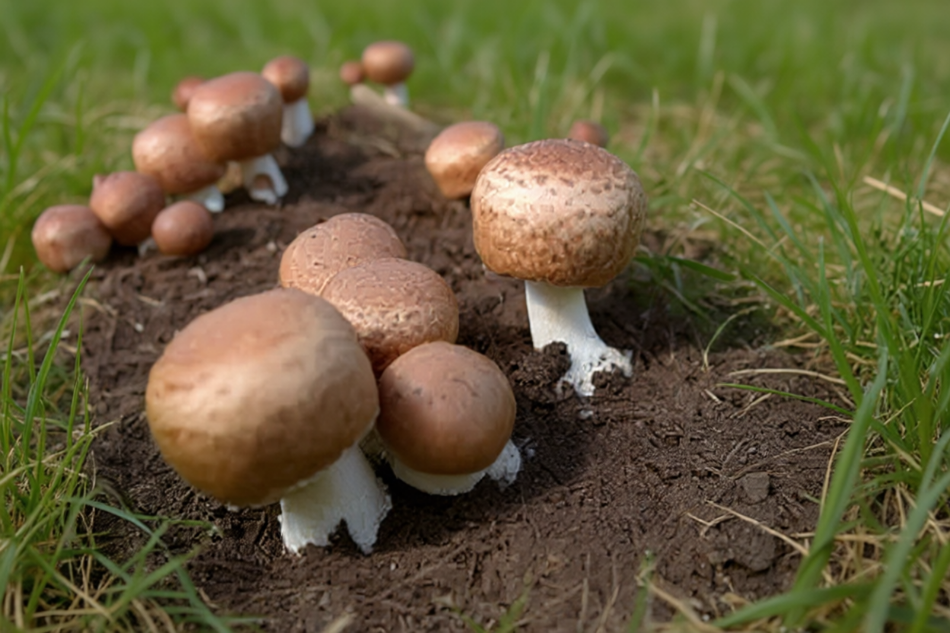
Agaricus blazei, also known by its Japanese name Himematsutake (the "prince of mushrooms" or "lady's matsutake"), is a species that has attracted the attention of the scientific community and mycophiles for its unique characteristics and potential beneficial properties. In this article, we will explore every aspect of this mushroom, from its taxonomy to its ecology, from its biochemical composition to its medicinal and cultural applications, including interesting facts, research, and statistical data that outline its profile.
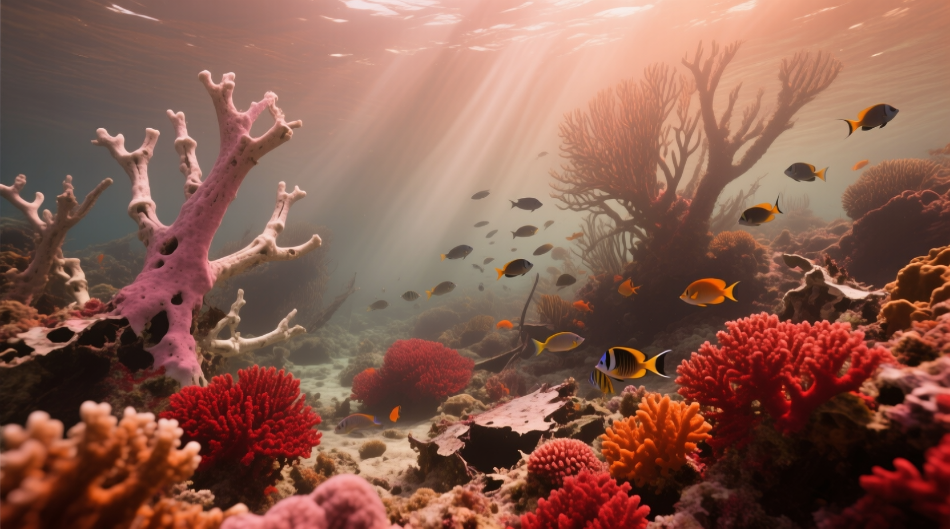
In the vast and mysterious kingdom of fungi, there are species that challenge the imagination, capable of behaviors and impacts that seem straight out of a science fiction novel. Among these, a sinister and relatively unknown protagonist is writing one of the most concerning chapters for the health of our oceans: the 'red death' fungus. This pathogen, a real killer of the seas, does not attack forests or land animals, but instead targets coral reefs, the most biodiverse ecosystems on the planet after tropical rainforests...