There are mornings when the mind springs into action, and others when it feels like moving through a thick fog: words don't come, decisions drag on, and even a simple task requires a disproportionate effort. It's not laziness, and it's not "just tiredness": it's the difference between having or not having mental clarity in the first, crucial hours of the day. In this article, we'll build a comprehensive morning protocol together, based on scientific evidence, practical habits, and the silent yet powerful contribution of functional mushrooms, to get to 9 a.m. with a clear head instead of chasing it until noon.
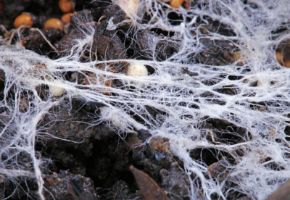
Imagine walking through a forest after a rainy day. The ground is damp, the smell of wet earth envelops you. Suddenly, at the foot of an old beech tree, you see a small, pale cap emerge: it's a mycelium in action. That silent creature, ignored or trampled by many, has much to teach you about how to face life's challenges. We humans are obsessed with speed. We want immediate results, instant healing, quick success. Yet, beneath our feet, there's an organism that has chosen the opposite path: the mushroom. Or rather, its underground network, the mycelium. This network can extend for kilometers, live for centuries, and survive fires, floods, and famines. How does it do it? With a strategy called slow resilience.
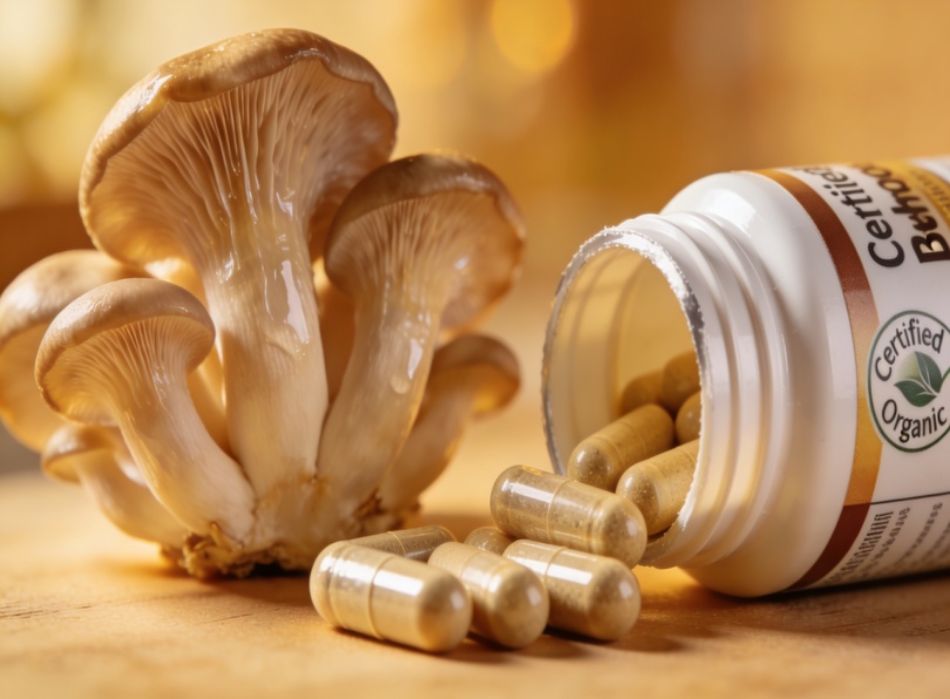
The world of natural extracts has grown exponentially in recent years, transforming from a niche for enthusiasts to a leading sector for naturopaths, wellness professionals, researchers, and consumers seeking informed and scientifically sound health care. Yet, faced with shelves and digital catalogs increasingly crowded with products labeled "natural extract," "medicinal extract," or "mushroom extract," confusion has become the norm rather than the exception. How do you truly recognize a quality extract? What objective criteria distinguish an excellent preparation from a substandard one? And why is certification the only reliable tool for navigating this market?