For thousands of years, Chinese medical sages have scrutinized the secrets of nature, seeking in plants, minerals, and fungi those answers for health and longevity that modern science is only beginning to understand. On this fascinating journey between past and present, medicinal mushrooms occupy an exceptional stage, representing not just a remedy, but a veritable philosophy of life. This article aims to deeply explore the reasons why these ancient practices, preserved for centuries by generations of doctors, are experiencing an unprecedented renaissance in the contemporary world. Through a detailed analysis of their history, science, and practical applications, we will dissect every aspect of this fascinating topic, offering a comprehensive resource for enthusiasts, mycologists, and wellness researchers.
In this extremely detailed article, we'll delve into the world of one of the rarest and most studied mushrooms on the planet, the Camphor Mushroom, known to science as Antrodia camphorata. We'll explore every aspect of its existence, from its taxonomy to its complex relationship with the camphor tree, from its unique biochemistry to its extraordinary medicinal properties, validated by a growing scientific literature. This fact sheet is aimed at mycologists, enthusiasts, growers, and researchers seeking an encyclopedic and up-to-date resource on this extraordinary mushroom.
In the vast and fascinating kingdom of fungi, there are species that capture attention not only for their external beauty, but for the stories they tell, the complex relationships they maintain with the ecosystem, and the potential hidden within their inner mycelial tissue, such as Phellinus linteus, commonly known as the "Black Hoof." This lignicolous fungus, both parasitic and saprophytic, is an organism of extraordinary resilience and biological complexity, a veritable natural chemical laboratory that has fascinated mycologists, ethnomycologists, and, more recently, oncology and immunology researchers for centuries. Its distinctive morphology, intricate life cycle, and bioactive properties make it an inexhaustible subject of study. This article aims to explore every aspect of this extraordinary fungus, from its taxonomic systematics to the most recent pharmacological discoveries, offering a comprehensive and up-to-date resource for enthusiasts, foragers, and professionals.



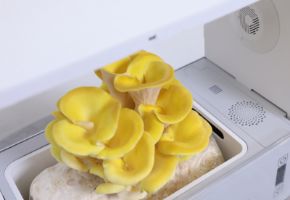
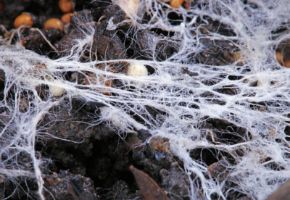

 scheda tecnica completa, proprietà, ricerche_950.png "Camphor Mushroom (Antrodia camphorata): complete technical data sheet, properties, research")
