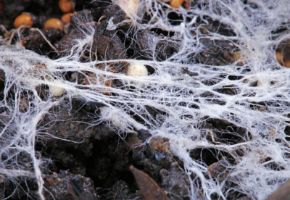
Fungal taxonomy is one of the cornerstones of mycology, a fascinating discipline that deals with the study and systematic classification of fungi. In this article, we will explore in depth the principles of fungal taxonomy, its historical evolution, traditional and modern classification methods, and how to navigate the complex world of mycological systematics. Through a detailed analysis of the morphological characteristics, habitats, and properties of the main taxonomic groups, we will provide a comprehensive guide for enthusiasts, mycologists, and mycologists who wish to deepen their knowledge of this extraordinary kingdom.
Mushroom cultivation is one of the most fascinating and technically complex practices in applied mycology. Among the various systems developed by mushroom growers over the years, the shotgun fruiting chamber has established itself as one of the most effective and economical solutions for the mushroom fruiting stage. This technical article aims to analyze in detail all aspects related to the design, construction, and management of a shotgun fruiting chamber, providing technical data, operational statistics, and detailed procedures for optimizing results in home and semi-professional mushroom cultivation.
Monotub tek represents one of the most effective and popular methods in modern mushroom cultivation. This advanced technique allows for abundant, high-quality harvests through the use of closed containers that recreate an ideal microenvironment for mycelium growth and fruiting. In this article, we'll explore every aspect of this fascinating technique, from its theoretical foundations to its most advanced practical applications.