



How to manage the microclimate for mushroom cultivation in non-air-conditioned environments - A complete guide -Wednesday, July 30, 2025
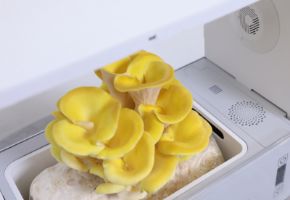
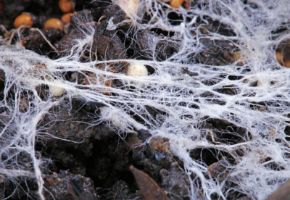
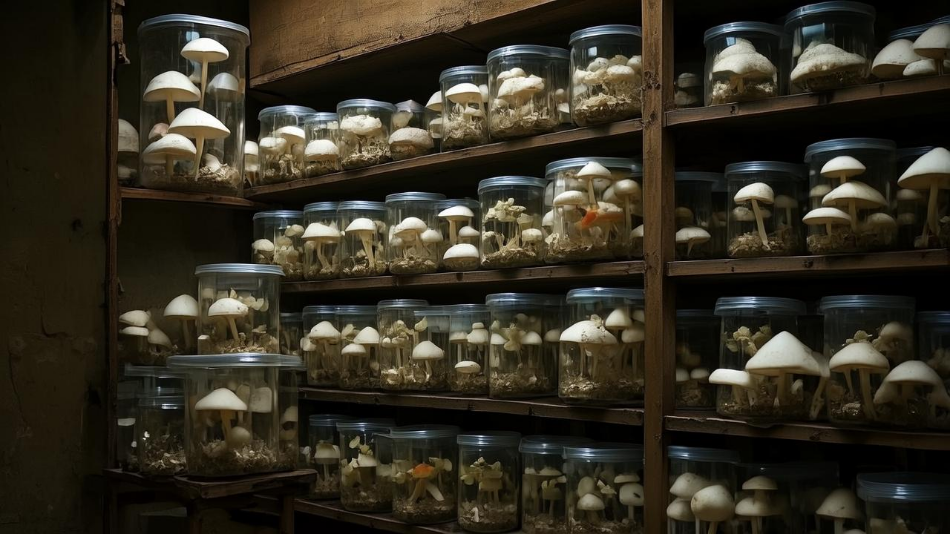
In the magical world of mycoculture, microclimate represents that delicate balance between science and art that separates success from failure. Whether you're growing delicious oyster mushrooms in the cellar or experimenting with demanding shiitake mushrooms in the garage, understanding and mastering environmental variables is the key to transforming your non-air-conditioned space into a veritable mushroom paradise. This comprehensive guide, the fruit of years of experience and field research, will lead you step by step through all the strategies, data, and practical solutions for creating the perfect microclimate, even in the most challenging environments.
Comments (0)

