


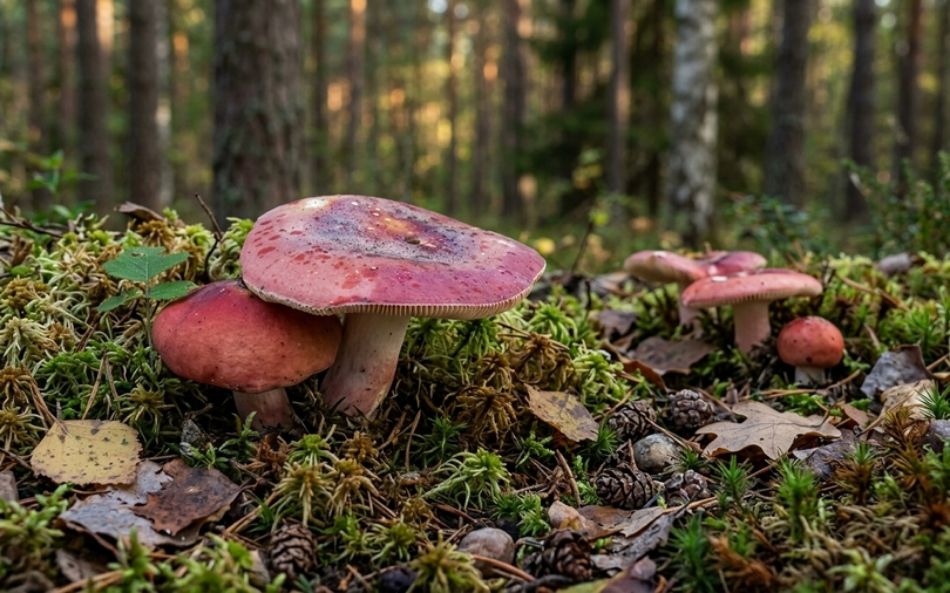
There is a mushroom that, more than any other, summarizes in itself all the fascinating ambiguity of the genus Amanita: a mushroom that belongs to the same family as the most feared killers of the European woods, yet for centuries has ended up in the pans of peasant kitchens in the Alpine and Apennine regions. That mushroom is Amanita rubescens, known in many areas of Northern Italy by the dialect name Bescia, and elsewhere as Tignosa vinata, Ovolo malefico, Rossina or Blushing Amanita. Its distinctive trait is so theatrical it seems invented: wherever you touch it, cut it, peel it, or let it be wounded by a slug, the white flesh slowly turns pink, then to a wine-red. It is the mushroom that blushes, and this very blushing is the key to recognizing it, to not confusing it with lethal species, and to understanding why it must never, in any case, be consumed raw.
This guide was created to answer a question that is asked thousands of times every year on search engines and in mycological groups: is Amanita rubescens edible? The answer is yes, but with a series of non-negotiable conditions that are too often dismissed in two lines. The mushroom contains a thermolabile toxin with hemolytic action, rubescenslysin, which is destroyed only by prolonged and proper cooking; and the mushroom grows in the same woods, in the same months, and often just a few meters away from Amanita pantherina, a severely toxic species with which confusion is documented in clinical literature. For this reason, Amanita rubescens is traditionally considered a mushroom for experts: not because it is rare or hard to find, but because it requires a rigorous morphological reading, character by character, which this guide will teach you to perform just as an ASL mycological inspector would.
In the following pages you will find a complete and verified path: the taxonomic framework and etymology of the name, the analytical morphological description of cap, gills, stem, ring, bulb, and flesh, spore microscopy, mycorrhizal ecology and distribution in Italy and the world, the fruiting calendar region by region, the comparative table comparing Amanita rubescens vs Amanita pantherina and the other great European amanitas (Amanita phalloides, Amanita virosa, Amanita verna, Amanita muscaria, Amanita caesarea, Amanita excelsa), toxicology with updated epidemiological data, cooking techniques and traditional recipes, preservation methods, the ecological role in the mycorrhizal network of the woods, Italian regulations on foraging, and finally, a section dedicated to those who want to move from foraging to the home cultivation of safe saprotrophic species.
The goal is twofold: to give you the tools to recognize Amanita rubescens with the confidence that comes from knowledge, and to remind you that no article (not even the most detailed) can replace the validation of a licensed mycologist. The determination of a mushroom of the genus Amanita intended for consumption must always be confirmed in person, on the fresh and complete specimen, by an ASL Mycological Inspectorate. This is the pact we ask you to accept before proceeding.
In this article...
1. What is Amanita rubescens: identity, etymology, and taxonomic framework
Before talking about caps, gills, or recipes, we need to understand exactly what we are talking about. The genus Amanita comprises over 600 described species worldwide, distributed on all continents except Antarctica, and includes both some of the most prized mushrooms in global gastronomy and the culprits behind the vast majority of deaths from mushroom poisoning. Correctly placing Amanita rubescens within this framework means understanding why it is simultaneously an appreciated edible mushroom and a mushroom that serious manuals advise beginners to leave alone.
What does "rubescens" mean: the etymology that is already a diagnosis
The specific name rubescens derives from the Latin rubescere, meaning "to become red" or "to blush". This is not a linguistic whim: it is the operational description of the species' main diagnostic character. When the flesh of Amanita rubescens is exposed to air after being cut, bruised, or attacked by larvae and mollusks, it oxidizes, turning pinkish-flesh and then wine-red, with times ranging from a few minutes to half an hour depending on temperature, humidity, and the maturity of the specimen. This color change is due to the enzymatic oxidation of phenolic compounds present in the tissues, a process analogous to what makes a cut apple turn black, but with a completely different chromatic yield.
The name of the genus, Amanita, has more debated origins: tradition traces it back to the Greek Amanítai, a term used by Galen and other ancient authors to generically indicate mushrooms, perhaps in reference to Mount Amanus (Amanus), on the border between present-day Turkey and Syria, where these mushrooms were abundant. The currently valid binomial combination, Amanita rubescens Pers., was established by Christiaan Hendrik Persoon in 1797, one of the founding fathers of modern mycology, and subsequently sanctioned by Friesian nomenclature.
Popular names: Bescia, Tignosa vinata, Rossina, Ovolo malefico
Few European mushrooms have a variety of dialect names comparable to that of Amanita rubescens, and this lexical richness tells a lot about the ambivalent relationship that rural communities have had with it. In several areas of Lombardy and Emilia, the mushroom is called "Bescia", a term that in some dialects evokes the idea of something "bestial", coarse, of little account: an abundant and common mushroom, good but not noble. Elsewhere, names describing the color or behavior prevail: Tignosa vinata and Tignosa rossa (where "tignosa" indicates the warts on the cap, compared to the scabs of ringworm), Rossina, Blushing Amanita, Vinata.
Particularly eloquent is the name "Ovolo malefico" (Evil Egg), used in some areas of Central Italy: it stems from the resemblance of the juvenile stage, still closed in the veil, to the Caesar's mushroom (Amanita caesarea), and from the (founded) fear that confusion could result in danger. In France, the mushroom is the Golmotte or Amanite rougissante, in Germany the Perlpilz ("pearl mushroom", for the pearly warts), in Poland the muchomor czerwonawy, in Spain the oronja vinosa or seta Amanita rubescens, in Croatia and Serbia the gljiva Amanita rubescens. In English, it is commonly known as the Blusher, literally "the one that blushes", a term that Anglo-Saxon texts invariably associate with the wording Amanita rubescens edible when thoroughly cooked.
Synthetic taxonomic card
The following table summarizes the systematic position and essential identifying data of the species. It is the "ID card" to refer to whenever a quick and verifiable piece of data is needed.
| Scientific name | Amanita rubescens Pers. (1797) |
| Kingdom | Fungi |
| Division | Basidiomycota |
| Class | Agaricomycetes |
| Order | Agaricales |
| Family | Amanitaceae |
| Genus | Amanita |
| Section | Validae (subgenus Amanita, ex Lepidella sensu lato) |
| Italian names | Bescia, Tignosa vinata, Amanita rosseggiante, Rossina, Ovolo malefico |
| Foreign names | Blusher (EN), Golmotte (FR), Perlpilz (DE), Muchomor czerwonawy (PL), Oronja vinosa (ES) |
| Ecology | Ectomycorrhizal, symbiont of broadleaf and coniferous trees |
| Edibility | Edible only after prolonged cooking; toxic when raw (rubescenslysin, thermolabile hemolysin) |
| Fruiting period | From late May to November, peaking between August and October |
| Spore print | White, amyloid |
| Frequency in Italy | Very common, from sea level up to over 1,800 m |
Why Amanita rubescens divides mycologists
In European mycological literature, Amanita rubescens occupies a particular position: it is classified as a good quality edible in most German, French, and Slavic texts, while a part of Italian and Anglo-Saxon manuals places it among the mushrooms "to be left in place", not for intrinsic toxicity after cooking but for precautionary reasons related to the risk of confusion. Both positions are reasonable and do not contradict each other: the first describes the mushroom, the second describes the average forager.
The point is that Amanita rubescens does not forgive superficiality. Those who forage it must be able to simultaneously read four or five independent morphological characters and verify that they are all consistent; if even just one does not match, the basket remains empty. In return, once this skill is acquired, one gains access to an abundant mushroom, with firm flesh, a delicately nutty flavor, and a remarkable yield in the kitchen. In the following sections, we will dismantle the mushroom piece by piece, exactly as a mycologist would do on a determination table.
2. General description and distinctive characteristics: the morphology of Amanita rubescens
The determination of an amanita is not done "at a glance": it is done by reading in sequence seven anatomical elements (cap, cuticle, universal veil remnants, gills, stem, ring, stem base) and verifying the flesh reaction. Anyone who skips even a single step exposes themselves to errors that, in this genus, can be irreversible. In this section, we analyze the anatomy of Amanita rubescens with the level of detail of a herbarium sheet, indicating for each character the measurements, possible variations, and real diagnostic value.
The cap (pileus): dimensions, shape, and color
The cap of Amanita rubescens measures on average from 5 to 15 cm in diameter, but particularly developed specimens, typical of rainy years in beech or chestnut woods, can easily exceed 20 cm. The shape follows a precise ontogenetic evolution: initially subglobose-ovoid, then hemispherical, then convex, finally flattened and slightly depressed in the center in mature specimens, sometimes with a large, poorly pronounced umbo. The margin is smooth, not striated or only very weakly and briefly striated in very old and water-soaked specimens: a character of great importance, because the lack of marked striations distinguishes the section Validae from several toxic species with a distinctly grooved margin.
The coloration is the most variable and, paradoxically, the least reliable character. The chromatic range of Amanita rubescens ranges from brownish-pink to brownish-wine, from brownish-chamois to brownish-flesh, passing through ochre-pink, grayish-brown, and, in very shady environments or in young specimens, almost whitish tones. The background color always tends to acquire, with maturation or after the passage of slugs and insects, characteristic wine-red shades, especially along the margin and in damaged areas. This is already a first clue to the mushroom's identity: a light brown cap showing pinkish "bruises" in damaged areas is a strong hint.
The cuticle is smooth, slightly viscous in humid weather, silky and opaque in dry weather, separable only partially from the underlying flesh. A detail that expert foragers always verify: the cuticle of Amanita rubescens does not peel off in long, clean strips as happens in Amanita muscaria or Amanita caesarea, but tears irregularly, dragging with it a minimal part of flesh that, immediately after, begins to redden.
The universal veil warts: the "pearls" of the Perlpilz
On the surface of the cap, there are numerous warts (or plaques) deriving from the fragmentation of the universal veil, the envelope that completely enclosed the mushroom at the "egg" stage. In Amanita rubescens, these warts have very precise characteristics: they are relatively small, from 1 to 4 mm, irregularly polygonal or subconical in shape, flattened, arranged irregularly and not concentrically, easily washed away by heavy rain.
The color of the warts is the most precious and most often neglected diagnostic element: in Amanita rubescens they are grayish, grayish-pink, brownish-gray, never snow-white and never perfectly pure. With time and hydration, they take on dirty, flesh-colored, sometimes almost pinkish tones. It is exactly here that the distinction from Amanita pantherina is played out, whose warts are instead snow-white, pure, often arranged in a more regular and concentric way, and which maintain their whiteness even in mature specimens. The German name Perlpilz, "pearl mushroom", arises precisely from the pearly, dirty, and grayish appearance of these warts.
An operational warning worth repeating: after heavy rain, the warts can be completely washed away, leaving a smooth and bare cap. In this condition, the diagnostic character is lost and the determination must rely entirely on the other elements. If the other characters are not clearly legible, the rule is just one: do not forage.
The gills (hymenophore)
The gills of Amanita rubescens are free from the stem, meaning they do not reach the stipe and do not attach to it, a constant character of the entire genus Amanita. They are close, wide, ventricose, soft in consistency, interspersed with numerous lamellulae of varying lengths. The color is white or white-cream in young and fresh specimens, but with maturation and especially near the margin of the cap, the gills become stained with pinkish-red, showing punctuations or wine-colored zones that constitute another precious clue. The gill edge is finely floccose, almost pruinose, observable with a 10x lens.
The spore print in mass (obtainable by placing a mature cap, gills facing down, on a dark sheet of paper for a few hours) is white. This data, seemingly banal, is actually one of the most important safety tests a forager can perform at home before consuming unknown lamellate mushrooms, because it immediately excludes entire groups of species with brown, pinkish, or dark spore prints.
The stem (stipe) and the basal bulb
The stipe of Amanita rubescens is cylindrical, robust, 6 to 20 cm high and 1 to 3 cm thick, solid in young specimens and progressively hollow or stuffed with cottony marrow in mature ones. It appears white in the upper part and progressively shaded with pink, pinkish-brown, and wine-red towards the base, especially in the buried portion. It is finely floccose or zebra-striped below the ring.
The base is the area that deserves the utmost attention, and for a very concrete reason: it is the point where Amanita rubescens is clearly and unambiguously distinguished from deadly amanitas and Amanita pantherina. In Amanita rubescens, the base is swollen into a napiform or subnapiform bulb, lacking a membranous volva and lacking a clean, circular upper margin. The universal veil, in fact, does not leave a sac at the base but fragments into scattered warts, which can leave very irregular and incomplete concentric traces on the bulb, often already reddened.
Attention: Amanita pantherina presents a bulb with a clean collar, a sort of well-defined "rim" or circular "step" at the top of the bulb, and sometimes one or two superimposed circular ridges. Amanita phalloides and Amanita virosa, on the other hand, present a membranous, wide, sac-like volva, perfectly distinguishable. This means that the mushroom must always be extracted from the ground entirely, never cut at the base with a knife. Cutting the stem of an amanita means destroying the character that could save your life.
The ring: the character that is worth a diagnosis
The ring of Amanita rubescens, a remnant of the partial veil that protected the young gills, is wide, membranous, persistent, hanging downwards like a "skirt", inserted in the upper part of the stem. The color is white or whitish, tending to stain pink or yellowish-pink with age.
The decisive characteristic is the striation: the upper face of the Amanita rubescens ring is crossed by evident radial grooves, parallel scanulations impressed by the overlying gills. This striated ring is shared with Amanita excelsa and Amanita phalloides, but is absent or much less marked in Amanita pantherina, which has a smooth, non-striated ring, inserted lower on the stem, in a median or infero-median position. The combination "striated ring in a high position + bulb without a clean collar + grayish warts + flesh that reddens" constitutes the unmistakable signature of Amanita rubescens.
The flesh, odor, and taste
The flesh is white, compact, and firm in young specimens, softer and spongier in mature ones, often abundantly attacked by dipteran larvae, a detail that the Anglo-Saxons ironically consider an indirect confirmation of identity, given that the mushroom is particularly appetizing to insects.
The fundamental character is the color change: when cut or bruised, the white flesh assumes a pinkish-flesh color in a few minutes, which evolves into a more or less intense wine-red. The phenomenon is faster and more marked in the basal zone of the stem, in tissues already crossed by larval galleries, and in specimens collected on hot days. In cold conditions or in very young specimens, the color change may take twenty or thirty minutes: one must not be in a hurry to conclude that "it does not redden".
The odor is weak, pleasant, slightly fungine and vaguely fruity; it does not present radish-like notes, nor the raw potato odor typical of some toxic species, nor the sweetish and unpleasant odor characteristic of deadly amanitas in decomposition. The taste of raw flesh is mild, slightly nutty: but tasting it raw, even just a simple taste with subsequent expulsion, is a practice we categorically advise against on any Amanita, for reasons we will explore in the toxicology section. What does Amanita rubescens taste like once cooked? Delicate, with a note of toasted hazelnut and a sweet undertone, firm and slightly elastic consistency, very similar to that of a good field mushroom but with greater hold during cooking.
Microscopic characters
For mycologists, researchers, and collectors who desire laboratory confirmation, the microscopic characters of Amanita rubescens are defined and reproducible. The spores measure on average 7.5–9.5 × 5–6.5 µm, are ellipsoidal or broadly ellipsoidal, smooth, hyaline, and (crucial data) amyloid, meaning they turn grayish-blue or blackish in Melzer's reagent. Spore amyloidy places the species in the section Validae and represents a clear laboratory discriminant compared to Amanita pantherina and Amanita muscaria, which have inamyloid spores.
The basidia are clavate, four-spored, with clamp connections present at the base: another character of the section Validae. The gill trama is bilateral divergent, typical of Amanitaceae. The universal veil is composed of filamentous hyphae mixed with abundant sphaerocysts, which explain the friable and powdery consistency of the warts.
Summary table of morphological characters
This table condenses everything described and can be printed and taken to the woods as a quick reference sheet. It must be used as a verification list, not as a shortcut: all characters must be consistent.
| Character | Description in Amanita rubescens | Diagnostic value |
| Cap diameter | 5–15 cm (up to 20+ cm) | Low |
| Cap shape | Ovoid → hemispherical → convex → flat | Low |
| Cap color | Brownish-pink, brownish-wine, chamois, highly variable | Low (misleading) |
| Cap margin | Smooth, not striated (or barely striated if old) | High |
| Warts | Grayish, grayish-pink, dirty, irregular | Very High |
| Gills | Free, white, stained pink with age | Medium-High |
| Ring | Wide, hanging, striated on the upper face, high position | Very High |
| Stem base | Napiform bulb without a clean collar and without a sac-like volva | Very High |
| Flesh color change | Pink → wine-red in 5–30 minutes | Very High |
| Odor | Weak, fungine, pleasant | Medium |
| Spore print | White | Medium-High |
| Spores under microscope | 7.5–9.5 × 5–6.5 µm, amyloid | Very High (laboratory) |
3. Habitat, ecology, and geographical distribution of Amanita rubescens
Understanding where a mushroom grows is not only useful for finding it: it is above all useful to exclude wrong identifications. A species that appears exclusively under mountain conifers cannot be the one you are observing in an urban park in the plain, and vice versa. Amanita rubescens, from this point of view, is a generalist and adaptable species, which makes it common but requires paying even more attention to morphological characters, because the environment alone does not provide sufficient discriminants.
A broad-spectrum ectomycorrhizal symbiont
Amanita rubescens is an obligate ectomycorrhizal fungus: its mycelium is not able to complete its life cycle by feeding on dead organic matter, but must establish a mutualistic symbiosis with the roots of living trees. The fungal hyphae wrap around the secondary rootlets forming an external mantle and penetrate between the cortical cells without ever perforating them, constituting a structure called the Hartig net. Through this interface, the fungus gives the plant water, phosphorus, nitrogen, potassium, and microelements that it extracts from the soil with enormous efficiency, and receives in return photosynthetic sugars, in quantities that several studies estimate between 10% and 30% of the carbon fixed by the tree.
This dependency is the reason why Amanita rubescens is not cultivable in domestic or industrial conditions with currently available techniques. No sterile substrate, no matter how rich, can replace a living tree.
The range of symbiotic partners is unusually wide. Amanita rubescens forms mycorrhizae with:
- Broadleaf trees: beech (Fagus sylvatica), oaks of all species (Quercus robur, Q. petraea, Q. cerris, Q. pubescens), chestnut (Castanea sativa), birch (Betula pendula), hornbeam, hazel, alder, linden, poplar.
- Conifers: Norway spruce (Picea abies), silver fir (Abies alba), Scots pine (Pinus sylvestris), black pine, maritime pine, larch, Douglas fir.
- Mixed and anthropic environments: urban parks, tree-lined avenues, historical gardens, arboreta, reforestations, and even ornamental plantations with ectomycorrhizal exotic essences.
Soils, pH, altitude, and exposure
Amanita rubescens shows a marked preference for acidic or subacidic soils, from sandy to loamy, well-drained and rich in decomposing leaf litter, with optimal pH values roughly between 4.0 and 6.0. However, it tolerates much wider conditions, managing to fruit even on neutral and, more rarely, moderately calcareous soils: a plasticity that explains its ubiquity.
The altitudinal range in Italy is wide: from sea level, in coastal pine forests and thermophilic holm oak woods, up to over 1,800 meters in Alpine spruce forests, with the ecological optimum located in the hilly and submontane belt between 300 and 1,200 meters. Findings are also reported above 2,000 meters in Alta Valtellina and Val d'Aosta, corresponding to particularly warm years.
The species prefers transition zones: the edges of clearings, the sides of paths, the contact bands between dense woods and meadows, embankments, and small humid depressions. It is in these microhabitats, where light filters but soil moisture remains high, that the finding density reaches its maximum values. It generally fruits in scattered groups of a few specimens, sometimes in lines along surface roots, rarely in rings.
Distribution in Italy: region by region
Amanita rubescens is present in all Italian regions, including the islands, and is one of the most frequently recorded amanitas in national mycological reporting databases. The following table summarizes the forest types in which the species is most commonly detected in the different macro-areas, indicating the period of maximum local fruiting.
| Macro-area | Typical environments | Prevailing altitude | Seasonal peak |
| Western and Central Alps | Spruce forests, fir forests, larch forests, mixed beech woods | 800–1,800 m | July–September |
| Eastern Alps and Pre-Alps | Beech forests, fir forests, chestnut woods, birch woods | 500–1,600 m | July–October |
| Po Valley | Poplar groves, relic oak-hornbeam forests, urban parks | 0–200 m | September–November |
| Northern Apennines | Chestnut woods, beech forests, downy oak forests, conifer reforestations | 300–1,400 m | August–October |
| Central Apennines | Downy oak forests, mixed oak woods, high-altitude beech forests | 400–1,500 m | September–October |
| Southern Apennines | Chestnut woods, beech forests, downy oak and pubescent oak woods | 500–1,600 m | September–November |
| Tyrrhenian and Adriatic coasts | Coastal pine forests, holm oak woods, cork oak forests | 0–300 m | October–December |
| Sardinia and Sicily | Cork oak forests, holm oak woods, chestnut woods of Etna and Nebrodi | 200–1,500 m | October–December |
A fact that strikes many foragers: Amanita rubescens in Italy is often more abundant in "poor" and degraded woods than in mature and well-preserved ones. Conifer reforestations, abandoned chestnut woods, aged coppices, and tree-lined roadside edges constitute excellent habitats. This preference for disturbed environments is typical of many species of the genus and confirms its nature as a pioneer and tolerant symbiont.
Worldwide distribution and cryptic species complexes
The range of Amanita rubescens in the strict sense covers the whole of Europe, from the Iberian peninsula to southern Scandinavia, from the British Isles to European Russia, extending to the Caucasus, Anatolia, northern and temperate Asia up to Japan. It has also been accidentally introduced, along with mycorrhized forest plants, to New Zealand, Australia, South Africa, and some areas of South America.
In the North American continent, the situation is more complex and deserves a clarification, because it generates confusion even in popular literature: American populations historically attributed to Amanita rubescens have been recognized, through molecular phylogenetic analyses, as belonging to distinct species. Among these, the most cited is Amanita amerirubescens (literally "the American rubescens"), formally described as a separate entity; alongside it are Amanita novinupta, widespread on the Pacific coast, and other entities of the so-called "rubescens complex" still under study. The binomial Amanita pseudorubescens occasionally appears in literature to indicate problematic collections of the group. This means that edibility and toxicity data collected in Europe are not automatically transferable to extra-European populations, a principle of prudence that applies to many mushrooms.
Even in Europe, the species is not monolithic. Several varieties and forms have been described, whose taxonomic validity is under discussion:
- Amanita rubescens var. annulosulphurea: characterized by a ring and universal veil remnants of a sulfur-yellow color, sometimes with yellowish shades also on the stem; it is the most frequently cited and recognized variety.
- Amanita rubescens var. alba: albino or subalbino form, with a whitish cap and light warts; it is the most insidious for the forager because the lack of pigmentation reduces the usual visual references and increases the risk of confusion with dangerous white species. Faced with a whitish specimen, the mushroom must be left in place unless determined by a mycologist.
- Minor forms and varieties: described on a chromatic or dimensional basis, of scarce practical value for the forager.
4. Life cycle and foraging season of Amanita rubescens
The biological cycle of an ectomycorrhizal fungus takes place for 99% of the time out of our sight, in the soil. The carpophore, what we commonly call "the mushroom", is only the ephemeral reproductive organ of an organism that can live for decades wrapped around the roots of a tree. Understanding this cycle radically changes the way one forages: one passes from "taking" to "harvesting without compromising".
The phases of the biological cycle
The path is divided into four main phases:
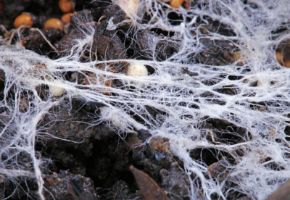
- Germination and formation of the primary mycelium: a haploid basidiospore, transported by wind or animals, germinates under favorable conditions of humidity and temperature, generating a monokaryotic primary mycelium, incapable of reproducing sexually.
- Plasmogamy and formation of the secondary mycelium: two genetically compatible primary mycelia fuse to give rise to a dikaryotic secondary mycelium, in which the two nuclei remain distinct within the same cells. This is the stable vegetative form, potentially long-lived.
- Mycorrhization: the dikaryotic mycelium intercepts the rootlets of the host tree and establishes the symbiosis. From this moment on, the colony can slowly expand in the soil for years or decades, covering surfaces that in some species exceed a hundred square meters.
- Fruiting: when a precise combination of environmental factors occurs (temperature drop, adequate precipitation, day/night temperature range, carbon availability from the plant), the mycelium organizes primordia that, within 5–12 days, develop into mature carpophores.
The formation of the carpophore of Amanita rubescens follows the classic pattern of amanitas: the primordium is enveloped by a universal veil that completely encloses it, giving the appearance of a small whitish egg. With growth, the veil tears: the upper part fragments into warts that remain attached to the cap, the lower part forms the irregular remnants on the bulb. At the same time, the partial veil, which protected the gills, detaches from the margin of the cap and remains attached to the stem, forming the striated ring.
When to forage Amanita rubescens: the seasonal calendar
In Italy, Amanita rubescens has one of the longest fruiting seasons among European amanitas: from late May to late November, with peaks in December in Mediterranean coastal areas. The production peak is generally placed between the second decade of August and the end of October.
| Period | Presence | Operational notes |
| May–June | Scarce/sporadic | First "flushes" in rainy years, almost exclusively in plains and low hills |
| July | Medium in mountains | Fruiting after summer thunderstorms; specimens often small and larvated |
| August | High | Start of the peak; large specimens in beech and chestnut woods |
| September | Maximum | Elective month; maximum density and best flesh quality |
| October | High | Firmer and less larvated specimens due to the temperature drop |
| November | Medium/low | Only in the absence of frosts; last harvests in thermophilic environments |
| December | Sporadic | Coastal pine forests and holm oak woods of Sardinia, Sicily, Maremma |
The role of climate and observed trends
In the last two decades, phenological surveys conducted in several European countries have highlighted a tendency towards a shift and lengthening of the mushroom season, with an anticipated start in spring and a delayed end in late autumn. The causes indicated by the literature are the increase in average temperatures, the modification of the precipitation regime, and the extension of the vegetative period of host plants, which prolongs the carbon flow towards fungal symbionts.
For the forager, this means two very practical things. The first: the traditional calendar handed down by grandparents is today less reliable, and it is better to rely on real conditions (rain, temperatures, soil moisture) rather than the date. The second: the useful window has widened, but has become more irregular, with exceptional years alternating with almost empty years. The empirical rule remains valid: you forage 10–15 days after a significant rain (over 25–30 mm), provided that night temperatures have dropped below 15 °C but not yet below 5 °C.
5. How to recognize Amanita rubescens in the field: method and checklist
Recognizing a mushroom is not an intuitive act: it is a procedure. Professional mycologists do not "feel" that a mushroom is the right one, but they go through a sequence of verifications in which each character confirms or denies the previous hypothesis. Applying this method to Amanita rubescens takes three minutes per specimen and drastically reduces the probability of error. In this section, we translate the anatomy described in chapter 2 into an operational protocol that can be used directly in the woods.
The blushing test: how to perform it correctly
The color change is the emblematic character of the species, but it is performed poorly by many foragers. Here is the correct procedure:
- Extract the whole mushroom, gently rotating it at the base to free the bulb from the soil without cutting it. Clean the base of dirt with a brush.
- Complete longitudinal section. Cut the specimen in two halves from the center of the cap to the lower end of the bulb, with a single, clean cut.
- Observe the cut surface for at least 15–20 minutes. Do not draw conclusions after thirty seconds: on cool days or on young specimens, the color change is slow.
- Verify the chromatic sequence: white → pinkish-flesh → wine-red. The basal zone of the stem and the larval galleries turn first and most intensely.
- Supplementary bruising: press with a fingernail on the margin of the cap and the stem below the ring. The reddening must also appear in these areas.
Attention: blushing alone is not enough. Other species of the genus present pinkish or brownish color changes, and some dangerous amanitas can show slight chromatic alterations on decomposing tissues or due to contamination. The color change must always be read together with the striated ring, the bulb without a clean collar, and the grayish warts. It is the combination of characters, not the single clue, that constitutes a determination.
The ten-point checklist
To be printed, laminated, and kept in the basket. If even a single answer is "no" or "I don't know", the mushroom is not foraged.
| # | Verification | Expected answer for Amanita rubescens |
| 1 | Are the gills free from the stem? | Yes |
| 2 | Is the spore print white? | Yes |
| 3 | Is the cap margin smooth, not striated? | Yes |
| 4 | Are the warts on the cap grayish/dirty, not snow-white? | Yes |
| 5 | Is the ring wide, hanging, and striated on the upper face? | Yes |
| 6 | Is the ring inserted in a high position on the stem? | Yes |
| 7 | Is the base a napiform bulb without a sac-like volva? | Yes |
| 8 | Is the bulb devoid of a clean collar/circular rim? | Yes |
| 9 | Does the flesh clearly redden when cut within 20 minutes? | Yes |
| 10 | Is the odor weak and pleasant, without radish-like or sweetish notes? | Yes |
The five most frequent mistakes (and how to avoid them)
Mistake 1 - Cutting the stem at the base: this is the most serious and most widespread mistake. By cutting the mushroom, you simultaneously lose two decisive characters: the presence or absence of a membranous volva and the conformation of the bulb. Without this data, no amanita can be determined with certainty. The mushroom must always be extracted whole.
Mistake 2 - Trusting the cap color: the chromatic variability of Amanita rubescens is enormous and widely overlaps with that of Amanita pantherina, Amanita excelsa, and other species. Color is the last character to consider, not the first.
Mistake 3 - Foraging young "egg" specimens: at the stage of a primordium closed in the veil, all amanitas look alike: Amanita caesarea, Amanita phalloides, Amanita muscaria, and Amanita rubescens are indistinguishable to the naked eye. Immature specimens must never be foraged for consumption, and the old rule of cutting the egg longitudinally is a minimum precaution, not a guarantee.
Mistake 4 - Foraging en masse without examining every specimen: in an abundant fruiting, it is easy to fill the basket at a sustained pace, examining only the first mushrooms. This is exactly how a specimen of Amanita pantherina ends up in the basket along with twenty Amanita rubescens. Every single mushroom must be verified individually.
Mistake 5 - Relying on photographic recognition apps: artificial intelligence-based applications have made remarkable progress, but their error rate on mushrooms of the genus Amanita remains significant, and above all, they cannot observe the buried bulb, the color change over time, the striation of the ring, and the odor. They are tools for study and first hypothesis, never for food validation.
6. Comparison with similar species: distinguishing Amanita rubescens from dangerous amanitas
This is, without a doubt, the most important section of the entire guide. The determination of an edible mushroom does not end with recognizing the right species: it consists above all in actively excluding all the dangerous species with which it could be confused. In the case of Amanita rubescens, the list of "doppelgangers" to exclude is short but extremely serious, and includes both the species that causes the highest number of hospitalizations each year due to confusion with rubescens, and the mushrooms responsible for almost all European deaths from mycetism.
Amanita rubescens vs Amanita pantherina: the comparison that really matters
Amanita pantherina (Panther Cap) is a severely toxic species, responsible for pantherinian or myroatropinic syndrome, and represents the number one risk of confusion. It grows in the same woods, in the same months, has similar dimensions and posture, and a brown cap that can overlap with the chromatic range of rubescens. The difference between Amanita rubescens and Amanita pantherina is played out on four independent characters, all verifiable in the field and all decisive.
| Character | Amanita rubescens | Amanita pantherina |
| Flesh color change | Reddens clearly (pink → wine-red) | Does not redden: the flesh remains immutably white |
| Ring | Striated on the upper face, high position | Smooth, not striated, median or low position |
| Cap warts | Grayish, grayish-pink, dirty, irregular | Snow-white, pure, often concentric |
| Stem base | Napiform bulb without a clean collar | Bulb with a marked collar/circular rim, sometimes with superimposed ridges |
| Cap margin | Smooth or barely striated when old | Clearly striated-grooved when mature |
| Spores in Melzer | Amyloid (turn grayish-black) | Inamyloid (no reaction) |
| Cap color | Brownish-pink, chamois, wine (variable) | Dark brown, brownish-olive, hazel (variable) |
| Toxicity | Edible only when well cooked | Severely toxic (pantherinian syndrome) |
The mnemonic rule that mycologists teach in courses is simple and easy to remember: "if it reddens and has a striped ring, it's good; if it stays white and has a smooth ring with a step on the bulb, leave it". However, it must be specified that the two most reliable characters of all are the color change and the bulb morphology: they are the hardest to confuse and the least subject to individual variability.
The deadly amanitas: phalloides, virosa, verna
To the recurring question "what is the most lethal mushroom in the world?" mycology answers without hesitation: Amanita phalloides, the Death Cap. The international toxicological literature attributes to this mushroom alone about 90% of worldwide deaths from mushroom poisoning. It is also the answer to the question "what is the most poisonous mushroom in Italy": although Amanita virosa and Amanita verna are equally lethal on a toxicological level, it is the phalloides that reaps the highest number of victims because it is by far the most common.
The three species share the same toxic arsenal (the amatoxins, in particular α-amanitin) and the same clinical picture, the phalloidean syndrome. They are the European "deadly amanitas" along with the rarer Amanita ocreata and some extra-European species; when talking about the "4 deadly amanitas", phalloides, virosa, verna, and, according to other authors, ocreata itself or the Lepiota and Galerina containing amatoxins are commonly meant.
| Character | A. phalloides | A. virosa | A. verna | A. rubescens |
| Cap color | Olive-green, yellowish-green, sometimes whitish | Pure white | Pure white | Brownish-pink/wine |
| Warts on cap | Absent (smooth cap) | Absent | Absent | Present, grayish |
| Volva | Membranous, sac-like, white | Membranous, sac-like | Membranous, sac-like | Absent (bulb with warts) |
| Ring | Membranous, striated, white | Floccose, ragged, fugacious | Membranous, white | Membranous, striated |
| Flesh color change | None | None | None | Reddens |
| Odor | Sweetish, like honey, then nauseating | Unpleasant, like chlorine/wilted rose | Weak, then unpleasant | Weak, pleasant |
| Habitat | Broadleaf trees (oak, chestnut, beech) | Conifers and broadleaf trees, acidic soils | Broadleaf trees, spring-summer | Broadleaf and coniferous trees |
| Toxicity | Deadly (amatoxins) | Deadly (amatoxins) | Deadly (amatoxins) | Edible only when cooked |
Where does Amanita verna grow? It prefers broadleaf woods, especially oak and chestnut woods on acidic soil, and is distinguished from the other deadly ones by its early fruiting, typically spring and late spring, from April to June, in a period when the forager is less alert. Where does Amanita phalloides grow? Everywhere in Italy under broadleaf trees, with a preference for oaks, chestnuts, and beeches, from August to November, from sea level to medium mountains.
What color is Amanita phalloides? The cap is typically olive-green with yellowish shades and darker innate radial fibrils, but there are almost white forms (var. alba) that are particularly insidious. What does Amanita phalloides taste like? Unfortunately, and this is the drama, the taste is described as pleasant and sweetish: toxicity is not perceptible to the taste, and taste has no diagnostic value. What does Amanita phalloides cause? A long-latency syndrome: gastrointestinal symptoms typically appear after 6–24 hours, followed by a phase of apparent improvement and then acute hepatic and renal failure, potentially fatal.
Amanita muscaria: the red mushroom with white dots
What is the name of the red mushroom with white dots? It is Amanita muscaria, known in Italian as ovolaccio or agarico muscario, the most iconographically represented mushroom in the world, present in fairy tales, illustrations, and video games. Why is it called Amanita muscaria? The name derives from the Latin musca, fly: in European popular tradition, pieces of the mushroom were immersed in milk to attract and stun domestic flies, hence also the dialect name "moscario".
How to recognize Amanita muscaria? The characters are unequivocal: cap from bright red to red-orange, covered with white warts easily washed away; white free gills; white membranous hanging ring; white stem; bulbous base with white concentric ridges. It does not redden when cut: the flesh remains white or at most takes on a yellowish shade under the cuticle.
Where is Amanita muscaria found and where does it grow in Italy? It is widespread throughout the peninsula, with a preference for birch forests, spruce forests, fir forests, mixed coniferous and broadleaf woods on acidic soil, from the hilly belt up to over 1,800 meters, from August to November. It is particularly abundant in the Alps and the Northern Apennines.
Is Amanita muscaria deadly? On a strictly statistical level, lethal cases attributed to this species are extremely rare and generally linked to massive ingestions or fragile subjects: it is not classified among the deadly amanitas. However, it is a toxic mushroom in all respects, containing ibotenic acid and muscimol, responsible for pantherinian syndrome: symptoms of Amanita muscaria toxicity include confusion, agitation or deep sedation, hallucinations, ataxia, mydriasis, nausea, vomiting, cramps, and in the most severe cases, convulsions and coma. How do you eat Amanita muscaria? The correct answer, and the only one we provide, is that you don't eat it. Any traditional detoxification practice reported in some areas of the world involves significant and non-standardizable risks, and that is why Italian mycological manuals classify it without exception as a toxic mushroom not to be consumed.
Is Amanita muscaria legal in Italy? The mushroom itself does not fall into the tables of narcotic substances: it is therefore not the possession of the carpophore that is sanctioned as such. This does not mean in any way that consumption is safe or advisable, and its marketing for food purposes is prohibited, as the species is not listed among those admitted for sale by Italian regulations on epigeous mushrooms.
Amanita caesarea and the recognition of eggs
At the opposite end of the scale is Amanita caesarea, the Caesar's mushroom, unanimously considered the best European edible amanita and one of the most prized mushrooms in absolute terms. It is the only Italian amanita commonly consumed even raw, in carpaccio, in the traditional preparations of some regions: a practice that nevertheless requires perfectly healthy specimens and certain determination.
How to distinguish good eggs from poisonous ones? The critical comparison is with Amanita muscaria at the egg stage and, more rarely, with phalloides. The distinctive characters of the Caesar's mushroom are:
- Yellow or golden-yellow gills (white in muscaria, phalloides, and rubescens).
- Yellow stem with a yellow striated ring (white in the others).
- Smooth red-orange cap, without white warts, with a clearly striated margin.
- White, membranous, wide, sac-like volva, well distinct from the stem.
- When sectioning the egg: the internal "gem" already shows the yellow and orange colors of the species.
The golden rule for eggs is: yellow inside, you can consider it; white inside, leave it. It is no coincidence that Amanita rubescens, with its white gills and whitish stem, was called in some areas "ovolo malefico" (evil egg): at the juvenile stage and with warmer cap tones it could mislead those looking for the Caesar's mushroom.
Amanita excelsa, Amanita spissa, and the other Validae
Less known but frequent is the comparison with Amanita excelsa (and its variety spissa), a species of the same section Validae, considered a mediocre edible by some authors and advised against by others. The distinction from Amanita rubescens is immediate: Amanita excelsa does not redden, it presents gray-ashen, more floury and pulverulent warts, a weakly radish-like odor, and flesh that remains white when cut. Given the difficulty and modest gastronomic value, the practical recommendation is to leave it in place.
How many Amanita species exist and which are edible
How many types of Amanita exist? Worldwide, the genus counts over 600 described species, with estimates exceeding 1,000 considering unformalized entities. In Europe, about 100–120 are counted, of which about sixty are reported in Italy. Which amanitas are edible? The number is surprisingly reduced compared to the richness of the genus:
| Species | Common name | Edibility |
| Amanita caesarea | Caesar's mushroom | Excellent, the most prized |
| Amanita rubescens | Blusher, Bescia | Good, but only after prolonged cooking |
| Amanita vaginata and allies (Amanitopsis) | Grey Veiled Amanita | Fair, only when well cooked; difficult determination |
| Amanita ovoidea | Farinaccio | Mediocre and controversial; now advised against |
| Amanita pantherina | Panther Cap | Severely toxic |
| Amanita muscaria | Fly Agaric | Toxic |
| Amanita phalloides | Death Cap | Deadly |
| Amanita virosa | Destroying Angel | Deadly |
| Amanita verna | Spring Destroying Angel | Deadly |
This simple count explains why the genus Amanita imposes a prudence greater than that of any other fungal group: out of dozens of species that an Italian forager can encounter, those really recommended can be counted on the fingers of one hand, and among these, Amanita rubescens still requires mandatory heat treatment.
7. Toxicity, health risks, and what to do in case of poisoning
We now face the central node, the one that generates the highest number of online searches and the highest number of imprecise answers: is Amanita rubescens edible or not? The correct answer requires clearly distinguishing between the intrinsic toxicity of the raw mushroom and the edibility of the correctly prepared mushroom, two planes that superficial dissemination tends to overlap, generating confusion and, sometimes, incidents.
Rubescenslysin: a toxin that is destroyed by heat
Raw Amanita rubescens contains a thermolabile hemolysin, a toxic protein named rubescenslysin (also rubescenslysin in literature), belonging to the same functional family as hemolysins present in other mushrooms consumed only after cooking. Its action consists in damaging the membrane of red blood cells, causing their lysis, with consequent hemolysis which, in case of significant ingestion of raw or insufficiently cooked mushroom, can translate into acute hemolytic anemia, jaundice, hemoglobinuria, and, in severe cases, kidney damage.
The characteristic that makes the mushroom usable in the kitchen is that this toxin is thermolabile: it is denatured and rendered harmless by heat. Toxicological sources indicate complete inactivation with exposure to temperatures above 70–80 °C for adequate times; in culinary practice, a much wider safety margin is adopted, with cooking of at least 20–30 minutes at temperatures above 80 °C in the heart of the product. In addition to rubescenslysin, the mushroom contains lectins and other bioactive proteins (including the RSA lectin, the subject of biochemical studies) also inactivated by heat treatment.
The practical implications are three, and must be memorized without exception:
- Amanita rubescens must NEVER be consumed raw, not even in small quantities, not even in carpaccio, not even as a taste.
- It must not be consumed in short or partial cooking preparations: sautéed for two minutes in a pan, marinated raw, blanched, dried and rehydrated without subsequent cooking.
- It must not be preserved in oil or brine without prior complete cooking, because acidification alone does not inactivate the toxin.
Amanita rubescens as a "spy": what it really means
In the lexicon of Italian foragers, the expression Amanita rubescens spia (spy Amanita rubescens) circulates, generating misunderstandings. The term has no toxicological meaning: it simply indicates the fact that the mushroom functions as an environmental indicator of the potential presence of other amanitas in the same habitat. Where Amanita rubescens fruits abundantly, the ecological conditions are also suitable for Amanita pantherina, Amanita muscaria, and, in oak and chestnut woods, Amanita phalloides. Finding a rubescens is therefore an invitation to raise the level of attention, not a reassuring free pass.
Amanita syndromes: comparative framework
To understand the relative gravity of the risks, it is useful to compare the main syndromes associated with the genus. The fundamental difference is the latency time: short-latency syndromes (less than 6 hours) are generally less severe, those with long latency (over 6 hours) are potentially lethal.
| Syndrome | Responsible species | Toxins | Latency | Clinical picture |
| Phalloidean | A. phalloides, A. virosa, A. verna | Amatoxins (α-amanitin) | 6–24 hours | Severe gastroenteritis, deceptive remission phase, hepato-renal failure, possible fatal outcome |
| Pantherinian (myoatropinic) | A. pantherina, A. muscaria | Ibotenic acid, muscimol | 30 min – 3 hours | Confusion, agitation alternating with deep sedation, hallucinations, mydriasis, ataxia, vomiting, convulsions in severe cases |
| Hemolytic | Raw or undercooked A. rubescens, raw A. vaginata | Rubescenslysin (thermolabile hemolysin) | 1–4 hours | Nausea, vomiting, abdominal pain, hemolysis, jaundice, dark urine |
| Unspecific gastroenteric | Various species, including poorly cooked amanitas | Various irritating compounds | 15 min – 4 hours | Nausea, vomiting, diarrhea, cramps; generally spontaneous resolution |
Epidemiological data: how much the risk weighs in Italy
Data from Italian Poison Control Centers and surveys conducted in recent years by mycological inspectorates outline a picture that is worth knowing, because it downsizes some alarmism and confirms others.
| Indicator | Order of magnitude in Italy | Observations |
| Annual consultations to Poison Control Centers for mushrooms | Several thousand cases, concentrated between September and November | Over 70% of cases occur in the autumn quarter |
| Share of cases from confusion with toxic species | Majority of symptomatic cases | The most frequent confusions concern amanitas and some lepiotas |
| Annual deaths from mycetism | Contained numbers, generally single digits | Almost all attributable to amatoxins |
| Global share of deaths attributed to A. phalloides | ≈ 90% | Constant data in international literature |
| Cases linked to insufficiently cooked mushrooms | Significant fraction of gastroenteric cases | Includes amanitas, honey fungus, and other conditionally edible species |
| Foragers who have mushrooms checked by the ASL | Minority | The service is free in most regions |
The message that emerges is clear: the risk is not distributed uniformly, but concentrated in a specific behavior - autonomous foraging without validation by an expert. This is the factor on which the individual forager has full control.
Signs of poisoning and first aid
Recognizing poisoning early can make the difference between a banal episode and an admission to intensive care. The signals that require immediately going to the Emergency Room after a meal based on wild mushrooms are:
- Nausea, vomiting, or diarrhea that appear over 6 hours after the meal (suspected phalloidean syndrome).
- Profuse and incoercible vomiting, dehydration, hypotension.
- Mental confusion, agitation, hallucinations, anomalous drowsiness, visual disturbances.
- Dark or red-brown urine, jaundice, marked pallor (suspected hemolysis).
- Intense and persistent abdominal pain, muscle cramps, profuse sweating.
What to do, in order of priority:
- Contact 112 or a Poison Control Center immediately. Do not wait for the evolution of symptoms.
- Keep the leftovers of the meal, cleaning residues, and any mushroom scraps. They are the material that allows the ASL mycologist to identify the responsible species and guide therapy.
- Do not induce vomiting on your own initiative and do not administer milk, alcohol, or home remedies.
- Report to healthcare personnel the exact time of the meal and the time of onset of symptoms: the latency interval is the most valuable clinical information.
- Report if other people shared the meal, even if asymptomatic.
Bioaccumulation of heavy metals and radionuclides
A less discussed but relevant aspect for food safety concerns the ability of ectomycorrhizal fungi to accumulate heavy metals and radionuclides present in the soil in their tissues. The genus Amanita is among those with the greatest accumulation capacity for cadmium, mercury, lead, arsenic, and, in areas affected by radioactive fallout, cesium-137.
The operational recommendations are simple but must be respected: do not forage Amanita rubescens along busy roads, near industrial areas, landfills, former mining sites, fields treated with pesticides, or in urban areas with high traffic. It is also good practice to limit the frequency of consumption of wild mushrooms to a few times a month and in moderate portions, regardless of the species.
8. Culinary uses: how to cook Amanita rubescens safely
Once the determination phase is passed and the toxicological constraints accepted, Amanita rubescens reveals itself as a mushroom with remarkable gastronomic qualities, appreciated for centuries in Central European kitchens and unfairly underestimated in Italy. Its firm flesh withstands prolonged cooking without falling apart, the delicately nutty flavor does not overpower other ingredients, and the yield is excellent. In this section, we tackle the whole path, from cleaning to the table.
Selection and cleaning: what to keep and what to discard
The preparation of Amanita rubescens begins in the woods and continues in the kitchen with rigorous selective criteria:
- Discard old, soft specimens, with dark gills, or with an altered odor. The mushroom is highly appreciated by larvae and at advanced maturity it can be completely compromised.
- Completely eliminate larvated parts, not just the visible galleries: the bacterial decomposition associated with larvae is a frequent cause of gastrointestinal disturbances erroneously attributed to the toxicity of the mushroom.
- Remove the base of the stem, the most earthy and fibrous part, and the lower, more leathery portion.
- Clean dry with a brush and damp cloth, avoiding prolonged soaking which impregnates the spongy tissues and compromises the final consistency.
- Remove the cuticle in mature specimens: it is slightly viscous and some find it less digestible. On young ones, it can be kept.
Pre-boiling: recommended step, not an alternative to cooking
Many regional traditions provide for a pre-boiling of 10–15 minutes in salted and slightly acidulated water (a tablespoon of vinegar or lemon juice per liter), with subsequent draining and disposal of the cooking water. This step further reduces the load of water-soluble compounds, softens the tissues, and uniformizes the cooking of the thickest pieces.
It is fundamental to clarify one point: pre-boiling does not replace the final cooking, it integrates it. After draining, the mushrooms must still be subjected to a cooking of at least 15–20 additional minutes in a pan, oven, or stew. The sum of the two treatments guarantees the complete inactivation of rubescenslysin with a wide safety margin.
Times and temperatures: the operational table
| Method | Minimum time | Temperature | Notes |
| Pre-boiling | 10–15 minutes | 100 °C | Salted and acidulated water; drain and discard the water |
| Sautéing in a pan | 20–25 minutes after pre-boiling | > 90 °C | Lid on in the first phase to guarantee heat to the heart |
| Pan cooking without pre-boiling | 30 minutes minimum | > 90 °C | Medium flame, mushroom cut thin, stir often |
| Stewing | 30–40 minutes | 85–95 °C | Ideal method for large specimens |
| Oven | 25–30 minutes | 180–200 °C | Verify that the heart of the mushroom exceeds 80 °C |
| Grilling | Not recommended alone | Irregular | Heat does not uniformly reach the heart: only after pre-boiling |
| Raw consumption | FORBIDDEN - risk of hemolytic syndrome | ||
Recipes with Amanita rubescens: three classic preparations
The recipes with Amanita rubescens from European tradition all focus on long cooking and pairings that enhance the nutty note of the mushroom. Here are three tested preparations, all compliant with the safety parameters just illustrated.
Sautéed Bescia with garlic, parsley, and calamint
The most classic preparation and the most faithful to the flavor of the mushroom. After 12 minutes of pre-boiling, drain accurately. In a large pan, heat extra virgin olive oil with two cloves of garlic in their jackets; add the mushrooms cut into 5–6 mm slices and cook over medium heat for at least 20 minutes, with a lid on for the first 10. Salt only halfway through cooking to prevent the mushroom from releasing too much water at the beginning. Finish with chopped parsley, a handful of fresh calamint, and a grinding of pepper. Excellent as a side dish, on toasted bread crostini, or as a base for a condiment for egg tagliatelle.
Rustic soup of Amanita rubescens, potatoes, and thyme
Ideal preparation for large specimens. Sauté onion and celery, add the pre-boiled and roughly chopped mushrooms, deglaze with dry white wine and let it evaporate completely. Add diced potatoes and hot vegetable broth, then cook over low heat for 35–40 minutes. Blend a third of the mixture to give creaminess, leaving the rest in pieces. Finish with fresh thyme, a drizzle of raw oil, and rye bread croutons. The prolonged cooking makes this recipe one of the safest and most flavorful preparations for Amanita rubescens.
Mushroom flan with light béchamel and parmesan
Suitable for those who want to prepare in advance. The mushrooms, pre-boiled and then sautéed for 20 minutes, are mixed with a light béchamel, an egg, and grated parmesan, then poured into a buttered baking dish and baked at 190 °C for 25–30 minutes. The double heat treatment makes this preparation particularly suitable for catering, where the traceability of cooking times is essential.
Tips for chefs and natural cuisine enthusiasts
For those working in professional kitchens, Amanita rubescens presents some interesting technical characteristics but also precise regulatory constraints. The sale of fresh wild mushrooms is allowed only for species included in ministerial lists, following certification by a recognized mycologist; serving in restaurants therefore requires documentation of origin and control, and self-foraging by the chef is not allowed as a source for customers.
From an organoleptic point of view, the mushroom pairs particularly well with:
- Rustic cereals and flours - coarse-ground corn polenta, pearl barley, spelt, rye bread.
- Dried fruit - toasted hazelnuts and walnuts, which amplify its natural note.
- Medium-intensity aged cheeses - parmesan, mountain toma, semi-aged pecorino.
- Aromatic herbs - calamint, thyme, marjoram, bay leaf; to be used with measure so as not to cover the mushroom.
- White meats and feathered game, stewed or in long cooking.
Indicative nutritional values
Mushrooms in general, and Amanita rubescens in particular, are very low calorie density foods with a high water content, with an interesting profile of fibers, minerals, and B-group vitamins. The values indicated are averages and refer to the fresh cooked product.
| Component | Indicative value per 100 g |
| Water | 88–92 g |
| Energy | 20–30 kcal |
| Proteins | 2–3.5 g |
| Available carbohydrates | 1–3 g |
| Fibers (including beta-glucans and chitin) | 1.5–3 g |
| Fats | < 0.5 g |
| Potassium | 300–450 mg |
| Phosphorus | 80–120 mg |
| Selenium, copper, zinc | Significant traces |
| B-group vitamins (B2, B3, B5) | Present in appreciable quantities |
A necessary clarification: Amanita rubescens is not a medicinal mushroom and no documented therapeutic properties are attributed to it. Unlike species such as Ganoderma lucidum, Hericium erinaceus, or Lentinula edodes, the subject of extensive literature on bioactive compounds, rubescens is essentially a food mushroom. Those interested in the nutraceutical aspects of mushrooms will find in cultivable species a much more solid and documented field, as well as infinitely safer.
9. Preservation: how to store Amanita rubescens without compromising safety
An abundant harvest immediately raises the problem of preservation. In the case of Amanita rubescens, the issue is not only qualitative but also sanitary, because some preservation methods common for other mushrooms are unsuitable or dangerous if applied to a species containing a thermolabile toxin. This section clarifies what can be done, what must be done with caution, and what should be avoided.
Fresh consumption and short-term preservation
Fresh mushrooms can be stored in the refrigerator at 2–4 °C for a maximum of 48–72 hours, placed in an open container or a paper bag, never in closed plastic bags that favor condensation and fermentation. Specimens should be dry-cleaned before refrigeration but not washed. Signs of deterioration: slimy consistency, sour or ammoniacal odor, widespread browning of the gills. If even just one of these signs is present, the mushroom must be discarded.
Drying
Drying is the method that best preserves the aroma of Amanita rubescens and allows storage for 12–18 months. Correct procedure:
- Cut the cleaned mushrooms into slices of 4–6 mm uniform thickness.
- Dry at 40–45 °C in a forced-air dehydrator for 6–10 hours, or in the air in a ventilated, dry, and shaded environment for 2–4 days.
- Verify complete dehydration: the slice must break cleanly, not bend.
- Store in airtight glass jars, in the dark, with a label indicating the species and date of foraging.
Fundamental warning: drying does NOT inactivate rubescenslysin. Dried mushrooms must be rehydrated and then always cooked for a long time, exactly like the fresh product. The rehydration water, rich in aroma, can be filtered and used in stewed preparations, which are still subjected to prolonged cooking.
Freezing
Freezing Amanita rubescens must be done exclusively after complete cooking, never raw. Raw frozen mushroom keeps the toxin intact, loses structure due to the breaking of cell walls by ice crystals, and, once thawed, tends to release water and fall apart. The correct procedure involves pre-boiling, complete sautéing, rapid cooling, portioning in vacuum bags, and freezing at −18 °C, with storage for up to 8–10 months.
Pickling in oil, brine, and vinegar
Preserves in oil represent the riskiest method of all if done poorly, for a reason that goes beyond the mushroom itself: the risk of development of Clostridium botulinum in an anaerobic and low-acidity environment. For Amanita rubescens, the risk is added to that of the thermolabile toxin.
The non-negotiable rules are: preliminary complete cooking (pre-boiling in water and vinegar for at least 15 minutes, followed by accurate drying), adequate acidification, sterilization of jars, oil that completely covers the product, storage in a cool, dark place, consumption within 6–8 months. Any jar with a bulging lid, anomalous odor, cloudiness, or bubbles must be discarded without tasting it. Those without consolidated experience in home preserves would do well to focus on drying and freezing, which are much more tolerant of errors.
| Method | Duration | Preventive cooking | Risk level | Organoleptic yield |
| Refrigerator | 48–72 hours | No | Low | Excellent |
| Drying | 12–18 months | No (but mandatory cooking after rehydration) | Low | Excellent (concentrated aroma) |
| Freezing from cooked | 8–10 months | Yes, mandatory | Low | Good |
| Freezing from raw | — | — | Not recommended | Poor |
| In oil | 6–8 months | Yes, mandatory | High (botulism) | Good |
| In brine/vinegar | 6–12 months | Yes, mandatory | Medium | Fair |
Preservation for scientific and collectible purposes
Those who collect Amanita rubescens for study, herbarium, or documentation follow a different path. The exsiccatum is prepared by drying the whole specimen, complete with bulb, at 40–50 °C, then storing it in a paper bag with a label indicating: location with coordinates, altitude, date, tree species present, soil type, name of the collector and determiner. It is good practice to first make a spore print on a slide, photograph the fresh specimen in situ and in section, and note the color change with the respective times, since the reddening disappears completely in the dried material. For serious collections, it is also recommended to store a tissue fragment in 95% ethanol for possible subsequent molecular analyses.
10. Ecological role of Amanita rubescens: mycorrhizae, fungal networks, and biodiversity
If you look at the forest from the mushroom's point of view, the entire perspective changes. Amanita rubescens is not an occasional guest of the forest: it is one of the supporting structures of its functioning, a node in the underground network that makes the life of trees possible. This section is dedicated to those who study mushrooms, those involved in conservation, and anyone who wants to understand why responsible foraging is not just a rhetorical formula.
Mycorrhizal symbiosis as forest infrastructure
The ectomycorrhizae formed by Amanita rubescens drastically increase the absorbing surface of the host tree's root system: fungal hyphae, with diameters on the order of a few micrometers, explore soil volumes and micropores inaccessible to rootlets. In exchange for the photosynthates received, the fungus provides the tree with:
- Phosphorus, an element often limiting in acidic forest soils, mobilized via extracellular phosphatases.
- Nitrogen, even in complex organic forms that the plant could not use directly.
- Water, with a decisive contribution to resistance to summer drought.
- Microelements such as copper, zinc, iron, manganese.
- Protection against root pathogens, through ecological competition and metabolite production.
- Buffering of heavy metal toxicity, which the fungus immobilizes in its own tissues, reducing their availability to the plant.
Amanita rubescens as a bioindicator
Precisely this accumulation capacity makes it an environmental monitoring tool. Amanita rubescens is used in various studies as a bioindicator of forest soil contamination, particularly for cadmium, mercury, and radioactive cesium. The analysis of carpophores collected on standardized transects allows the reconstruction of contamination gradients at a much lower cost than systematic soil sampling, with the advantage of measuring the actually bioavailable fraction.
Threats, conservation, and how to contribute
Amanita rubescens is not currently considered a species at risk: its ecological breadth and ability to associate with numerous hosts make it resilient. However, there are pressures that deserve attention and affect the entire forest fungal community:
- Fragmentation and conversion of forest habitats, with loss of continuity of mycelial networks.
- Soil compaction due to heavy forestry machinery and excessive off-trail hiking pressure.
- Raking of the litter, which deprives the mycelium of the protective layer and surface organic resource.
- Atmospheric nitrogen depositions, which in Central Europe are correlated with a reduction in ectomycorrhizal fungal diversity.
- Prolonged summer droughts, which reduce fruiting and, if repeated, weaken the colonies.
- Destructive foraging - not so much the removal of carpophores, but digging, turning over the litter, and raking.
Contributing to conservation is within everyone's reach: forage without turning over the soil, cover the hole after extraction, use aerated baskets that allow spore dispersion, do not pick immature specimens or all those present, stay on the trails, report findings to mycological citizen science databases, and participate in the activities of local mycological groups. For researchers, the most valuable contribution remains the production of standardized field data and the deposition of documented exsiccata in public collections.
11. Responsible foraging and Italian regulations
In Italy, the foraging of spontaneous epigeous mushrooms is governed by a regulatory framework articulated on three levels (state, regional, and sometimes municipal) that many foragers know only superficially. Knowing the rules is not just a matter of sanctions: it is an integral part of sustainable practice.
The regulatory framework in summary
Law no. 352 of August 23, 1993 sets the general principles regarding the foraging and marketing of spontaneous epigeous mushrooms, delegating the detailed regulations to the Regions. Presidential Decree no. 376 of July 14, 1995 establishes the implementing regulation and defines the lists of species admitted to marketing, the requirements for mycologists, and the certification procedures. On this basis, each Region has enacted its own law that regulates in detail:
- Foraging authorization - a card or permit, often for a fee, sometimes requiring attendance of a mycological course.
- Maximum daily quantities - commonly between 1 and 3 kg per person, with exceptions for specific species and residents.
- Permitted days and times, with limitations in some areas with high foraging pressure.
- Prohibition of tools - rakes, hooks, and any tool that disturbs litter and soil.
- Obligation of aerated containers - rigid baskets, with a ban on plastic bags.
- Minimum size limits for some species.
- Prohibited areas - integral reserves, recent reforestation areas, signposted private property.
Regulations vary significantly from region to region: before foraging, it is essential to check the provisions in force in the specific territory, including any municipal ordinances or regulations of parks and protected areas.
ASL Mycological Inspectorates: the service that almost no one uses
Mycological Inspectorates operate within the Local Health Authorities (ASL), public structures with authorized mycologists who perform free identification of mushrooms foraged for personal consumption and issue, where provided, certifications for marketing. The service is active in almost all of Italy, with intensified hours during the autumn period.
For Amanita rubescens, and for any mushroom of the genus Amanita intended for consumption, passing through the inspectorate is not a recommended optional step: it is the correct procedure. Bring the mushrooms whole, uncut, unwashed, with the bulb intact, and possibly accompanied by an indication of the foraging habitat. It is also the best way to learn: every check is a free individual lesson with a professional.
The equipment of the conscious forager
| Tool | Function | Why it is important for amanitas |
| Rigid aerated wicker basket | Transport | Allows spore dispersion and prevents fermentation |
| Knife with blade and brush | On-site cleaning | The brush avoids having to wash the mushroom; the blade is for the diagnostic section, not for cutting the stem |
| 10x magnifying glass | Observation | Verification of gill edge, ring striations, and wart structure |
| Separate containers or dividers | Species separation | Avoids contact between certain and doubtful species |
| Camera or smartphone | Documentation | In situ, section, and bulb photos for subsequent validation |
| Notebook or field app | Notes | Habitat, species, altitude, date: indispensable data for determination |
| Paper mycological guide | Consultation | Study tool, never for final validation |
12. Can Amanita rubescens be cultivated? From foraging to home cultivation
It is the question that inevitably arises for anyone passionate about wild mushrooms: if Amanita rubescens is so common and good, why not cultivate it at home? The answer touches the heart of this species' biology and, at the same time, opens a very interesting perspective for those who want to have fresh mushrooms all year round without identification risks.
Why Amanita rubescens is not cultivable
As illustrated in section 3, Amanita rubescens is an obligate ectomycorrhizal symbiont. Its fruiting requires three conditions that no home cultivation system can reproduce:
- A living and photosynthetically active host tree, which continuously provides carbon to the mycelium.
- A mature and stable mycorrhiza, which takes years to develop and involves the entire rhizosphere.
- A complete ecological context, soil microflora, seasonal cycles, natural hydrological and thermal regimes.
The only successful experiences with ectomycorrhizal fungi concern truffles and, partially, some porcini, through the planting of mycorrhized plants in open fields with production entry times of 5–10 years and non-guaranteed results. For amanitas, there are no reliable protocols. Anyone promising kits to cultivate wild amanitas is selling an illusion: it is good to know this before investing time and money.
The concrete alternative: cultivating saprotrophic mushrooms at home
The good news is that the mycological world offers an entire family of saprotrophic species (organisms that decompose dead organic matter and do not need any symbiotic tree) that can be cultivated with excellent results even in an apartment. They are mushrooms with certain identification, free from confusion risks, available all year round, and with surprising yields. For the Amanita rubescens enthusiast, home cultivation does not replace foraging: it complements it, guaranteeing fresh mushrooms even when the forest is dry or the season is closed.
On NaturNext.eu you will find a catalog built exactly on this logic, with everything you need to move from observation to production:
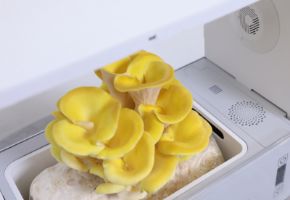
- Grow Box Basic - the latest generation fruiting chamber that allows you to control environmental parameters (humidity, temperature, light, air exchange) in a compact 18x37x29.5 cm space, ideal for beginners who want consistent results from the first cycle.
- Kit Growing Pro - the complete solution that combines a grow box, standard substrate, and spawn already inoculated with mycelium: the fastest and most linear path to the first fruiting, designed for those who want to learn by doing.
- Incubated substrates - already colonized by mycelium and ready for the fruiting phase: the choice for those who want to skip incubation and focus on the result.
- Accessories — all the technical equipment for controlling the cultivation environment and the daily management of crops.
Cultivable species recommended for those who love forest mushrooms
| Species | Common name | Difficulty | Why it interests those who forage Amanita rubescens |
| Pleurotus ostreatus | Oyster mushroom | Very low | First rapid fruiting, high yield, excellent for learning the cycles |
| Cyclocybe aegerita | Velvet shank (Pioppino) | Low | Forest flavor, firm consistency, excellent sautéed like the Blusher |
| Lentinula edodes | Shiitake | Medium | Intense aroma and well-studied nutritional profile |
| Hericium erinaceus | Lion's mane | Medium | Species of great interest for research on bioactive compounds |
| Ganoderma lucidum | Reishi | Medium-high | Non-food mushroom in the classic sense, widely studied in the nutraceutical field |
The decisive advantage of controlled cultivation, for those who know and respect the risks of amanitas, is that the identification is certain by construction: you know exactly which species you are harvesting, because you are the one who inoculated it. It is the natural complement to a conscious foraging practice, and the best way to bring mycology into the home twelve months a year.
13. Scientific research, varieties, and historical curiosities about Amanita rubescens
Those involved in mycology at a scientific or advanced amateur level will find in Amanita rubescens a surprisingly rich subject of study. Far from being a "resolved" species, the Blusher continues to generate literature in at least four strands: biochemistry of fungal proteins, molecular phylogeny of the rubescens complex, ecology of metal accumulations, phenology in relation to climate change.
Biochemistry: hemolysins and lectins
Rubescenslysin has been isolated and characterized as a cytolytic protein capable of forming pores in biological membranes, with marked hemolytic activity on the erythrocytes of various species. The scientific interest is not only toxicological: pore-forming proteins of fungal origin are studied as models to understand membrane permeabilization mechanisms and as possible tools in biotechnology.
In parallel, a lectin (a protein that selectively binds specific sugars) known in the literature as RSA (Rubescens lectin) has been isolated from Amanita rubescens. Fungal lectins are the subject of study for their potential as diagnostic tools, glycan markers, and probes in immunology. It must be reiterated that these studies concern molecules isolated in the laboratory and do not imply in any way health properties of the consumed mushroom: they are two distinct planes that popular science too often confuses.
Phylogeny and cryptic species
Molecular analyses based on ITS regions and multilocus markers have progressively broken down what was once considered a single taxon with a Holarctic distribution. The result, as already anticipated, is the recognition of a species complex in which the European Amanita rubescens represents only one of the entities. In North America, numerous distinct species have been reported, including Amanita amerirubescens and Amanita novinupta; in East Asia, further related entities are documented. For the researcher, this means that literature data must always be evaluated in light of the geographical origin of the studied material, and that identifications based exclusively on morphology in extra-European areas should be considered provisional.
Authenticating a specimen: the protocol for collectors
For those who collect for collection purposes and want a solid attribution, the correct path involves five steps:
- Complete photographic documentation in situ: whole specimen, habitat, longitudinal section, bulb detail, ring and wart detail, color change sequence at 0, 10, and 30 minutes.
- Collection of station data: GPS coordinates, altitude, exposure, tree species within 10 meters, soil type, weather conditions of the previous days.
- Spore print on paper and on a slide, with measurement of at least 20 spores and verification of amyloidy in Melzer's reagent.
- Preparation of the exsiccatum and storage of a fragment in ethanol for possible sequencing.
- Validation by a mycologist or a recognized mycological group, with registration of the data in a searchable archive.
Reliable sources: where to delve deeper
One of the most frequent questions is where to find reliable sources to recognize Amanita rubescens. This question deserves a concrete and hierarchical answer:
- ASL Mycological Inspectorates - the primary source for any validation intended for consumption. Free, widespread, with authorized personnel.
- Territorial mycological groups and national associations - courses, mycological exhibitions, guided excursions, and direct comparison with experts: the most effective way to learn.
- Reference monographs and analytical keys dedicated to the genus Amanita, preferred over generalist photographic manuals, which do not provide the necessary discriminating characters.
- Mycological databases and citizen science portals with expert review, useful for comparison but not for food validation.
- Peer-reviewed scientific literature for taxonomic, ecological, and toxicological aspects.
The hierarchy is important: an online article, no matter how accurate, is study material, not a validation tool. Determination intended for consumption is done in person, on the fresh and complete specimen.
History, culture, and curiosities
Amanita rubescens has appeared in European mycological literature since the 18th century, and its ambivalence has been a recurring theme. In German-speaking regions, the Perlpilz has been a popular and widely consumed mushroom for centuries, to the point of appearing regularly in regional recipe books; in Slavic areas, the muchomor czerwonawy has enjoyed similar consideration. In Italy, however, tradition has viewed it with greater suspicion, as evidenced by dialect names full of distrust ("ovolo malefico" above all) and as confirmed by the prudence of national manuals.
This cultural divergence does not reflect differences in the mushroom, but differences in foraging traditions and the relationship with risk. Where a widespread and structured mycological culture existed, with intergenerational transmission of knowledge, the rubescens was a common mushroom; where foraging was more occasional, prudence prevailed. It is a lesson that remains valid today: safety in mycology is not a property of the mushroom, it is a property of the competence of the person who forages it.
A linguistic curiosity to close: the name "Bescia" also appears in variants like "bescia rossa" or "bescion", and in some valleys it generically indicated second-choice mushrooms, those taken home when porcini were not available. An unfair label for a mushroom that, correctly identified and correctly cooked, holds up very well in the pan.
14. Frequently Asked Questions about Amanita rubescens (FAQ)
We have collected the questions that foragers, chefs, researchers, collectors, and disseminators most frequently ask about Amanita rubescens and amanitas in general. Click on each question to open the answer.
Is Amanita rubescens edible?Yes, Amanita rubescens is edible, but exclusively after prolonged cooking. Raw, it contains rubescenslysin, a thermolabile hemolysin that causes the lysis of red blood cells. Cooking for at least 20–30 minutes above 80 °C at the core of the product completely inactivates the toxin. Raw consumption, in carpaccio or in short-cooking preparations, is forbidden. |
How do I distinguish Amanita rubescens from similar poisonous species?Four characters, to be verified all together: the flesh reddens when cut (Amanita pantherina does not), the ring is striated and in a high position (in pantherina it is smooth and lower), the warts are grayish and dirty (pure white in pantherina), the bulb is napiform without a clean collar and without a sac-like volva (the membranous volva indicates phalloides, virosa, or verna). If even just one of the characters is not consistent, the mushroom is not foraged. |
What does Amanita rubescens taste like?Once cooked, it has a delicate, sweet flavor, with a note of toasted hazelnut, and a firm and slightly elastic consistency that holds up well to long cooking. It is considered a good edible in Central and Northern Europe. Raw tasting must be absolutely avoided. |
How to cook Amanita rubescens?Dry cleaning, elimination of larvated parts and earthy base, recommended pre-boiling of 10–15 minutes in salted and acidulated water with draining of the water, then final cooking of at least 20 minutes (30 minutes if pre-boiling is skipped). Sautéing, soup, and oven-baked flan are the classic preparations. Grilling alone is not recommended: the heat does not uniformly reach the core. |
Can Amanita rubescens be consumed raw?No, never. This is a point on which there are no exceptions, interpretative margins, or local traditions to respect. The hemolytic toxin is present in the raw mushroom and is destroyed only by heat. |
What is the most lethal mushroom in the world?Amanita phalloides, the Death Cap, to which international literature attributes about 90% of worldwide deaths from mushroom poisoning. It is also the most dangerous mushroom in Italy, not because it is more toxic than virosa and verna, but because it is by far the most common. |
What are the 4 deadly amanitas?The European species with lethal toxicity due to amatoxins are Amanita phalloides, Amanita virosa, Amanita verna and, more rarely, Amanita ocreata. All present a sac-like membranous volva and flesh that does not redden: two characters that clearly separate them from Amanita rubescens. |
Which Amanita is edible?The recommendable amanitas in Europe are few: Amanita caesarea (Caesar's mushroom, the most prized), Amanita rubescens (only well cooked), and the Amanita of the vaginata group (only well cooked and with certain identification). All others should be considered non-edible, toxic, or deadly. |
How to recognize Amanita muscaria?Bright red or red-orange cap with easily washable white warts, free white gills, white membranous ring, white stem with a bulbous base surrounded by concentric ridges. It does not redden when cut. It is the mushroom of fairy-tale illustrations, and it is toxic: it contains ibotenic acid and muscimol. |
How do you eat Amanita muscaria?You don't eat it. It is a toxic mushroom and in Italy it is classified as such without exceptions. Traditional detoxification practices reported in some areas of the world are neither standardizable nor safe, and the species is not admitted to food marketing. |
What else is Amanita muscaria called and why is it called that?It is known as ovolaccio, agarico muscario, or moscario. The name derives from the Latin musca, fly: in popular tradition, pieces of the mushroom were immersed in milk to attract and stun domestic flies. |
Where to find Amanita muscaria in Italy?Throughout the peninsula, especially in birch forests, spruce forests, fir forests, and mixed woods on acidic soil, from the hills up to over 1,800 meters, from August to November. It is particularly abundant in the Alps and the Northern Apennines. |
Where does Amanita verna grow and where does Amanita phalloides grow?Amanita verna prefers broadleaf woods on acidic soil, with typically spring fruiting (April–June). Amanita phalloides grows everywhere in Italy under broadleaf trees, especially oaks, chestnuts, and beeches, from August to November, from sea level to medium mountains. |
What color is Amanita phalloides and what does it taste like?The cap is typically olive-green with yellowish shades and darker radial fibrils, but there are very insidious almost white forms. The taste is described as pleasant and sweetish: toxicity is not perceptible to the taste, and this is precisely what makes it so dangerous. |
What does Amanita phalloides cause?Phalloidean syndrome: severe gastrointestinal symptoms 6–24 hours after the meal, followed by a phase of apparent improvement and then acute hepatic and renal failure, potentially fatal. Any disturbance appearing more than 6 hours after a mushroom meal requires immediate recourse to the Emergency Room. |
What are the symptoms of toxicity from Amanita muscaria and pantherina?Pantherinian or myoatropinic syndrome, with a latency of 30 minutes to 3 hours: confusion, agitation alternating with deep sedation, hallucinations, mydriasis, ataxia, nausea, vomiting, cramps; in severe cases, convulsions and coma. Always requires medical evaluation. |
What does "rubescens" mean?It derives from the Latin rubescere, "to become red", "to blush": it describes the color change of the flesh that goes from white to flesh-pink and finally to wine-red when cut or bruised. It is the main diagnostic character of the species. |
What does "Amanita rubescens spy" mean?It is an expression used by Italian foragers: the abundant presence of Amanita rubescens signals ecological conditions suitable for other amanitas as well, including pantherina, muscaria, and phalloides. It is an invitation to increase attention, not a reassurance. |
In which seasons is Amanita rubescens most easily found?From late May to November, with a peak between August and October and extensions until December in Mediterranean coastal areas. The practical rule: 10–15 days after a rainfall exceeding 25–30 mm, with night temperatures between 5 and 15 °C. |
What are the best methods for preserving Amanita rubescens?Drying at 40–45 °C (12–18 months) and freezing after complete cooking (8–10 months) are the safest methods. Pickling in oil requires rigorous preventive cooking and acidification due to the botulism risk. Freezing raw is not recommended: it does not inactivate the toxin and ruins the consistency. |
Is there a white variety of Amanita rubescens?Yes, the var. alba, with a whitish cap and light warts. It is the most insidious form because the lack of pigmentation removes the usual visual references. Faced with a whitish specimen, the mushroom must be left in place, unless determined by a mycologist. There is also the var. annulosulphurea, with a sulfur-yellow ring and veil remnants. |
What is the ecological role of Amanita rubescens?It is an ectomycorrhizal symbiont: it provides the host tree with water, phosphorus, nitrogen, and microelements, receives photosynthetic sugars in return, and protects the roots from pathogens and heavy metals. It is also used as a bioindicator of forest soil contamination by cadmium, mercury, and cesium-137. |
Can Amanita rubescens be cultivated at home?No. It is an obligate ectomycorrhizal symbiont and requires a living host tree, a mature mycorrhiza, and a complete ecological context: conditions not reproducible in cultivation. Those who want to cultivate mushrooms at home should focus on saprotrophic species like pleurotus, velvet shank, shiitake, or hericium, for which reliable kits, substrates, and mycelia exist. |
How can I contribute to the conservation of this species?By foraging without turning over the litter, covering the hole after extraction, using aerated baskets, leaving immature specimens and a quota of mature ones, staying on the trails, participating in mycological groups, and contributing documented data to citizen science databases. |
Is a permit required to forage mushrooms in Italy?Yes, in most cases. Law 352/1993 and Presidential Decree 376/1995 set the national framework, but the detailed discipline — card, daily quantities (normally 1–3 kg), permitted days, prohibited areas — is regional and sometimes municipal. Always check the regulations in force in the territory where you forage. |
Are mushroom identification apps reliable for amanitas?No, not for food validation. They cannot observe the buried bulb, the color change over time, the striation of the ring, or the odor, and the error rate on the genus Amanita remains significant. They are excellent study tools and for first hypotheses: confirmation must come from an ASL Mycological Inspectorate mycologist. |
15. Essential mycological glossary
The technical terms used in this guide, explained immediately. Mastering this vocabulary is the first step to reading an analytical key and communicating with a mycologist.
| Amyloid | Tissue or spore that turns grayish-blue or blackish in Melzer's reagent. The spores of Amanita rubescens are amyloid. |
| Basidium | Fertile cell on which spores form in Basidiomycetes. |
| Napiform bulb | Base of the stem swollen in the shape of a turnip, without a clean margin. |
| Carpophore | The fruiting body, i.e., the visible "mushroom". |
| Ridge / Collar | Circular relief on the bulb, remnant of the universal veil. |
| Ectomycorrhiza | Symbiosis in which hyphae wrap around the root and penetrate between cells without perforating them. |
| Exsiccatum | Dried and cataloged specimen for a herbarium. |
| Hypha | Cellular filament that constitutes the mycelium. |
| Hymenophore | Structure that bears the fertile hymenium: in amanitas, the gills. |
| Free gills | Gills that do not reach the stem. A constant character in the genus Amanita. |
| Mycelium | The set of hyphae: the true body of the fungus, in the soil or substrate. |
| Pileus | The cap. |
| Primordium | Initial bud of the carpophore. |
| Hartig net | Network of hyphae that develops between the cortical cells of the root. |
| Saprotroph | Fungus that feeds on dead organic matter: cultivable, unlike ectomycorrhizal fungi. |
| Spore print | Deposit of spores obtained by placing the cap on a support. White in Amanita rubescens. |
| Stipe | The stem. |
| Universal veil | Membrane that wraps the primordium; generates warts, ridges, or volva. |
| Partial veil | Membrane that protects the young gills; generates the ring. |
| Volva | Sac-like membranous remnant at the base of the stem. Absent in Amanita rubescens, present in deadly amanitas. |
16. Before bringing Amanita rubescens to the table...
Having reached the end of this path, the picture is complete. Amanita rubescens is a fascinating and contradictory mushroom: common yet challenging, good yet bound to mandatory cooking, related to the most lethal mushrooms on the continent yet safe in the hands of those who know how to read it. It is not a mushroom for those in a hurry, and this is precisely what makes it an excellent master of mycology.
Those who learn to correctly identify Amanita rubescens acquire skills that apply to the entire genus: the habit of extracting the whole mushroom, reading the bulb, verifying the striation of the ring, waiting for the color change to manifest, and not trusting the color. These are the same gestures that, applied systematically, keep deadly amanitas out of the basket.
Here is the operational summary, to be reread before every outing and before every meal:
| Phase | Mandatory action |
| In the woods | Extract the specimen whole, never cut it at the base |
| In the woods | Verify all ten points of the checklist, specimen by specimen |
| In the woods | Wait at least 15–20 minutes to evaluate the color change |
| In the woods | Discard immature, soft, larvated, or doubtful specimens |
| In the woods | Do not forage along roads, industrial areas, or contaminated sites |
| After foraging | Have the mushrooms validated by the ASL Mycological Inspectorate |
| In the kitchen | Dry clean, eliminate larvated parts and earthy base |
| In the kitchen | Pre-boil for 10–15 minutes and discard the water (recommended) |
| In the kitchen | Cook for at least 20–30 minutes above 80 °C at the core |
| In the kitchen | Never raw, never undercooked, never marinated raw |
| At the table | Moderate portions, non-daily consumption, no to small children, pregnant women, and fragile subjects |
| In case of doubt | Do not consume. No mushroom is worth a hospital stay. |
If this path has made you want to have fresh mushrooms all year round without depending on seasons and rains, the most direct route is the home cultivation of saprotrophic species: safe, replicable, and surprisingly rewarding. You can find selected grow boxes, substrates, mycelia, and accessories on NaturNext.eu, and other mycological insights in the NaturNext blog.
Final Warning
Important Information
This article is for informational and divulgative purposes and does not in any way replace the opinion of an authorized mycologist. The determination of mushrooms intended for consumption must always be carried out in person, on the fresh and complete specimen, by a professional from the ASL Mycological Inspectorate. In case of suspected poisoning, immediately contact 112 or a Poison Control Center, keeping the meal leftovers and cleaning scraps.
In case of emergency
Do not underestimate the symptoms. Call 112 immediately or contact a Poison Control Center.
This article was developed with the support of artificial intelligence and subsequently reviewed, corrected, and validated by the technical team of NaturNext.eu, which guarantees its reliability and compliance with official sources.
Continue your journey in the world of mushrooms
The kingdom of fungi is a constantly evolving universe, with new scientific discoveries emerging every year about their extraordinary benefits for intestinal health and general well-being. From now on, when you see a mushroom, you will no longer think only of its flavor or appearance, but of all the therapeutic potential it holds in its fibers and bioactive compounds.
✉️ Stay connected - Subscribe to our newsletter to receive the latest studies on:
- New research on fungi and microbiota
- Advanced home cultivation techniques
- Insights into lesser-known species
Nature offers us extraordinary tools to take care of our health. Mushrooms, with their unique balance between nutrition and medicine, represent a fascinating frontier that we are only just beginning to explore. Keep following us to discover how these extraordinary organisms can transform your approach to well-being.