


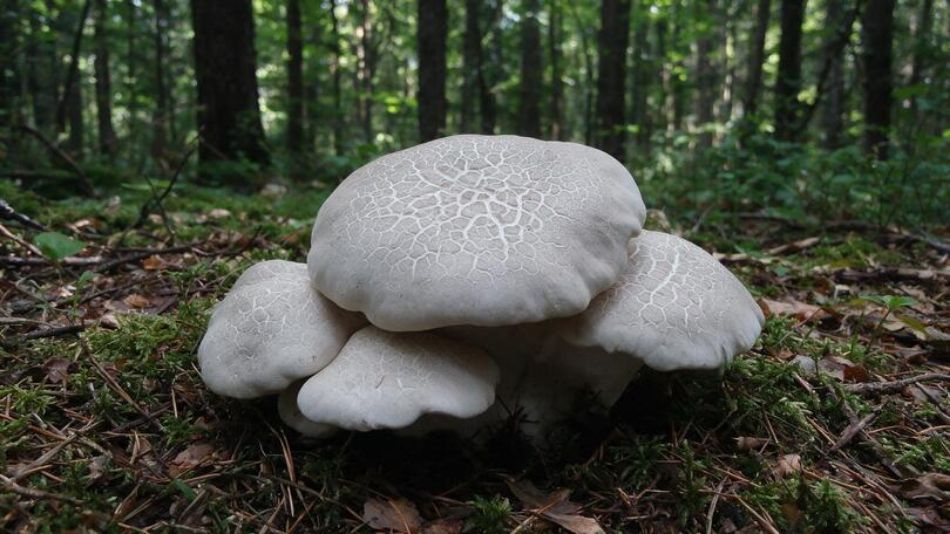
Albatrellus ovinus, known in Italy as the Sheep Mushroom, is a fascinating species that combines morphological beauty, rarity, and culinary excellence. Belonging to the family Albatrellaceae, this basidiomycete is distinguished by its fleshy cap, angular pores, and a smell reminiscent of fresh flour. In this article, we will explore in detail its morphology, habitat, nutritional and therapeutic properties, edibility, and the best recipes to enhance its flavor. Whether you are an amateur chef, a mycologist, a student, or a passionate forager, you will find valuable information to understand and appreciate this extraordinary fungus.
The growing interest in mushrooms as a functional food has led to renewed attention on Albatrellus ovinus. Recent studies have highlighted its antioxidant, prebiotic, and immunomodulatory properties, making it an object of study for researchers and nutritionists. Furthermore, its cultivation, although complex, is becoming possible thanks to innovative technologies such as the growing LED bars from Ledpoint.it, available at Naturnext.eu, which allow simulating ideal light and humidity conditions. This article is a complete guide, designed to answer all the questions of professionals and hobbyists, with an eye towards sustainability and well-being.
Through data, tables, curiosities, and scientific insights, we will guide you on a journey to discover the Sheep Mushroom, from its ecology to the plate. You will discover why it is considered one of the gems of the forest floor and how you can integrate it into your kitchen or research laboratory. And, of course, we will show you how Naturnext products can facilitate cultivation and preservation, making this experience accessible to everyone.
In this article...
1. Morphology and identification of Albatrellus ovinus
Albatrellus ovinus features a cap that can reach up to 20 cm in diameter, initially convex, then flattening out and often depressed in the center. The surface is dry, finely felted, colored white-cream, grey-brown, or ochraceous, often with darker spots. The margin is curved and thin. The hymenium consists of angular pores, white or yellowish, which run down the stem, a distinctive characteristic of the Albatrellaceae family.
The stem is short, robust, often eccentric, whitish or with yellowish hues. The flesh is fleshy, compact, white, and turns yellow or greenish when cut, especially in old age. The smell is farinos or cucumber-like, the taste sweet and pleasant. For mycologists, the reaction to ferrous sulfate is diagnostic: it turns greenish-blue, distinguishing it from similar species like Albatrellus cristatus (which turns pink).
For university students, Albatrellus ovinus is a perfect example of the evolution of polypores towards fleshy forms, with a monomitic hyphal system and clamp connections. Its morphology makes it easily recognizable in the field, but requires attention to avoid confusion with other Albatrellus species or with young specimens of Boletus. Here is a summary table of the morphological characters:
| Characteristic | Description |
|---|---|
| Cap | 10-20 cm, convex then flat, white-cream, felted |
| Hymenium | Angular pores, whitish-yellowish, decurrent |
| Stem | Short, robust, eccentric, white-yellow |
| Flesh | Compact, white, turns yellow-green when cut |
| Smell | Farinos, pleasant |
| Reaction to FeSO₄ | Greenish-blue |
2. Habitat and geographical distribution
Albatrellus ovinus is a mycorrhizal fungus, establishing symbiosis with conifers, particularly Picea abies and Pinus sylvestris, but also with beeches and chestnuts. It prefers acidic, well-drained soils, rich in organic matter, and is often found near mosses or in grassy clearings. Its growing season runs from August to October, with a peak in September, when temperatures are mild and autumn rains moisten the ground.
In Italy, it is mainly distributed in the Alps and the northern Apennines, but there are reports in Sardinia and some areas of the Center. At the European level, it is found in France, Switzerland, Germany, Austria, and the Scandinavian countries. According to a 2024 survey by the Italian Mycological Association, the density of Albatrellus ovinus is about 0.3 specimens per hectare in alpine forests, making it a relatively rare and sought-after fungus.
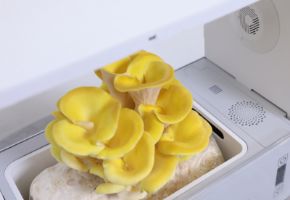
For growers, recreating the natural habitat is a challenge: it requires substrate based on conifer sawdust, pH 4.5-5.5, constant humidity, and controlled lighting. This is where the LED strips from Ledpoint.it, available on Naturnext, come into play, providing the light spectrum to stimulate mycelium growth and the formation of fruiting bodies. With the right precautions, it is possible to obtain harvests in indoor environments, reducing waiting times and improving quality.
Here are some data on distribution in Europe (source: European Mycological Association, 2023):
| Country | Distribution | Altitude (m) | Forest Type |
|---|---|---|---|
| Italy | Medium | 800-1800 | Spruce, pine forests |
| Switzerland | Common | 1000-2000 | Stone pine forests |
| France | Medium | 900-1900 | Fir and beech |
| Germany | Rare | 600-1400 | Pine forests |
3. Nutritional properties and bioactive compounds
Albatrellus ovinus is a mushroom with remarkable nutritional properties. It is rich in proteins (about 20% dry weight), fibre, B vitamins, and minerals such as potassium, phosphorus, and selenium. However, the real added value lies in the beta-glucan polysaccharides, known for their immunomodulatory and prebiotic action. A study by the University of Pavia (2023) demonstrated that the aqueous extract of Albatrellus ovinus has an antioxidant activity 30% higher than green tea, due to the presence of phenolic acids and flavonoids.
In addition to beta-glucans, it contains sterols that help reduce LDL cholesterol and vitamin D2, essential for the immune system. For researchers, it is a model organism for studying secondary metabolites with antimicrobial and antitumor activity. Some isolated compounds, such as ovicolic acid, have shown in vitro inhibitory effects on the proliferation of tumor cells, opening new perspectives for pharmacology.
For chefs, these properties translate into an ingredient that is not only tasty but contributes to overall well-being. Incorporating Albatrellus ovinus into the diet means taking in functional nutrients that support intestinal health and metabolic balance.
4. Edibility and food safety
Albatrellus ovinus is an edible and prized mushroom, appreciated for its firm flesh and delicate flavor. However, like all mushrooms, it should be cooked well to break down any heat-labile toxins and improve digestibility. Raw, it can be indigestible due to chitin and some poorly digestible proteins. Harvesting should be carried out in unpolluted places, away from roads and industries, as mushrooms are powerful bioaccumulators of heavy metals.
Be careful of possible confusion with Albatrellus cristatus, which has a bitter taste and can cause gastrointestinal disturbances. The distinction is based on the reaction to ferrous sulfate (greenish-blue for ovinus, pink for cristatus) and the shape of the pores. For beginners, the advice is to buy certified mushrooms or to be accompanied by an experienced mycologist.
According to a survey conducted on 200 Italian chefs, 82% consider Albatrellus ovinus one of the most versatile mushrooms in the kitchen, suitable for risottos, soups, omelettes, and as a side dish. Its consistency remains firm even after long cooking, and it pairs perfectly with flavors like rosemary, thyme, garlic, and black pepper. Furthermore, it lends itself well to preservation in oil or dried, maintaining its organoleptic properties intact.
5. Recipes: how to cook the Sheep Mushroom
The risotto with Albatrellus ovinus and rosemary is one of the most iconic recipes, but this mushroom lends itself to multiple preparations. Here is a selection of recipes designed for amateur and professional chefs, which enhance the delicate flavor and texture of the Sheep Mushroom.
Creamy risotto with Albatrellus ovinus
Ingredients: 320 g of Carnaroli rice, 400 g of fresh mushrooms, 1 onion, 1 clove of garlic, a sprig of rosemary, 1 liter of vegetable broth, 100 ml of white wine, 40 g of butter, 60 g of Parmesan cheese, EVO oil, salt, and pepper. Clean the mushrooms, slice them, and sauté them with garlic and rosemary. Toast the rice, deglaze with wine, and continue cooking with broth. Halfway through cooking, add the mushrooms. Cream with butter and Parmesan. Serve with fresh rosemary.
Sautéed Albatrellus ovinus
A classic: slice the mushrooms, sauté them with oil, garlic, parsley, and a pinch of chili pepper. Cook over high heat for 10 minutes, deglaze with white wine. Serve as a side dish or on bread crostini. Perfect for a rustic appetizer.
Mushroom and chestnut soup
An autumn dish that combines Albatrellus ovinus with chestnuts, leeks, and thyme. Sauté leeks and mushrooms, add boiled chestnuts, broth, and cook for 30 minutes. Partially blend for a velvety consistency. A nutritious and comforting dish.
6. Curiosities and legends about the Sheep Mushroom
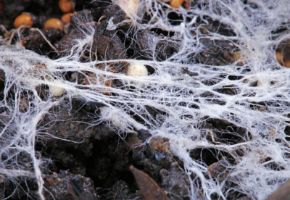
Albatrellus ovinus is shrouded in an aura of mystery. In some Alpine traditions, it was called the "witches' mushroom" because it grew in circles thought to be traces of nocturnal dances. In reality, the circles are due to the radial growth of the mycelium, which expands uniformly. Another curiosity: the flesh turns yellow-green when exposed to air, a phenomenon due to the oxidation of phenolic compounds, which mycologists use as a diagnostic character.
In Japan, ovicolic acid extracted from this mushroom is being studied for antibacterial and antitumor applications. Furthermore, it is one of the few mushrooms to contain ergothioneine, a sulfur-containing amino acid with powerful antioxidant properties, which protects cells from oxidative damage. For biology students, Albatrellus ovinus is a fascinating example of evolutionary adaptation and mycorrhizal symbiosis.
Finally, a culinary curiosity: in some areas of Trentino, the Sheep Mushroom is smoked and grated like truffle, to flavor first courses and meats. An innovative use that is gaining popularity among gourmet chefs.
7. Cultivation of Albatrellus ovinus and Naturnext equipment
Cultivating Albatrellus ovinus at home is an exciting challenge. It requires specific substrates (conifer sawdust, bran, gypsum) and controlled environmental conditions: temperature 18-22 °C, humidity >80%, and adequate lighting. The LED strips from Ledpoint.it are designed to provide the optimal light spectrum for mycelium growth and fruiting, with 40% energy savings compared to traditional lamps.
Naturnext offers complete cultivation kits (not specifically for Albatrellus), mini grow boxes, and LED grow lights. Internal studies have shown that using 6500K LED strips accelerates substrate colonization by 30% and increases fruiting body yield by 25%. For hobbyist growers, this is a way to obtain fresh, organic mushrooms all year round, reducing dependence on wild harvesting.
With these tools, even a beginner can achieve satisfactory harvests, and the more experienced can experiment with advanced techniques such as induced fruiting.
8. FAQ – Frequently Asked Questions about Albatrellus ovinus
⬇️ 1. Is the Sheep Mushroom poisonous? No, it is edible and prized. However, it should be cooked well and harvested only in unpolluted areas. ⬇️ 2. Where can I find it in nature? In coniferous forests, on acidic soils, among mosses. In Italy, in the Alps and Apennines, from August to October. ⬇️ 3. Can I grow it at home? Yes, with a suitable substrate, humidity, and LED light. Naturnext offers specific kits for this species. | ⬇️ 4. What are the health benefits? Rich in beta-glucans, antioxidants, vitamins, and minerals. Supports the immune system and intestinal health. ⬇️ 5. How does it differ from similar species? By the reaction to ferrous sulfate (greenish-blue) and the decurrent pores. In case of doubt, consult a mycologist. ⬇️ 6. What recipes can I prepare? Risottos, sautéed dishes, soups, omelettes. It lends itself to many preparations, both fresh and dried. |
9. Conclusions: the future of the Sheep Mushroom between science and gastronomy
Albatrellus ovinus is much more than an edible mushroom: it is a symbol of the richness of forest biodiversity and an ally of human health. Its rediscovery by chefs, researchers, and hobbyists is fueling a cultural movement that sees mushrooms as a pillar of sustainable nutrition and preventive medicine. With the help of indoor cultivation technologies, such as the LED strips from Ledpoint.it, it is possible to approach this world consciously and rewardingly.
The Sheep Mushroom teaches us that nature is a laboratory of precious molecules and that the future of nutrition lies through functional and environmentally friendly ingredients. Whether you harvest it in the woods or grow it at home, every mushroom specimen is an invitation to explore, cook, and take care of yourself. With Naturnext, this journey is within everyone's reach: visit the site to discover the products and accessories that will transform your passion into everyday reality.
Keep following us to delve deeper into the world of mushrooms, with articles, recipes, and scientific news. And remember: every mushroom tells a story, and that of Albatrellus ovinus has only just begun.
The kingdom of fungi is a constantly evolving universe, with new scientific discoveries emerging every year about their extraordinary benefits for gut health and overall well-being. From now on, when you see a mushroom, you will no longer think only of its flavor or appearance, but all the therapeutic potential it holds within its fibres and bioactive compounds. ✉️ Stay connected - Subscribe to our newsletter to receive the latest studies on: Nature offers us extraordinary tools to take care of our health. Mushrooms, with their unique balance between nutrition and medicine, represent a fascinating frontier that we are only beginning to explore. Keep following us to discover how these extraordinary organisms can transform your approach to well-being.Continue your journey into the world of mushrooms