



Agaricus Silvaticus, also known as woodland mushroom or silvan agaric, represents one of the most precious gems among the epigeous fungi in our territory. For chefs, naturopaths, researchers, and simple enthusiasts, this mushroom embodies a perfect balance between delicate flavor, nutritional properties, and mycological fascination.
In this comprehensive guide, we will reveal every aspect of Agaricus silvaticus: from morphology to habitat, from edibility to scientific studies, from cultivation techniques to 5 exclusive mushroom tartine recipes. You will discover why this mushroom is increasingly sought after by Michelin-starred chefs and organic entrepreneurs, and how you can identify it with absolute certainty. Let's prepare to immerse ourselves in the woods, among pink gills and almond scent...
📖 In this article...
The value of Agaricus silvaticus in the mycological landscape
In the vast kingdom of Basidiomycetes, the genus Agaricus includes celebrated species such as the common button mushroom (Agaricus bisporus) and the medicinal Agaricus blazei. But it is Agaricus silvaticus (syn. Agaricus sanguinarius) that captures the attention of those seeking a mushroom with intense flavor, firm flesh, and spontaneous growth in cool, shady environments. Agaricus silvaticus edible is one of the most frequent questions: yes, it is excellent and appreciated, but you must know how to distinguish it from toxic agaricus such as Agaricus xanthodermus.
The wild mushroom market is growing at an annual rate of 7.5% (2024 data), driven by demand for natural foods and supplements. For this reason, NatureNext.eu provides guides, selected spores and cultivation kits, as well as innovative lighting solutions for indoor fruiting thanks to the partnership with Ledpoint.it (professional LED strips). Let's dive into the details.
Morphology and distinctive characteristics of Agaricus silvaticus
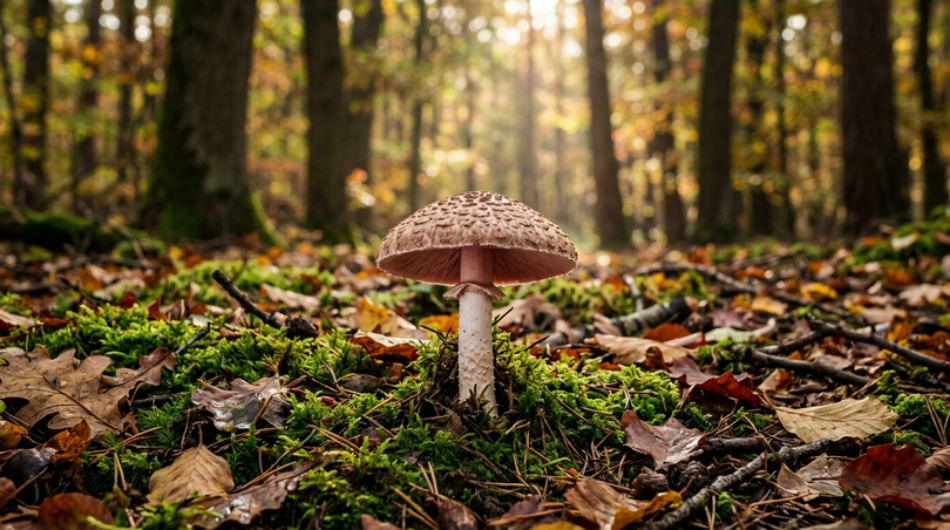
Agaricus silvaticus has a cap 5–10 cm in diameter, from convex to expanded, with a brownish-reddish cuticle with dark fibrils on a light background, often mottled. The flesh is white, slowly turning red-orange when cut. The gills are crowded, from pale pink to chocolate brown at maturity. The stem is cylindrical, 6–12 cm high, with a white, membranous and deciduous ring. Aromatic odor of bitter almond or anise, sweet taste.
How to recognize Agaricus silvaticus?
The reaction to cutting (reddening) and the exclusively woodland habitat (firs, beeches, oaks) are the keys. Unlike the field mushroom (Agaricus campestris), it lives in woods and not in meadows. Compared to Agaricus bisporus (cultivated), silvaticus has a darker cap and reddening.
Gills and spores
The gills of Agaricus silvaticus become dark chocolate. The spore print is brownish-purple. Agaricus silvaticus odor is phenolic but pleasant, never of ink or heavy phenol (typical of the toxic Agaricus xanthodermus).
Habitat and geographical distribution
It grows in summer-autumn (August-October) in coniferous and deciduous forests, on acidic soils rich in humus. It prefers areas with conifers (Norway spruce, Scots pine) but is also found under beech and chestnut. Geographical distribution: Central and Northern Europe, Italy (Alps, Northern and Central Apennines), North America. Rare in Mediterranean areas.
Where are field mushrooms found?
Woodland mushrooms prefer well-drained soils, away from pollution. For growers, Agaricus silvaticus mushroom growing zones can be simulated with substrates based on straw and compost enriched with calcium.
Life cycle and development
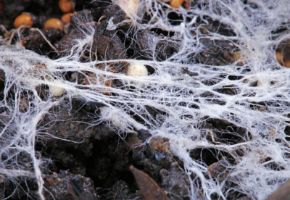
From the spores develops the primary mycelium, which after the meeting of compatible hyphae forms the secondary mycelium. Fruiting requires a temperature between 14-20°C and relative humidity >85%. In nature, the fruiting body emerges after abundant rains. The maturation time from primordium to adult is 4-7 days.
For laboratory cultivation, sterilized substrates (sawdust, bran) are used and light and CO₂ are controlled. This is where LED bars from Ledpoint come into play, fundamental for simulating the light spectrum that induces pinhead formation in mushrooms.
Uses and applications: cooking, wellness and supplements
Agaricus silvaticus is excellent sautéed, in soups, dried or preserved in oil. The firm consistency withstands long cooking. Chefs appreciate its hazelnut aftertaste.
Medicinal properties of Agaricus silvaticus:
This mushroom contains beta-glucan polysaccharides (such as lentinan), ergosterol (vitamin D2) and phenolic compounds with antioxidant activity. Preliminary studies show immune modulation. Traditionally used for fatigue and convalescence, it can be taken as a supplement in 2-3 month cycles, under medical supervision.
Comparison with similar species: edible and toxic
Among Agaricus species it is necessary to pay close attention as there are non-edible and toxic species. The most dangerous is Agaricus xanthodermus (yellow staining mushroom), which at the base of the stem turns sulfur yellow and smells of phenol. Another toxic one: Agaricus moelleri.
How to recognize the toxic field mushroom? By pressing the base, it yellows and has an unpleasant odor. It is suggested not to collect without absolute certainty. Here is a comparison table:
| Species | Edibility | Distinctive characteristic |
|---|---|---|
| Agaricus silvaticus | Excellent edible | Reddens when cut, almond odor, woodland habitat |
| Agaricus bisporus | Edible (cultivated) | White or brownish, no reddening |
| Agaricus xanthodermus | TOXIC | Yellowing at the base, ink/phenol odor |
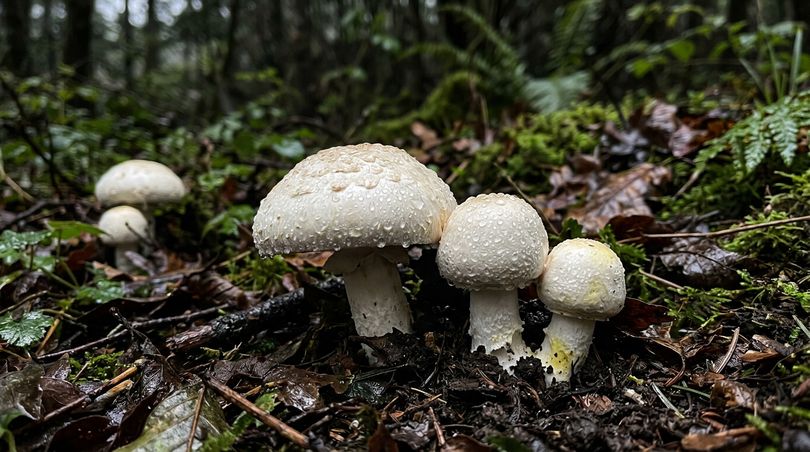
Agaricus xanthodermus, toxic mushroom causes serious gastrointestinal disturbances
Toxicological aspects and precautions
Regarding the consumption risks of Agaricus silvaticus we can say that they are generally null for healthy subjects, but like all mushrooms it can cause individual intolerances. There are in fact allergies to Agaricus silvaticus that are rare but possible which can cause skin or gastrointestinal reactions). It is recommended to collect only young specimens, avoid road edges or areas contaminated by heavy metals.
Mushroom poisonings from Agaricus are almost always due to confusion with A. xanthodermus (this generates gastrointestinal syndrome within 2 hours). For safety, consult a mycologist before consuming wild mushrooms.
Scientific studies and research on Agaricus silvaticus
According to some studies (PubMed, 2020-2025) antioxidant activity (IC50 for DPPH: 2.1 mg/ml) and immunomodulant activity are highlighted. Agaricus silvaticus per 100g fresh provides 28 kcal, 3.8g protein, 0.5g fat, 4g fiber, high amounts of vitamin D2 (after UV exposure).
The bioactive compounds that have been identified within it are agaric acid, ergosterol, blazeispirols (similar to Agaricus blazei). Biotechnological research studies the extraction of beta-glucans for prebiotic supplements.
Sustainable cultivation of Agaricus silvaticus
It is possible to cultivate this species as well: composted substrate based on wheat straw, horse manure and gypsum (pH 7.5-8) is used. After careful pasteurization, it is inoculated with grain spawn.
The growth cycle for cultivating this mushroom is as follows: dark incubation (22-25°C) for 14-18 days, then casing layer (peat + limestone) and lowering T to 16-18°C.
Ledpoint.it LED strips with blue-reddish spectrum (640nm and 450nm) increase the number of primordia by 40%. To control diseases (competing fungi like Trichoderma) rigorous cleaning is used.
If you have never cultivated mushrooms and are interested but would like to start doing it, purchase the NatureNext digital guide:
Mushroom tartine recipes with Agaricus silvaticus
Here are 5 creative variations to impress guests and customers, ideal for chefs and restaurateurs.
Tartine 1 – Ricotta and sautéed woodland mushrooms
Ingredients
4 slices of rustic bread
200g fresh Agaricus silvaticus
150g sheep's milk ricotta
Garlic
Parsley
Salt and pepper
Extra virgin olive oil.
Procedure
Clean the mushrooms, slice them and sauté them in a pan with garlic and oil for 8 min. Toast the bread, spread the ricotta, add the hot mushrooms, garnish with parsley. You will get a creamy and earthy combination.
Tartine 2 – Agaricus silvaticus and walnut pâté
Ingredients
4 slices of whole wheat bread
300g fresh Agaricus silvaticus
50g walnuts
30g parmesan
Shallot
White wine
Salt and pepper
Extra virgin olive oil.
Procedure
Sauté 300g of chopped mushrooms with shallot, deglaze with white wine. Blend them with 50g of walnuts, 30g of parmesan and a drizzle of oil. Serve on whole wheat crostini.
Tartine 3 – Agaricus silvaticus, gorgonzola and honey
Ingredients
4 slices of rye bread
300g fresh Agaricus silvaticus
150g sweet gorgonzola
Chestnut honey
Thyme
Salt and pepper
Extra virgin olive oil
Procedure
Spread sweet gorgonzola on rye bread, place sautéed mushrooms with thyme, finish with a drizzle of chestnut honey. Sweet and sour and enveloping.
Tartine 4 – Agaricus silvaticus in tempura with wasabi mayonnaise
Ingredients
4 slices of bread
300g fresh Agaricus silvaticus
Rice flour
Water
Seed oil
Salt and pepper
Sesame seeds
Wasabi
Procedure
Dip small whole mushrooms in batter of rice flour and ice water, fry in seed oil. Serve on tartine with wasabi mayonnaise and sesame seeds.
Tartine 5 – Raw Agaricus silvaticus carpaccio, lemon and pecorino shavings
Ingredients
4 slices of bread
300g fresh Agaricus silvaticus
Pecorino shavings
Pink salt
Extra virgin olive oil
1 lemon
Procedure
Thinly slice very fresh mushrooms (only healthy specimens), arrange on toasted bread, season with oil, lemon juice, pink salt and pecorino shavings. An explosion of freshness.
Frequently Asked Questions (FAQ)
Is Agaricus silvaticus 100% edible?Yes, it is an excellent edible. Be careful not to confuse it with toxic agaricus: follow the identification guidelines. |
What are the health benefits of Agaricus silvaticus?Immune support, source of vitamin D2, antioxidants, improves intestinal health thanks to beta-glucans. |
How can I cultivate Agaricus silvaticus at home?Use a spawn kit on compost, maintain 85-90% humidity and slight illumination with LED strips. Visit NatureNext for ready kits. |
Are there contraindications for Agaricus silvaticus?Generally none, but if allergic to mushrooms or pregnant consult a doctor. |
NatureNext.eu products for enthusiasts and professionals
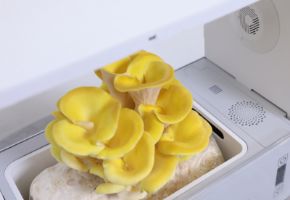
To ensure the best experience in the world of Agaricus silvaticus, NatureNext.eu offers in addition to its guide, for beginners the grow box, which allows you to start cultivating small substrates before launching into professional cultivation. Furthermore, the collaboration with Ledpoint.it allows you to purchase full spectrum LED strips for indoor fruiting, increasing yield by up to 60%.
This article was developed with the support of artificial intelligence and subsequently reviewed, corrected, and validated by the NaturNext.eu technical team, which guarantees its reliability and compliance with official sources.
The kingdom of fungi is a universe in continuous evolution, with new scientific discoveries emerging every year on their extraordinary benefits for intestinal health and general well-being. From now on, when you see a mushroom, you will no longer think only of its flavor or appearance, but of all the therapeutic potential it contains in its fibers and bioactive compounds. ✉️ Stay connected - Subscribe to our newsletter to receive the latest studies on: Nature offers us extraordinary tools to take care of our health. Mushrooms, with their unique balance between nutrition and medicine, represent a fascinating frontier that we are only beginning to explore. Continue to follow us to discover how these extraordinary organisms can transform your approach to well-being.Continue your journey in the world of mushrooms